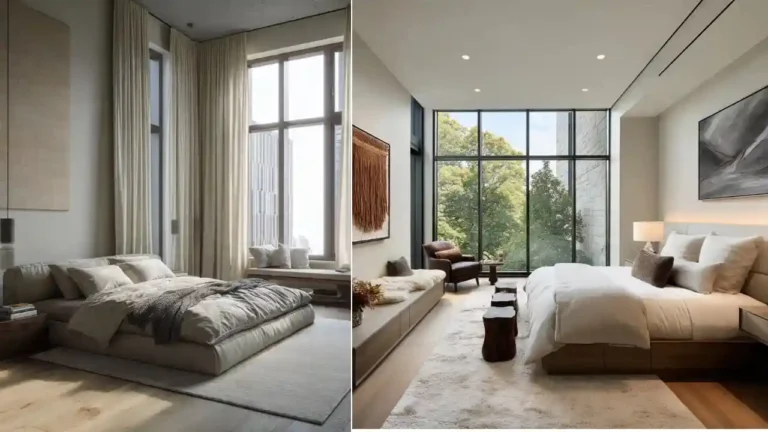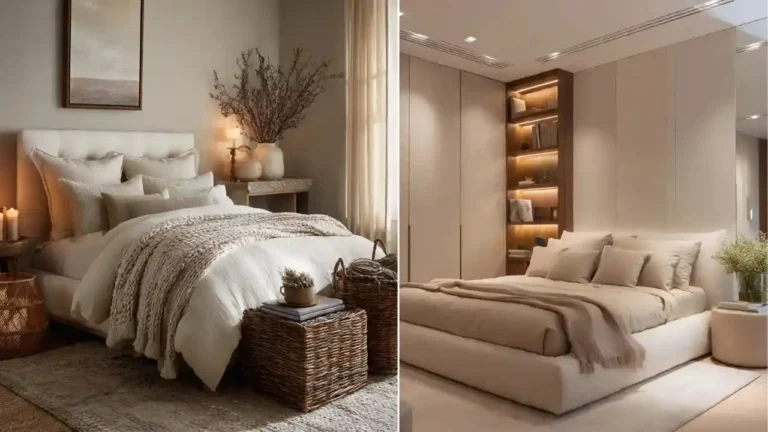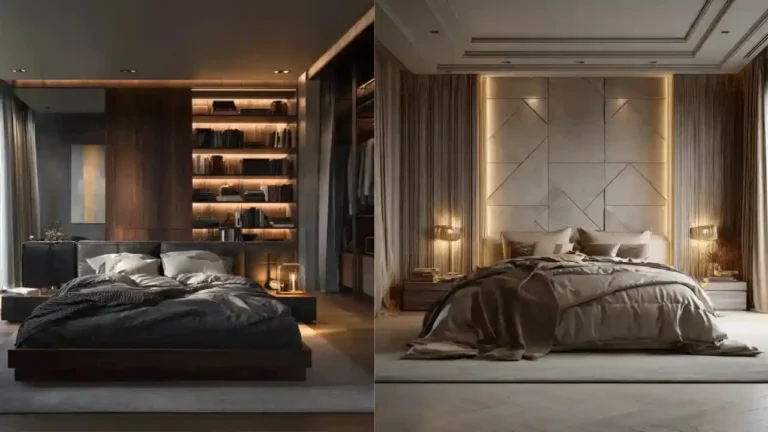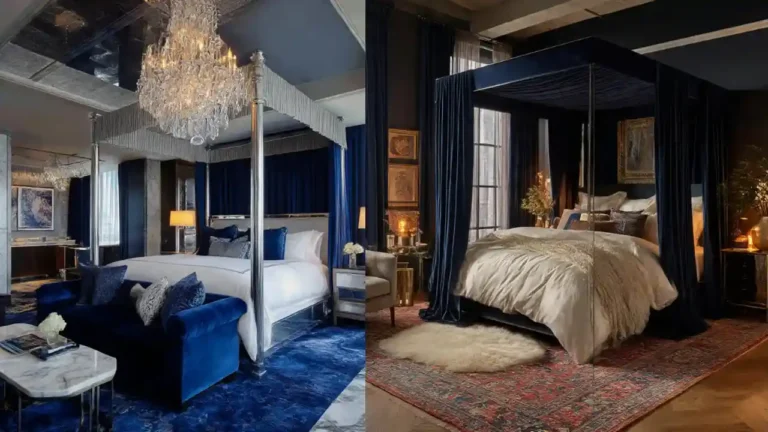

25 Tranquil Bedroom Styling Ideas That Feel Soft and Beautifully Balanced
A tranquil bedroom is one where every element feels considered yet effortless. Balance is not created by symmetry alone, but by how colors, textures, lighting, and space work together to evoke an emotional response. When a bedroom feels soft and beautifully balanced, it naturally supports deep rest and mental calm without appearing overdesigned. These 25 Tranquil Bedroom Styling Ideas by The Home Vista will help you to style your space effectively.
1. Balanced Bed Placement as the Visual Anchor
Placing the bed in a visually centered position immediately creates balance. It allows equal breathing space on both sides of the room. This layout feels stable and calming. Movement around the bed becomes effortless. The room feels grounded and composed.
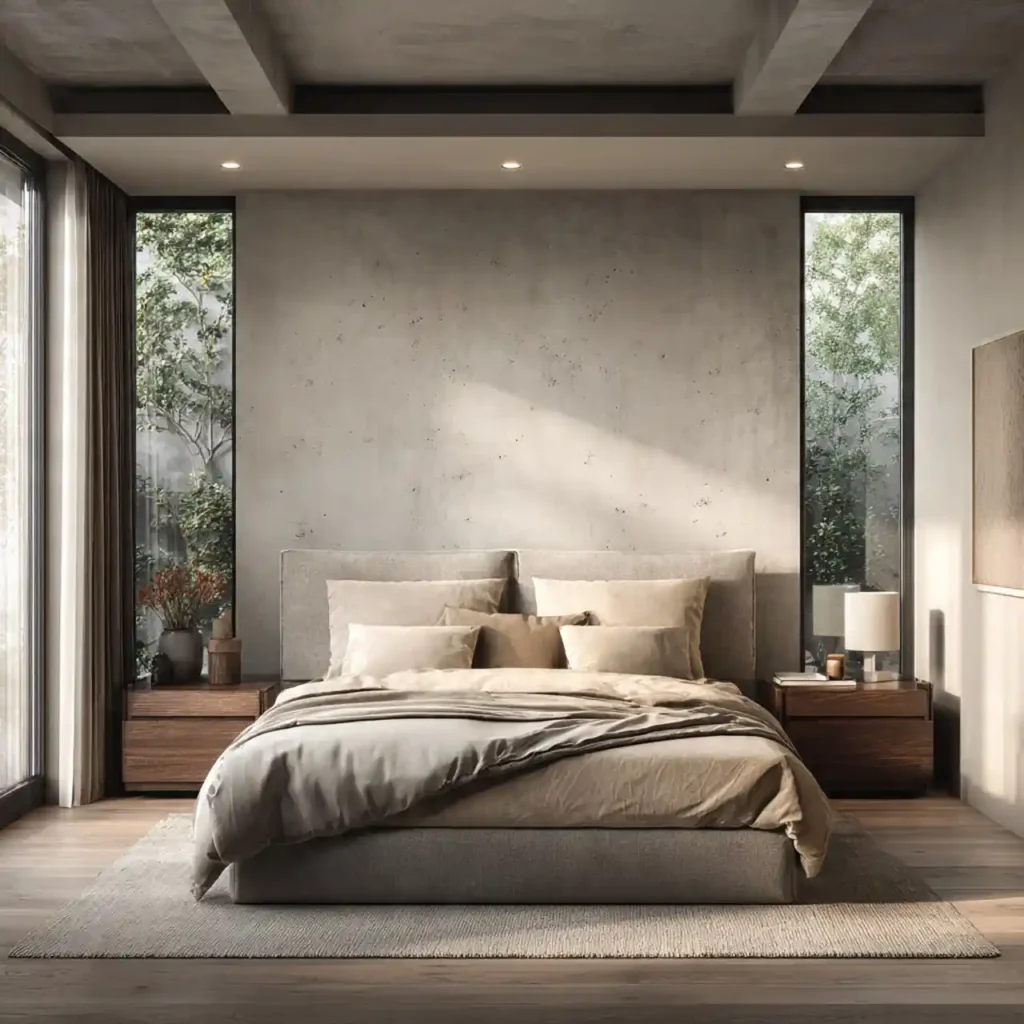
2. Soft Neutral Color Pairings
Using two or three soft neutral tones creates visual harmony. Beige, warm white, and muted taupe work together gently. No color dominates the space. This keeps the bedroom emotionally light. Balance comes through subtle variation.
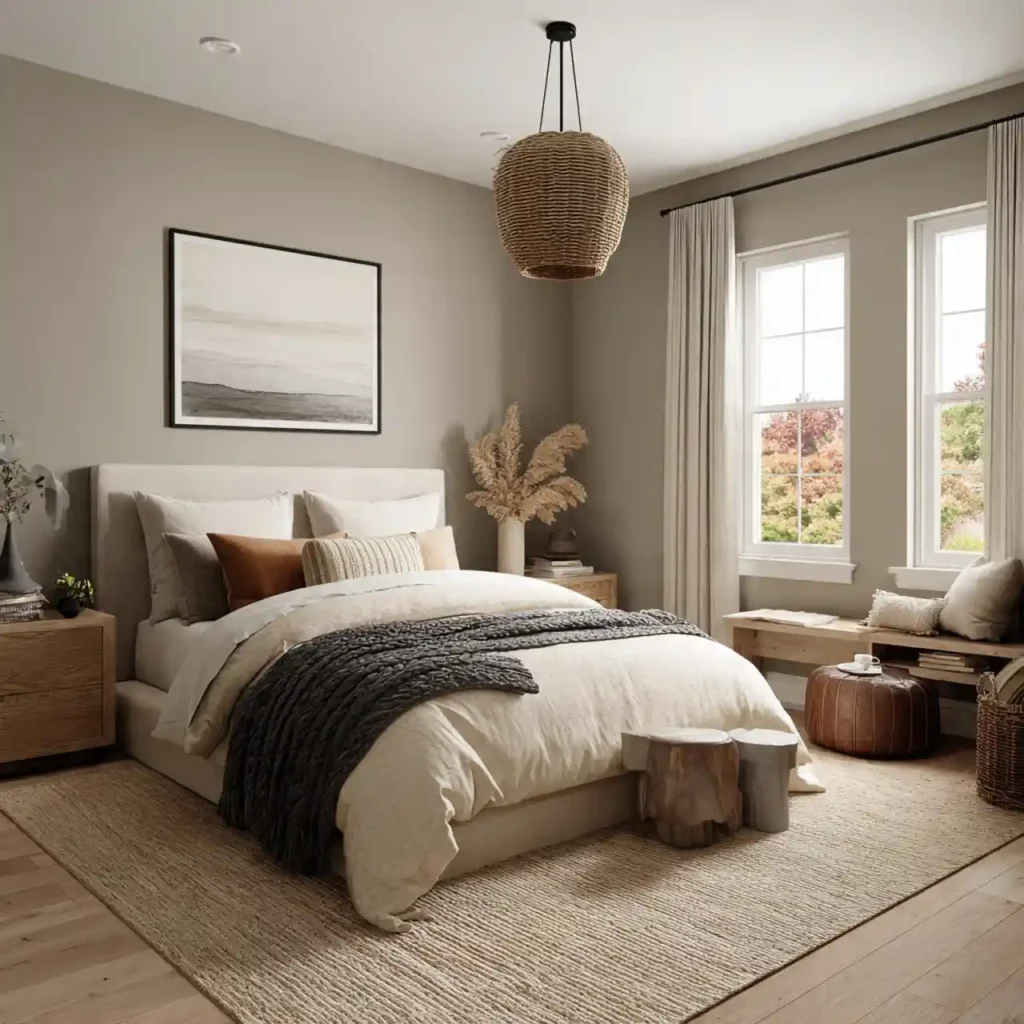
3. Upholstered Headboards for Visual Softness
Fabric headboards reduce sharp visual lines. They introduce texture without heaviness. The bed feels more inviting and restful. Upholstery also absorbs sound. This adds to the tranquil atmosphere.
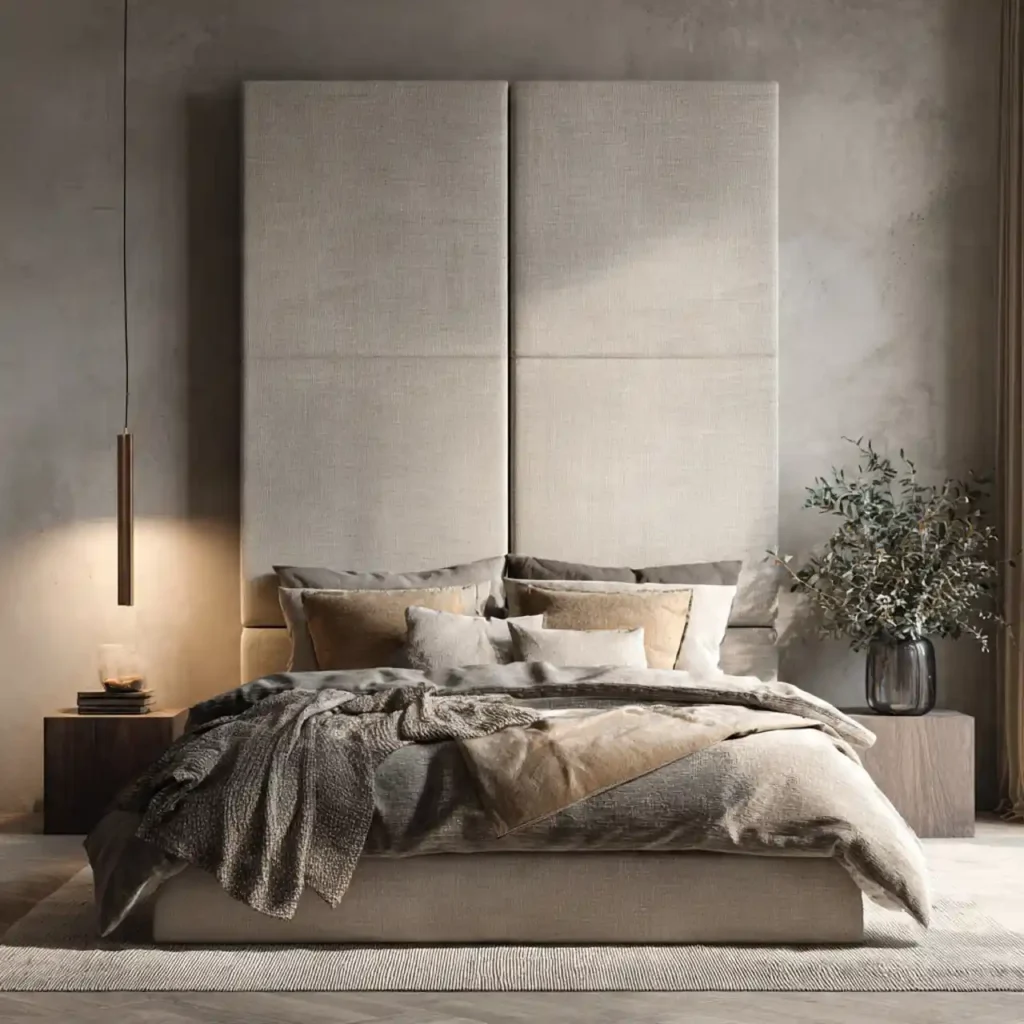
4. Evenly Distributed Lighting Sources
Instead of one bright light, multiple soft light sources are used. Bedside lamps, wall lights, and ambient glow balance illumination. Shadows remain gentle. The bedroom feels calm at all hours. Light supports rest, not stimulation.
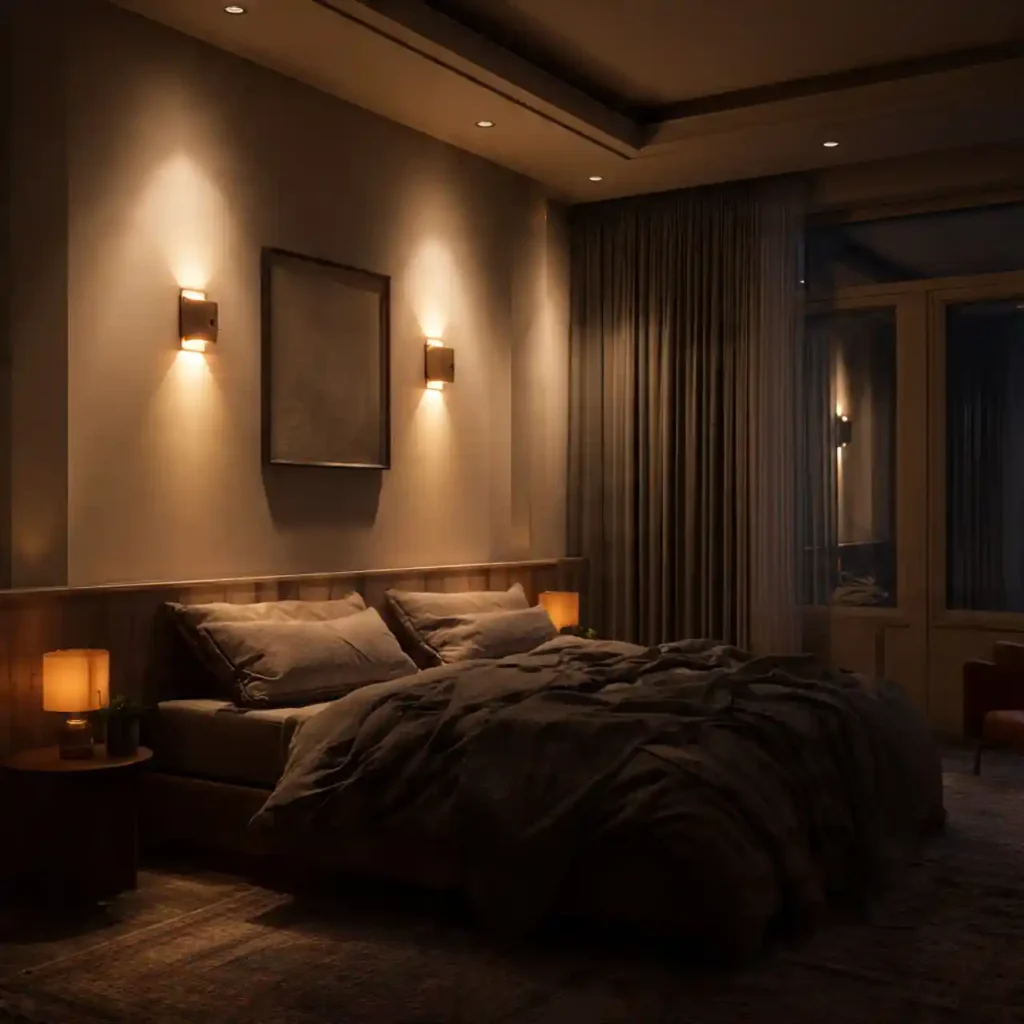
5. Furniture Scaled to the Room Size
Oversized furniture disrupts balance. Properly scaled pieces maintain proportion. The room feels open and comfortable. Movement remains smooth. Visual stress is avoided naturally.
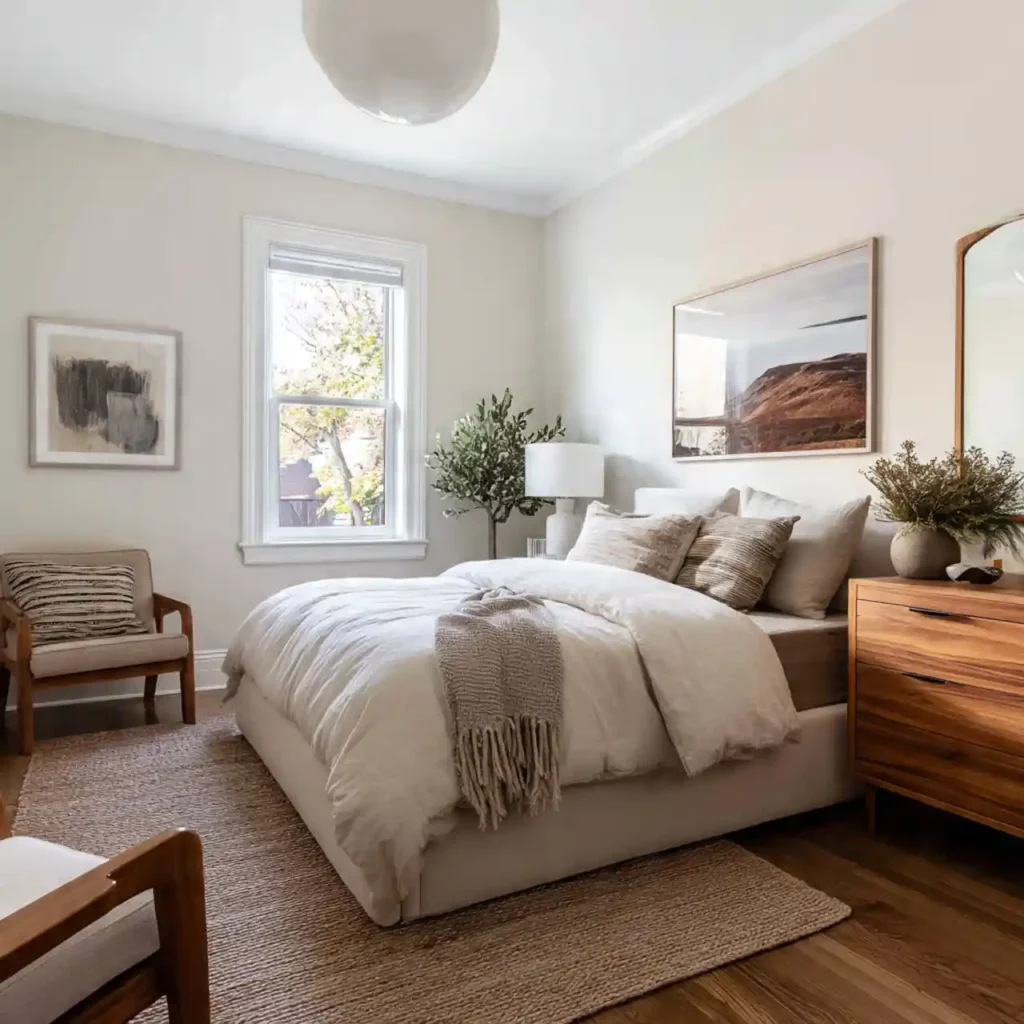
6. Symmetry Used with Restraint
Symmetry brings calm but is never forced. Matching nightstands or lamps subtly balance the bed area. The design feels intentional. Nothing appears rigid. Balance feels natural, not staged.
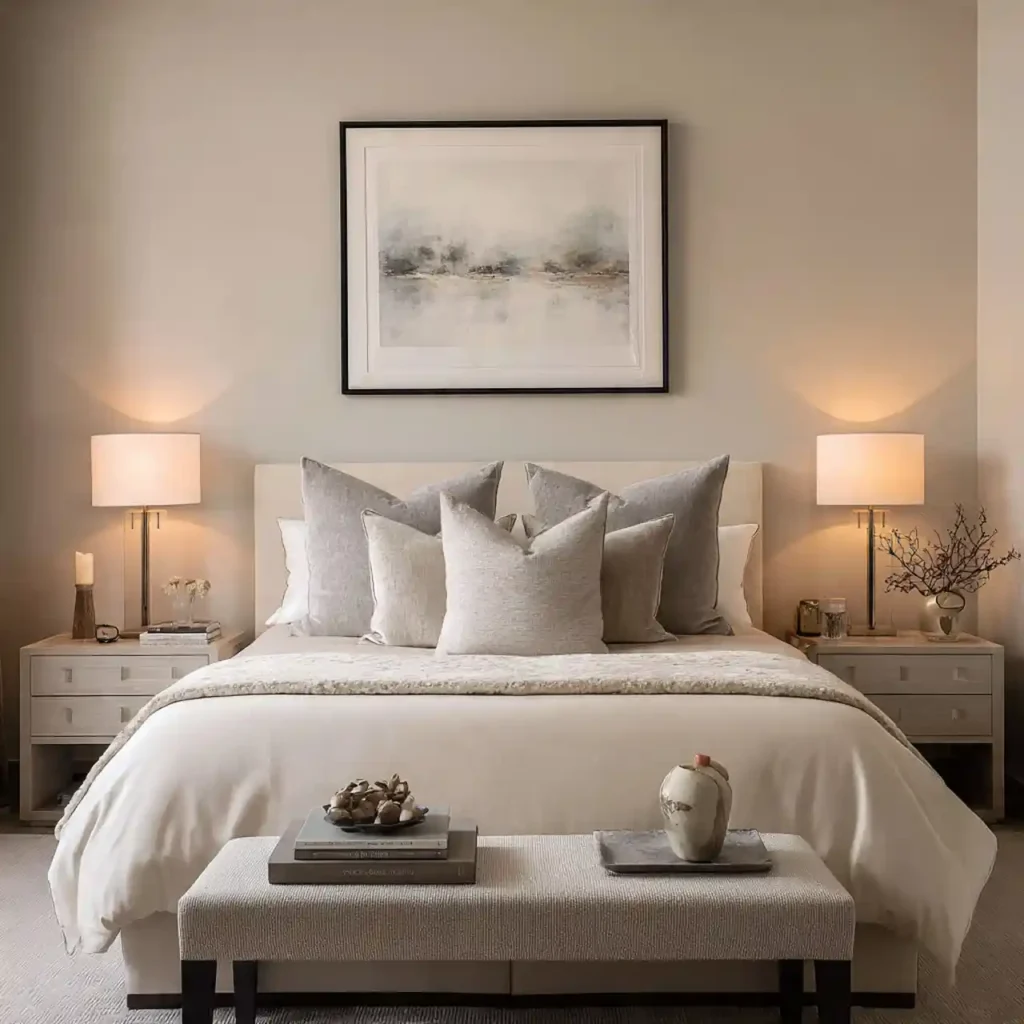
7. Layered Textiles with Similar Weight
Textiles are layered using similar visual weight. No fabric feels too heavy or too light. This creates cohesion. The bed looks soft and complete. Comfort is both visual and physical.

8. Matte Finishes Across Surfaces
Matte finishes reduce glare and harsh reflections. Furniture feels calm to the eye. Light spreads evenly. Visual noise disappears. The room feels refined and balanced.
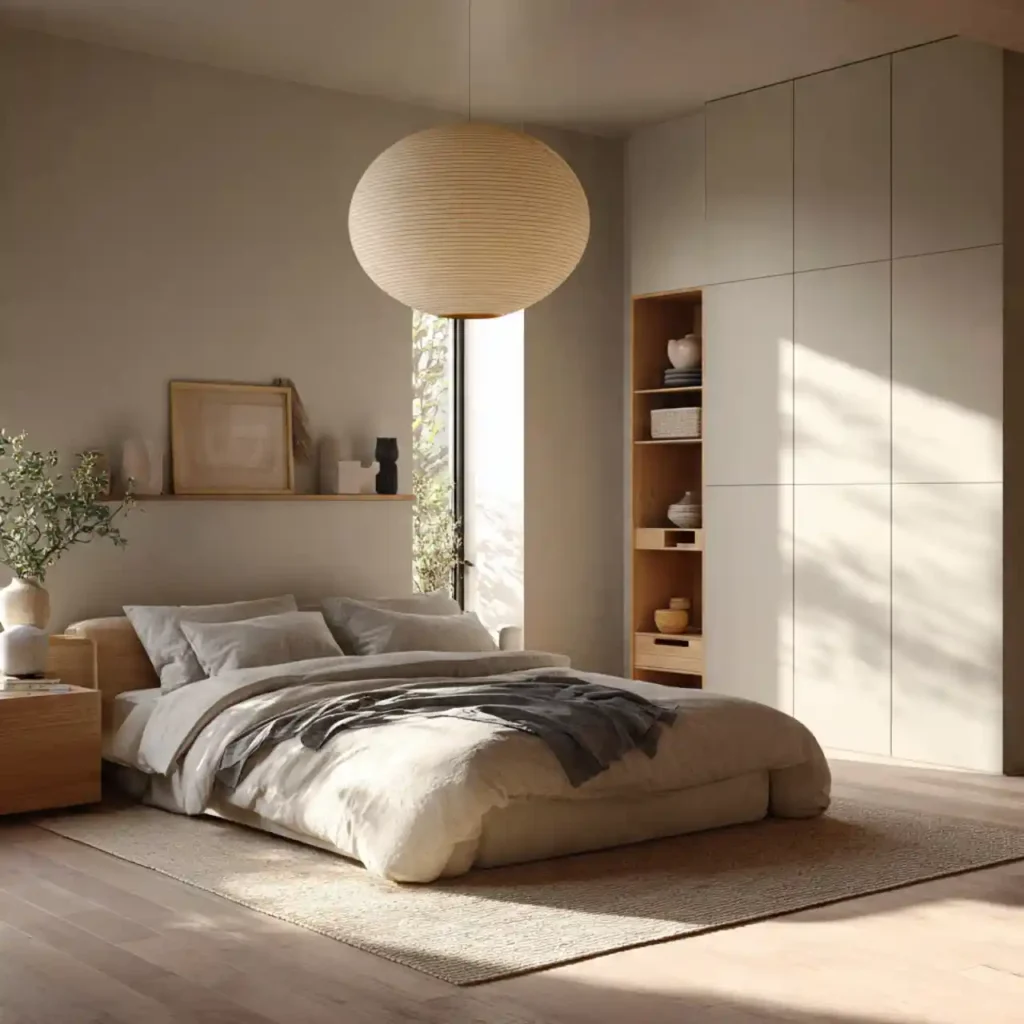
9. Clear Space Around the Bed
Open space around the bed improves flow. The room feels breathable. Furniture does not crowd the sleeping area. Calm increases through openness. Balance is reinforced spatially.
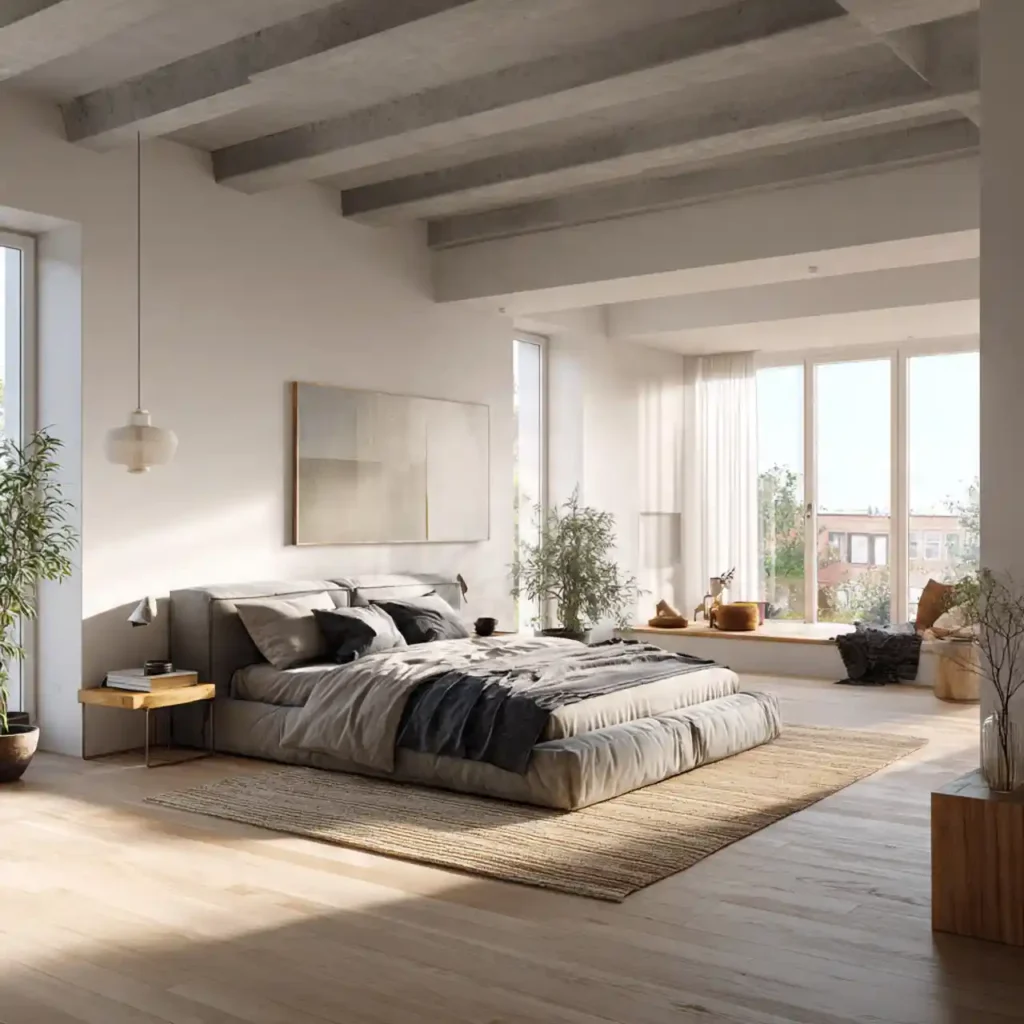
10. Soft Curtains that Frame Light
Curtains frame windows without dominating them. Light filters gently into the room. Fabric movement adds softness. Windows feel part of the design. Balance between light and privacy is achieved.
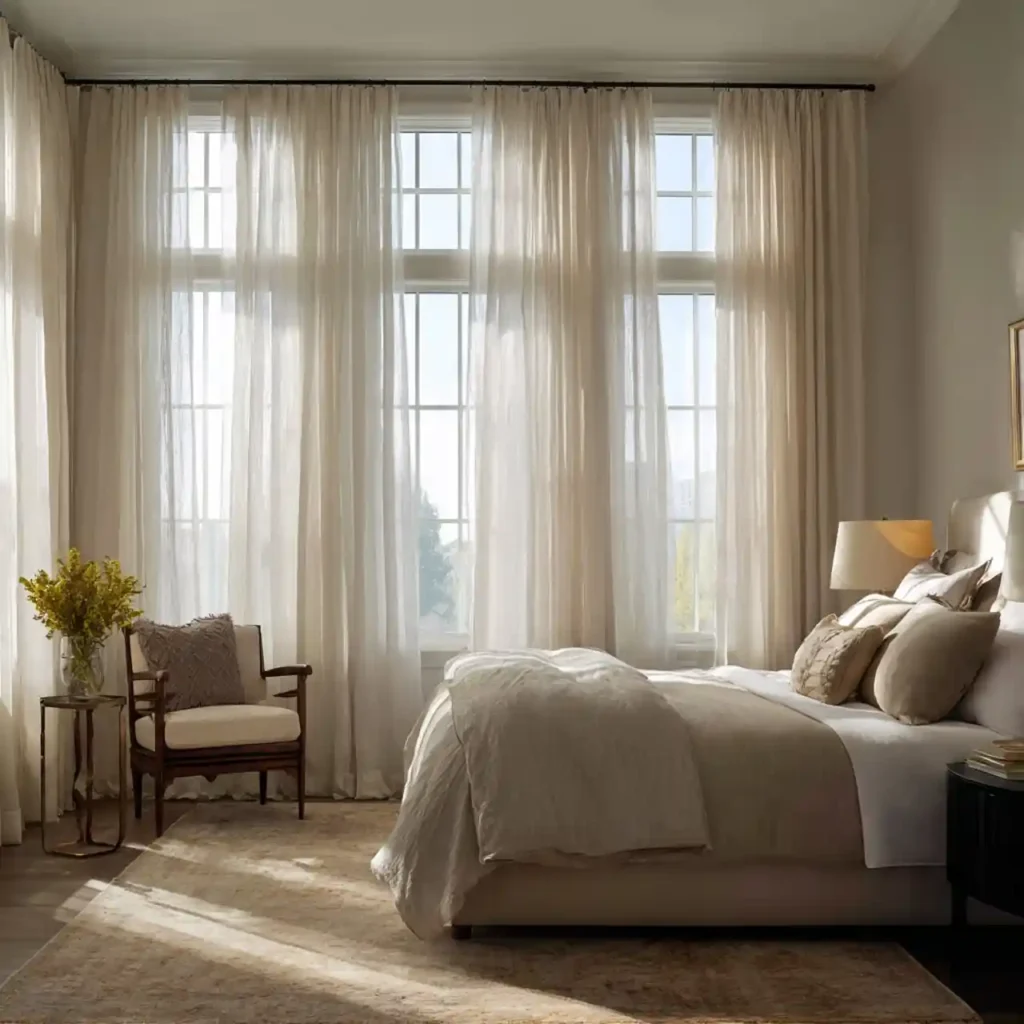
11. Minimal Decor with Even Distribution
Decor is kept minimal and spread thoughtfully. No corner feels heavier than another. Surfaces remain mostly clear. The eye moves easily around the room. Calmness is preserved.
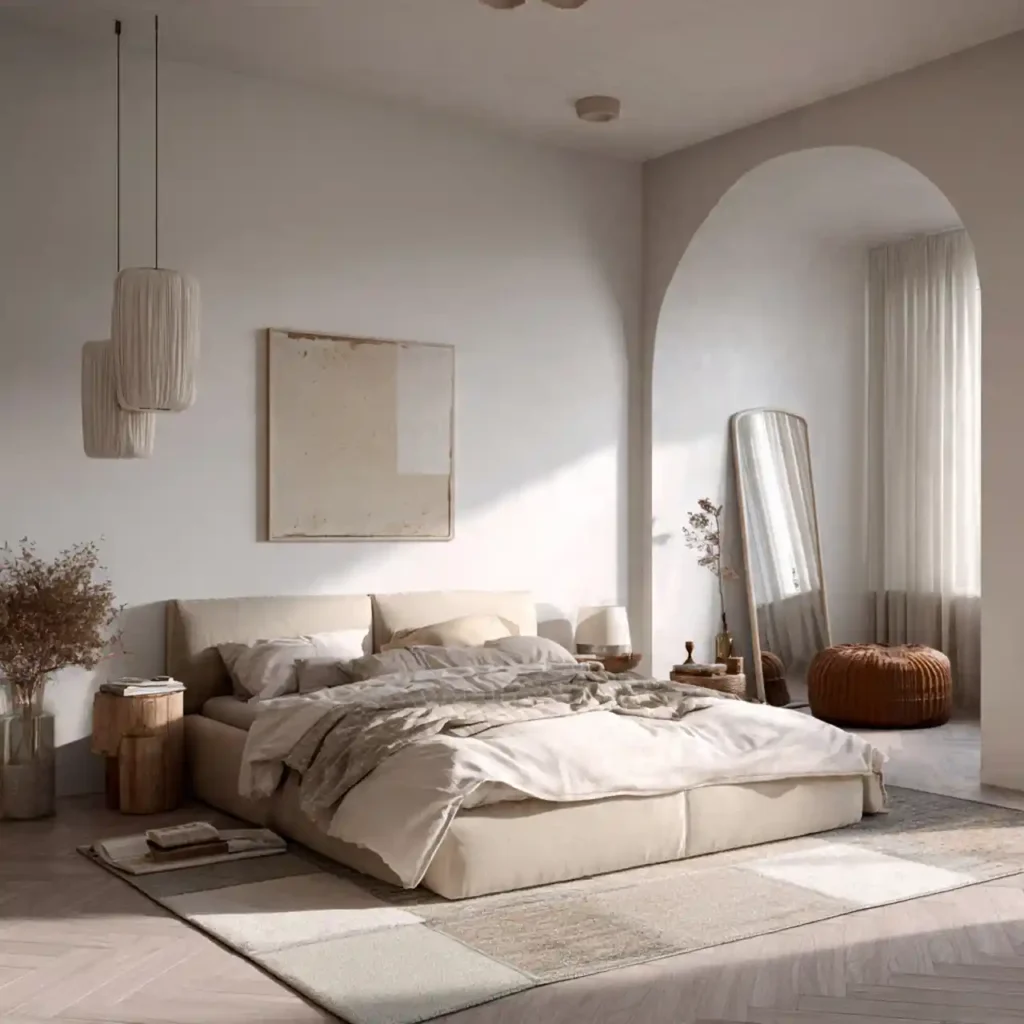
12. Natural Wood Used in Moderation
Wood elements add warmth when used sparingly. Too much can feel heavy. Balanced use keeps the room grounded. Texture adds depth without distraction. Nature supports tranquility.
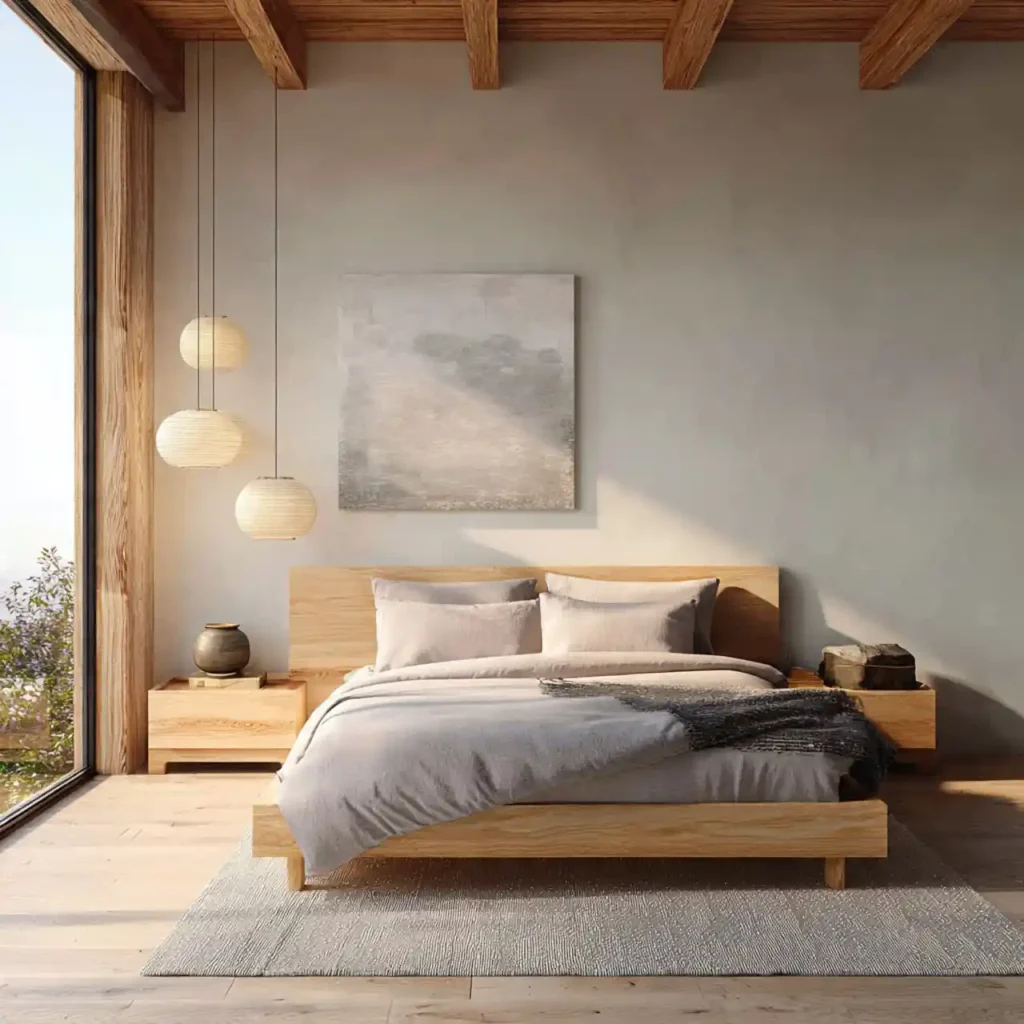
13. Soft Rugs that Anchor the Bed
A rug under the bed grounds the layout. It adds warmth and comfort. The sleeping zone feels defined. Hard floors soften emotionally. Balance improves visually.
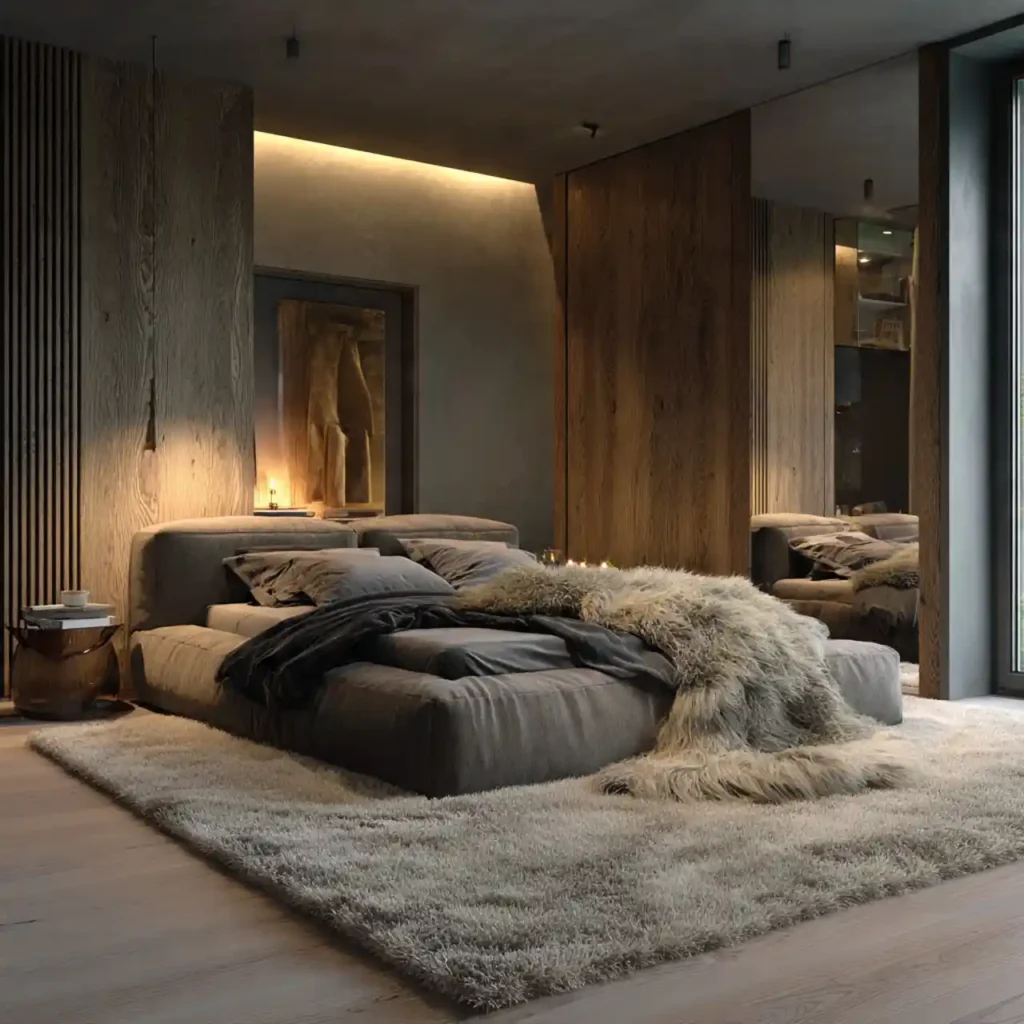
14. Artwork That Supports Calm
Artwork remains subtle and emotionally gentle. One piece is often enough. Loud visuals are avoided. The bedroom remains peaceful. Art enhances mood, not attention.
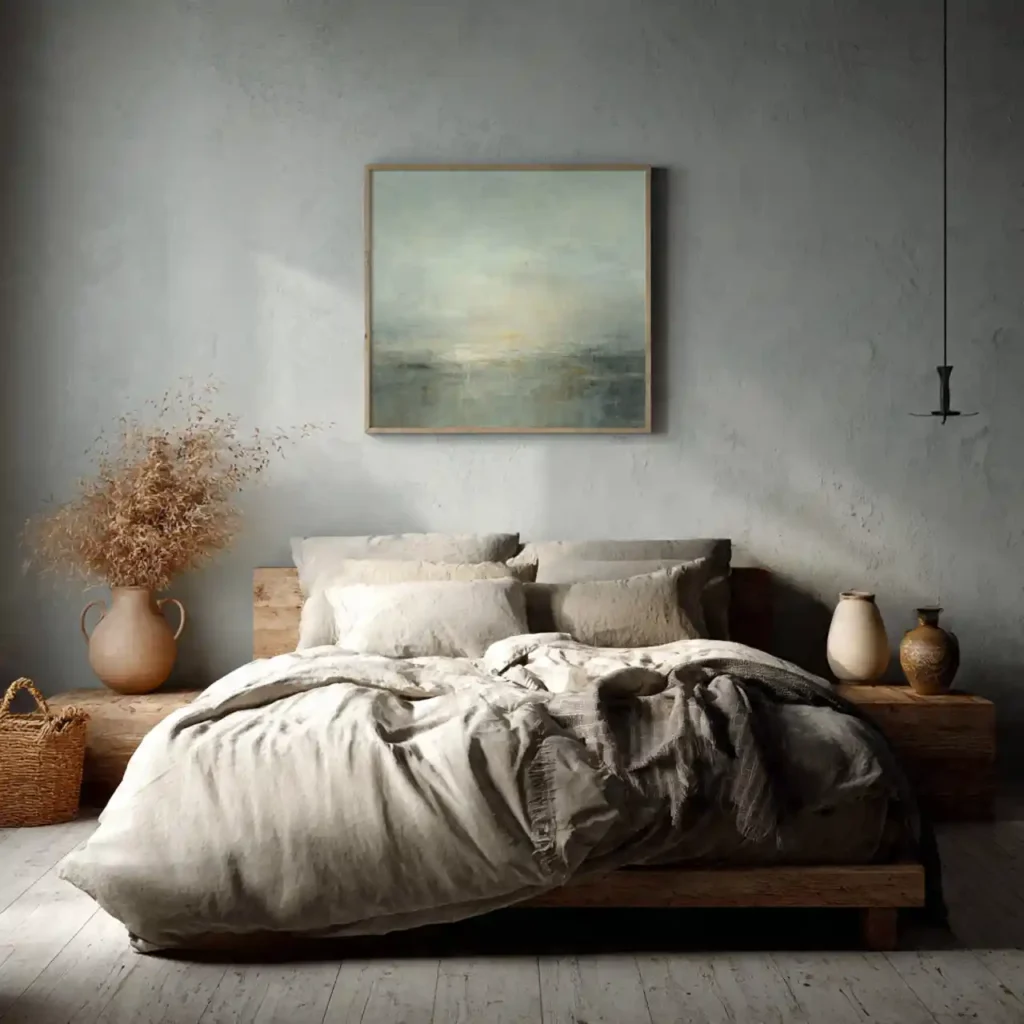
15. Rounded Furniture Edges
Curved edges soften visual flow. Sharp corners are reduced. Movement feels gentle. The room becomes more welcoming. Balance feels human and natural.
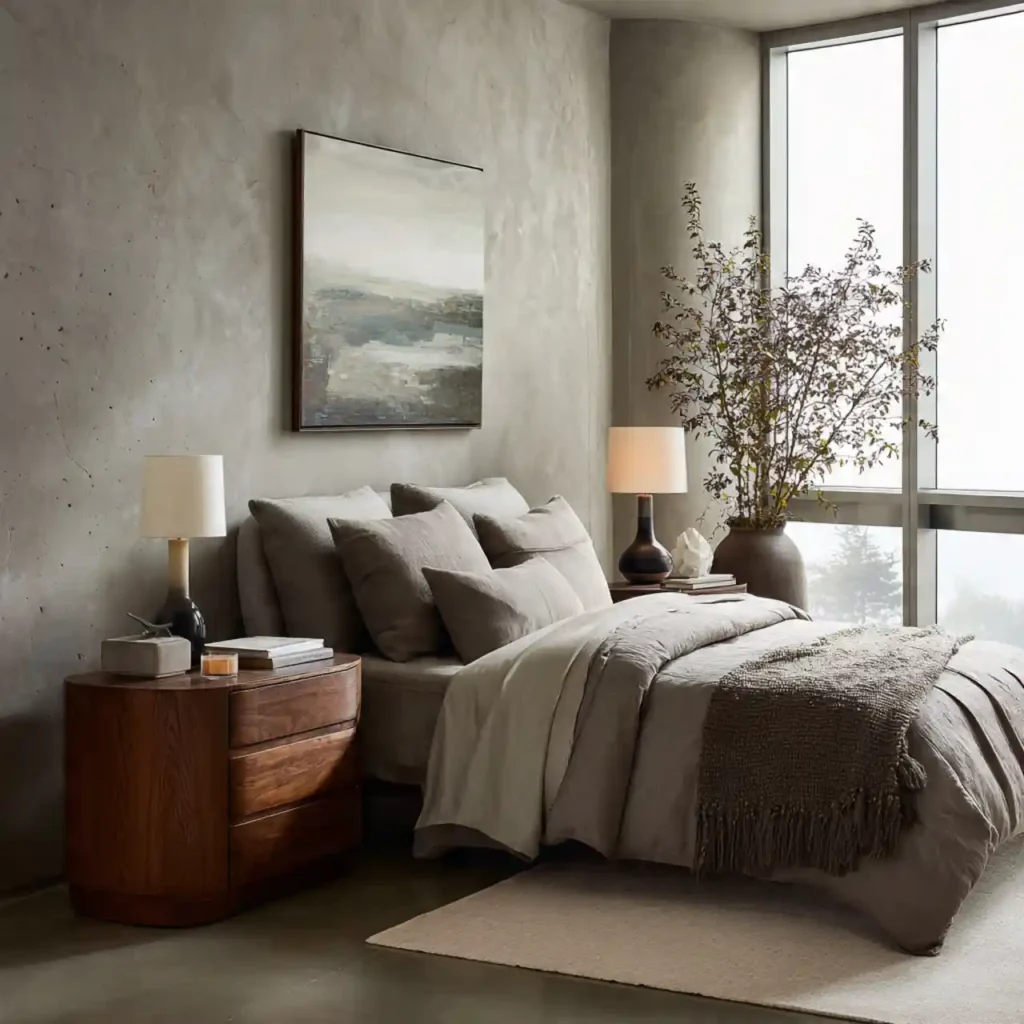
16. Storage Integrated Seamlessly
Storage blends into walls or furniture. Visual clutter disappears. The room stays clean. Function exists quietly. Balance is protected daily.

17. Consistent Material Palette
Repeating materials creates cohesion. Wood, fabric, and finishes echo each other. Nothing feels out of place. The bedroom feels unified. Balance strengthens through repetition.
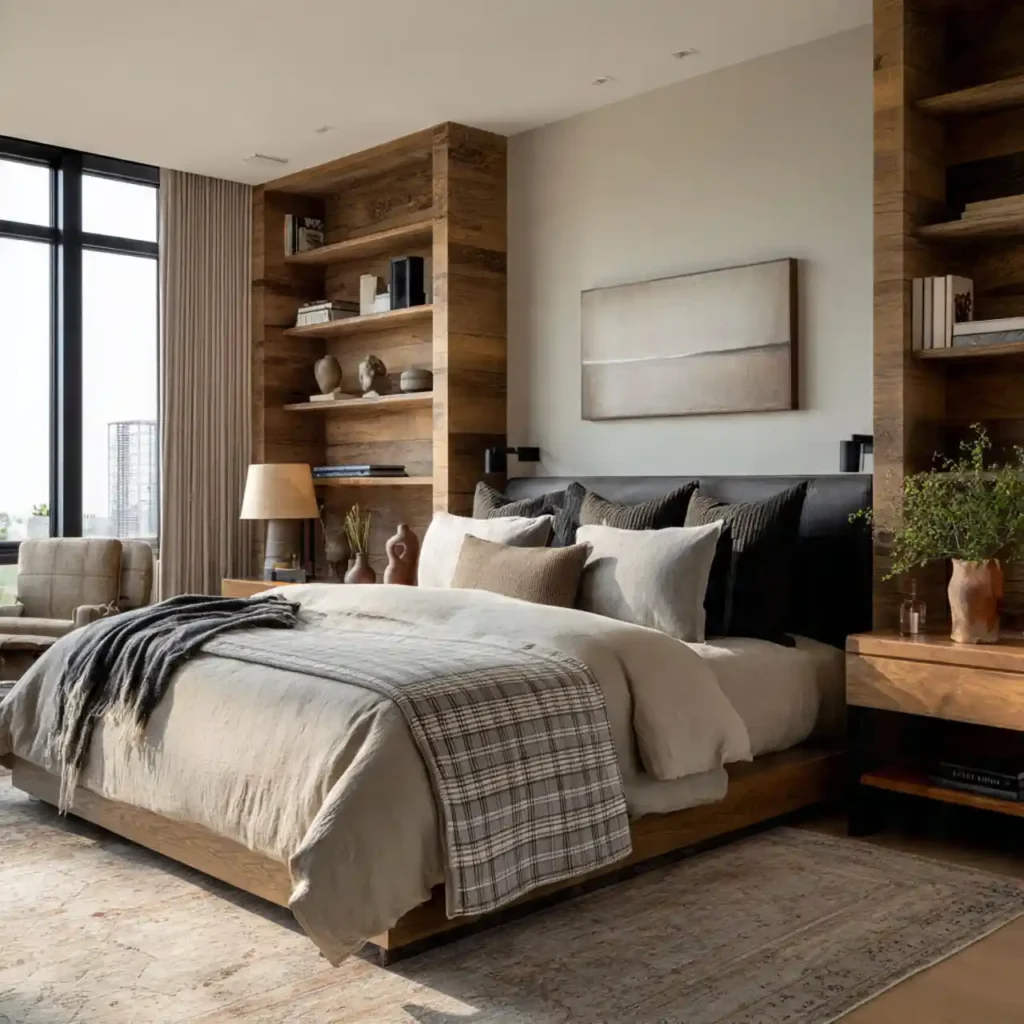
18. Neutral Bedding Without Patterns
Pattern-free bedding calms the eye. Texture replaces visual noise. The bed feels peaceful. Styling feels effortless. Balance remains uninterrupted.
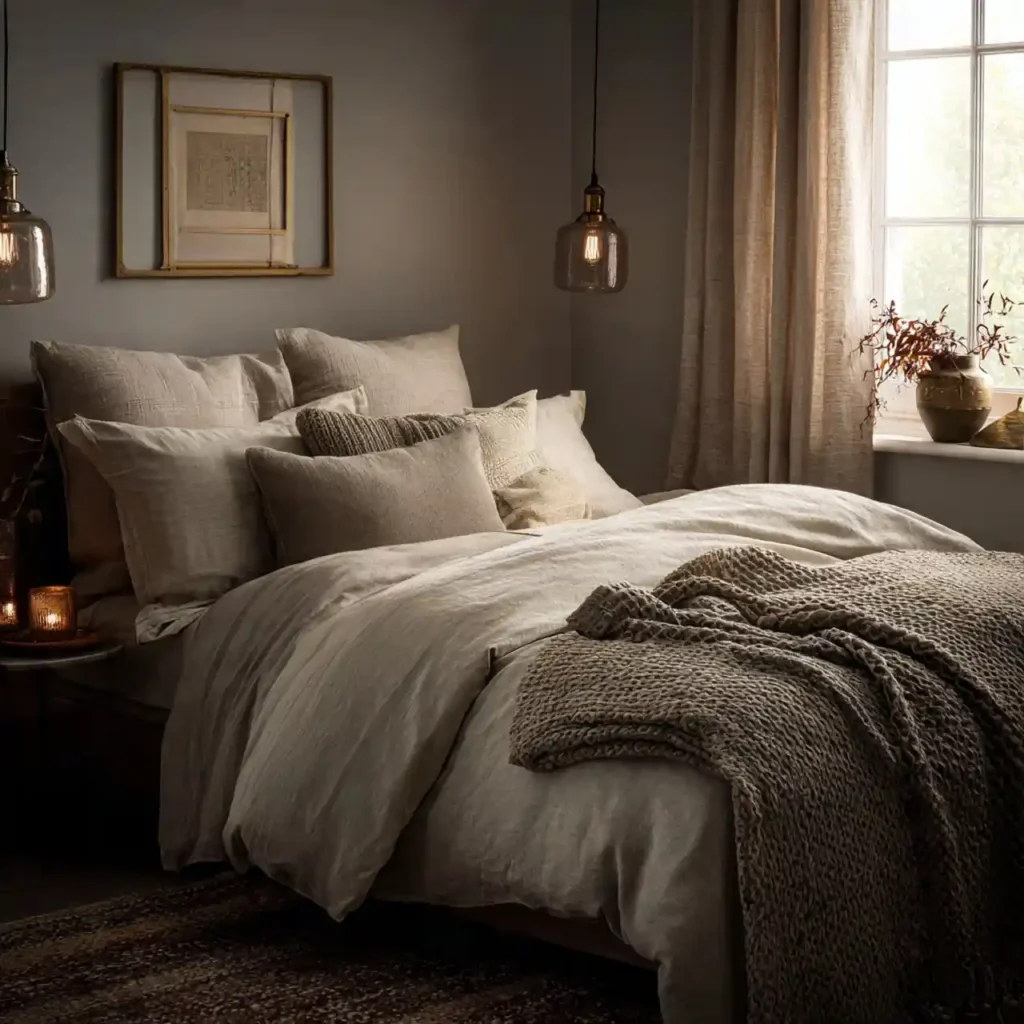
19. Soft Lighting Near the Bed
Bedside lighting is warm and indirect. Harsh brightness is avoided. Evenings feel relaxing. The bedroom supports winding down. Emotional balance improves.

20. Calm Ceiling Design
Ceilings remain simple and uncluttered. Recessed lighting keeps focus low. The room feels taller. Visual balance is maintained. Nothing distracts upward.
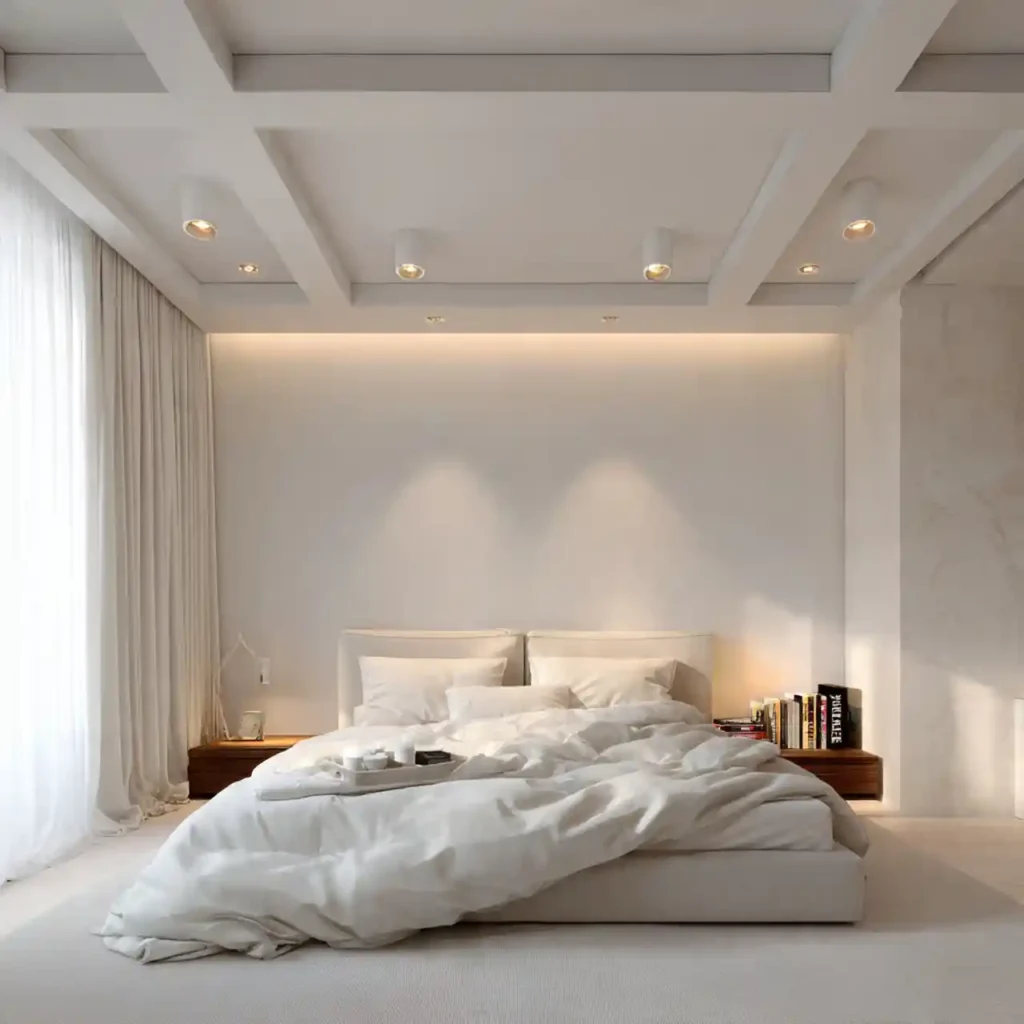
21. Gentle Color Transitions
Walls, floors, and furniture blend smoothly. No sharp contrast interrupts the eye. The room feels fluid. Calm deepens through continuity. Balance feels seamless.
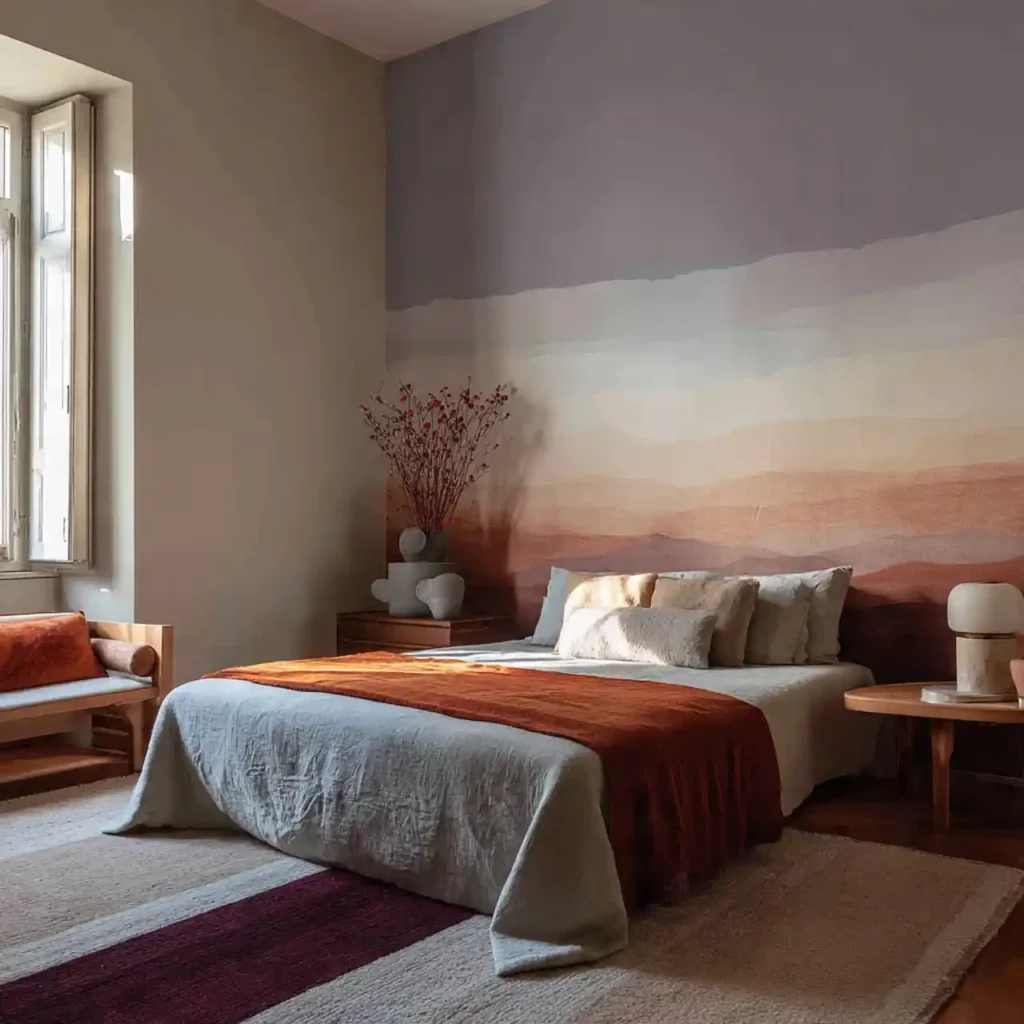
22. Limited Contrast Used Intentionally
Contrast appears only where needed. It defines form without overpowering. The room remains soft. Visual hierarchy stays clear. Balance is controlled.
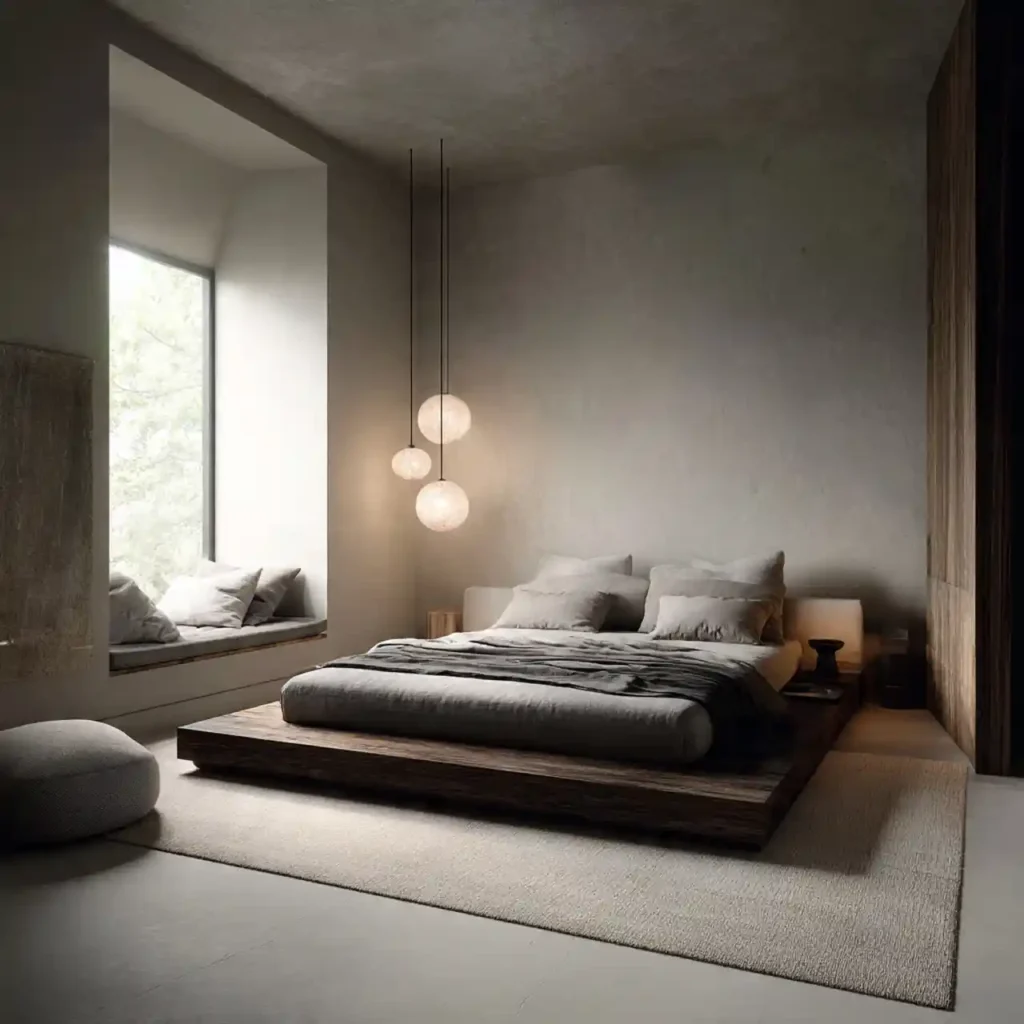
23. Space Left Intentionally Empty
Empty space allows rest for the eye. Not every corner needs filling. Confidence shows in restraint. Calm grows through simplicity. Balance feels mature.
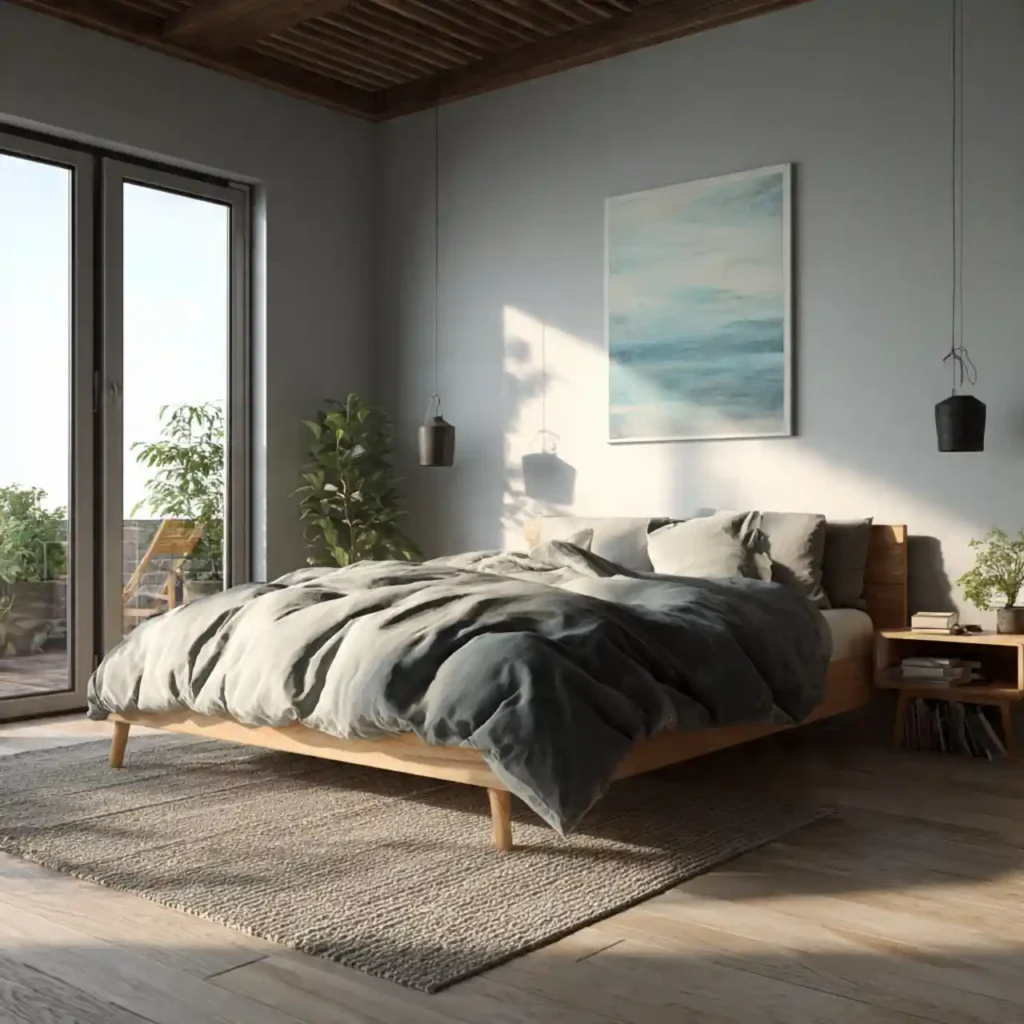
24. Timeless Layout Over Trends
Furniture placement prioritizes comfort. Trends are ignored. The room remains relevant over time. Balance ages gracefully. Longevity defines beauty.

25. Design Focused on Emotional Ease
Every choice supports peace. Nothing feels forced. The bedroom becomes a refuge. Balance is emotional, not decorative. Tranquility defines the space.
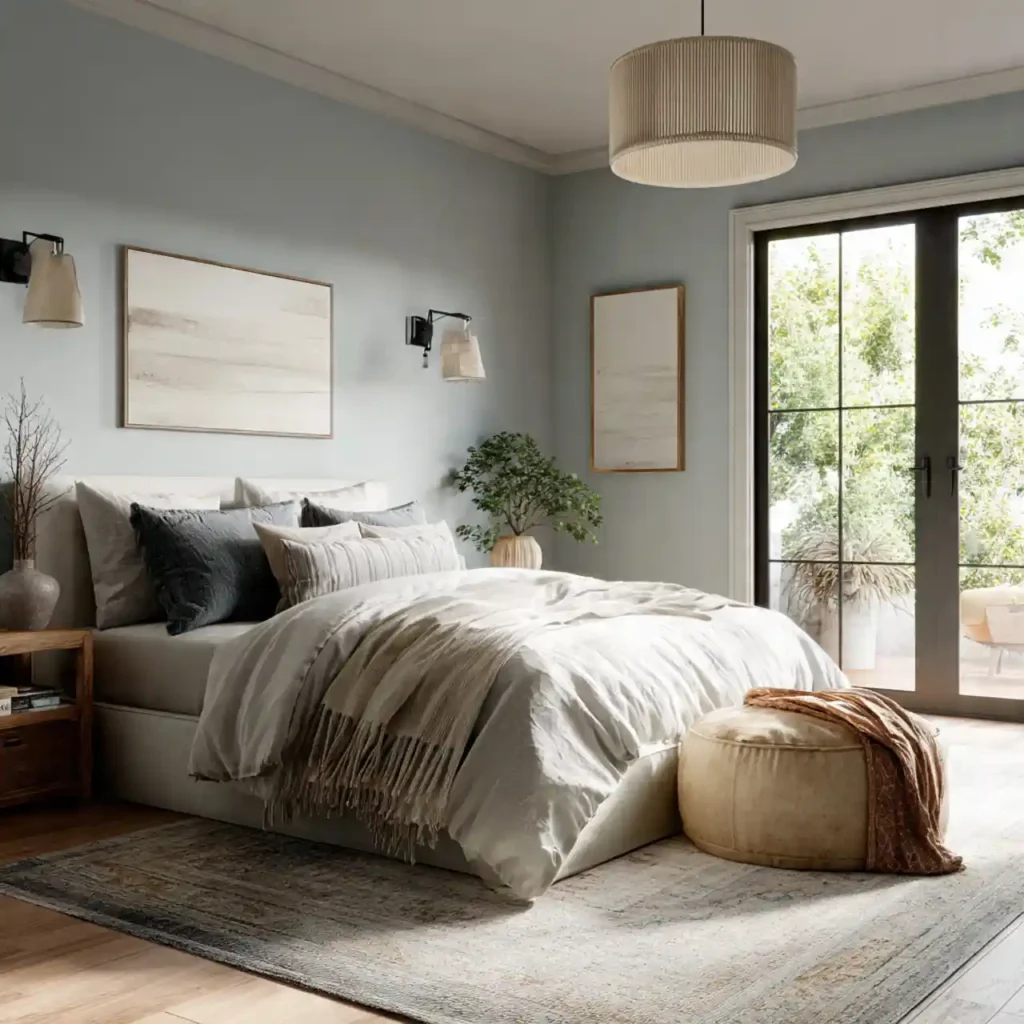
Final Thoughts: Tranquil Bedroom Styling Ideas
A beautifully balanced bedroom is one where calm feels effortless. When softness, proportion, and restraint guide design, the space naturally supports rest and emotional well-being. True tranquility comes from harmony not excess. This collection of tranquil bedroom styling ideas focuses on harmony, proportion, and gentle visual flow. Each idea is designed to help create a space that feels peaceful the moment you walk in where nothing feels heavy, sharp, or overwhelming.