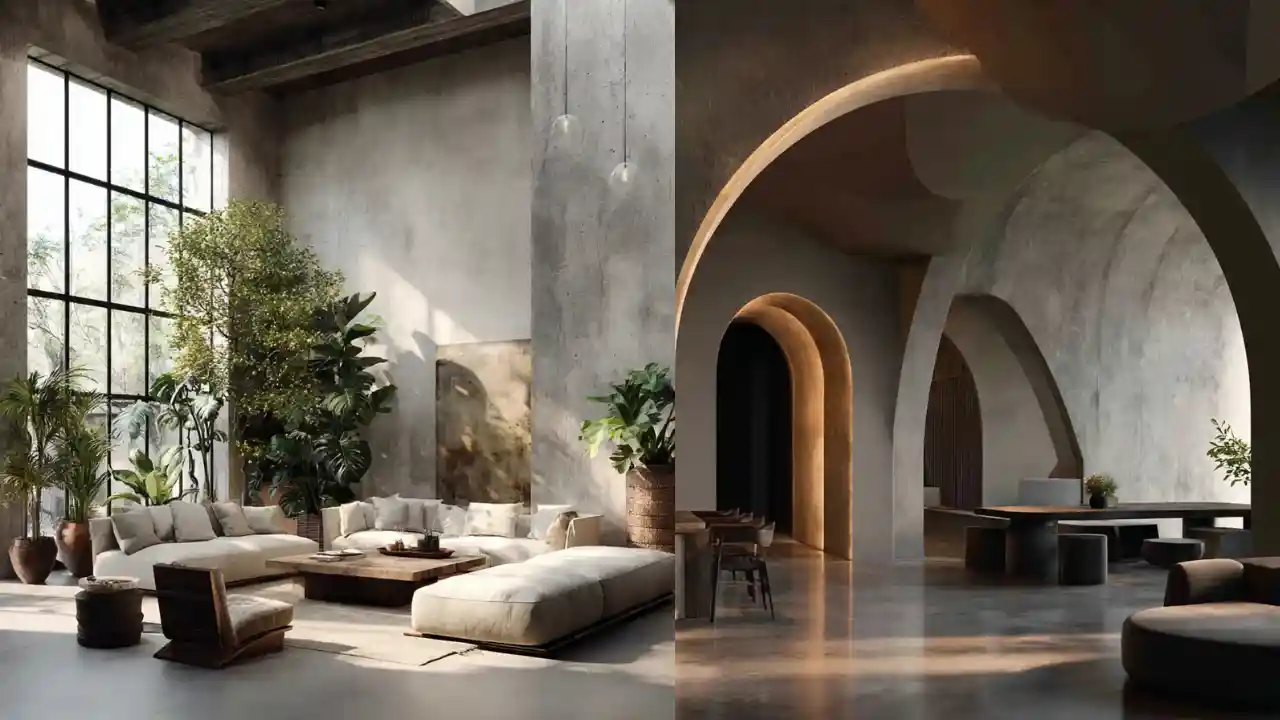
Soft Brutalism Interiors: 20 Bold Yet Livable Design Ideas for Modern Homes
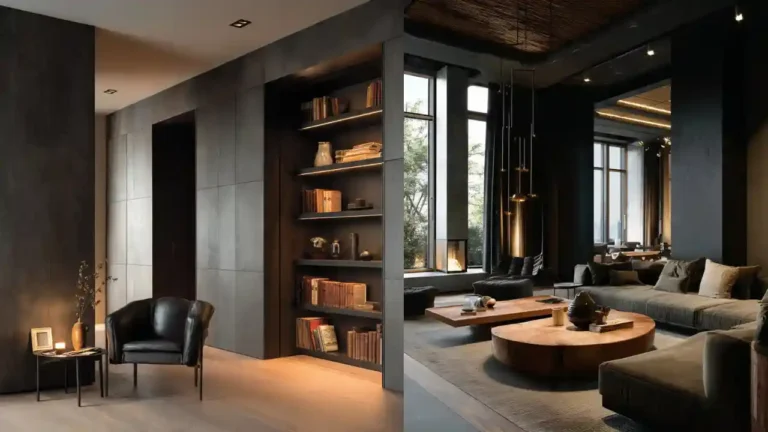
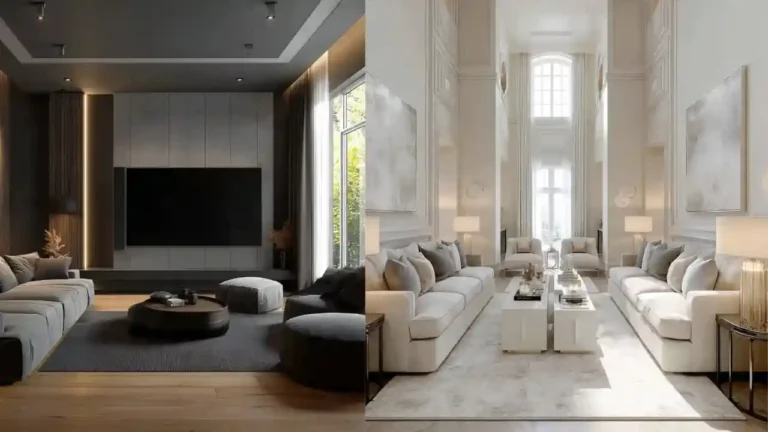
Soft Brutalism interiors are redefining how modern homes strike a balance between strength and comfort. Unlike traditional brutalism, which is often associated with cold concrete and harsh lines, soft brutalism blends raw architectural elements with warmth, texture, and livability. This design approach is gaining popularity in the US and UK, particularly among homeowners who value bold aesthetics without compromising comfort.
By combining sculptural forms, muted palettes, and refined materials, soft brutalism creates interiors that feel both powerful and welcoming. In this blog, we explore 20 carefully curated soft brutalism interior ideas by The Home Vista, each designed to help you create a modern, expressive, and livable space that feels timeless rather than trendy.
1. Exposed Concrete Walls with Warm Undertones
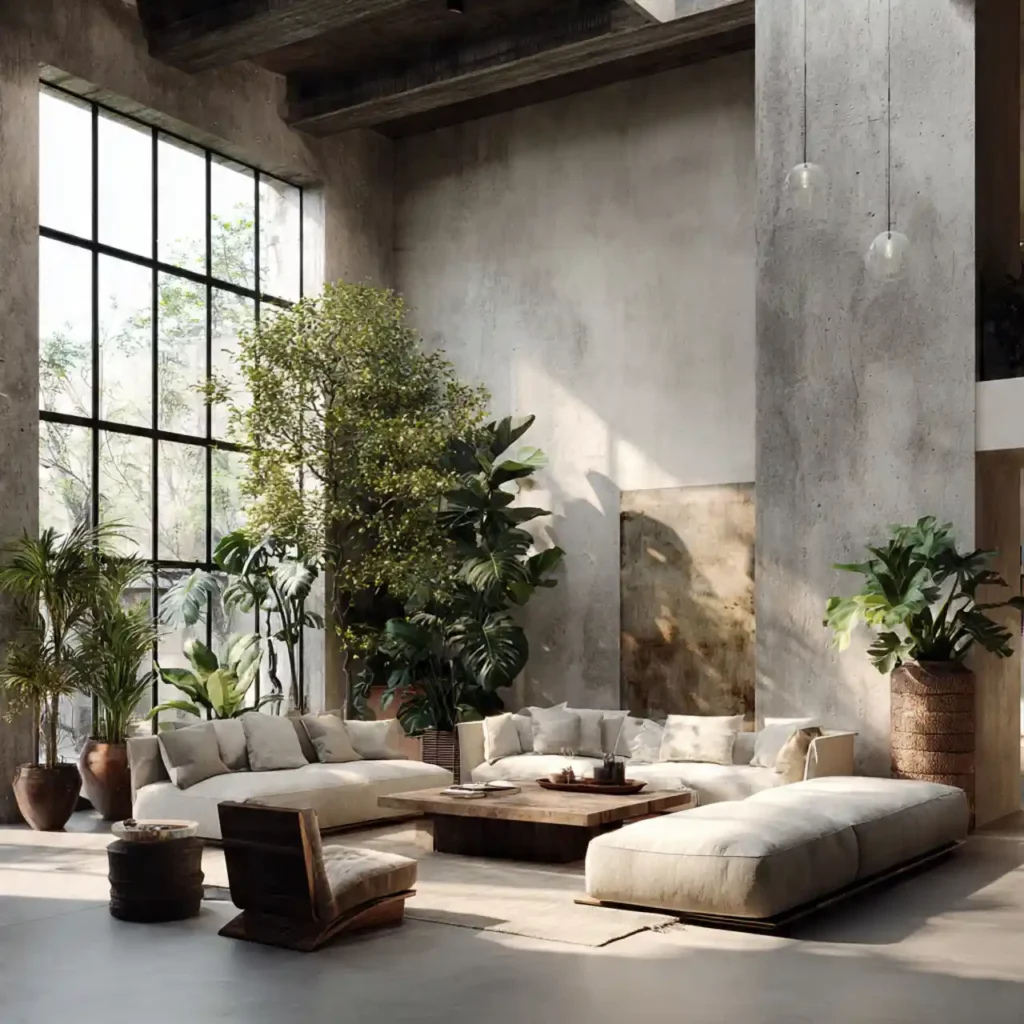
Exposed concrete walls are the foundation of soft brutalism, but the key lies in choosing finishes with warmer undertones. Instead of cold gray concrete, opt for slightly beige or taupe-infused surfaces. These tones soften the industrial look while maintaining architectural strength. Pairing concrete walls with warm lighting further enhances comfort. This approach keeps the space visually bold yet emotionally inviting.
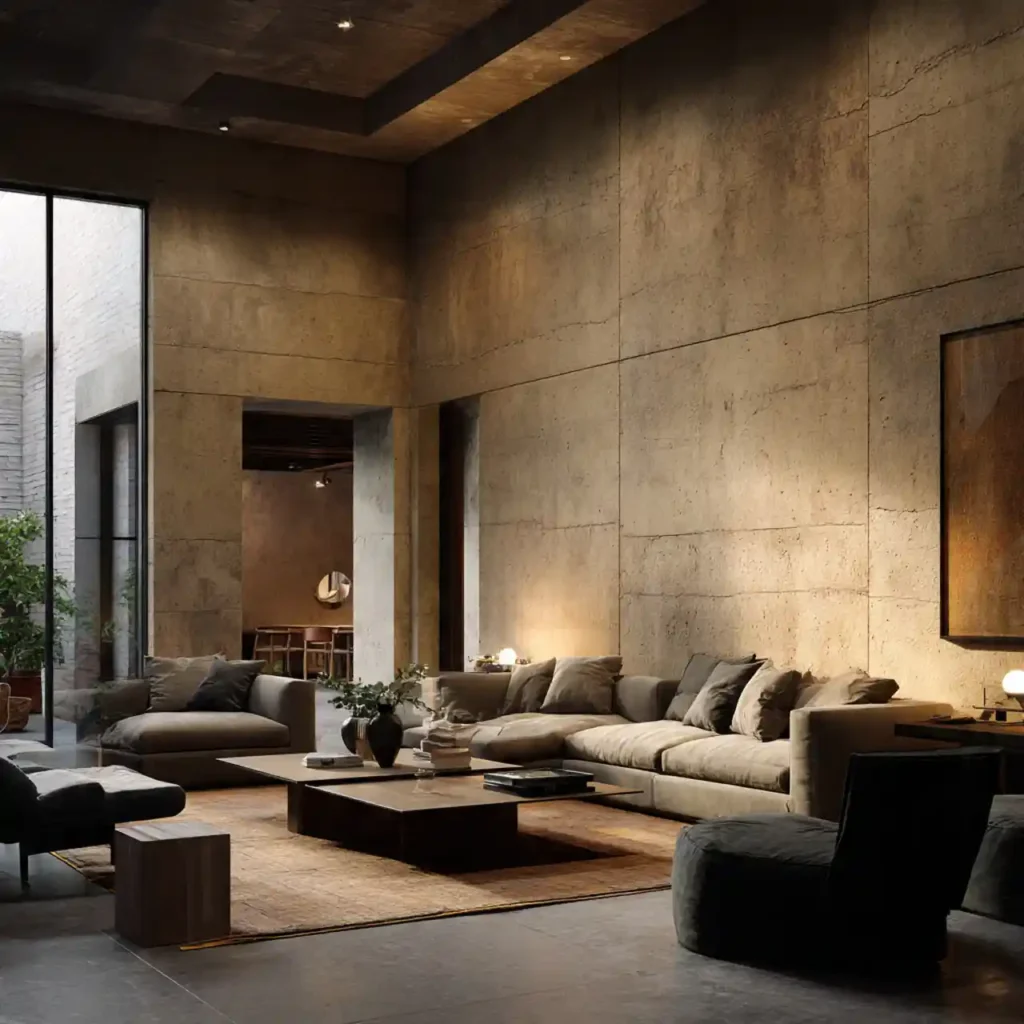
2. Sculptural Furniture with Rounded Edges
Soft brutalism favors furniture that feels architectural but not aggressive. Rounded sofas, curved lounge chairs, and oval coffee tables help counterbalance rigid structures. These shapes add a sense of flow and comfort to the room. Upholstery in textured fabrics like bouclé or wool enhances softness. The result is a harmonious mix of strength and elegance.
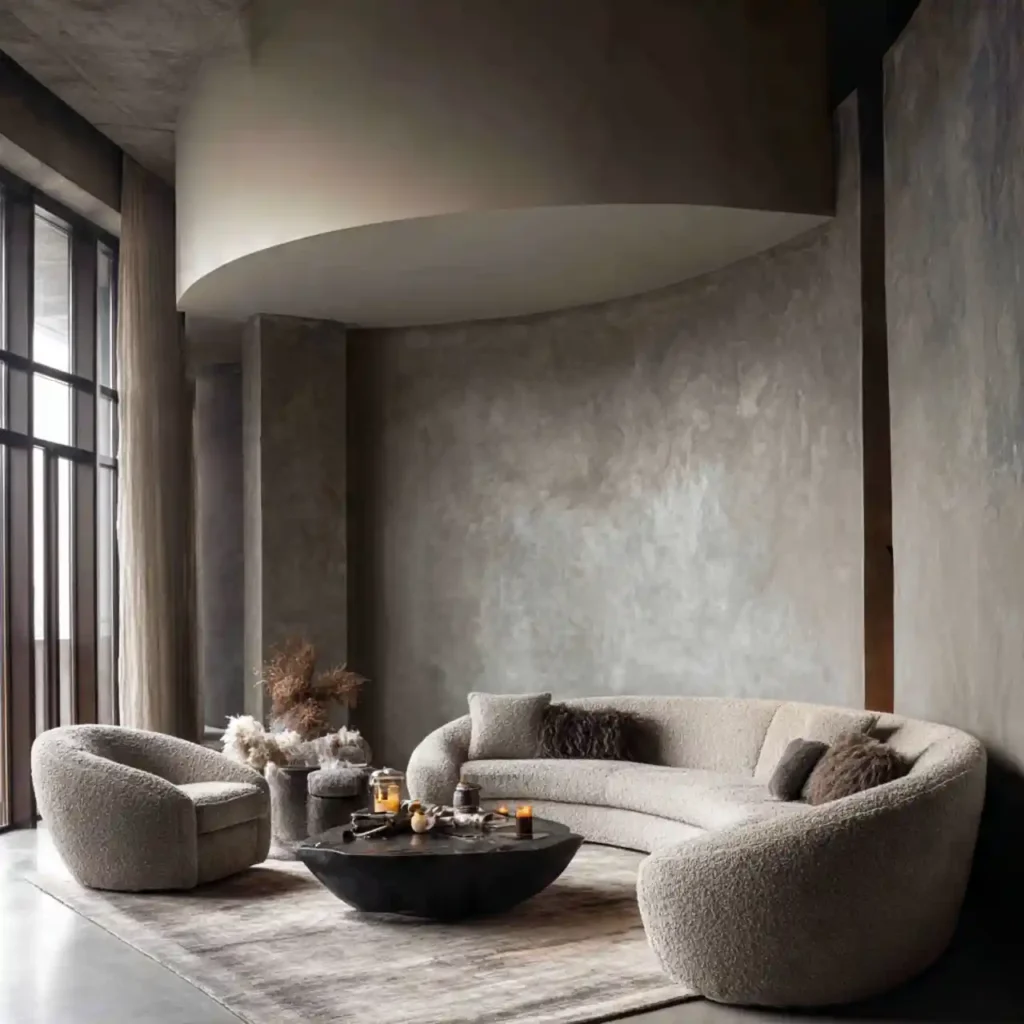
3. Muted Neutral Color Palettes
A muted color palette is essential in soft brutalist interiors. Shades like warm gray, stone, clay, and soft beige dominate the space. These colors allow architectural elements to stand out without overwhelming the senses. Neutral tones also create a calming environment suitable for everyday living. Subtle contrast can be added through darker accents.
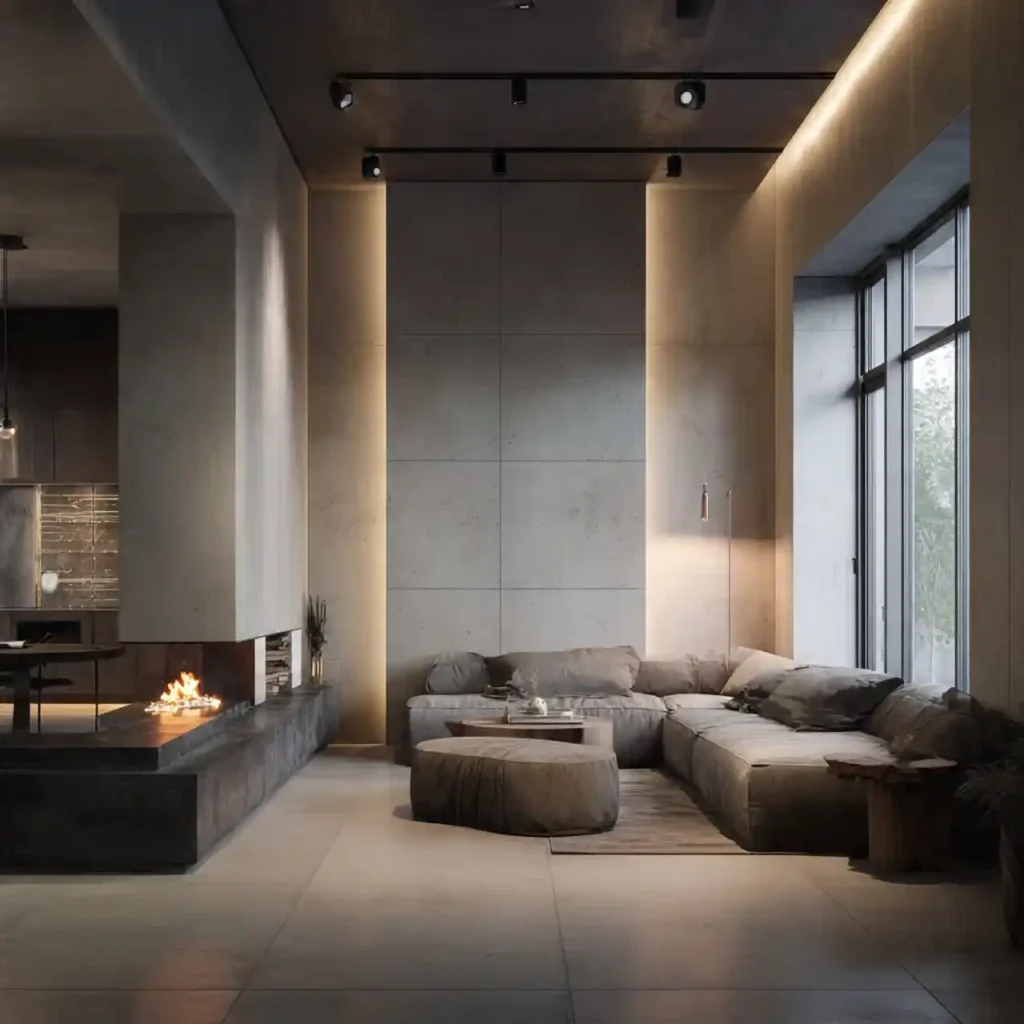
4. Statement Lighting as Functional Art
Lighting in soft brutalism is both practical and sculptural. Oversized pendant lights, linear fixtures, and geometric floor lamps act as design statements. Materials such as plaster, metal, or frosted glass enhance the architectural feel. Warm light temperatures prevent the space from feeling stark. Well-placed lighting adds depth and dimension.
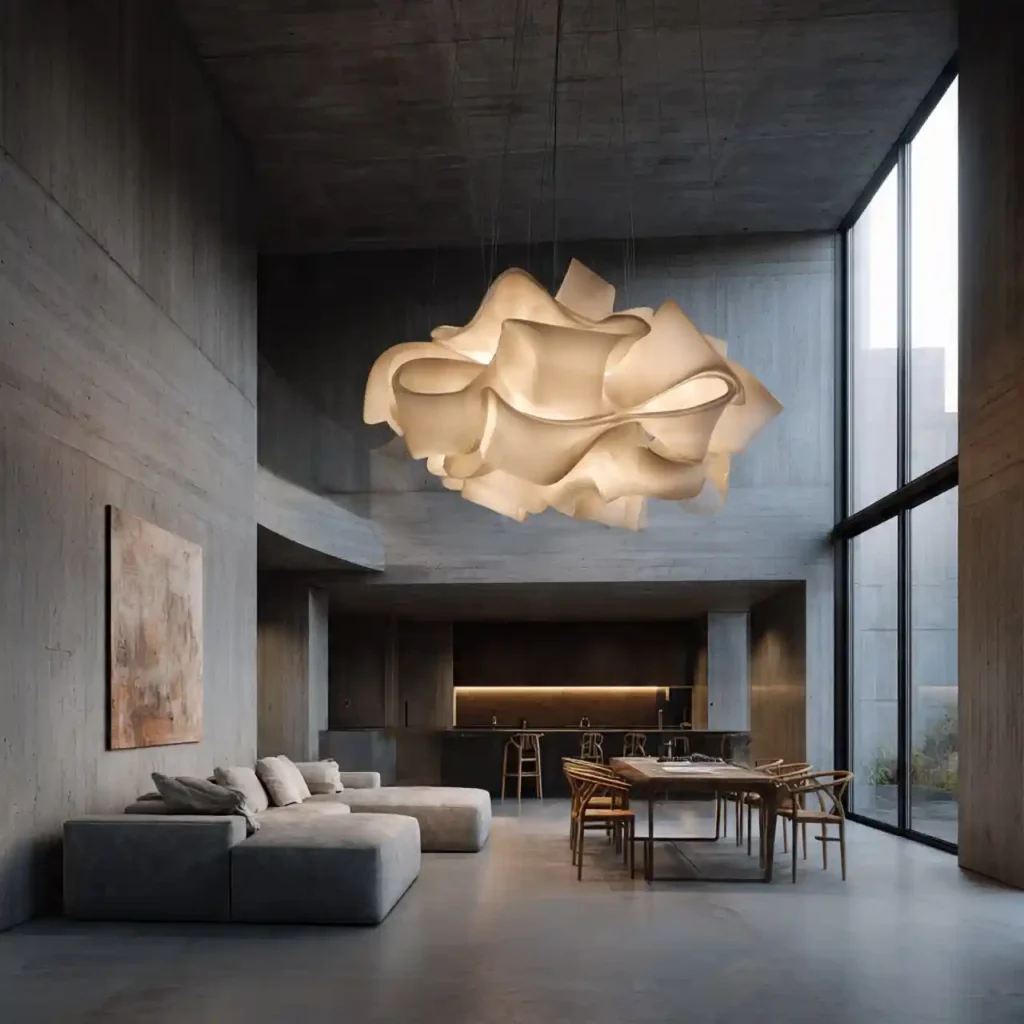
5. Textured Walls Using Limewash or Plaster
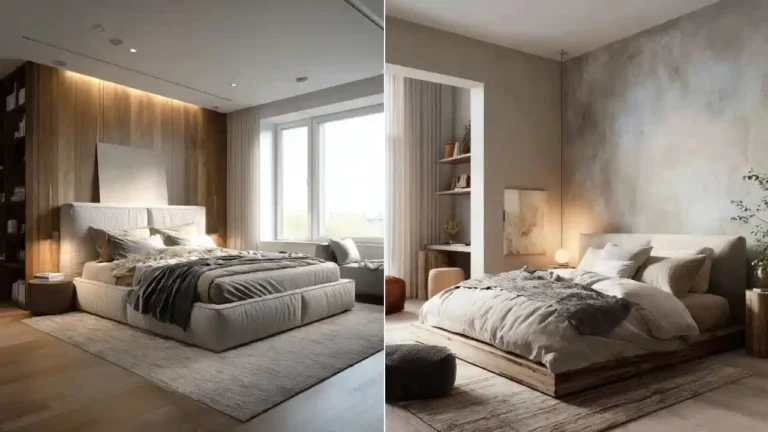
Instead of flat paint, textured wall finishes bring life to brutalist surfaces. Limewash and Venetian plaster add subtle movement and depth. These finishes reflect light softly, creating visual warmth. Textured walls feel more handcrafted and organic. They are perfect for adding character without clutter.
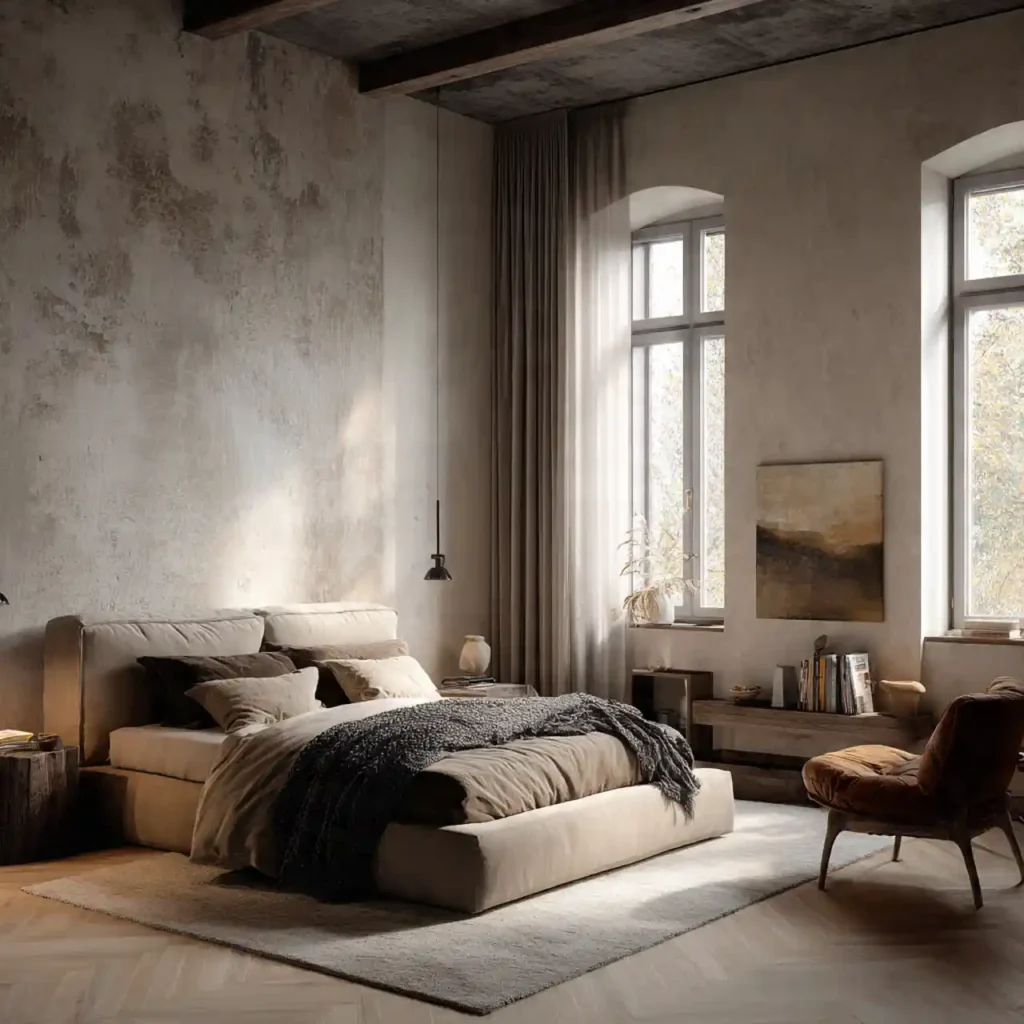
6. Natural Wood to Balance Raw Materials
Wood is a key softening element in brutalist interiors. Light to medium-toned woods work best to balance concrete and stone. Wooden cabinetry, ceiling beams, or furniture pieces introduce warmth. Natural grain patterns add visual interest. This contrast makes the space feel grounded and livable.
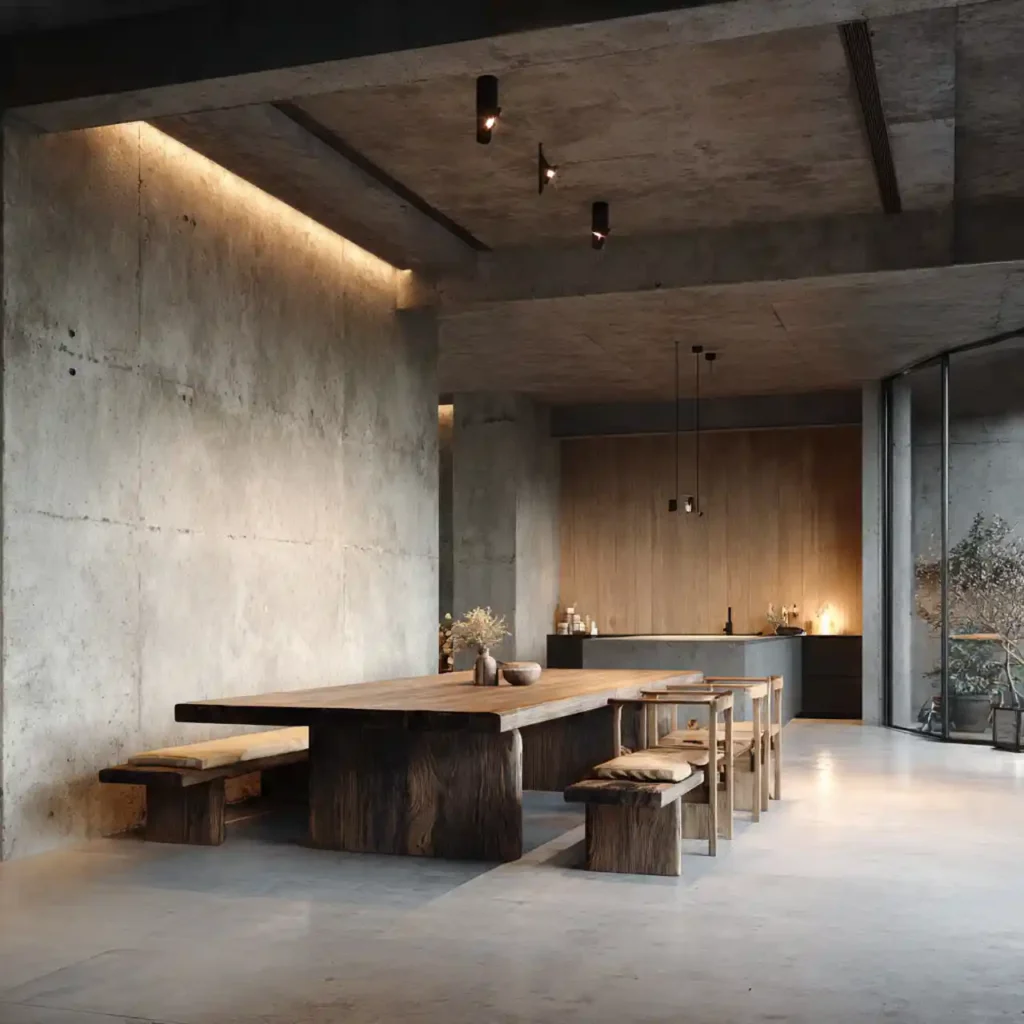
7. Minimal Yet Impactful Decor
Soft brutalism avoids excessive decoration but embraces meaningful pieces. A single oversized artwork or sculptural vase can define a room. Decor items often feature abstract forms or natural textures. Each piece should feel intentional and well-placed. This restraint enhances the overall design impact.
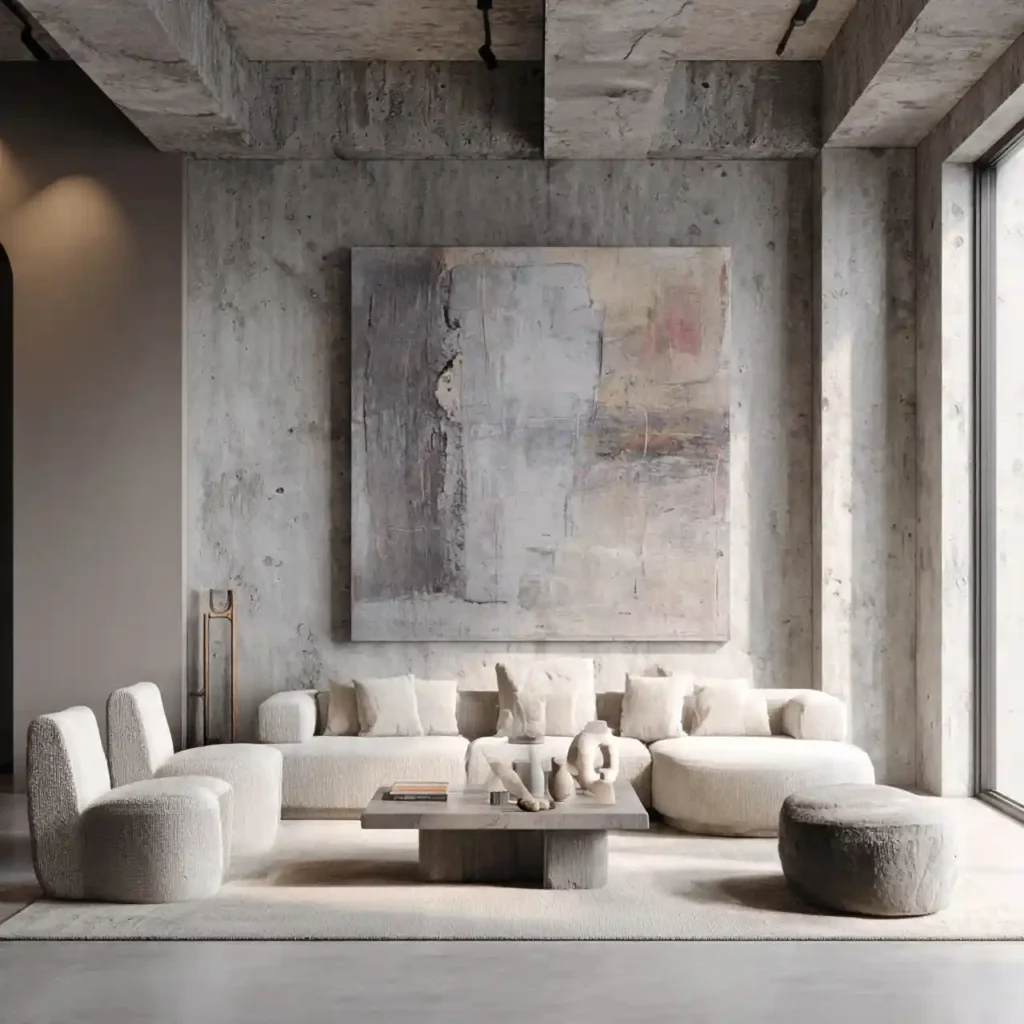
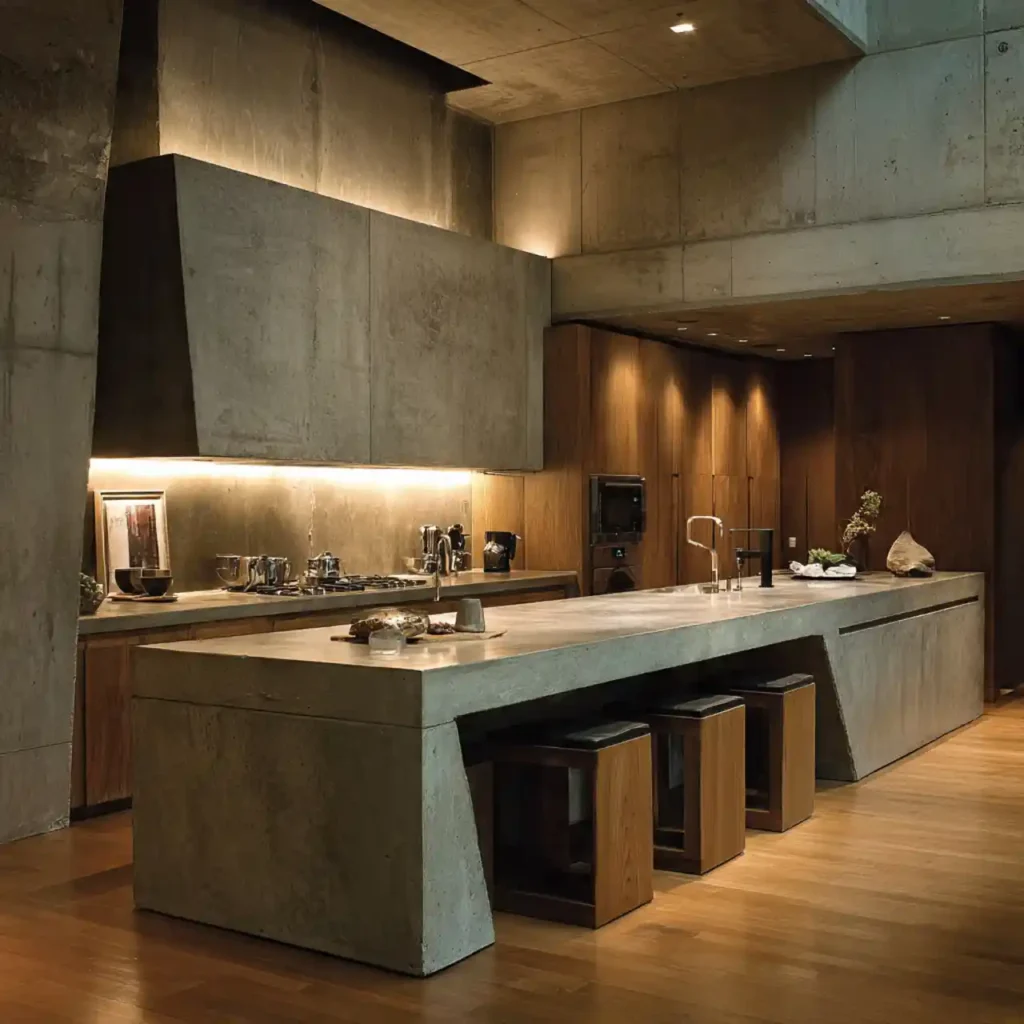
8. Monolithic Kitchen Islands
A monolithic kitchen island made from concrete or stone becomes the centerpiece of a soft brutalist kitchen. Clean lines and seamless surfaces emphasize simplicity. When paired with warm wood cabinetry, the island feels less severe. Integrated storage keeps the design functional. This creates a bold yet practical kitchen space.
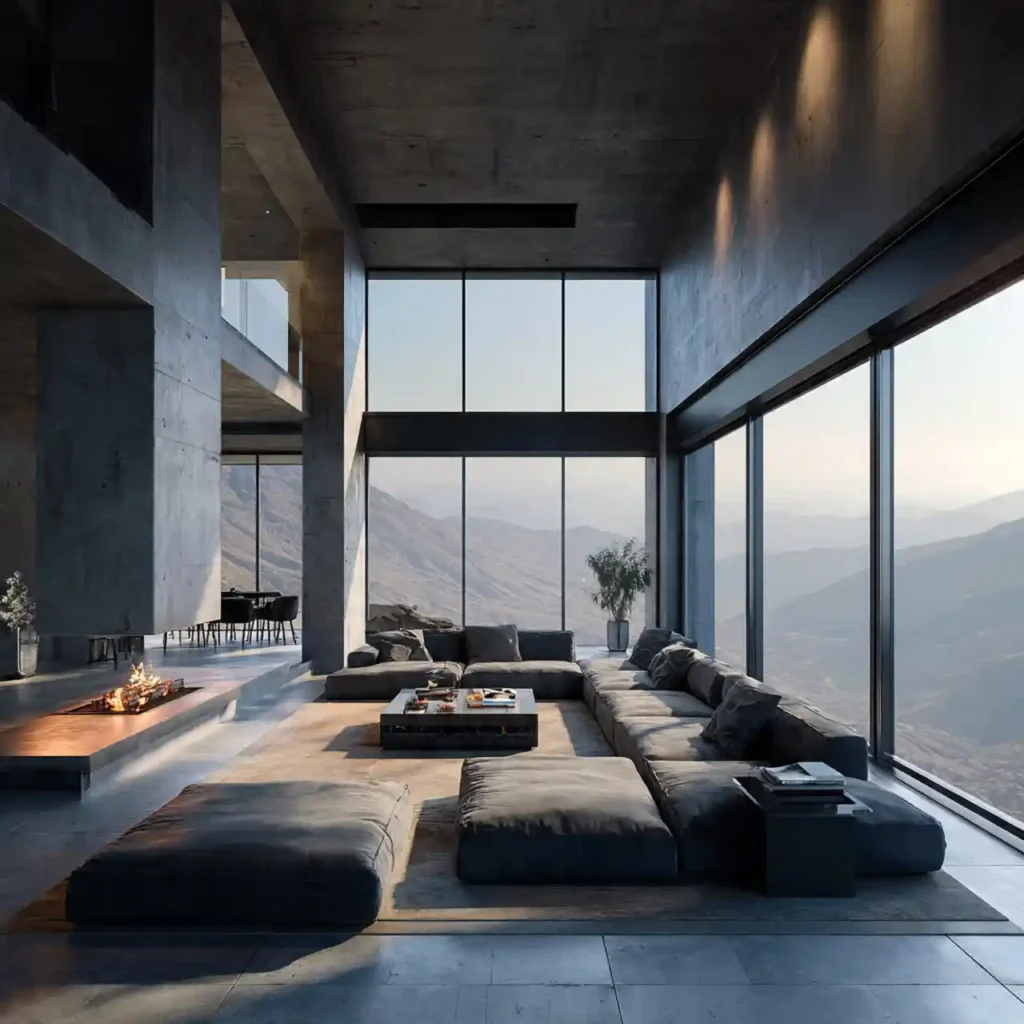
9. Floor-to-Ceiling Windows for Natural Light
Large windows are essential to soften heavy architectural elements. Natural light reduces the visual weight of concrete and stone. Floor-to-ceiling glazing also connects interiors with the outdoors. This openness prevents the space from feeling enclosed. Light enhances both comfort and aesthetics.
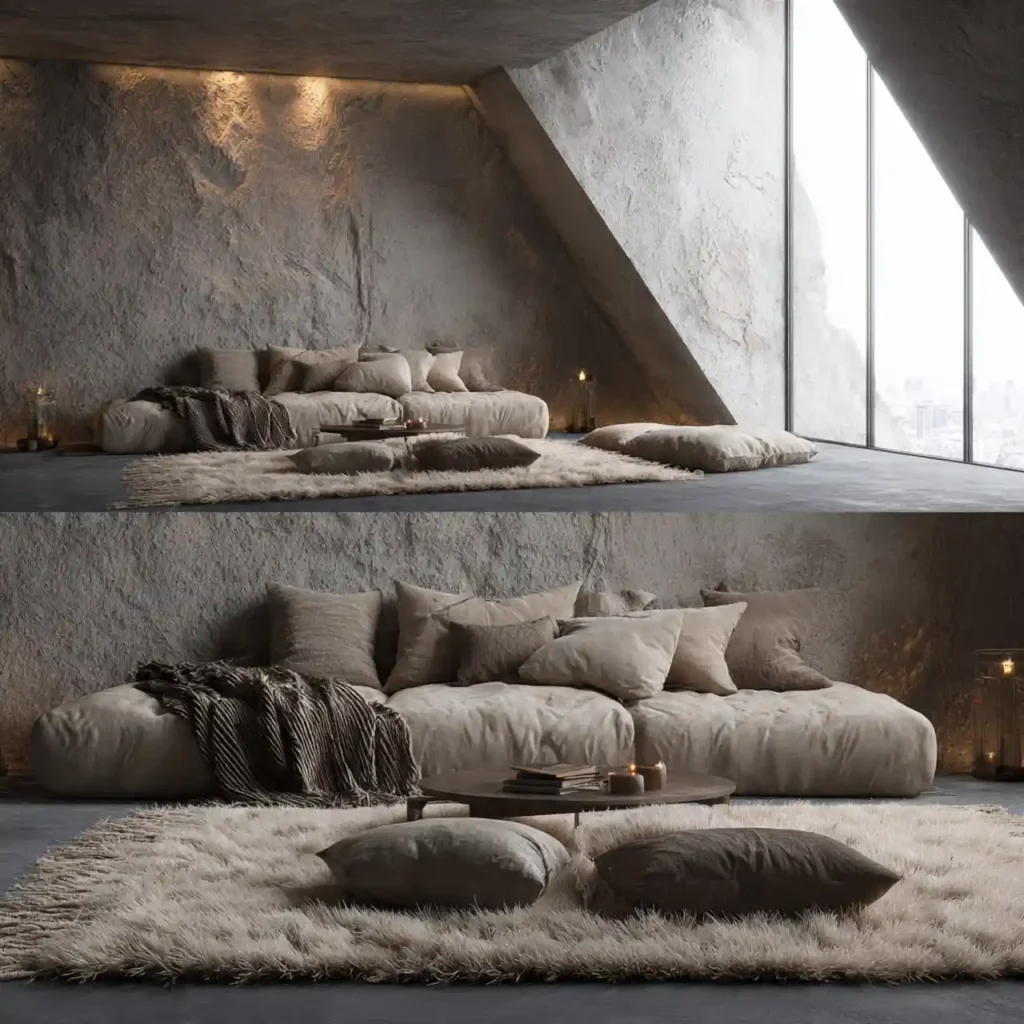
10. Layered Textiles for Comfort
Textiles play a crucial role in making brutalist spaces livable. Layer rugs, cushions, and throws in neutral tones and rich textures. Materials like wool, linen, and cotton add softness. These layers break the hardness of architectural materials. The space instantly feels more inviting.
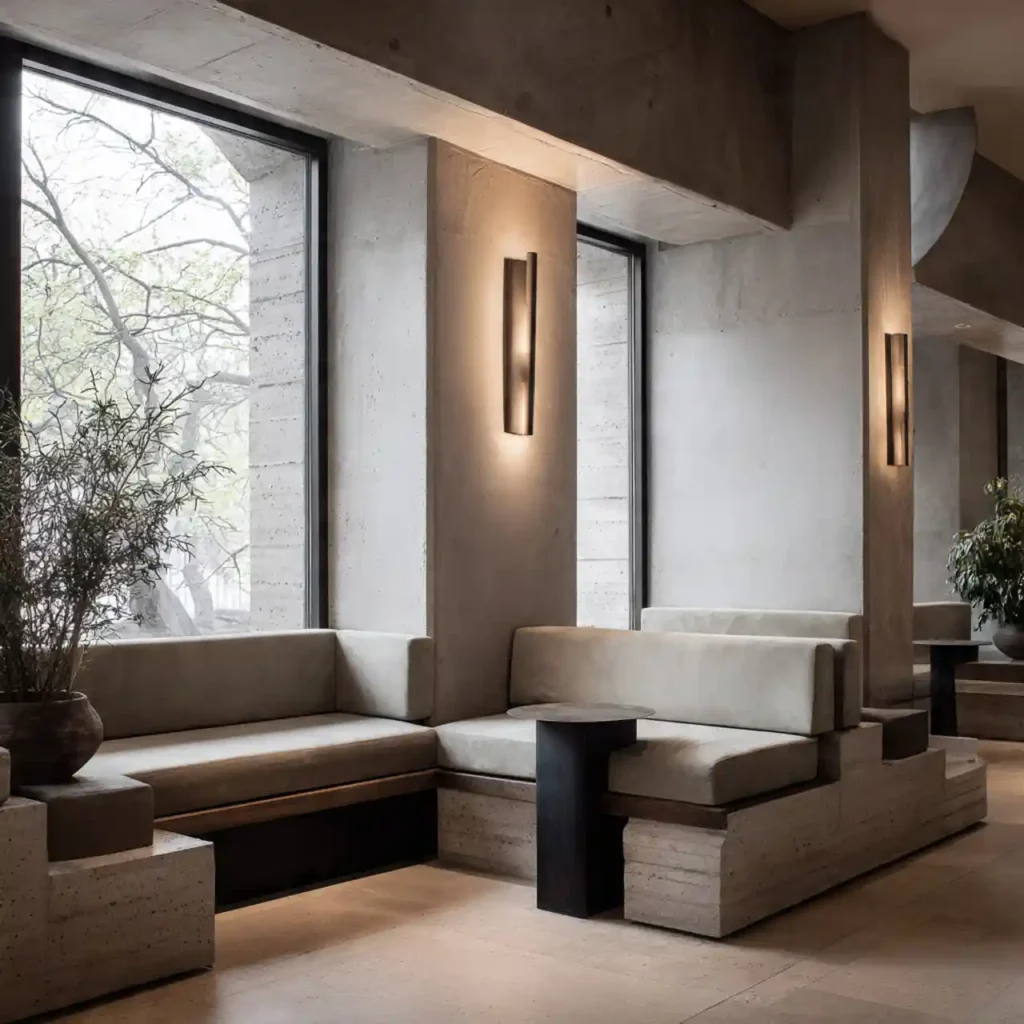
11. Built-In Seating with Soft Upholstery
Built-in seating aligns perfectly with brutalist architecture. When upholstered with soft fabrics, it becomes both functional and comfortable. This design saves space while maintaining clean lines. Neutral upholstery keeps the look cohesive. Built-ins also enhance the architectural feel of the room.
12. Subtle Contrast Through Dark Accents
Introducing dark accents adds depth to soft brutalist interiors. Charcoal, deep brown, or black elements create contrast without overpowering the space. These accents can appear in furniture legs, fixtures, or decor. When used sparingly, they enhance sophistication. Balance is key to maintaining softness.
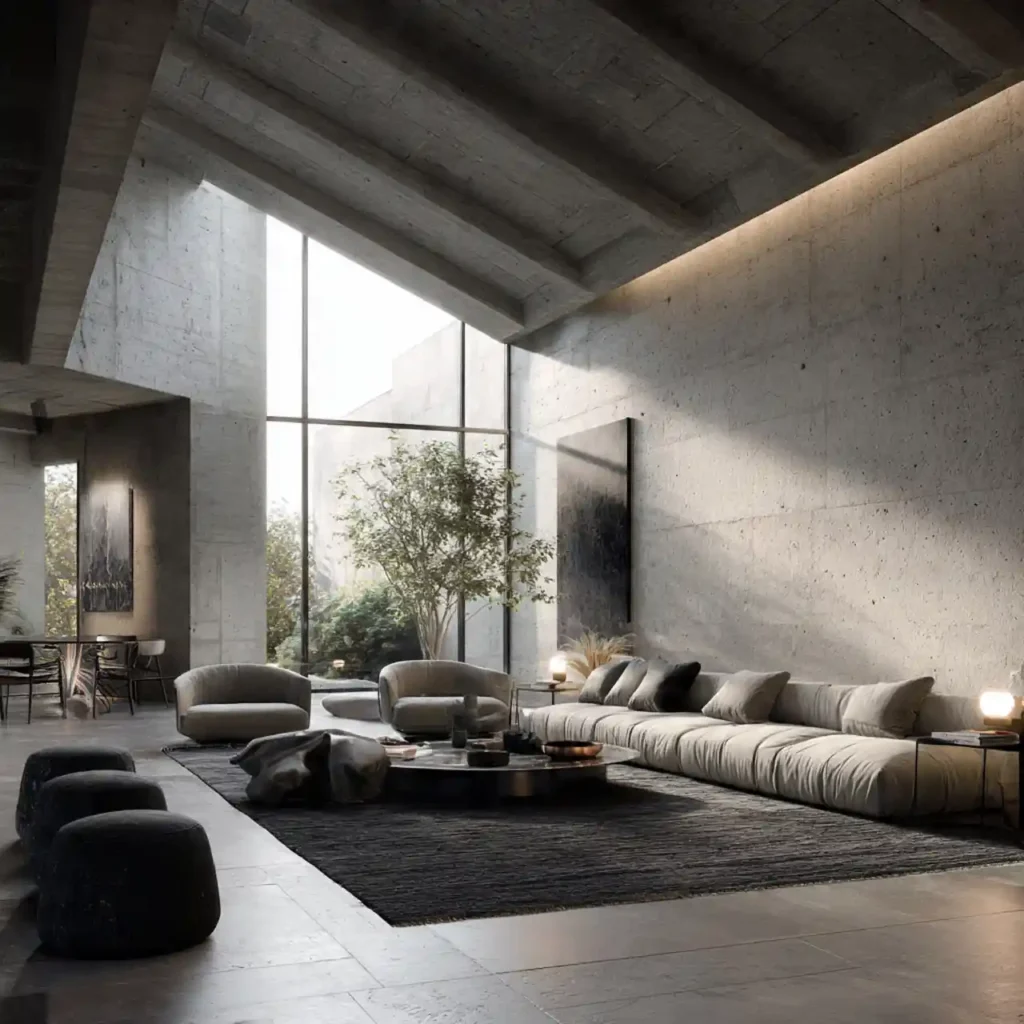
13. Organic Shapes in Architectural Details
Soft brutalism embraces organic forms within architectural elements. Arched doorways, curved walls, or rounded niches soften rigid geometry. These shapes introduce a sense of flow. They also make the space feel more human-centric. Organic lines add visual interest without excess.
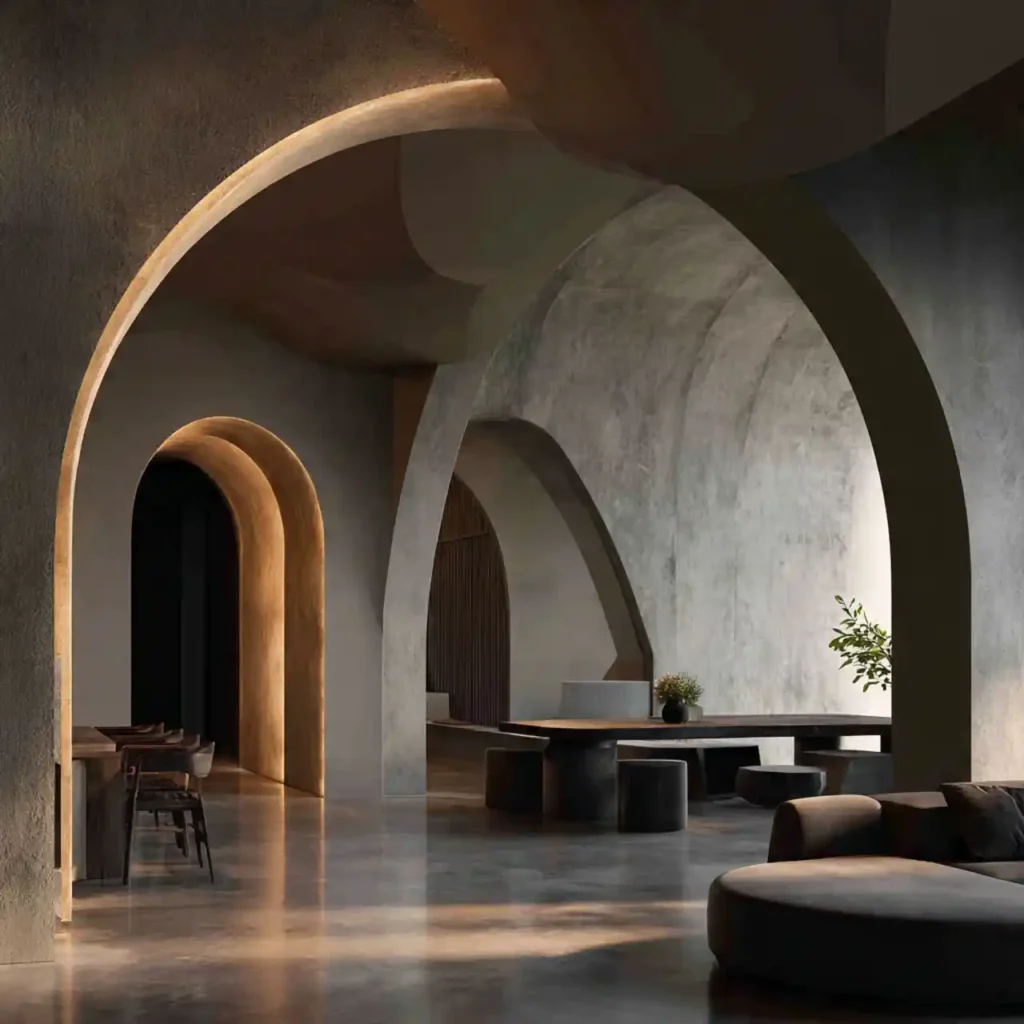
14. Polished Concrete Flooring with Area Rugs
Polished concrete floors are durable and visually striking. To enhance comfort, layer them with large area rugs. Rugs define zones and add warmth underfoot. Choose neutral or textured rugs to complement the design. This combination balances practicality and comfort.
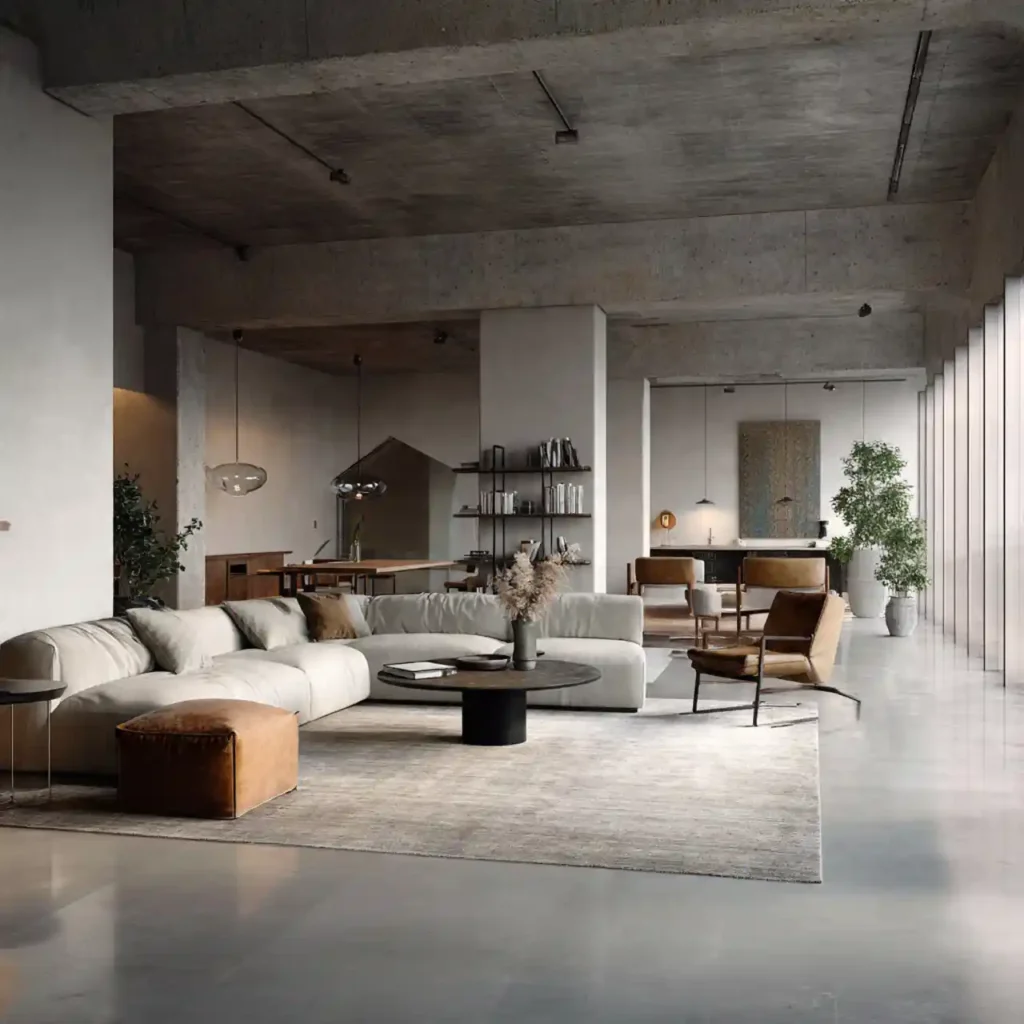
15. Minimalist Shelving with Sculptural Appeal
Open shelving in soft brutalist interiors often doubles as art. Concrete, metal, or wood shelves with clean lines work best. Keep styling minimal to avoid visual clutter. Each object should feel intentional. This approach maintains architectural clarity.
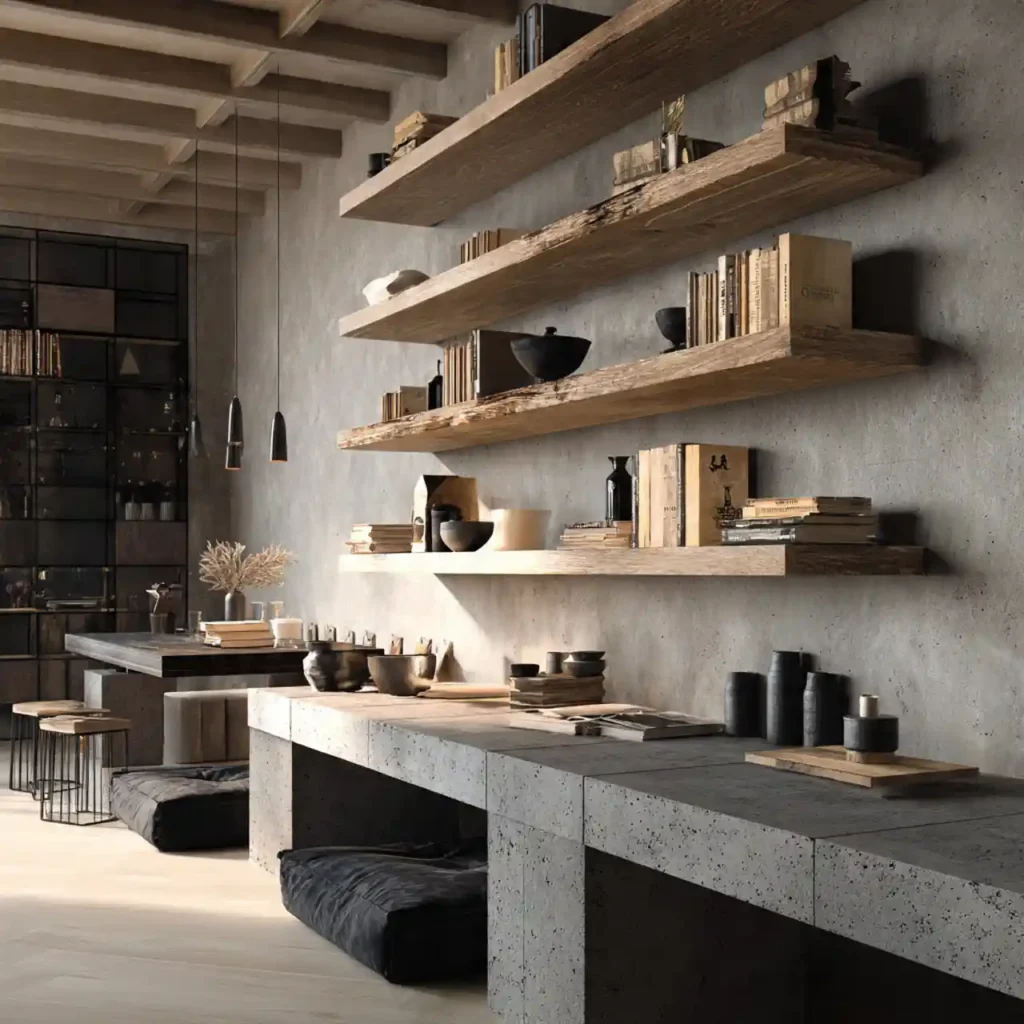
16. Stone Elements for Natural Elegance
Stone surfaces like travertine or limestone add natural elegance. These materials feel luxurious yet understated. Stone works beautifully in bathrooms, kitchens, and feature walls. Its organic texture softens the industrial edge. This creates a refined and timeless look.
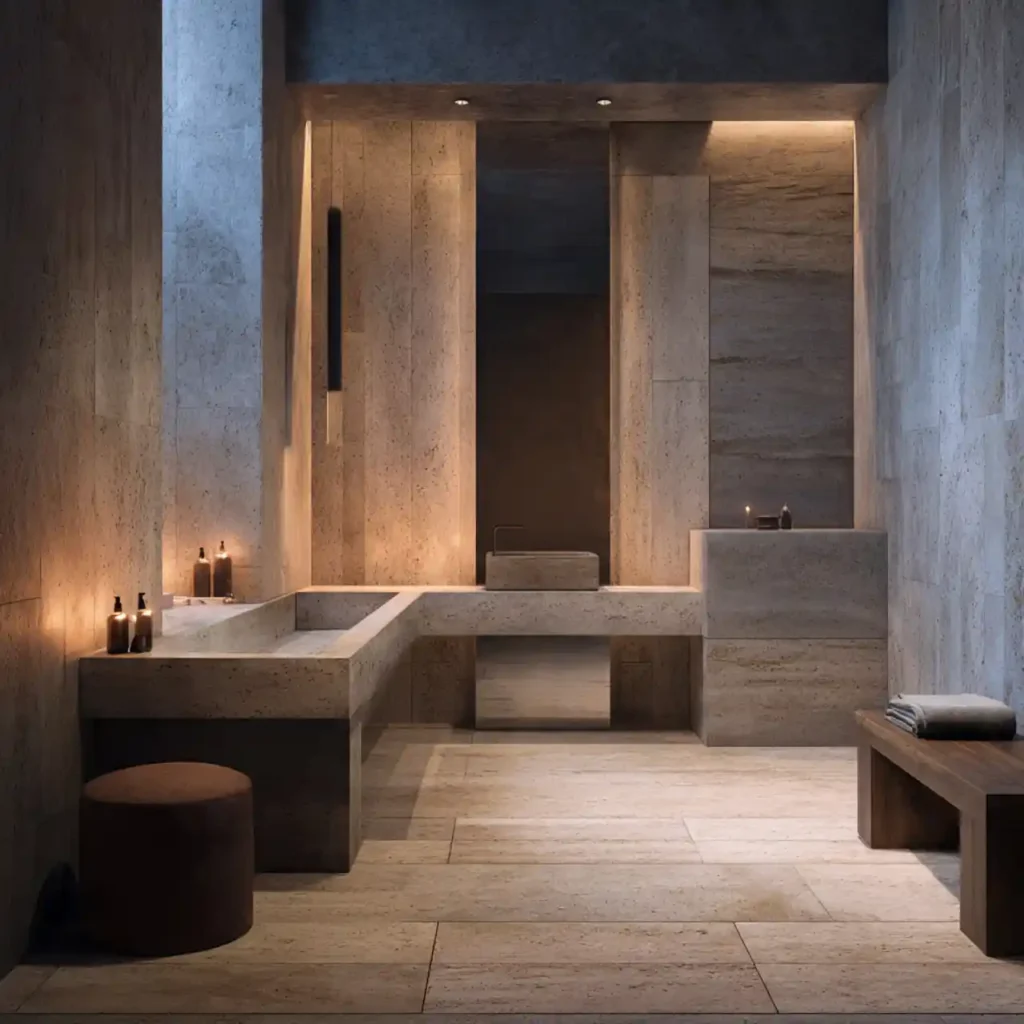
17. Integrated Storage for Clean Lines
Clutter disrupts the calm of soft brutalism. Integrated storage keeps spaces visually clean and functional. Hidden cabinets and flush doors maintain architectural integrity. This design approach supports minimalism. The result is a serene living environment.
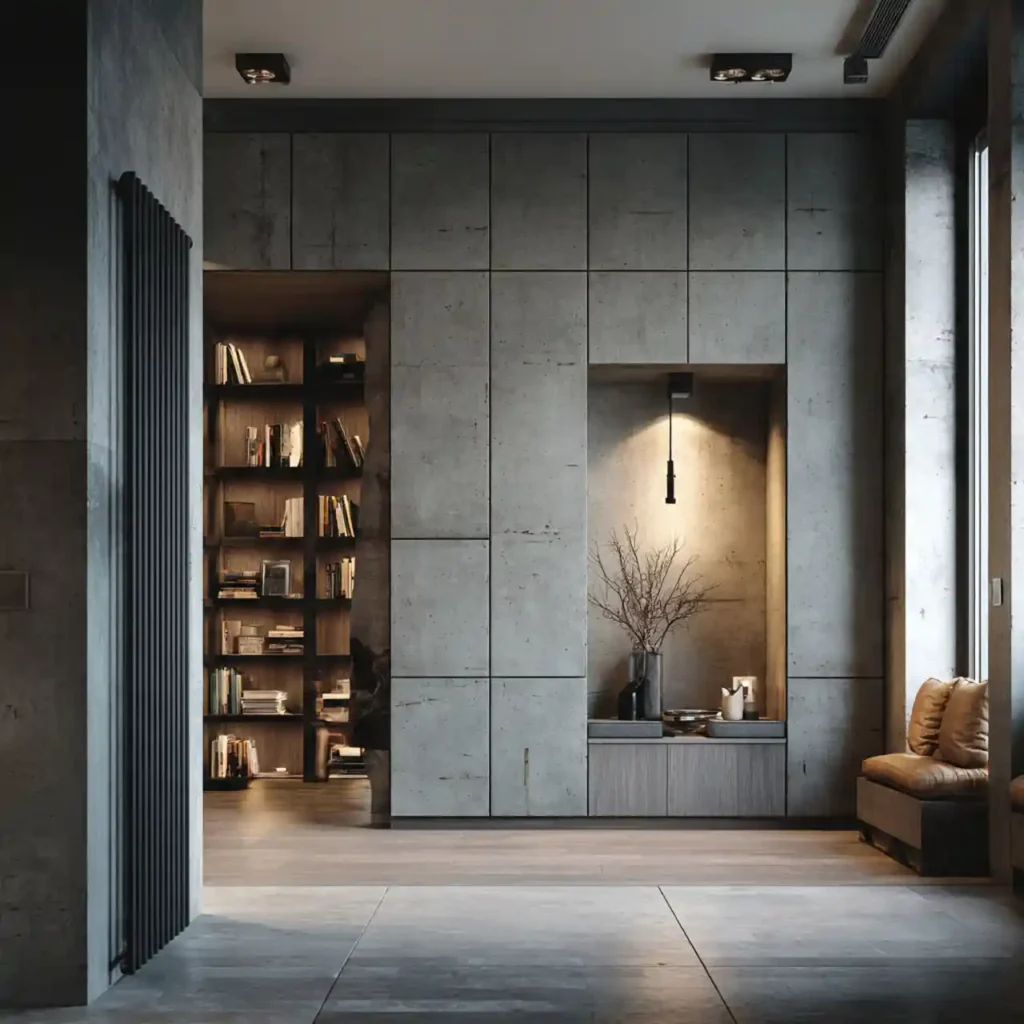
18. Warm Metal Accents
Warm metals such as brass or bronze add subtle luxury. These finishes contrast beautifully with concrete and stone. Use them in lighting fixtures, handles, or taps. Warm metals prevent the space from feeling cold. They introduce a refined glow.
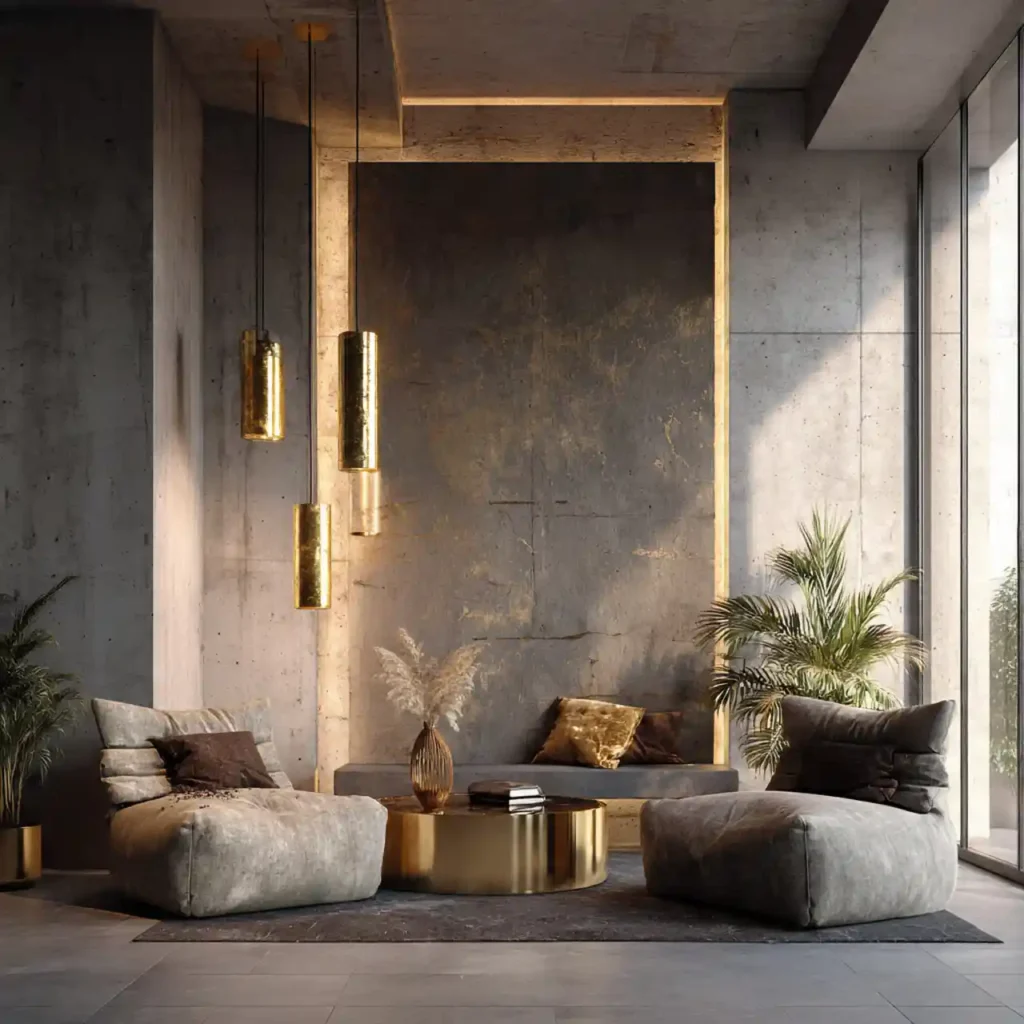
19. Thoughtful Use of Negative Space
Negative space is a powerful design tool in soft brutalism. Leaving areas intentionally open enhances visual balance. It allows architectural elements to breathe. This restraint creates a sense of calm and sophistication. Less truly becomes more.
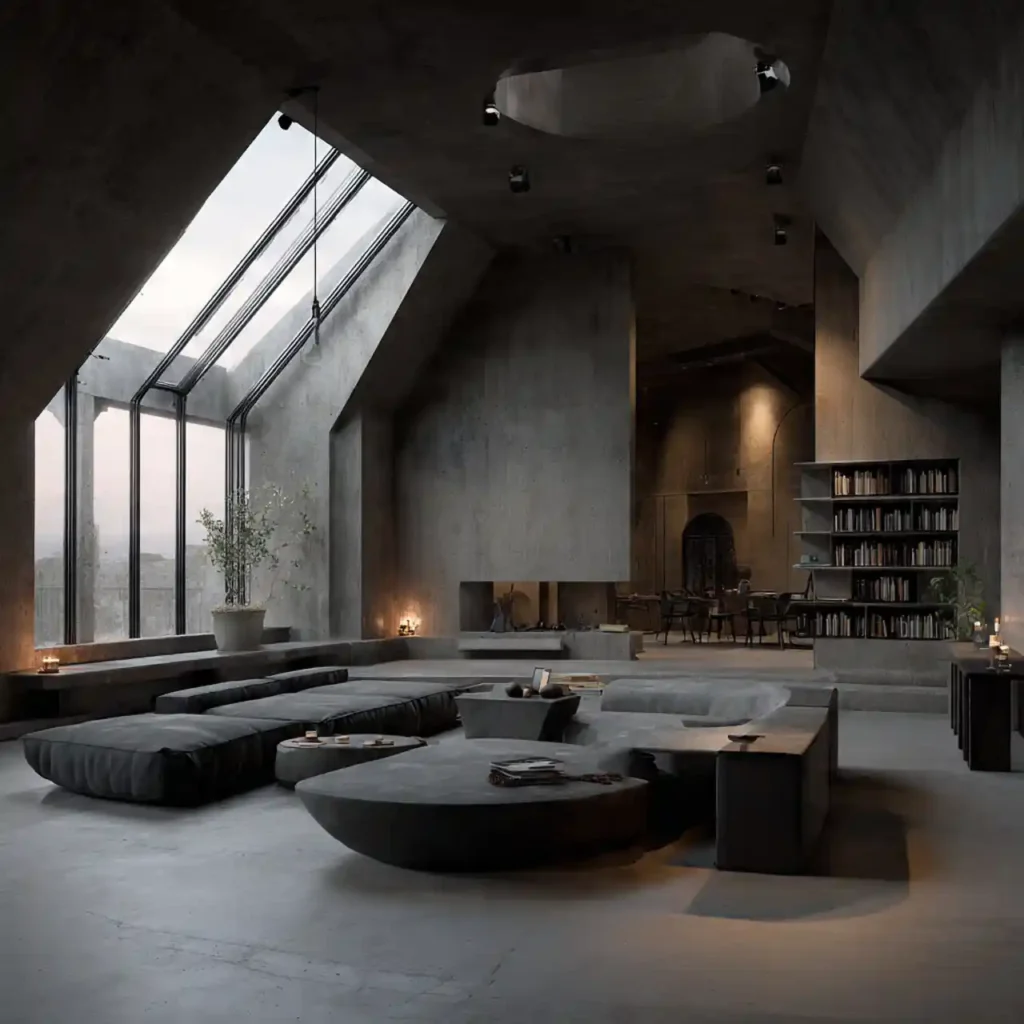
20. Indoor Greenery for Organic Balance
Plants bring life and freshness to brutalist interiors. Large indoor plants soften hard surfaces and add color. Choose simple planters in neutral tones. Greenery creates a connection to nature. This final touch completes the soft brutalist aesthetic.
Final Thoughts: Soft Brutalism Interiors
Soft brutalism interiors design proves that bold architecture and everyday comfort can coexist beautifully. By blending raw materials with warmth, texture, and thoughtful details, this style creates spaces that feel both powerful and inviting. Whether you incorporate one idea or redesign an entire home, soft brutalism offers a timeless approach to modern living. It is not about harsh minimalism, but about balance, intention, and refined simplicity.