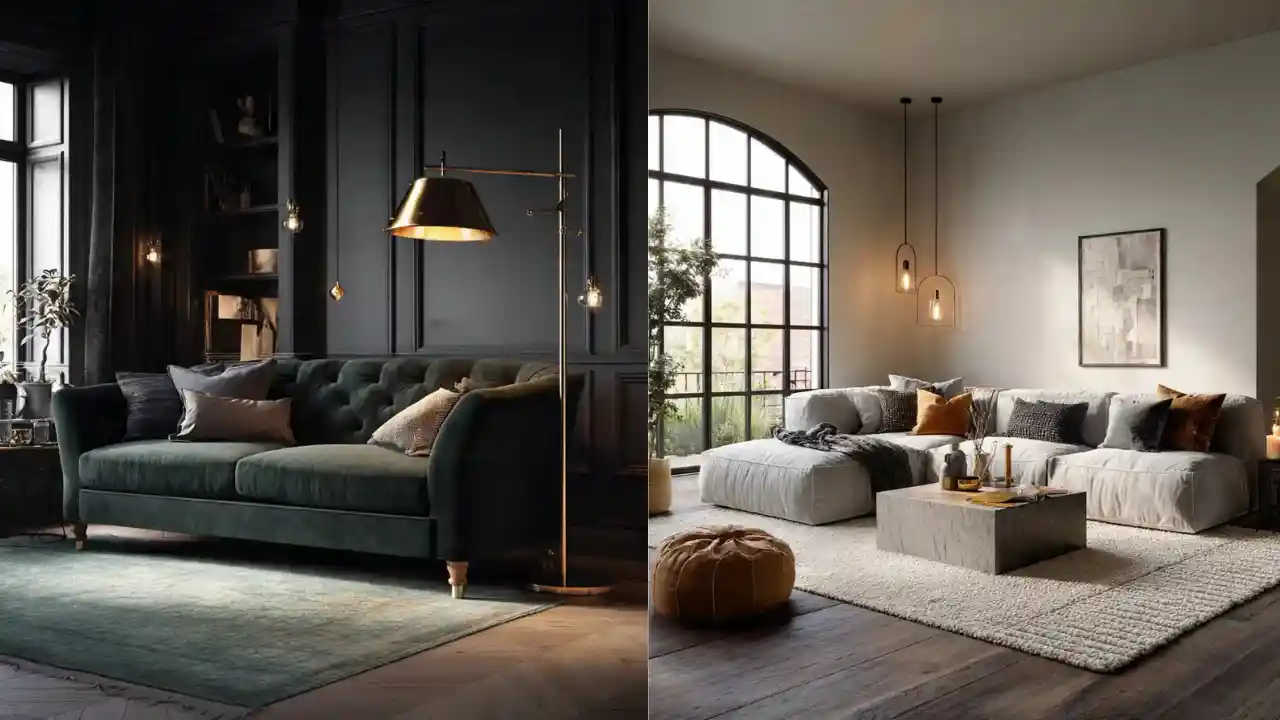
20 Mood-Centered Living Room Design Ideas
A beautiful living room is impressive, but an atmosphere-focused living room is unforgettable. The difference lies in how the space feels rather than just how it looks. Designers understand that mood is created through lighting, texture, color balance, spatial flow, and subtle sensory details. When these elements work together, a living room can feel calm, dramatic, intimate, energizing, or luxurious without changing the entire layout. These 20 Mood-Centered Living Room Design ideas by The Home Vista explore how intentional design choices can instantly shift the emotional tone of your space and transform everyday living into an experience.
1. Layered Warm Lighting Concept
Atmosphere begins with lighting, and relying on a single ceiling fixture flattens the mood instantly. Layered lighting using floor lamps, table lamps, wall sconces, and subtle LED strips creates depth and softness. Warm tones around 2700K make the room feel inviting rather than harsh. Dimmers allow you to shift from daytime brightness to evening intimacy. The result is a living room that feels adaptable and emotionally comfortable.
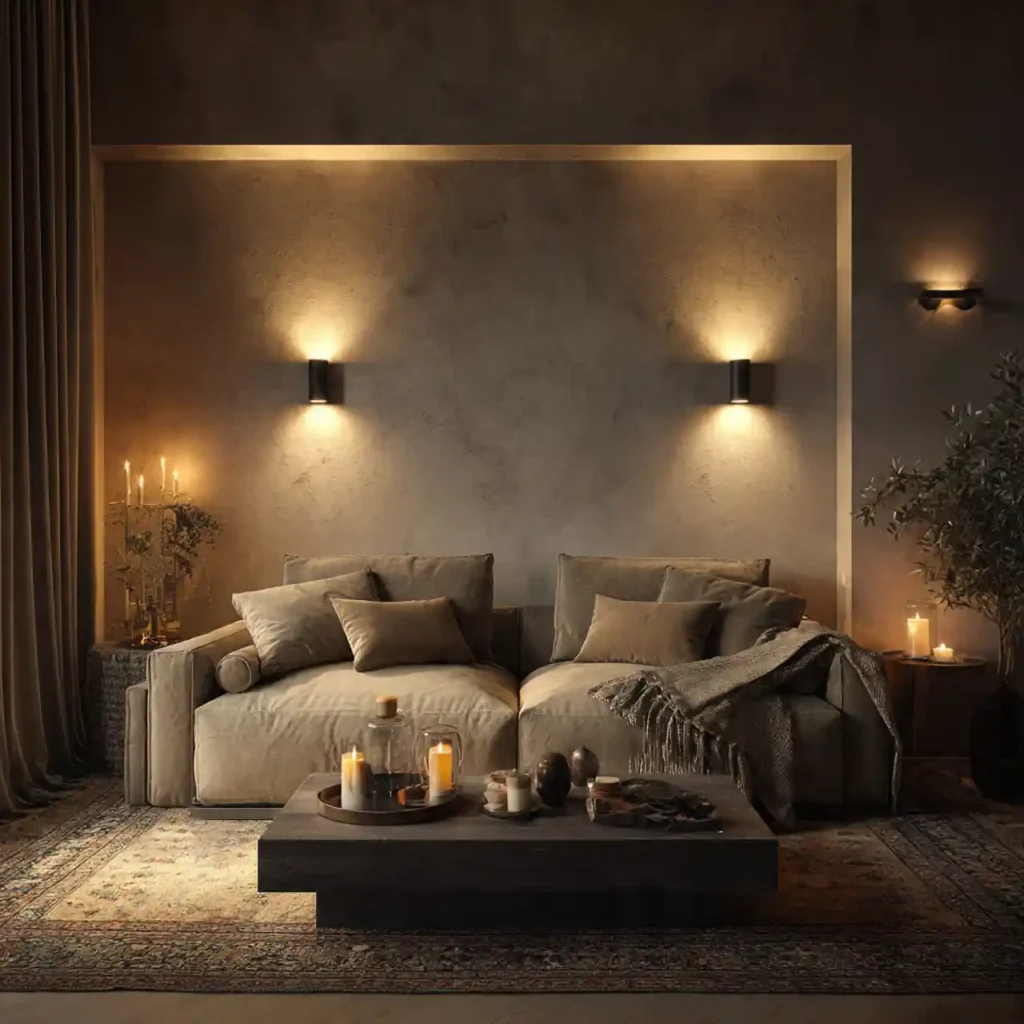
2. Deep Moody Color Palette
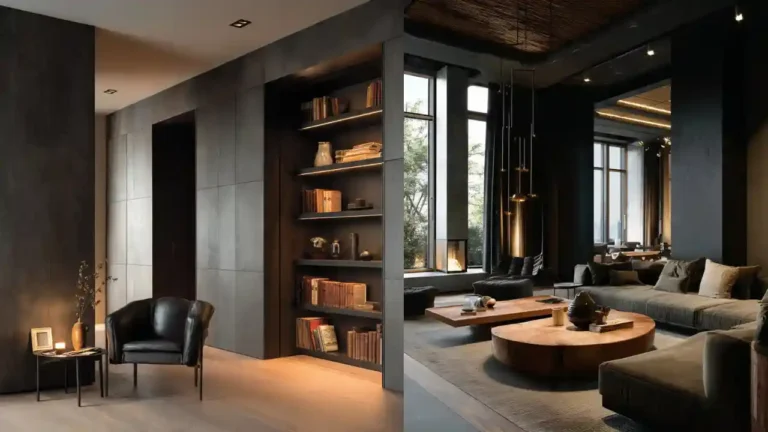
Dark shades like charcoal, forest green, or navy instantly create drama and intimacy. When paired with soft textures and warm lighting, deep colors feel luxurious instead of heavy. Painting all four walls in a rich tone creates a cocoon effect. Contrast with lighter furniture keeps the balance refined. This design instantly changes the emotional energy of the room.
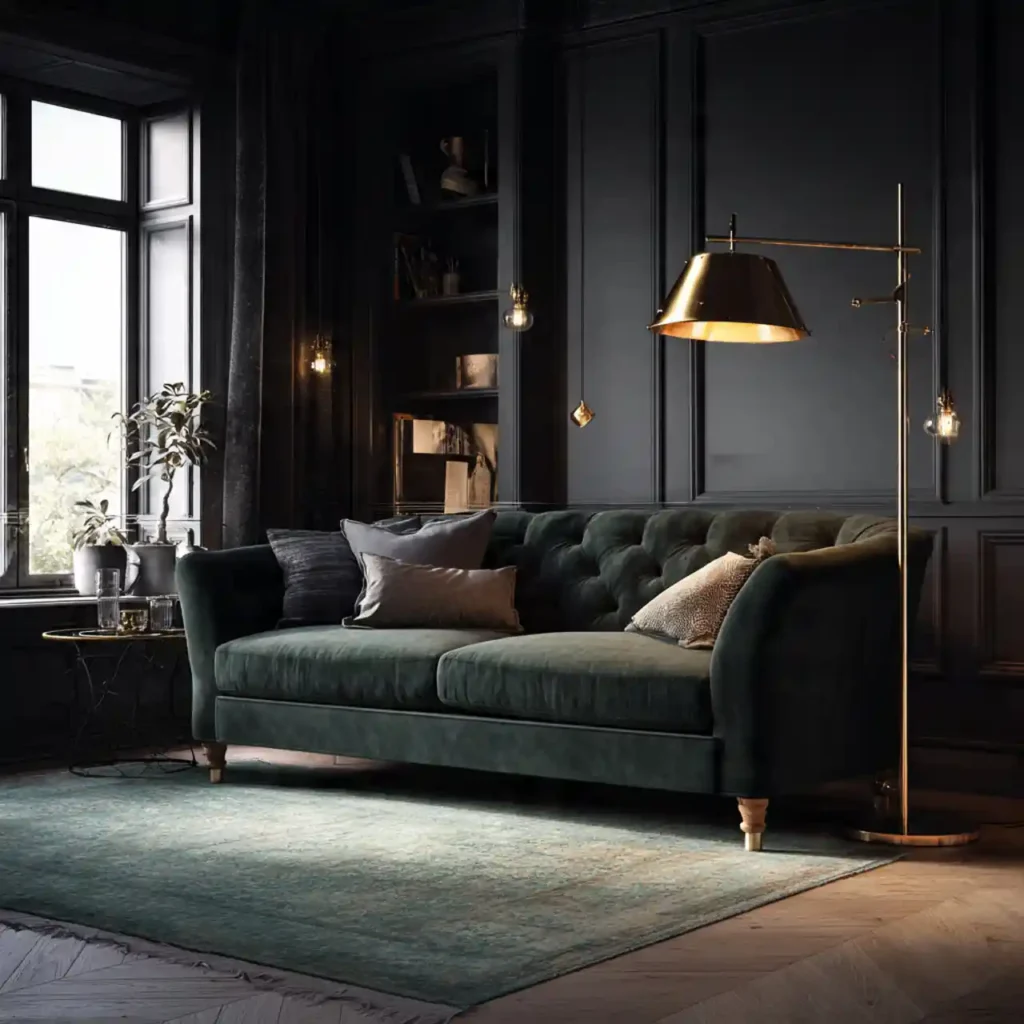
3. Textured Fabric Layering
Atmosphere thrives on texture rather than excessive decor. Layering velvet cushions, wool throws, and linen drapes creates tactile depth. Different fabrics catch light differently, adding visual richness. Texture also softens acoustics, making conversations feel more intimate. A layered approach transforms a plain room into a sensory experience.
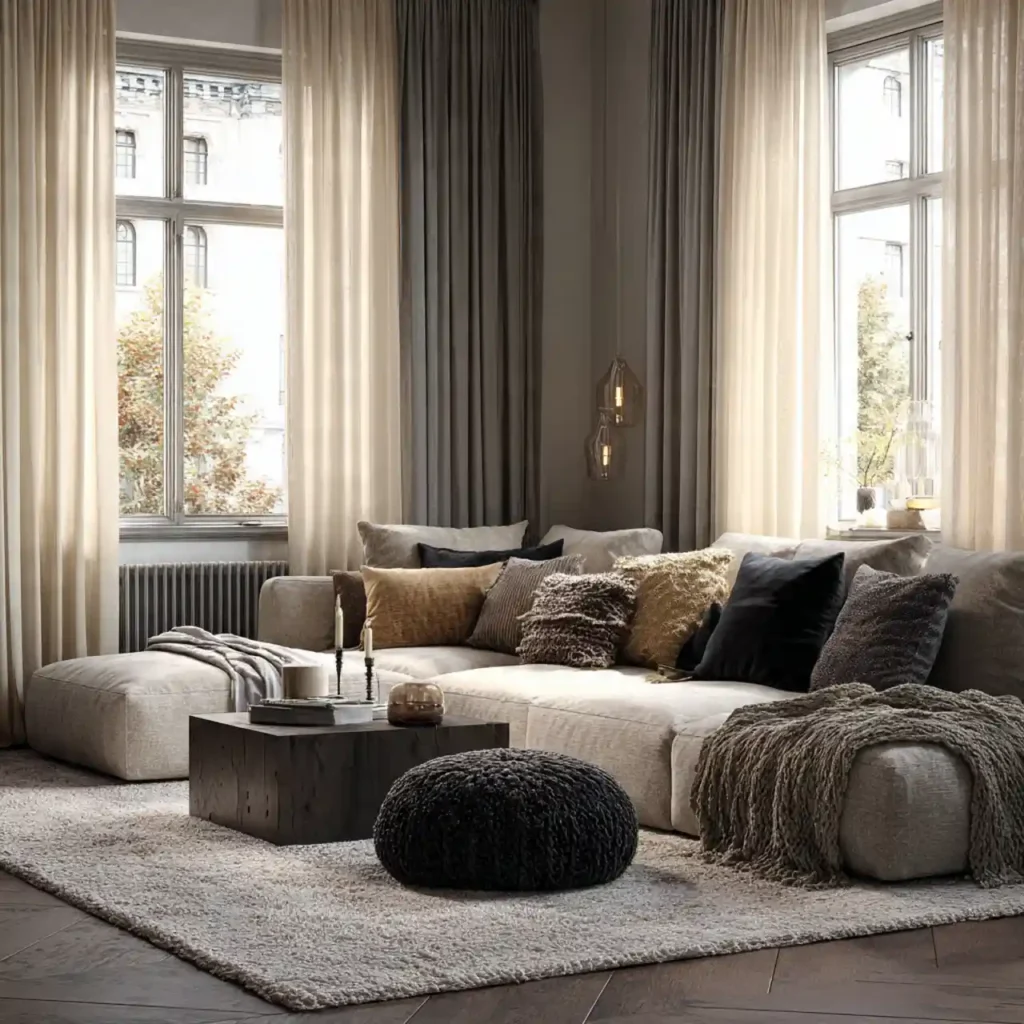
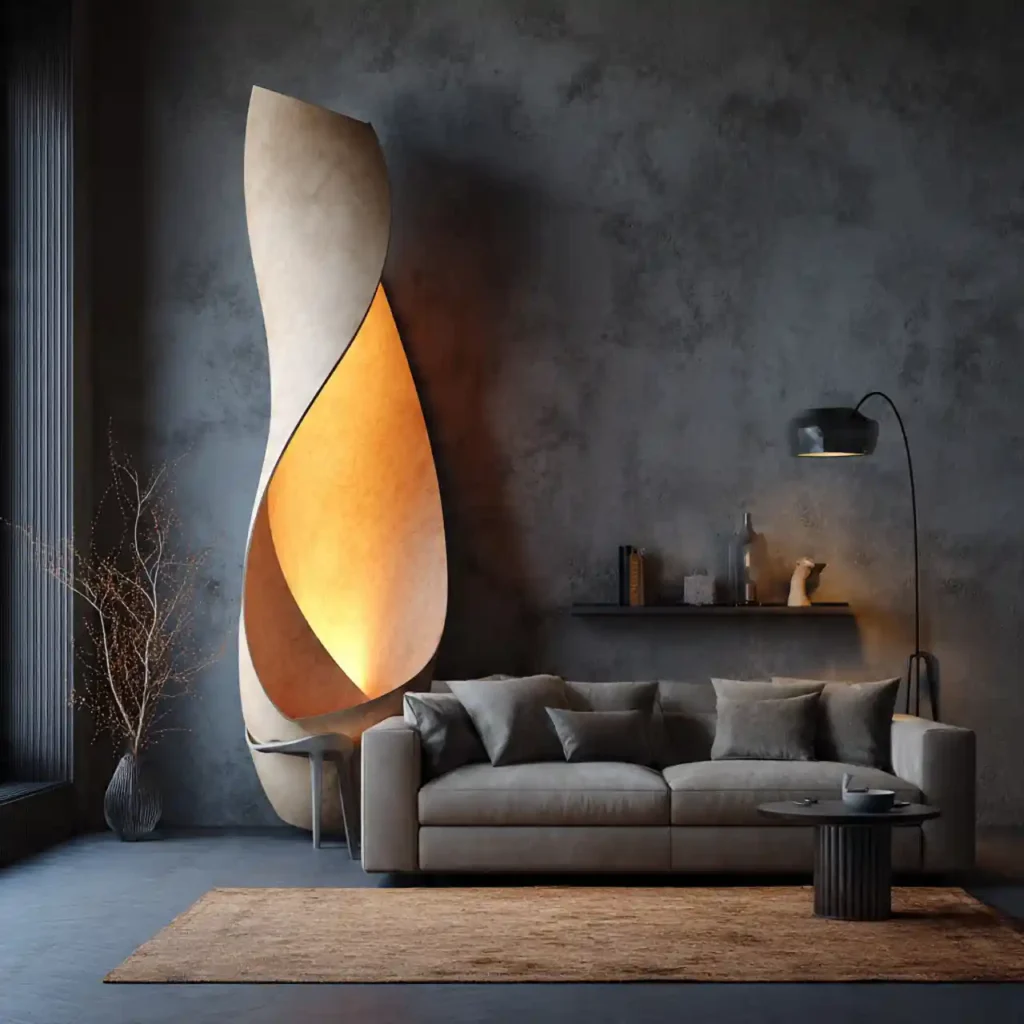
4. Statement Ambient Floor Lamp
A sculptural floor lamp acts as both lighting and art. Soft diffused light creates a glow that gently fills empty corners. It introduces height variation in the room composition. Warm ambient lighting reduces visual stress in the evening. A single dramatic lamp can completely shift the mood.
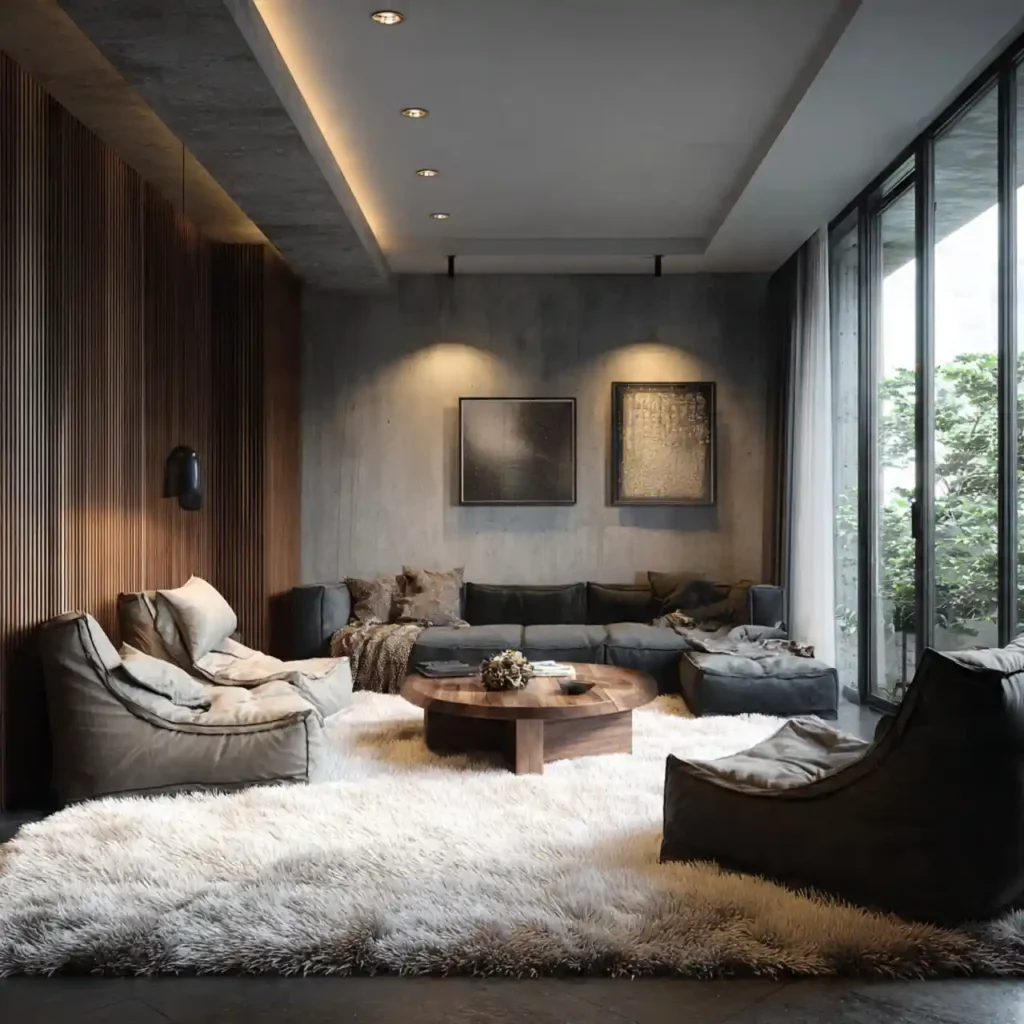
5. Low-Seating Lounge Arrangement
Lower sofas and lounge chairs create a grounded, relaxed energy. The eye line drops slightly, making the ceiling feel higher and the room more spacious. This arrangement feels intimate and modern at the same time. Pairing low seating with a plush rug enhances comfort. The mood becomes casual yet refined.
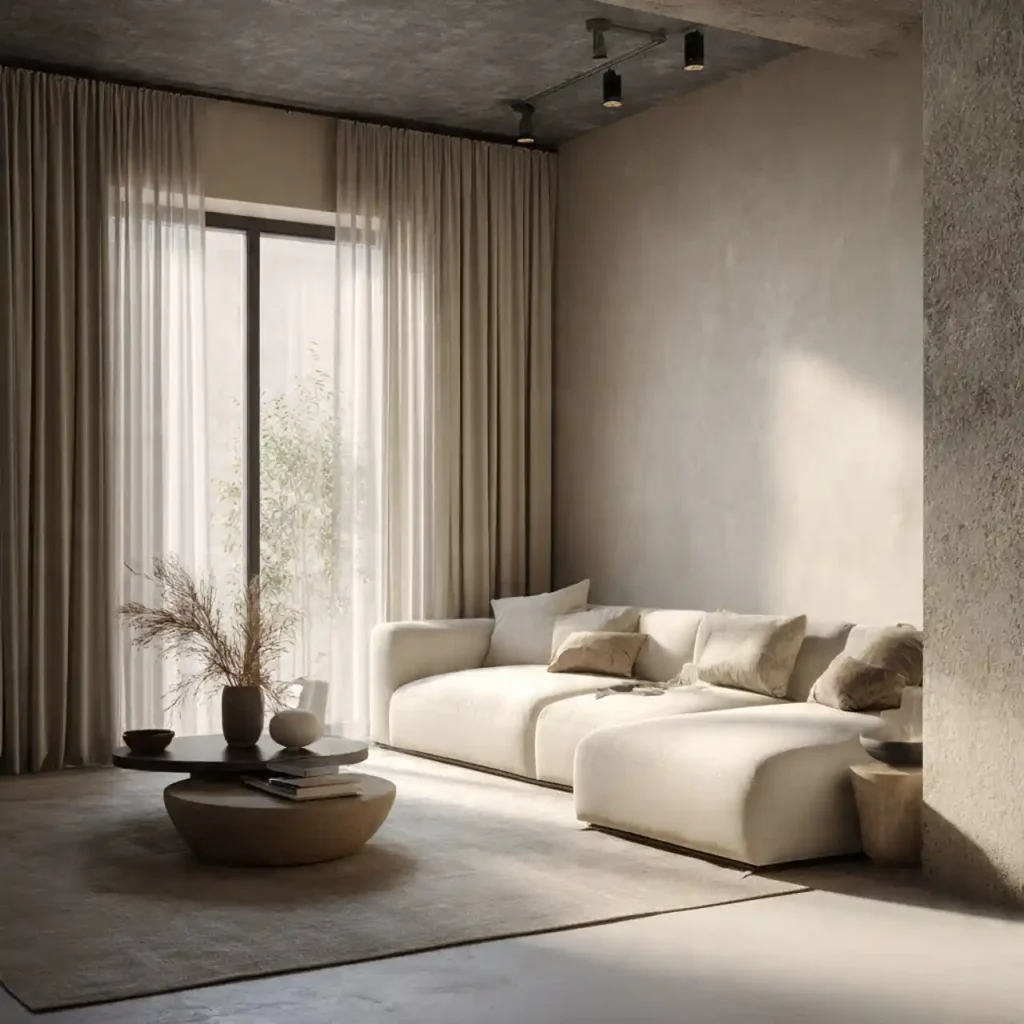
6. Soft Monochromatic Scheme
Using variations of one color family creates visual calm. Beige-on-beige or grey layering feels cohesive and soothing. Subtle tonal shifts add depth without overstimulation. This approach reduces visual clutter automatically. The atmosphere becomes effortlessly serene.
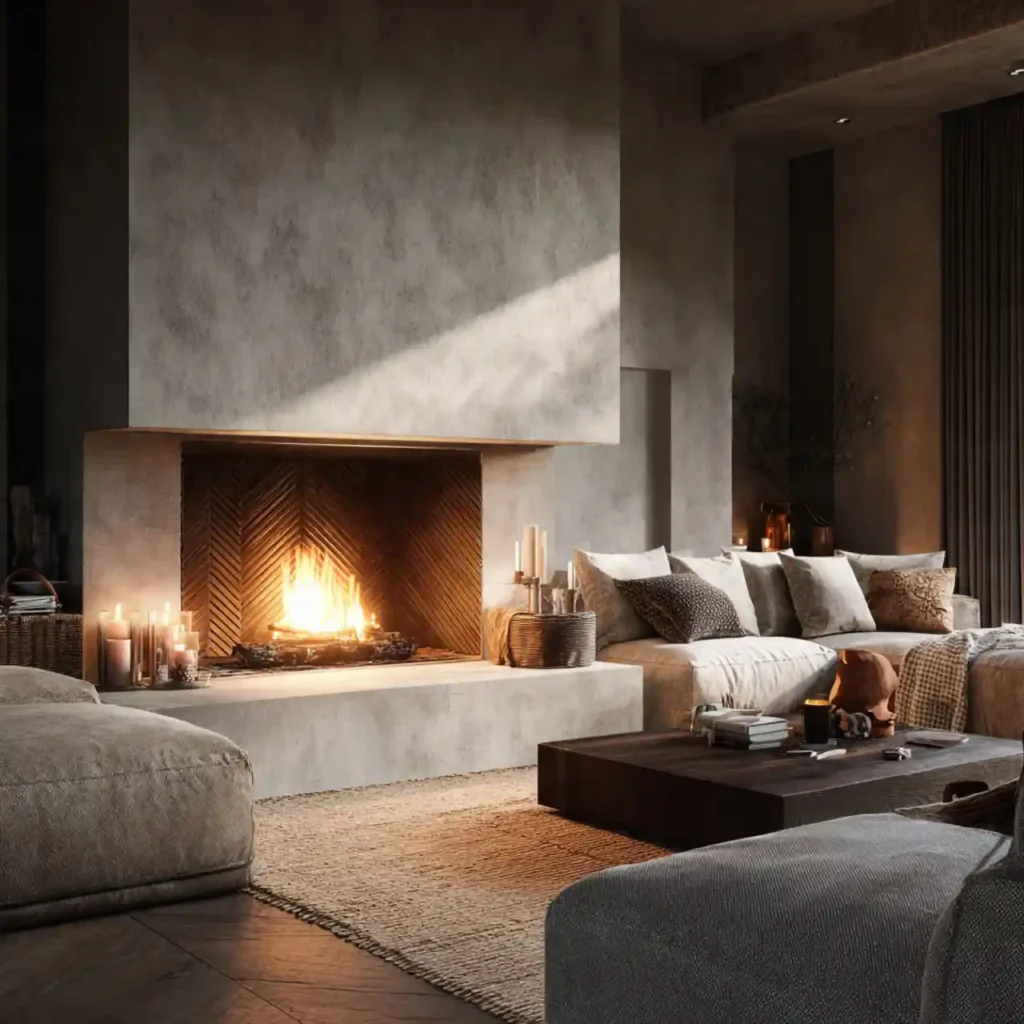
7. Fireplace-Centered Focus
A fireplace instantly anchors the emotional center of a living room. Even a modern electric or minimal fireplace adds warmth visually and physically. Seating arranged around it encourages connection. The flicker of light introduces movement and life. Few features change mood as quickly as a fire element.
8. Oversized Area Rug
A large rug grounds the entire seating area and absorbs echo. It visually connects furniture pieces into one cohesive zone. Soft textures underfoot increase comfort levels. The right rug adds warmth without overpowering the design. Atmosphere improves when the room feels unified.
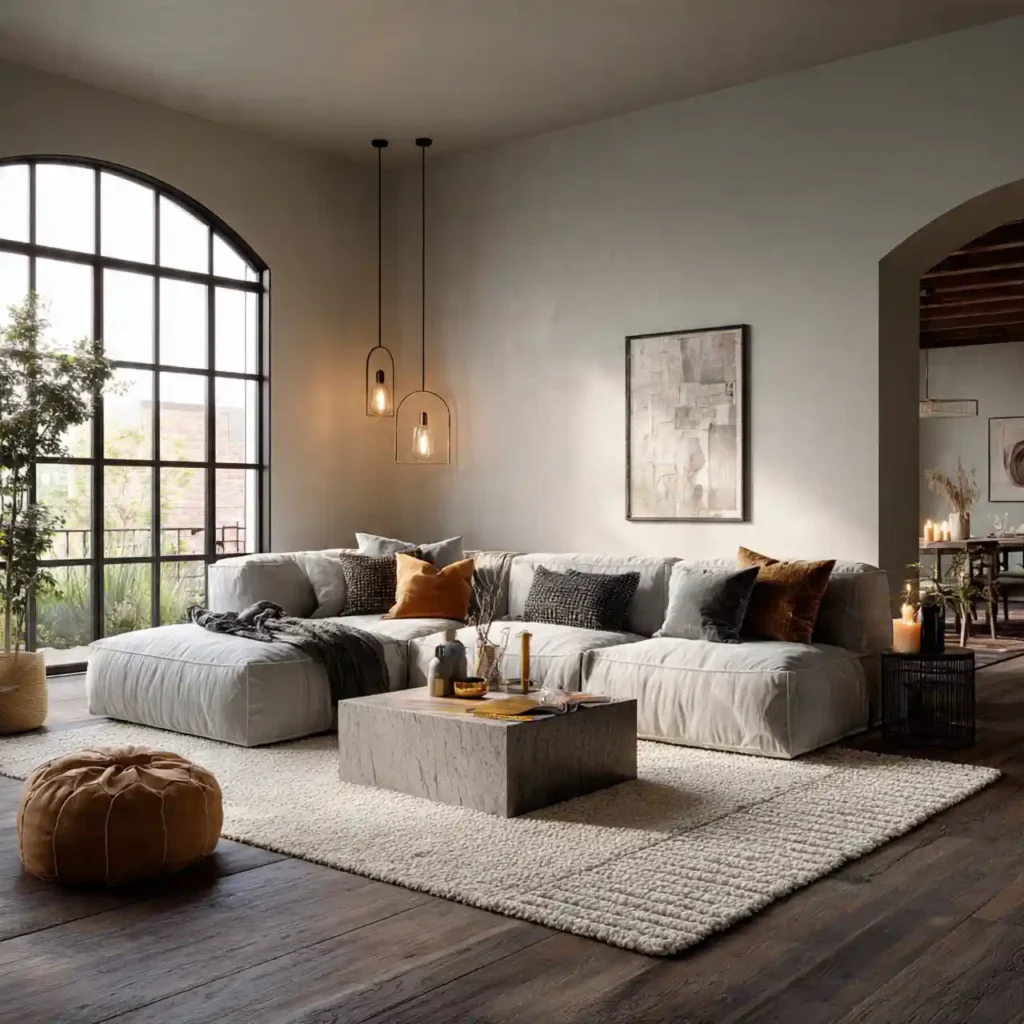
9. Soft Sheer Curtains
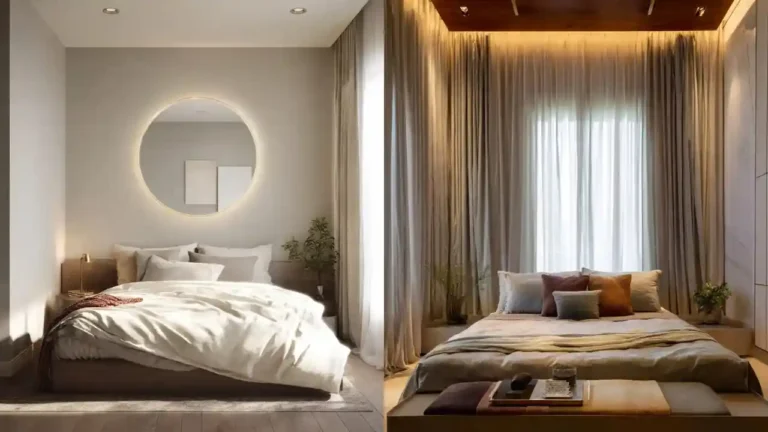
Natural light filtered through sheer curtains feels gentle and cinematic. Harsh daylight becomes diffused and calming. The movement of fabric adds life to the space. Sheers also soften hard window frames visually. This subtle change elevates the mood significantly.
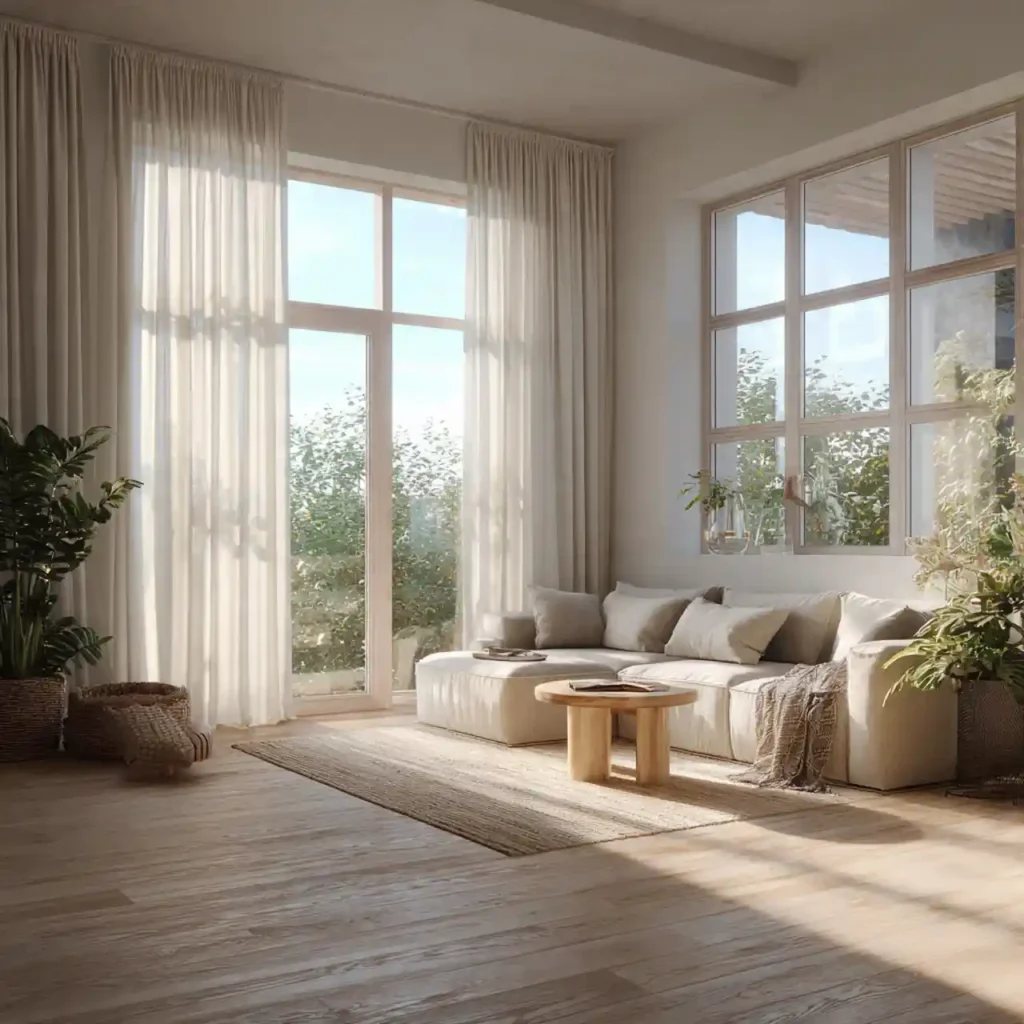
10. Accent Wall with Texture
Instead of bold patterns, textured finishes like limewash or wood paneling create depth. Texture interacts with lighting to produce shadow and softness. It adds interest without chaos. A single textured wall can redefine the entire room’s personality. Atmosphere becomes layered and intentional.
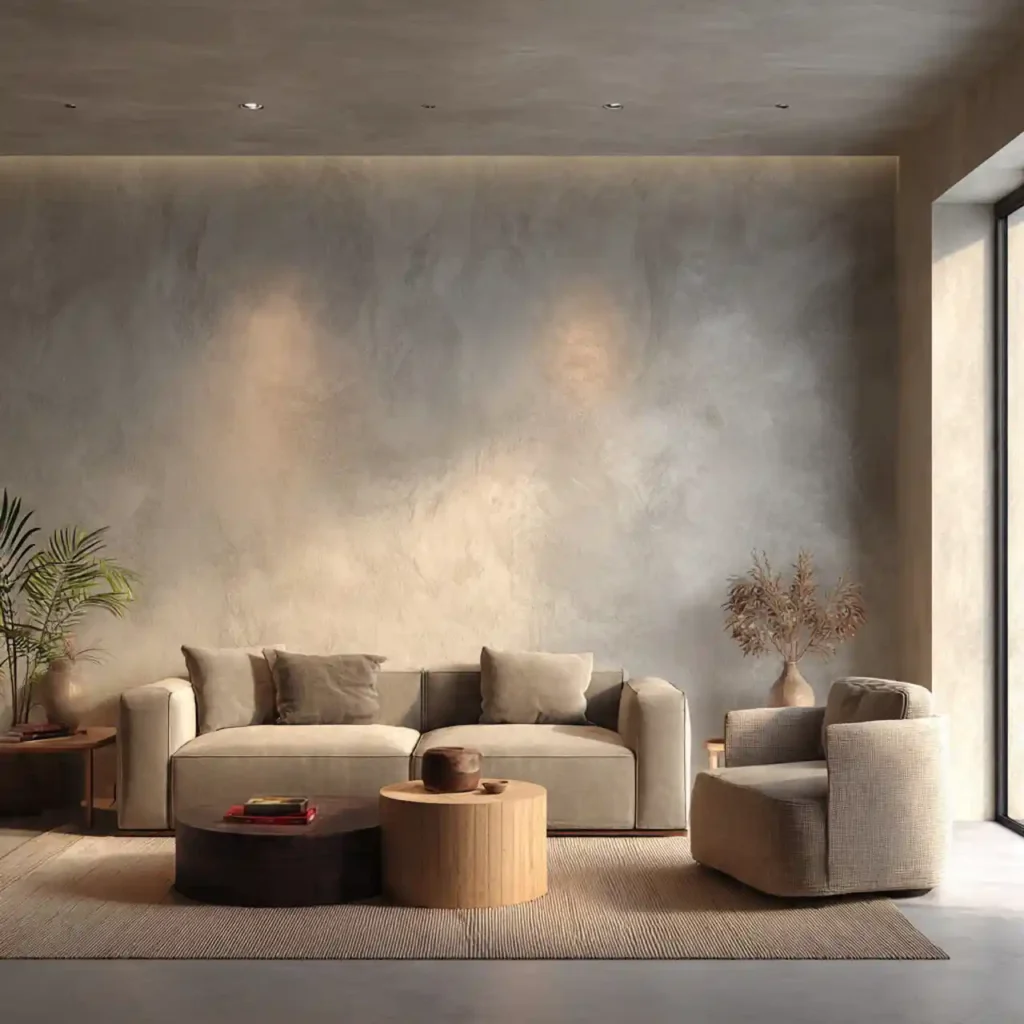
11. Curved Furniture Silhouettes
Rounded sofas or coffee tables feel softer than sharp edges. Curves promote flow and visual comfort. They make a space feel welcoming rather than rigid. Organic shapes subtly influence emotional response. The overall vibe becomes more relaxed.
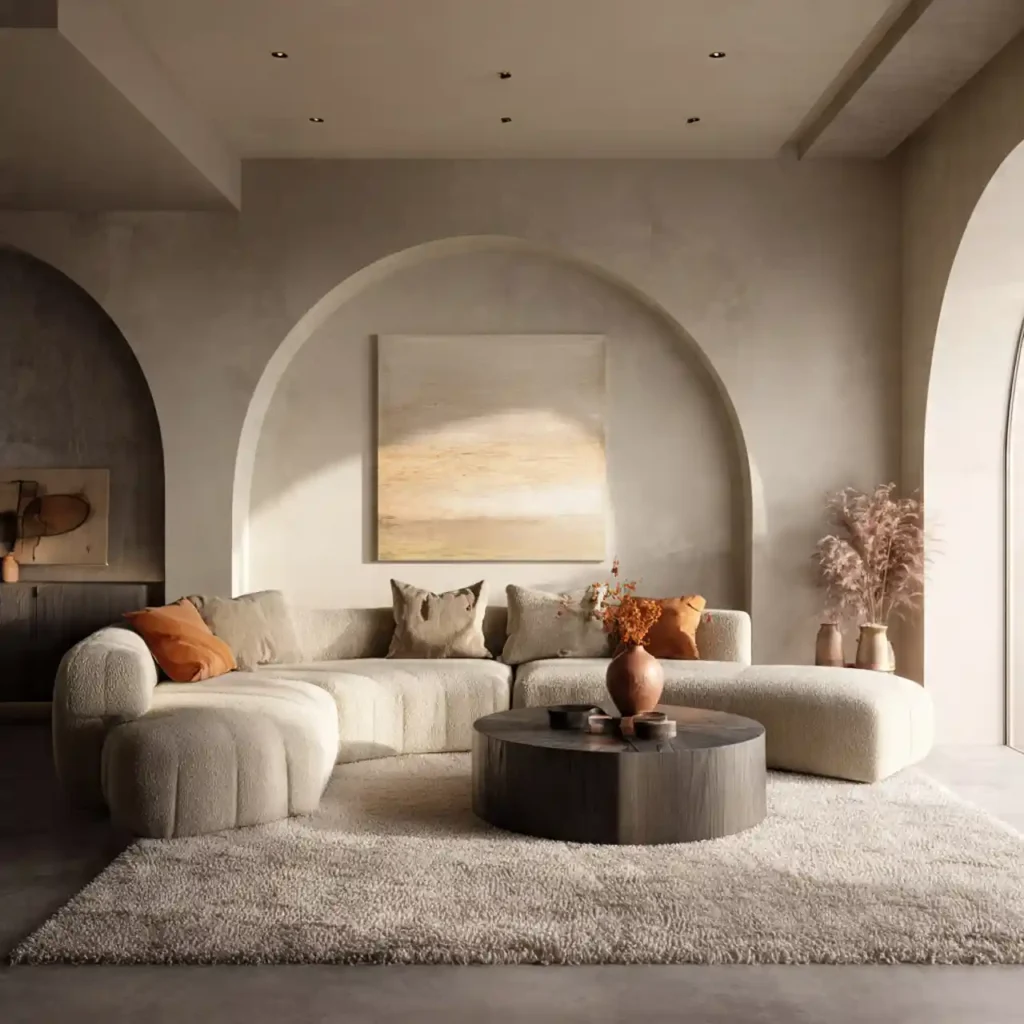
12. Hidden LED Cove Lighting
Indirect lighting hidden in ceiling coves or behind shelves creates glow without glare. This technique eliminates harsh shadows. It highlights architecture rather than fixtures. Soft perimeter light makes evenings feel luxurious. Subtlety is key to mood design.
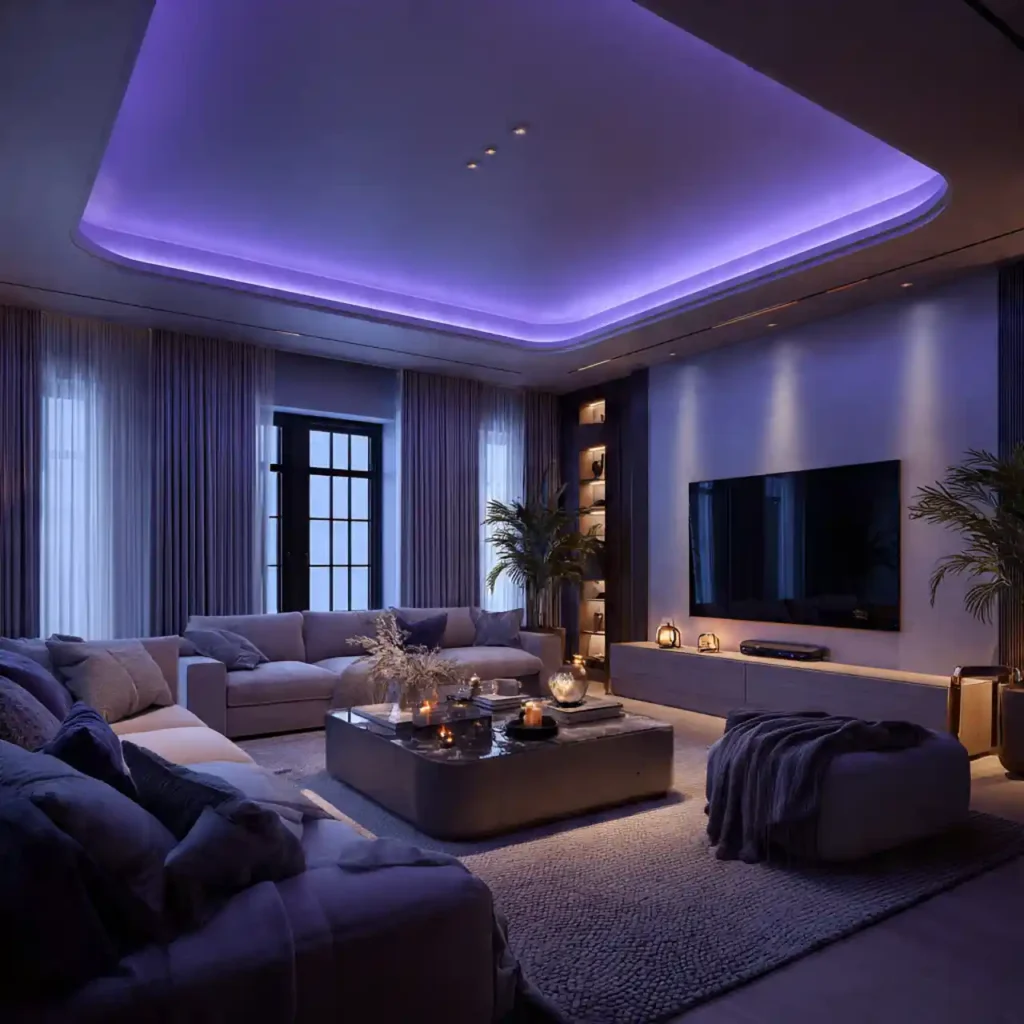
13. Gallery Wall with Muted Art
Artwork influences emotional tone instantly. Choosing muted, cohesive art pieces creates harmony. Oversized frames add sophistication. Avoiding overly bright colors keeps the mood balanced. A curated wall transforms blank space into personality.
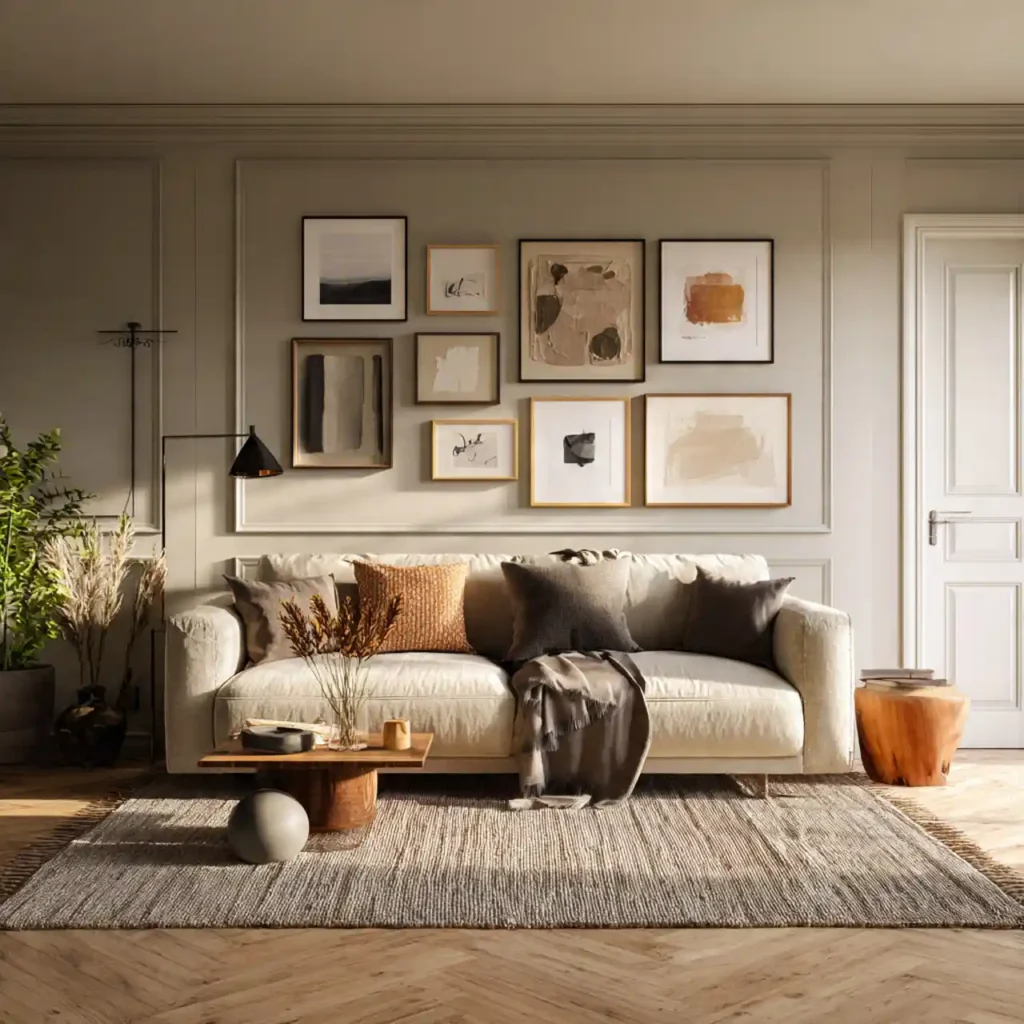
14. Natural Wood Elements
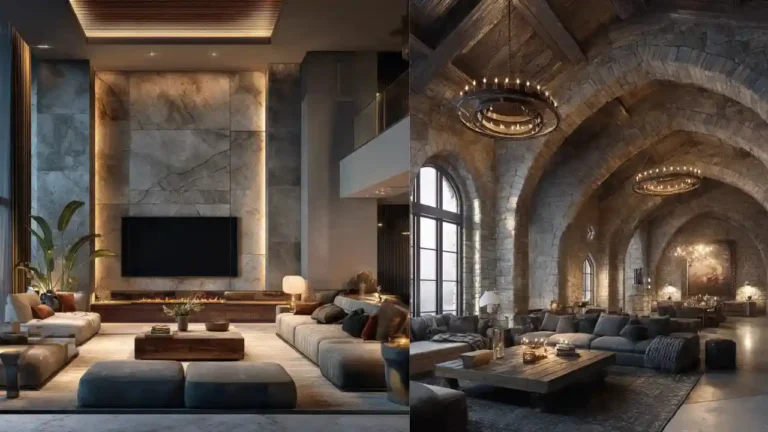
Wood introduces warmth and authenticity. Whether through a coffee table, beams, or shelving, natural materials ground the space. Wood tones contrast beautifully with soft textiles. The room feels balanced and inviting. Nature-inspired elements enhance emotional comfort.
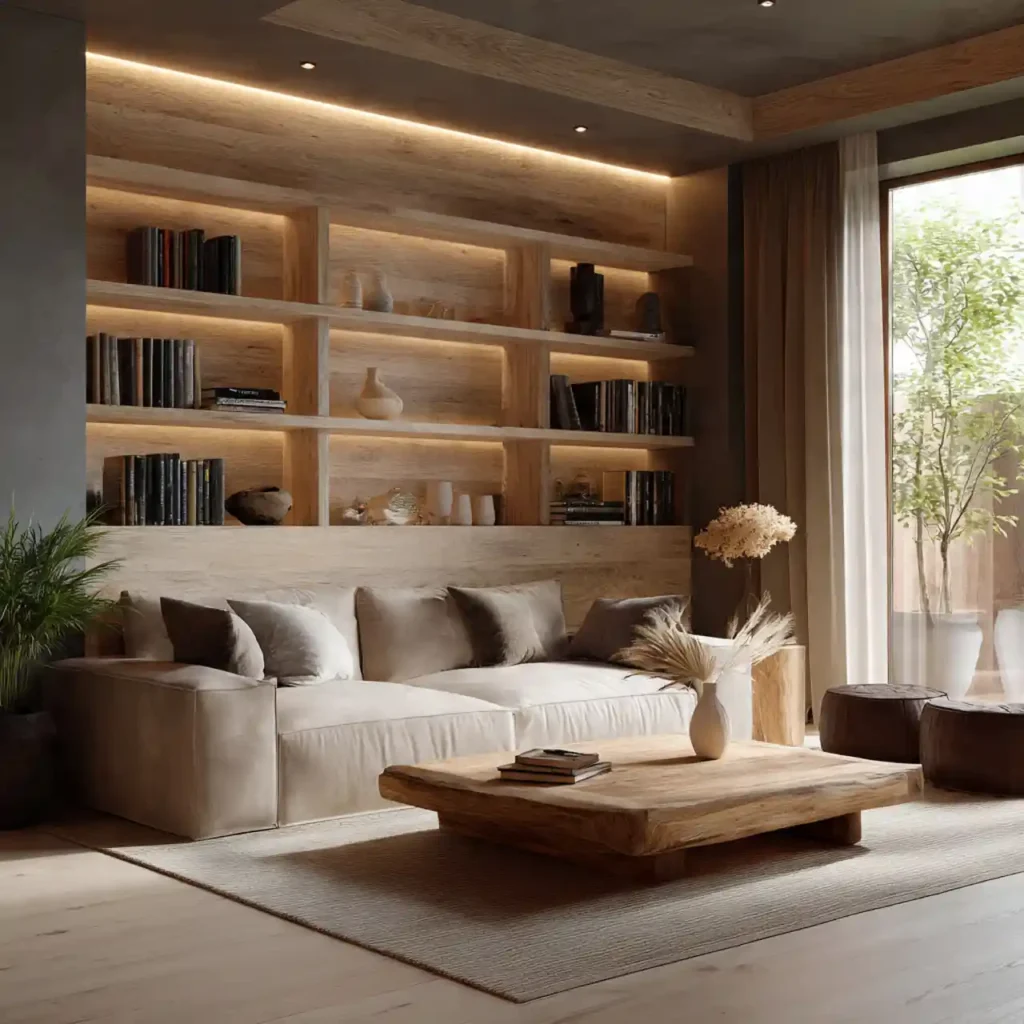
15. Conversation-Centered Layout
Arranging seating to face each other encourages interaction. Avoid pushing everything against the walls. Bringing furniture inward creates intimacy. The space begins to feel intentional rather than empty. Mood improves when layout supports human connection.
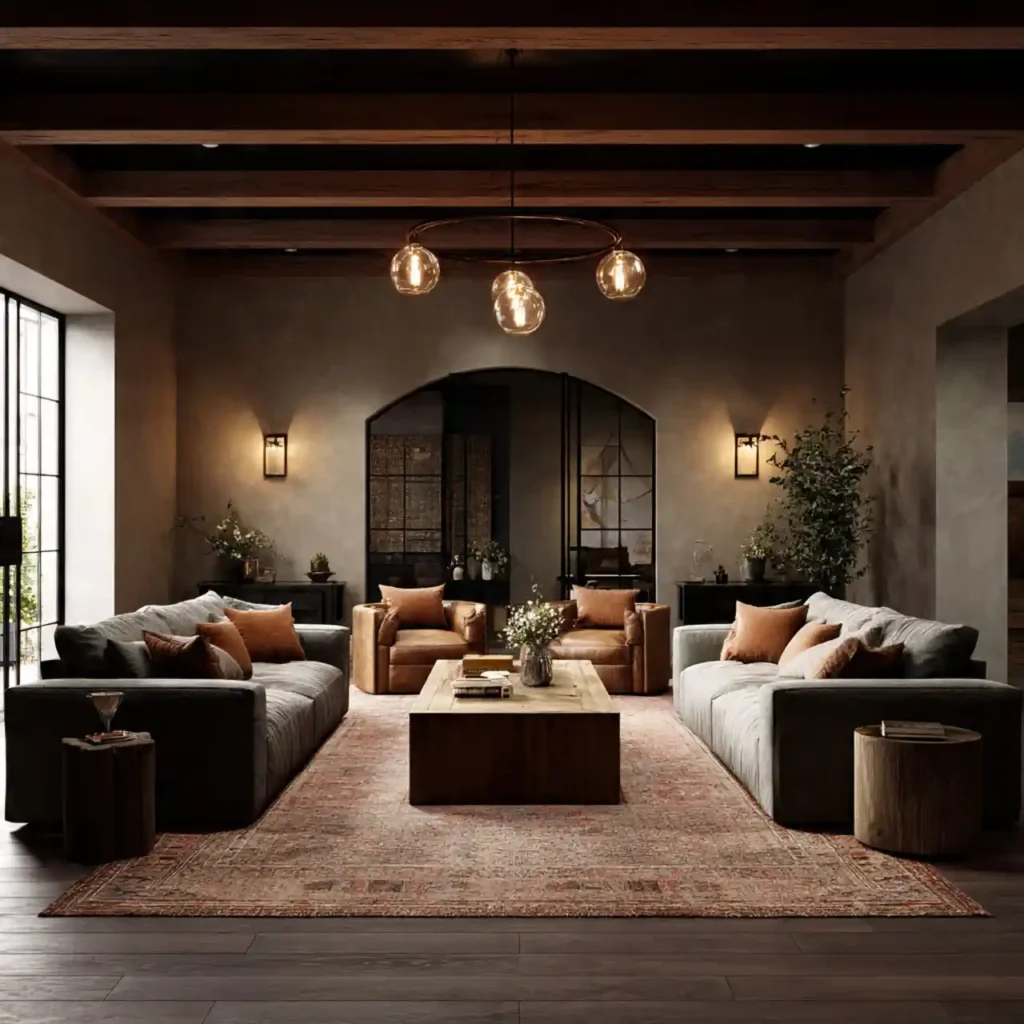
16. Layered Coffee Table Styling
Instead of clutter, thoughtful styling with books, ceramics, and candles adds personality. Varying heights create visual interest. Keeping the palette cohesive maintains calm. Styling becomes part of the atmosphere, not distraction. Small details matter.
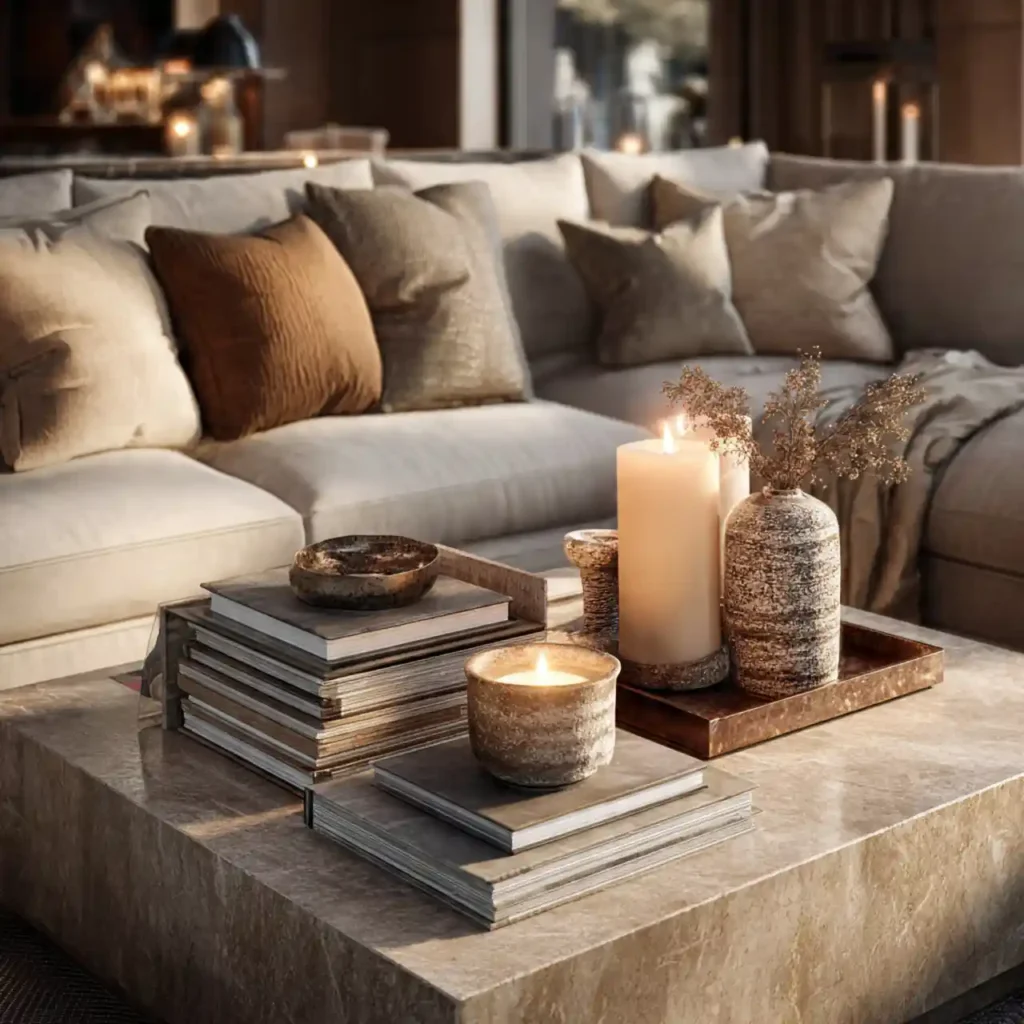
17. Subtle Metallic Accents
Brushed brass or matte black accents add understated sophistication. Lamps, trays, or hardware introduce shine without overpowering. Metallic touches reflect light softly. The result feels elevated yet balanced. Glamour works best in moderation.
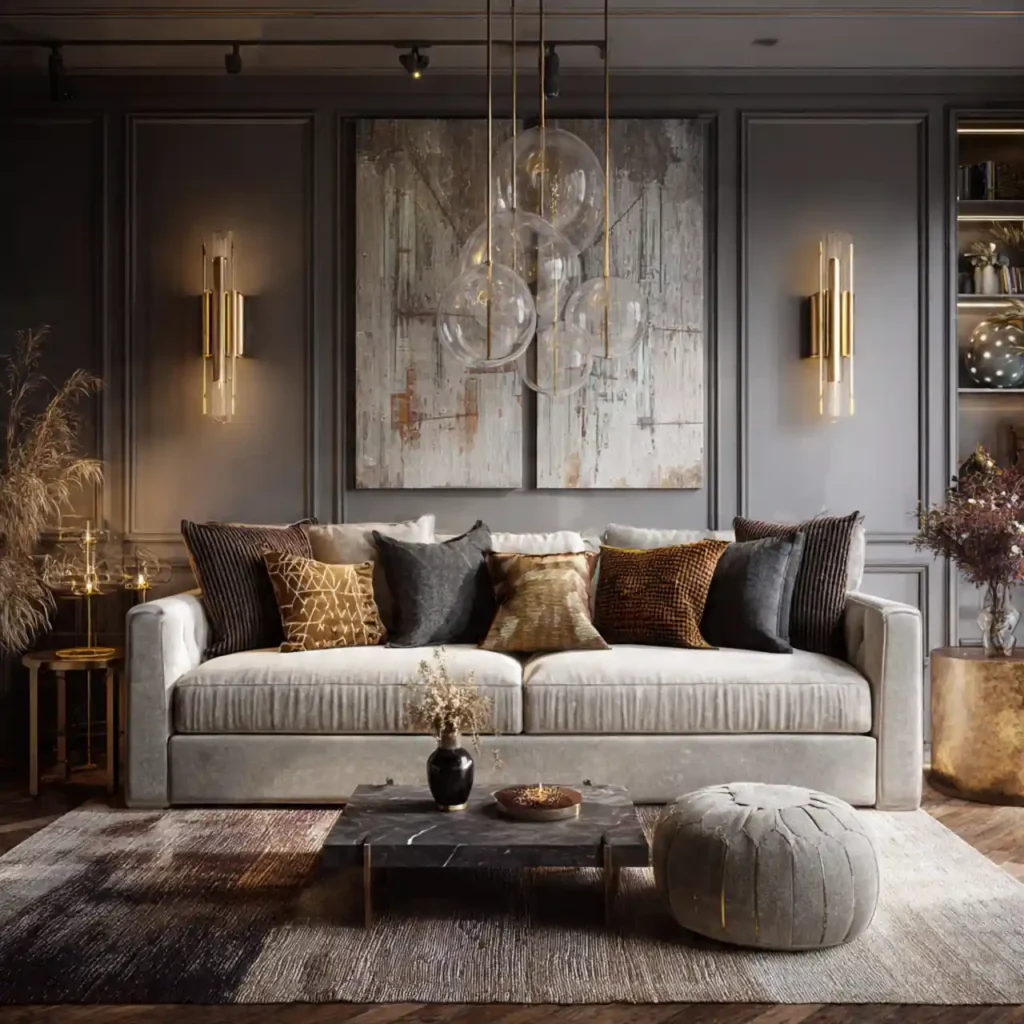
18. Indoor Plants for Soft Energy
Greenery introduces life and movement. Plants soften corners and add natural color variation. They improve air quality and emotional wellness. Even one tall plant can change spatial balance. Nature enhances atmosphere effortlessly.
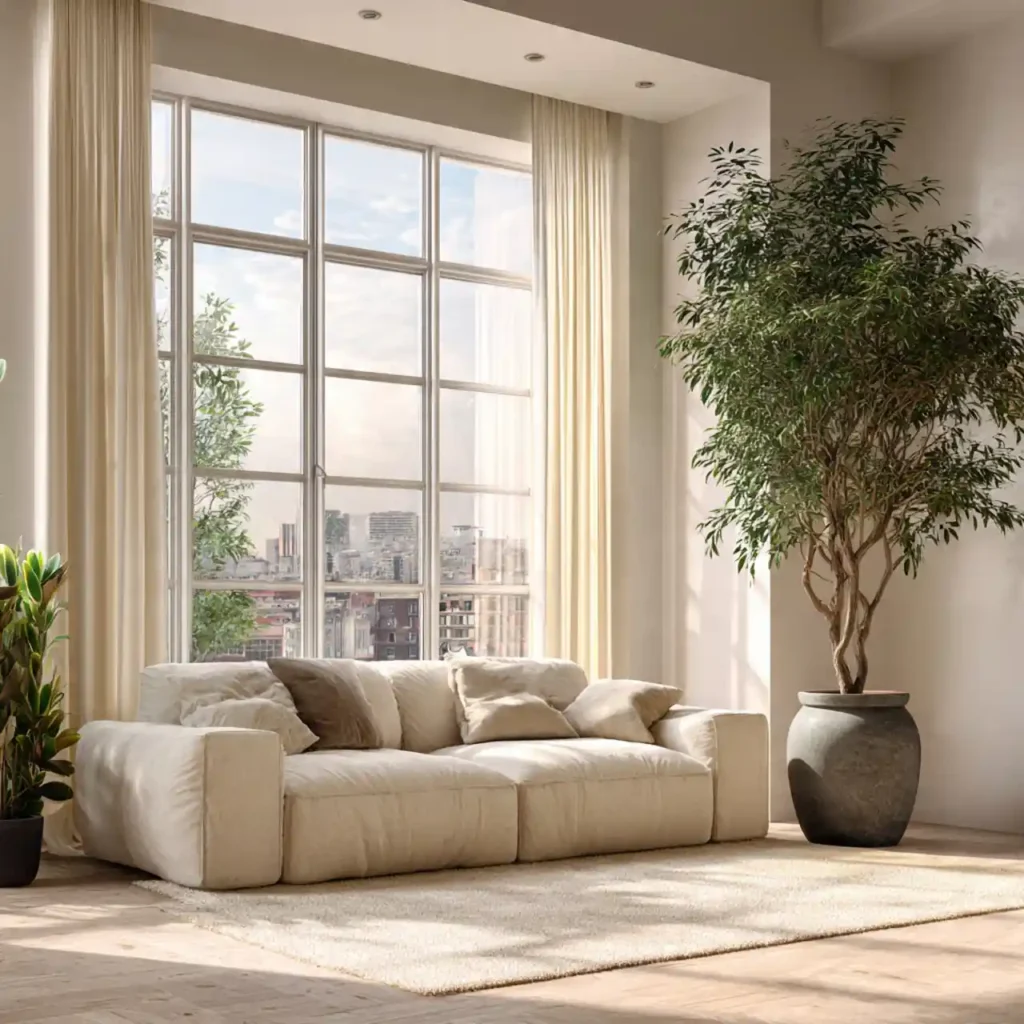
19. Built-In Shelving Glow
Shelves with integrated lighting create depth and focus. Displaying curated objects adds personality. Warm backlighting makes the room feel custom-designed. Built-ins also reduce clutter. The effect is polished and intimate.
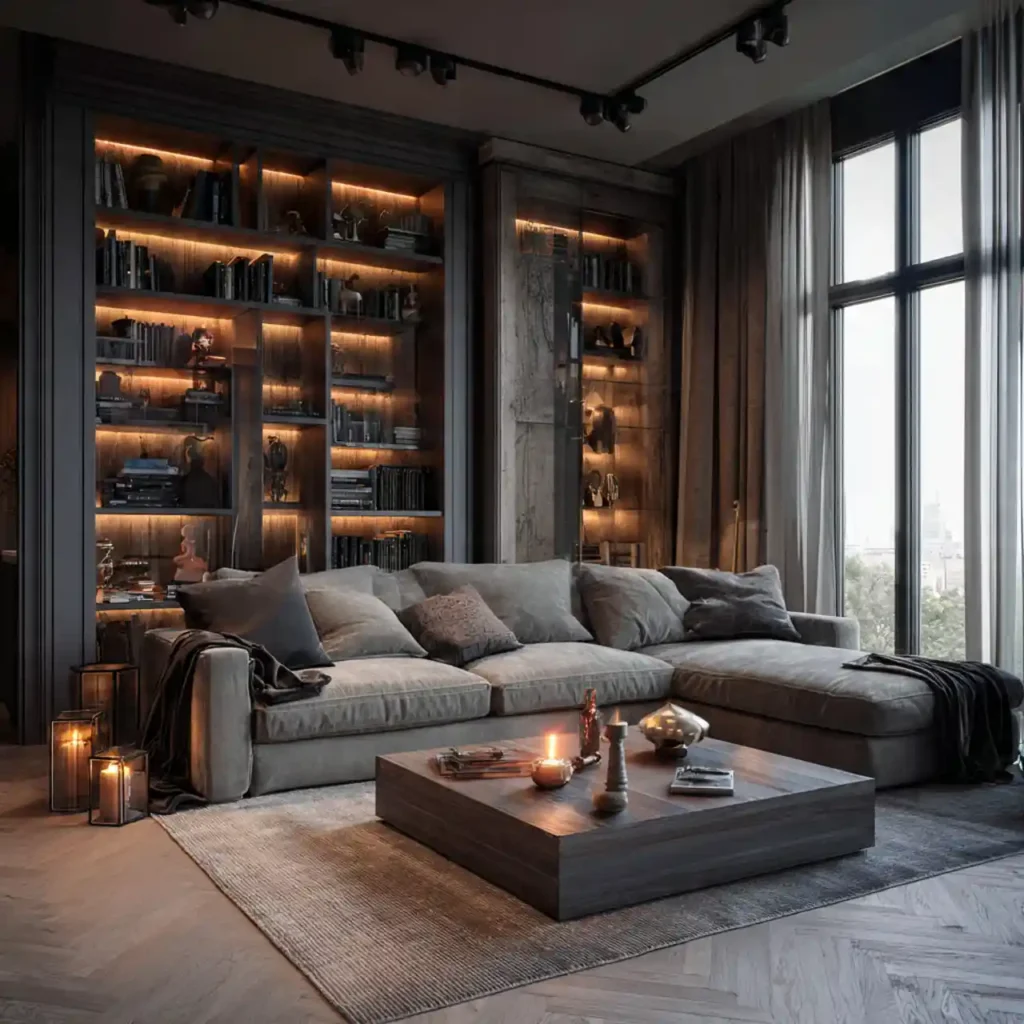
20. Balanced Negative Space
Atmosphere improves when the room can breathe. Leaving intentional empty areas prevents visual overwhelm. Negative space allows focal points to stand out. It creates calm and sophistication. Sometimes what you remove defines the mood more than what you add.
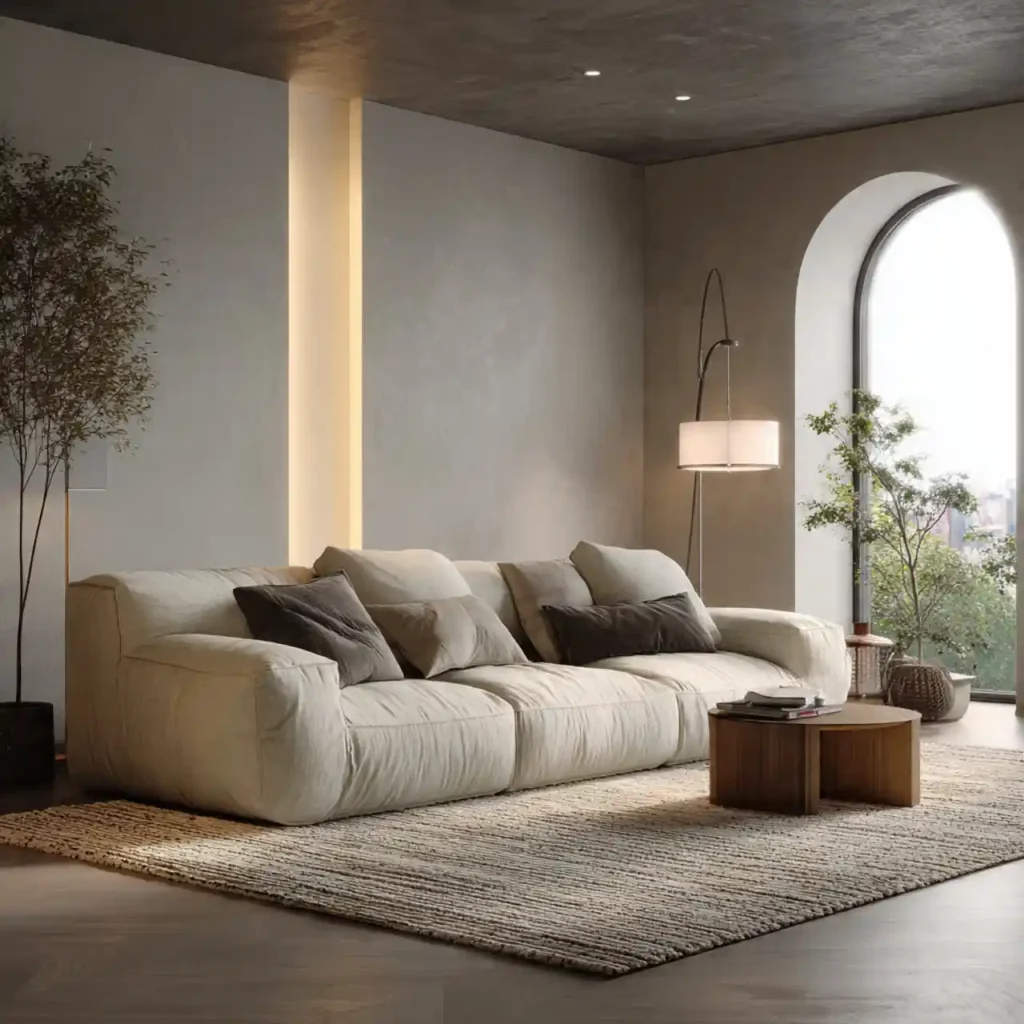
Final Thoughts:Mood-Centered Living Room Design
Designing an atmosphere-focused living room is about emotional intention rather than decoration alone. Lighting, texture, layout, and subtle material choices work together to influence how a space feels at different times of day.These 20 Mood-Centered Living Room Design are the most successful rooms are not the ones with the most furniture, but the ones with the most thoughtful balance. When you prioritize mood, your living room transforms from a functional area into a living experience. Even small adjustments can dramatically shift the energy of your space.