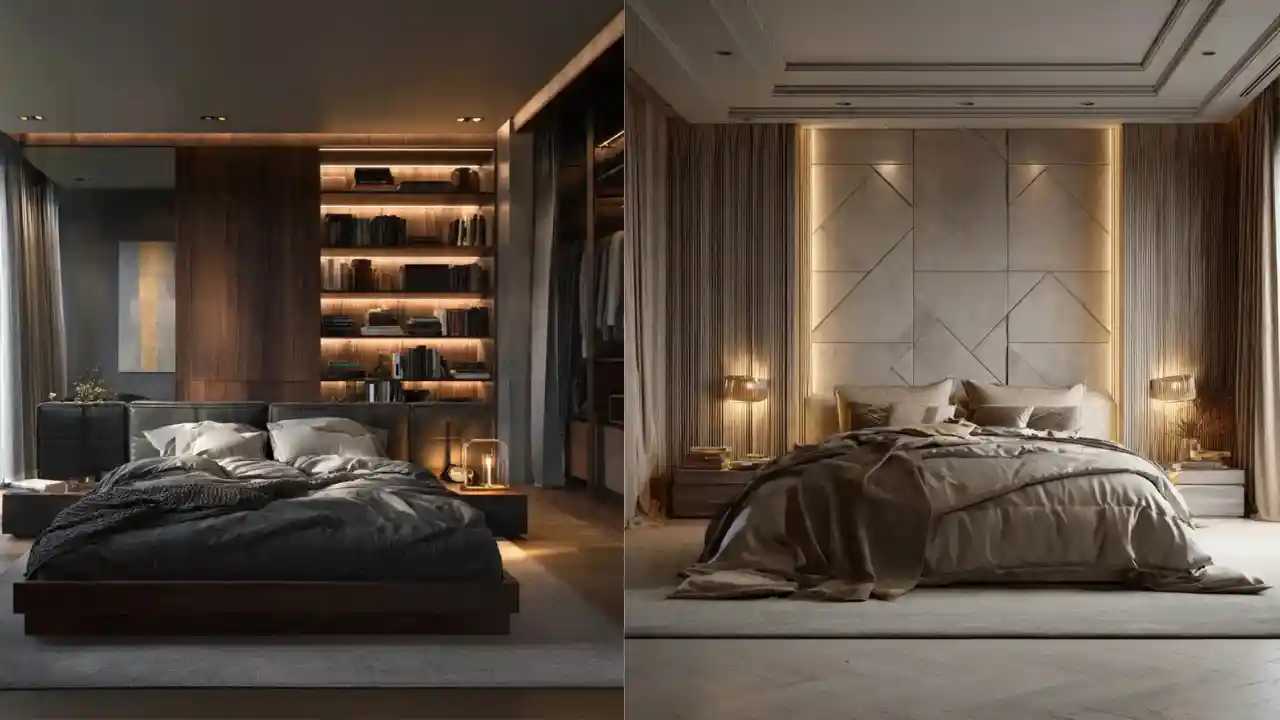
25 Luxury Sensory Bedroom Design Ideas
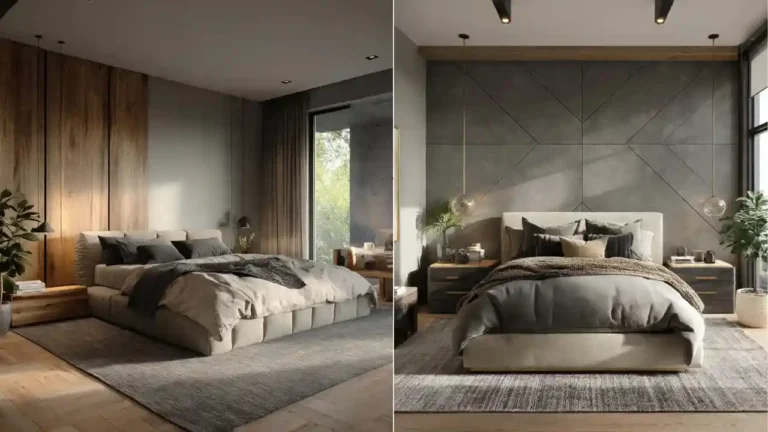
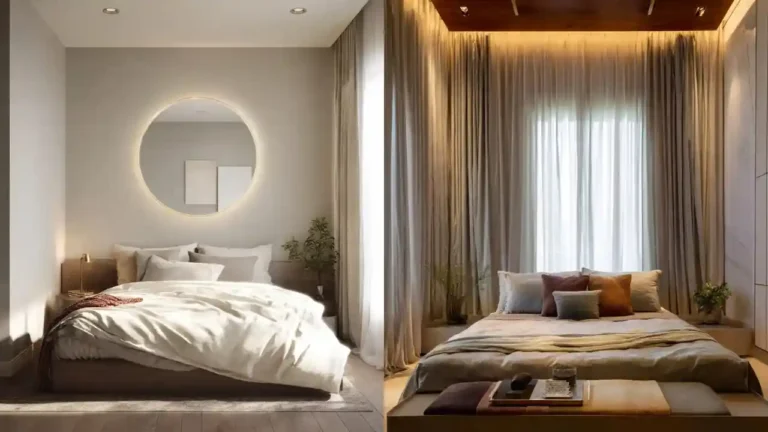
A truly luxurious bedroom is not just about how it looks it’s about how it makes you feel the moment you step inside. Five-star hotels understand this deeply. They design rooms that engage the senses: soft lighting that calms the eyes, textures that invite touch, subtle scents that relax the mind, and layouts that create instant emotional comfort. When sensory design is done right, your bedroom transforms from a simple sleeping space into a restorative retreat. These 25 Luxury Sensory Bedroom Design Ideas by The Home Vista focus on atmosphere, texture, lighting, sound, and subtle luxury details that elevate everyday living into a hotel-level experience.
1. Layered Ambient Lighting Design
A five-star retreat never relies on one harsh ceiling light. Instead, it uses layered lighting including warm bedside lamps, hidden LED strips, and soft wall sconces to create depth and calm. Warm white tones around 2700K instantly make the room feel relaxing rather than clinical. Dimmable lighting allows you to shift the mood from morning energy to nighttime serenity. The result is a space that visually feels soft and emotionally grounding.
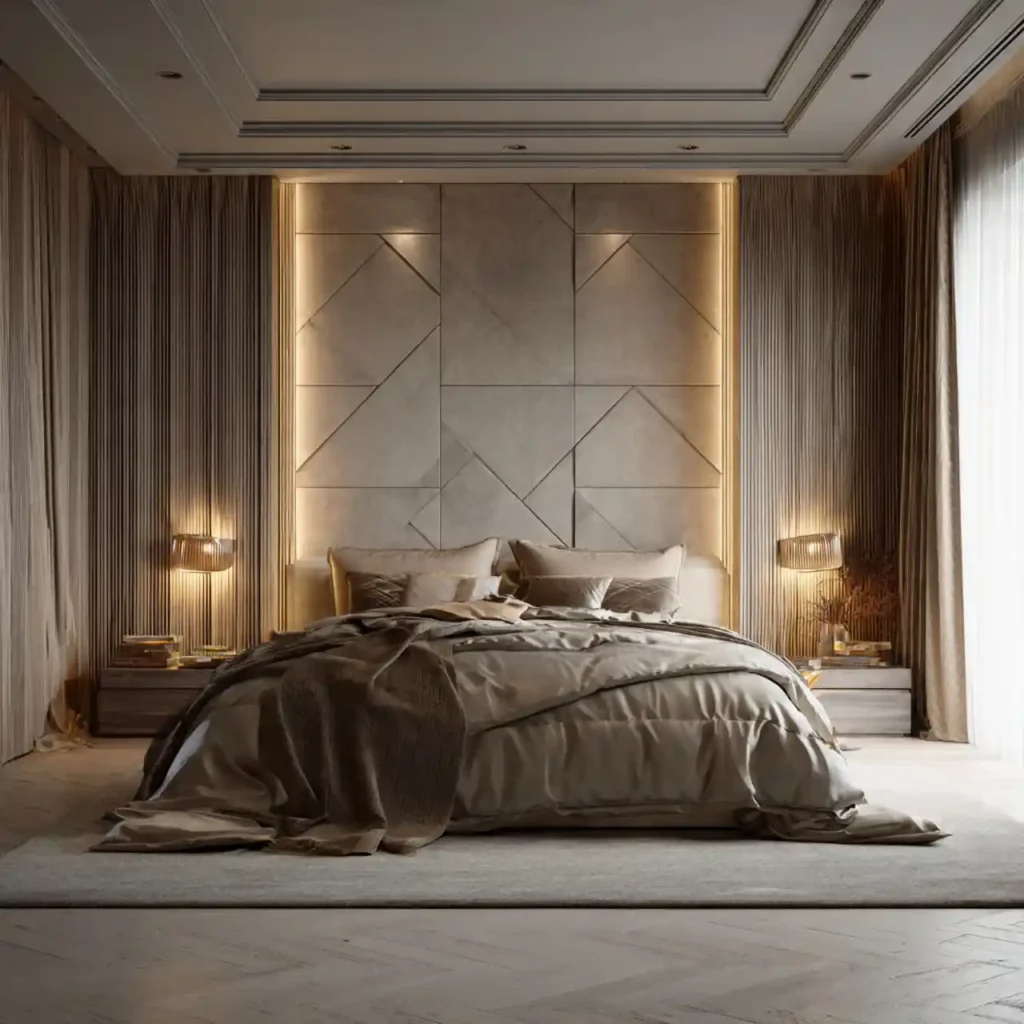
2. Oversized Upholstered Headboard
An extended fabric headboard adds both visual comfort and physical softness. Velvet, boucle, or linen textures create a tactile experience that feels premium. When the headboard stretches wider than the bed, it makes the room feel custom-designed. Soft padding also absorbs sound slightly, enhancing the sense of quiet. This single feature instantly creates boutique-hotel energy.
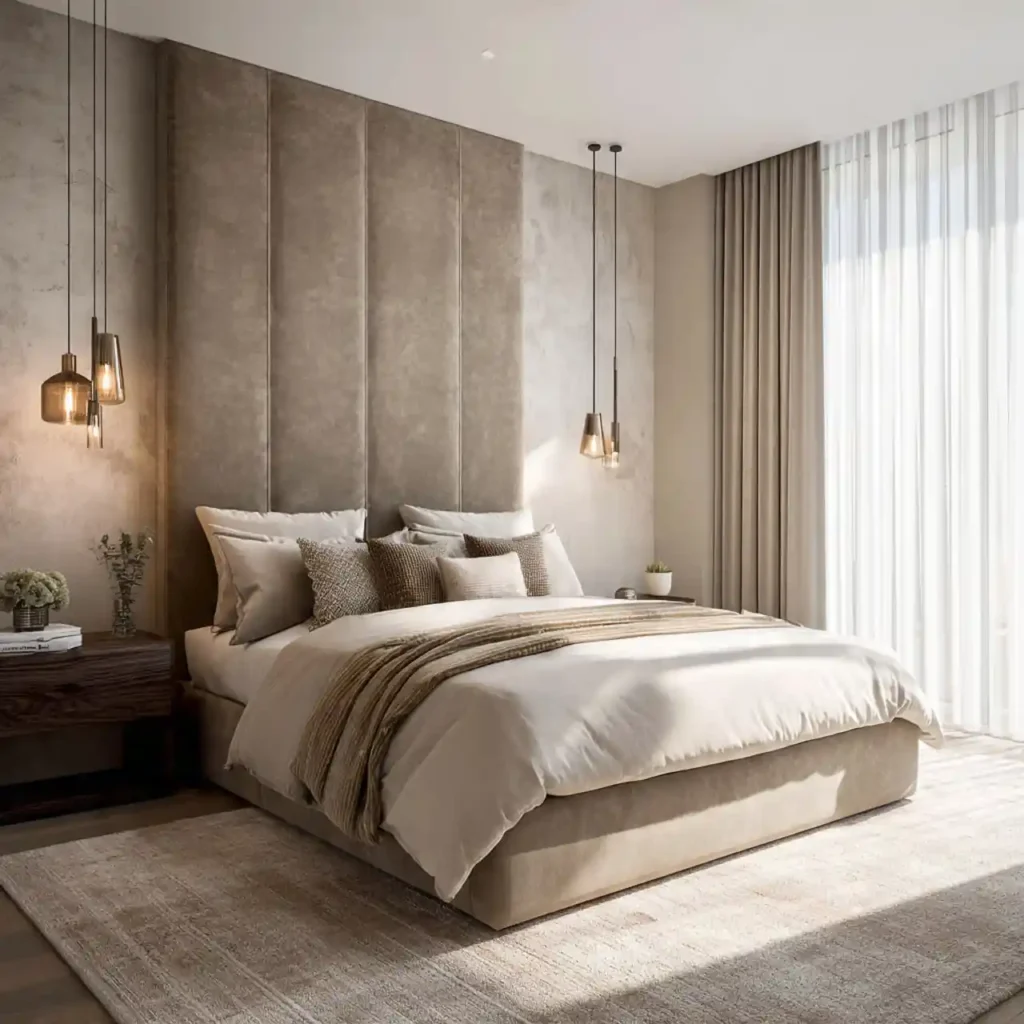
3. High-Thread-Count Neutral Bedding
Luxury hotels prioritize bedding above everything else. Crisp cotton sheets with high thread counts feel smooth and breathable against the skin. Neutral palettes like ivory, taupe, and warm white create visual calm. Layering duvets, quilts, and throws adds softness and depth. The tactile sensation of premium bedding transforms sleep quality.
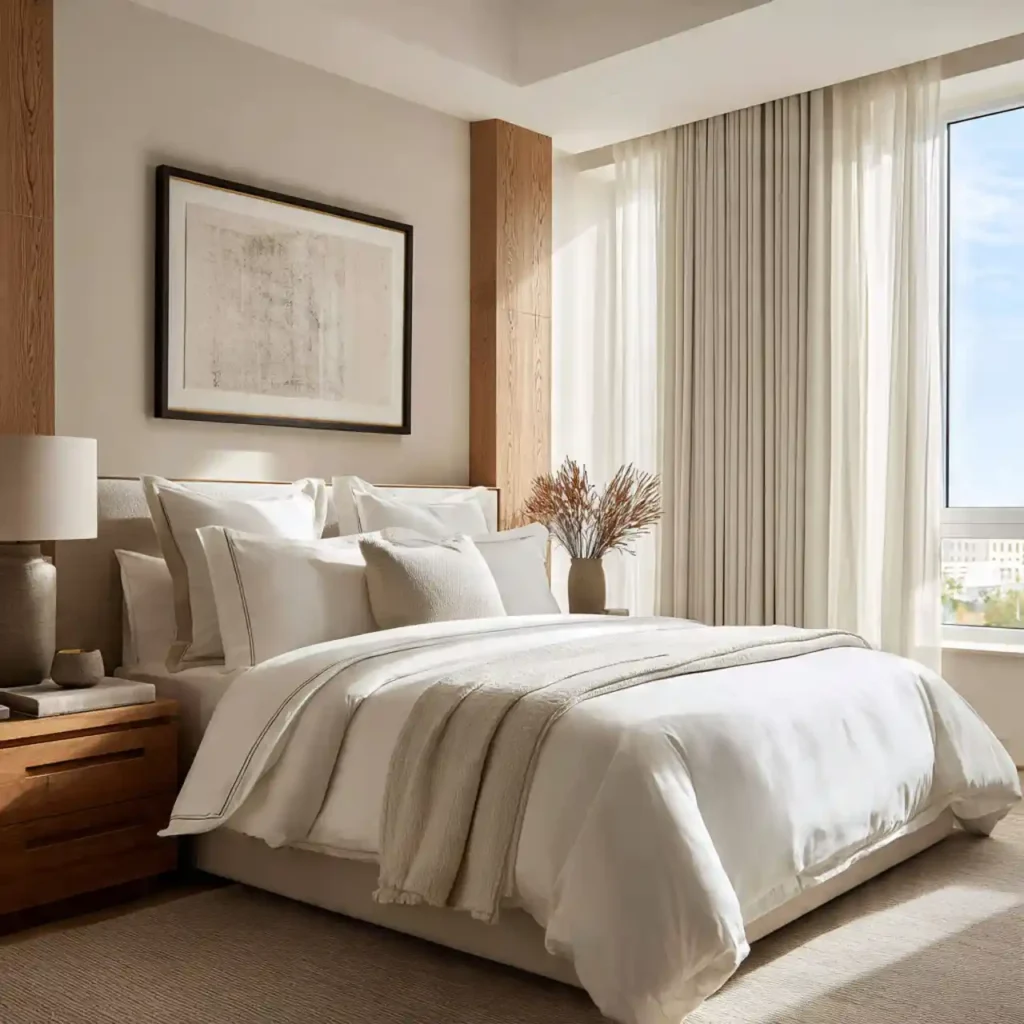
4. Floor-to-Ceiling Curtains
Long, flowing drapes soften acoustics while adding visual elegance. Heavy blackout lining ensures complete darkness for deeper rest. When curtains extend from ceiling to floor, they visually elongate the room. Textured fabrics like linen blends enhance the sensory richness. They create privacy, quiet, and luxury in one move.
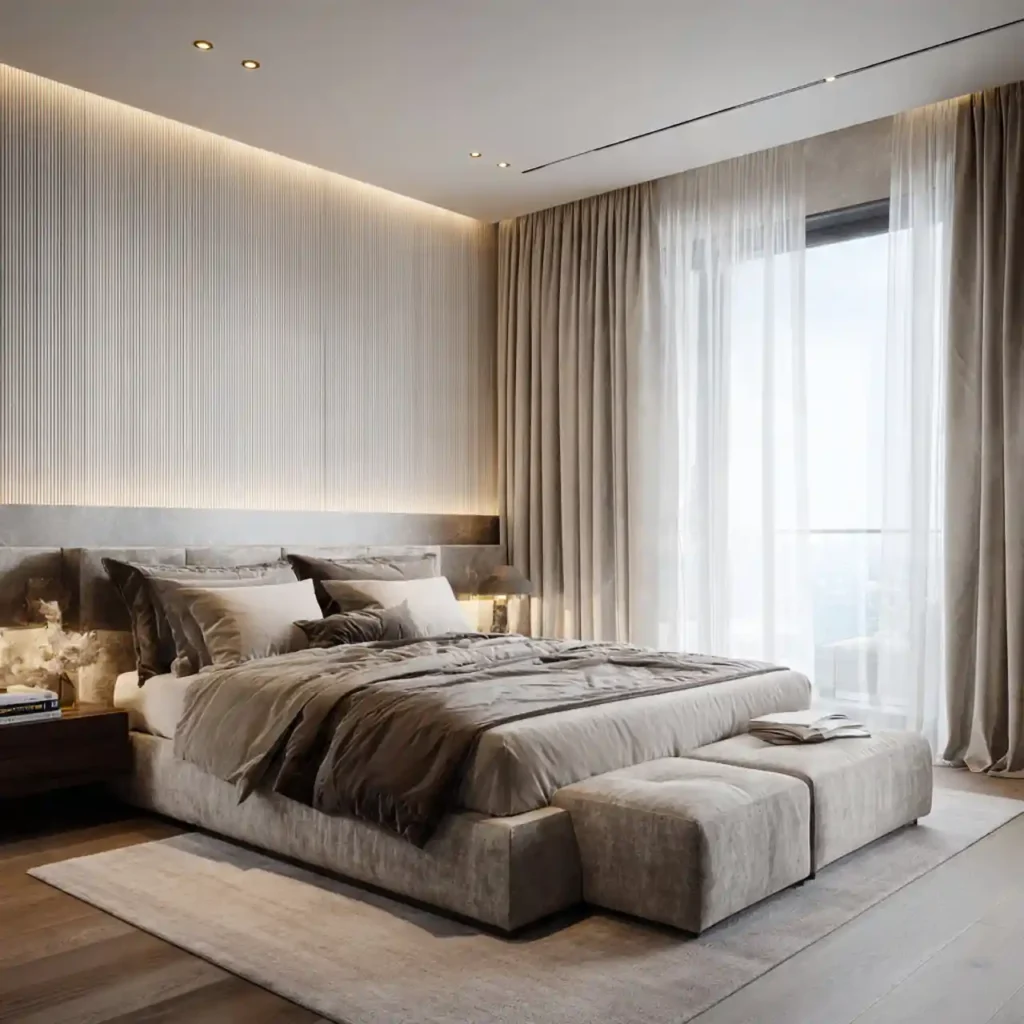
5. Plush Underfoot Rugs
Stepping onto a soft rug first thing in the morning changes the emotional tone of your day. Deep-pile or wool rugs add warmth and sound absorption. Neutral or muted tones maintain a peaceful environment. Layering a larger rug under the bed creates a grounded feeling. Texture underfoot is one of the most underrated luxury elements.
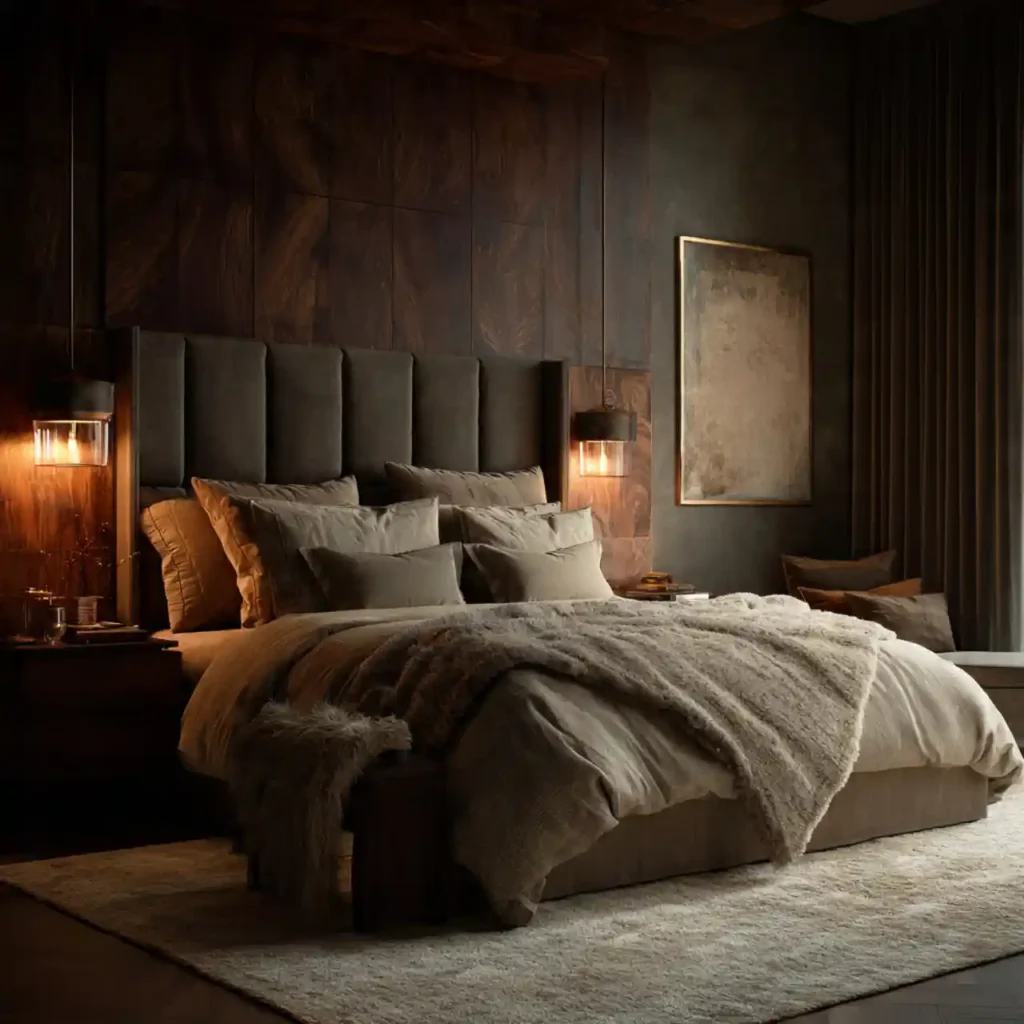
6. Soft Acoustic Wall Panels
Five-star suites are quiet for a reason. Upholstered wall panels or padded sections subtly reduce echo and outside noise. Fabric panels in neutral tones blend with the decor. This detail enhances intimacy and calmness. Silence becomes part of the design language.
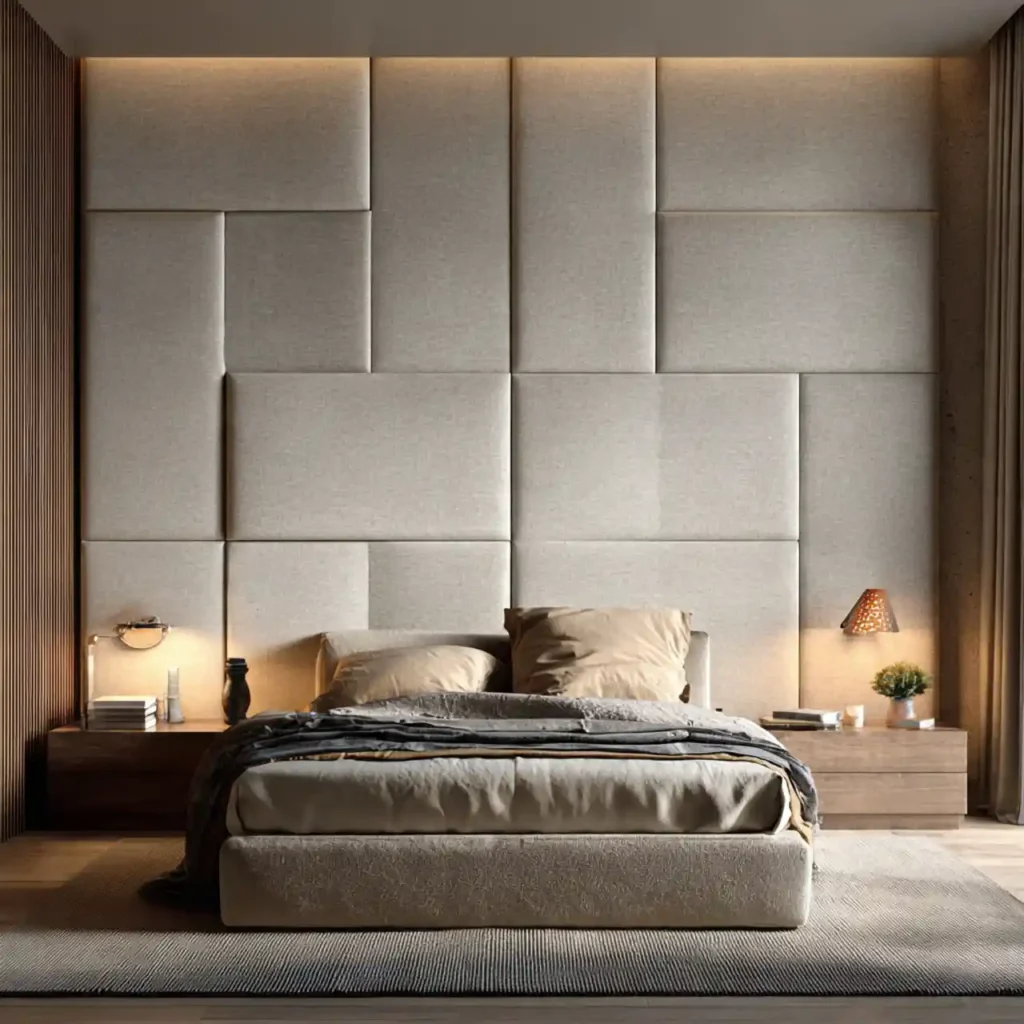
7. Scented Atmosphere Layering
Luxury bedrooms often include subtle fragrance. A linen spray, essential oil diffuser, or soft candle scent like lavender or sandalwood enhances relaxation. The scent should be gentle, never overpowering. Associating a specific fragrance with sleep builds a calming routine. Smell is one of the strongest emotional triggers in design.
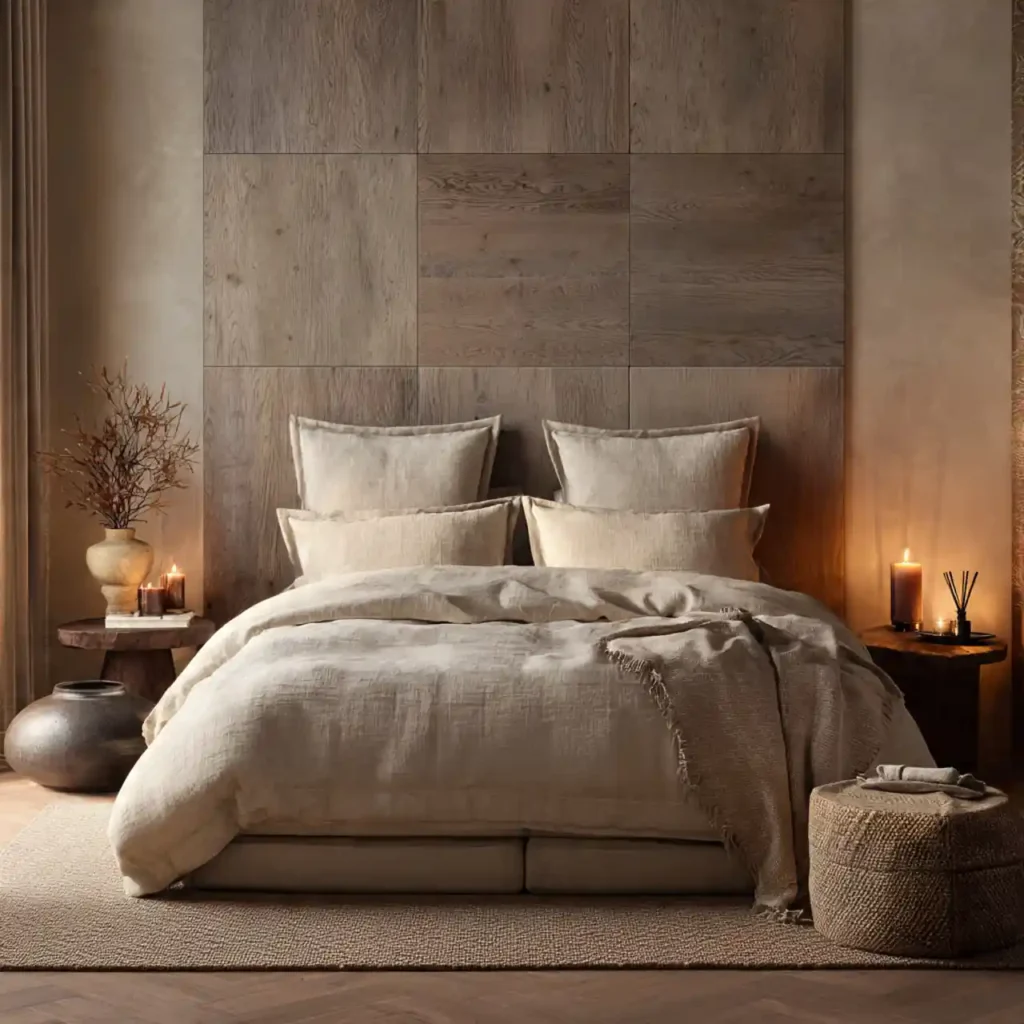
8. Minimal Visual Clutter
Five-star rooms feel peaceful because they eliminate unnecessary visual noise. Clean nightstands, concealed storage, and streamlined decor allow the mind to relax. When surfaces are calm, your brain rests more easily. Thoughtful editing of decor increases sophistication. Simplicity is a sensory experience in itself.
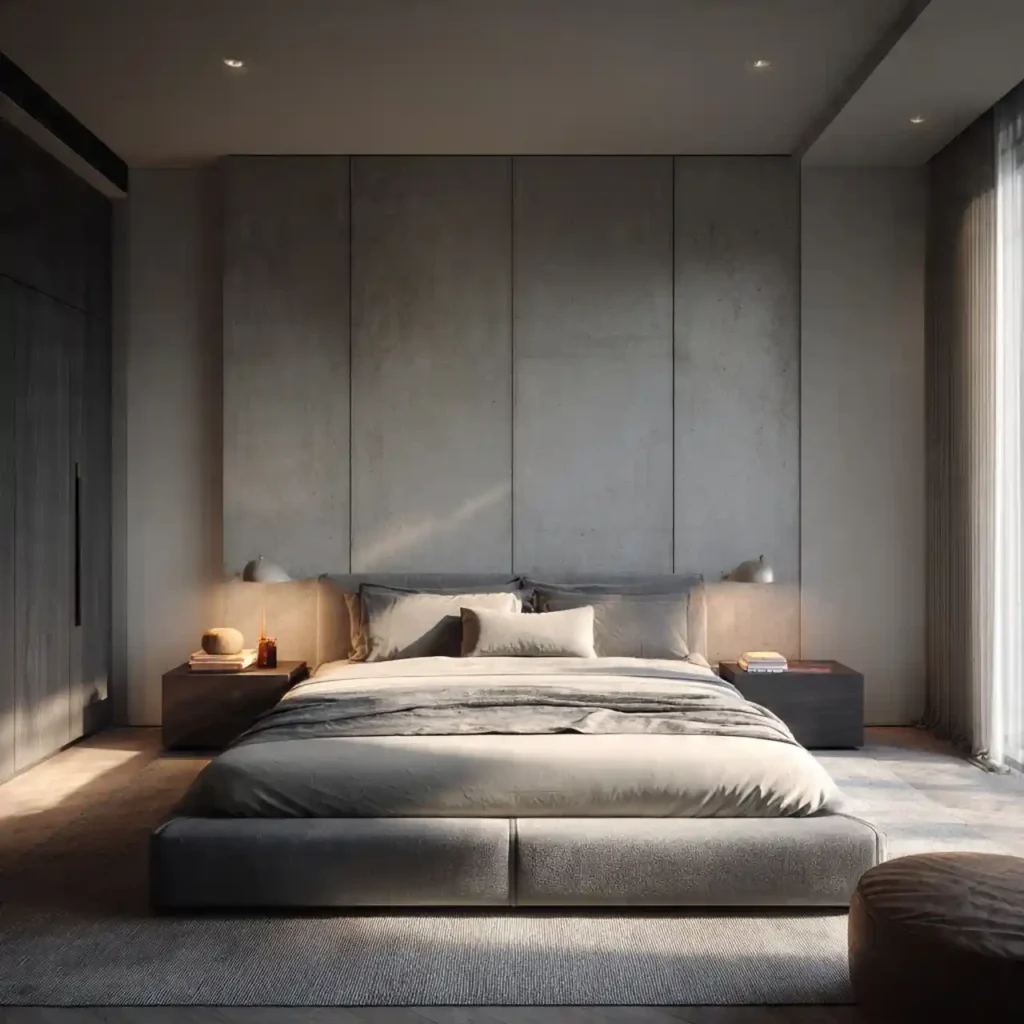
9. Warm Wood Accents
Natural wood tones introduce warmth without overwhelming the senses. Oak bedside tables or walnut flooring create subtle richness. Organic materials ground the space emotionally. Wood contrasts beautifully with soft textiles. It adds balance between softness and structure.
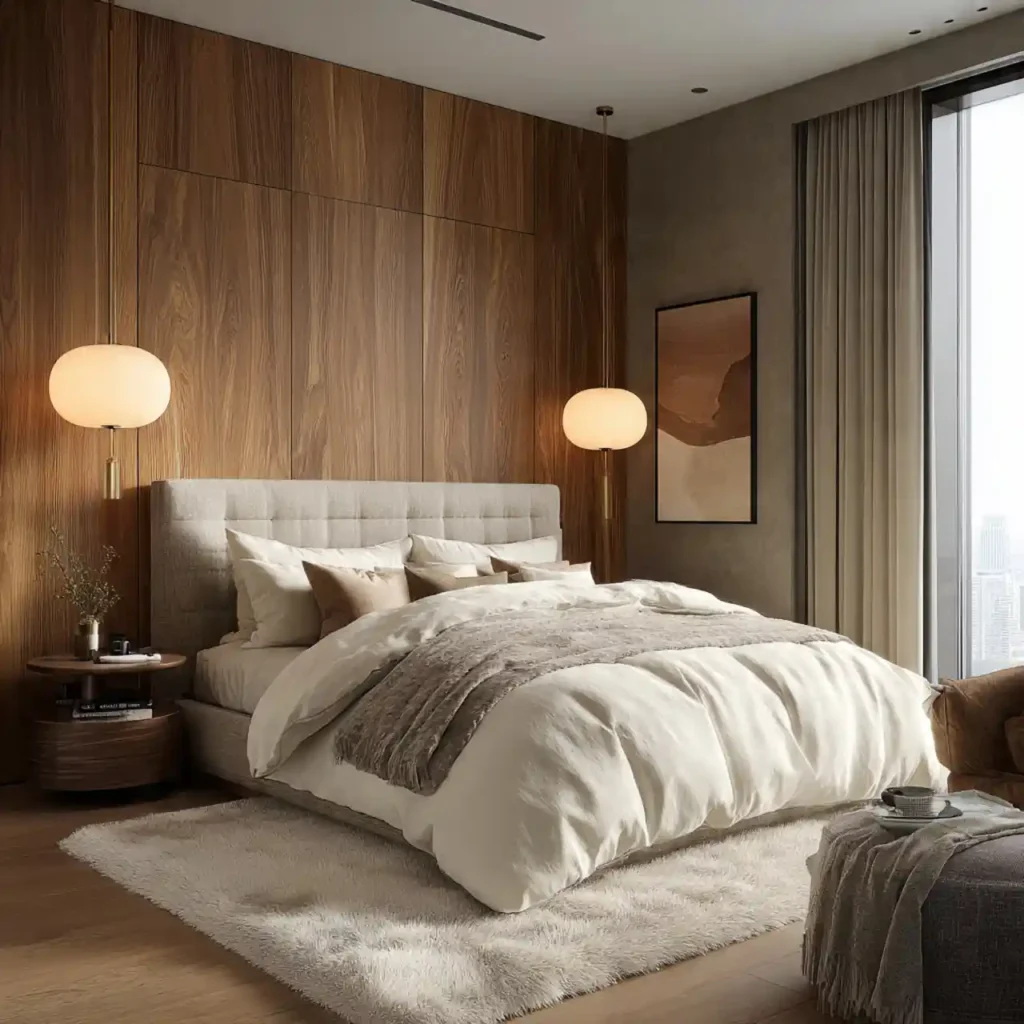
10. Integrated Bedside Controls
Modern luxury includes convenience. Integrated switches for lighting or hidden charging stations reduce visual clutter. This thoughtful functionality improves the nightly routine. Seamless tech integration keeps the aesthetic clean. Comfort today includes smart design details.
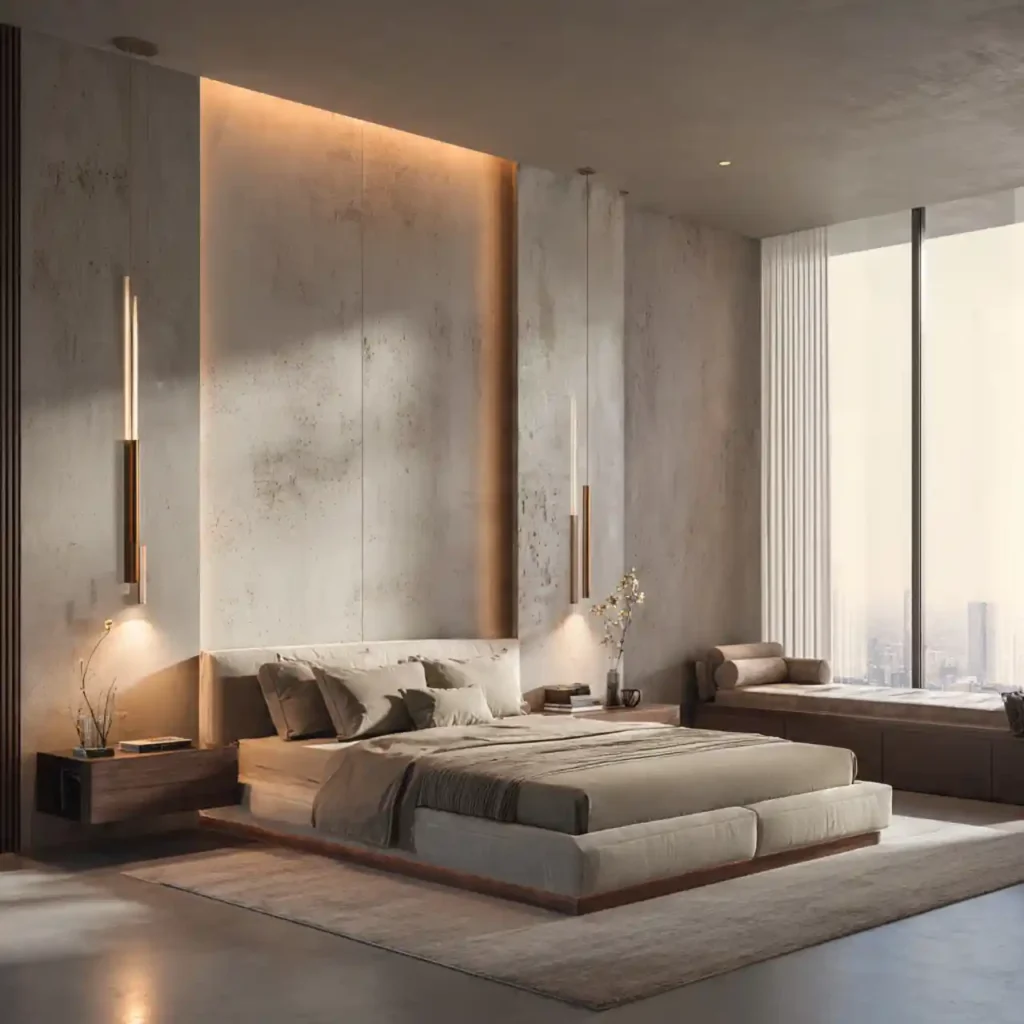
11. Curved Furniture Silhouettes
Rounded nightstands or curved benches feel softer to the eye than sharp edges. Curves psychologically signal comfort and safety. They also create flow within the room. Organic forms add a gentle elegance. This small shift changes the emotional atmosphere.
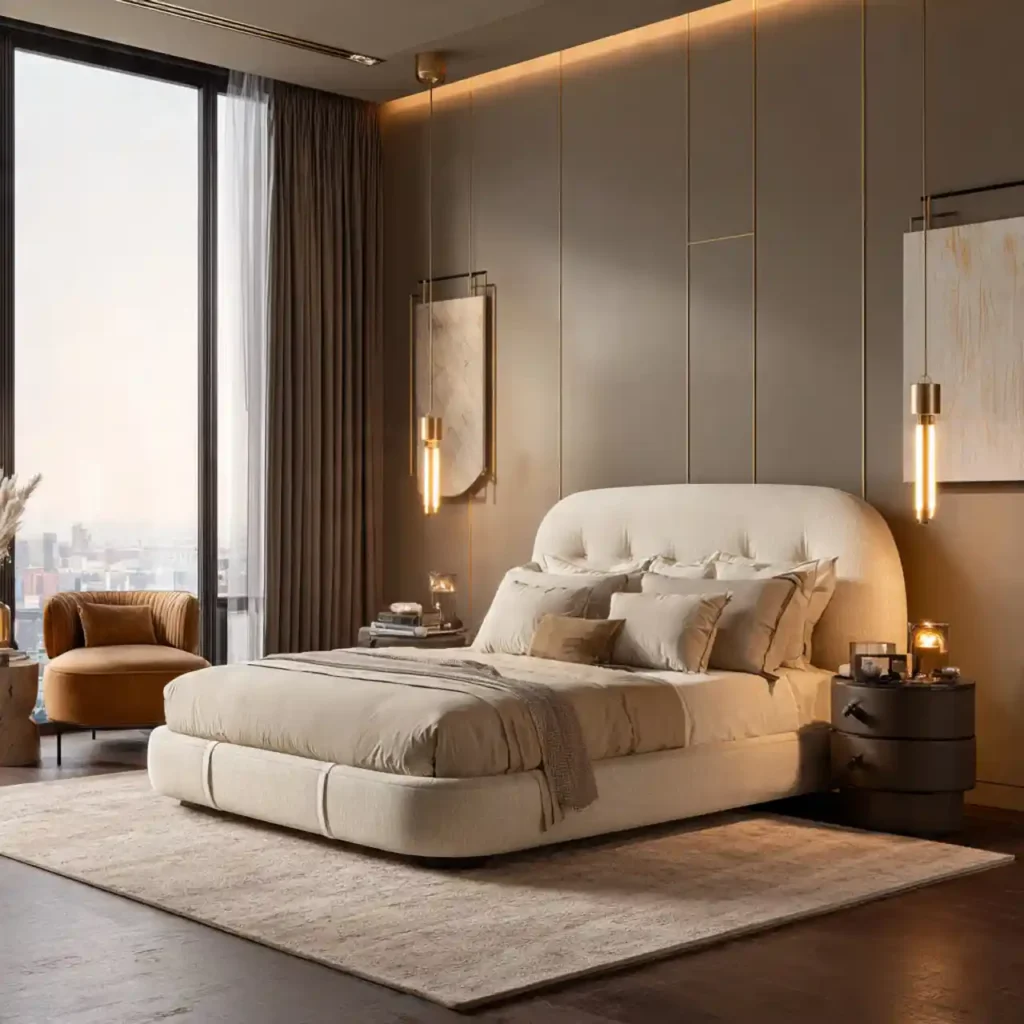
12. Soft Monochromatic Palette
Using varying shades of one color family creates harmony. Beige-on-beige or soft grey layering feels sophisticated. Subtle contrast adds interest without overstimulation. Monochrome schemes reduce visual stress. The bedroom becomes a visual exhale.
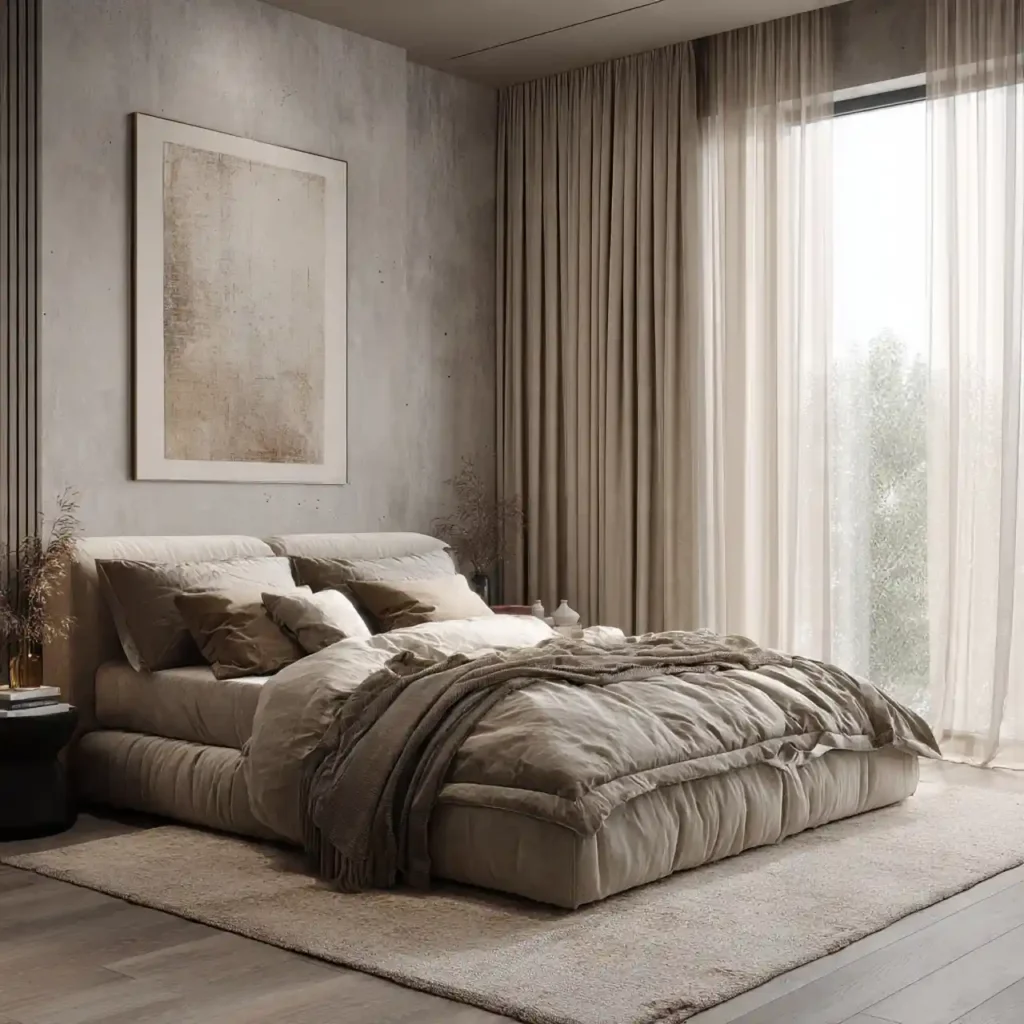
13. Statement Pendant Lighting
Instead of basic lamps, suspended pendant lights add drama. Soft-glow glass pendants feel elegant and modern. Hanging lights free up nightstand space. They also create symmetry and design focus. Lighting becomes sculptural yet calming.
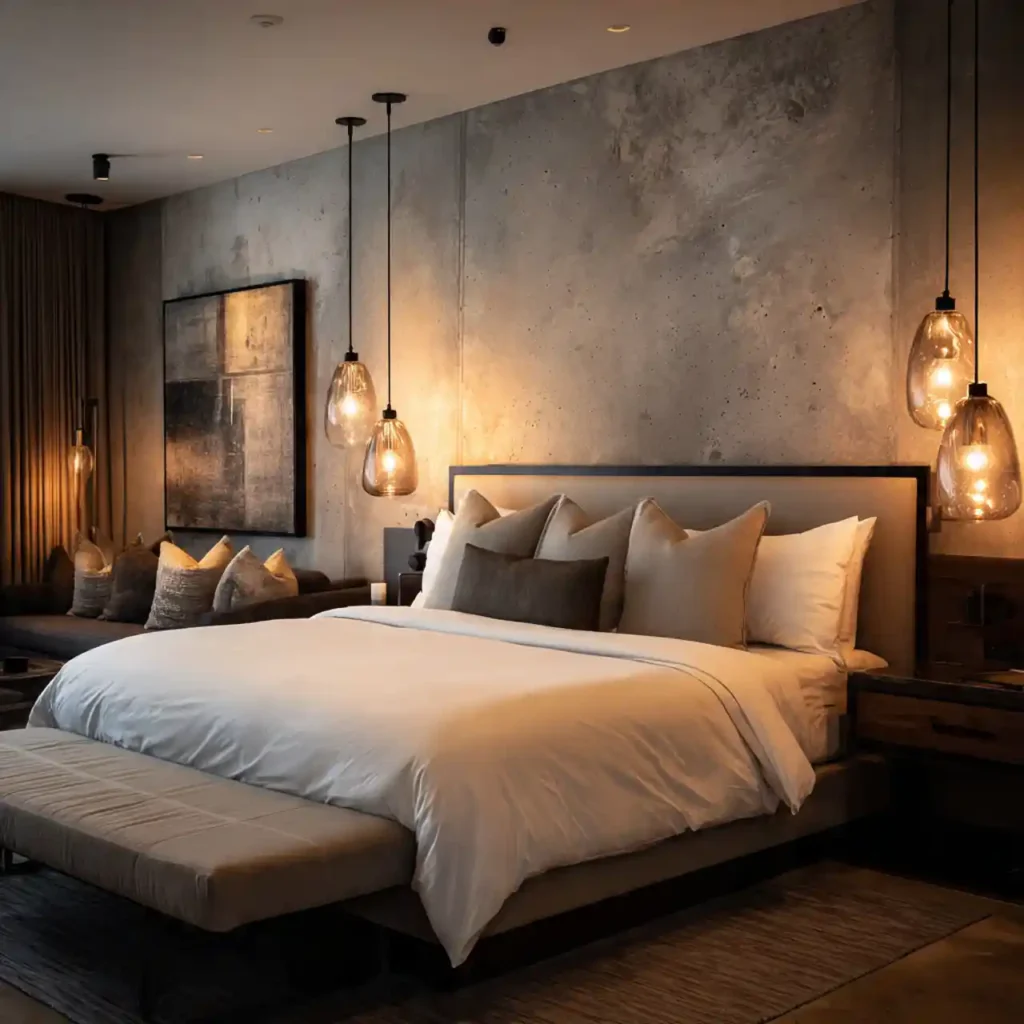
14. Textured Wall Finishes
Limewash or soft matte paint finishes create depth without bold patterns. Subtle texture adds interest when light hits the walls. This enhances the tactile quality of the space. It feels refined rather than flat. Texture stimulates the senses quietly.
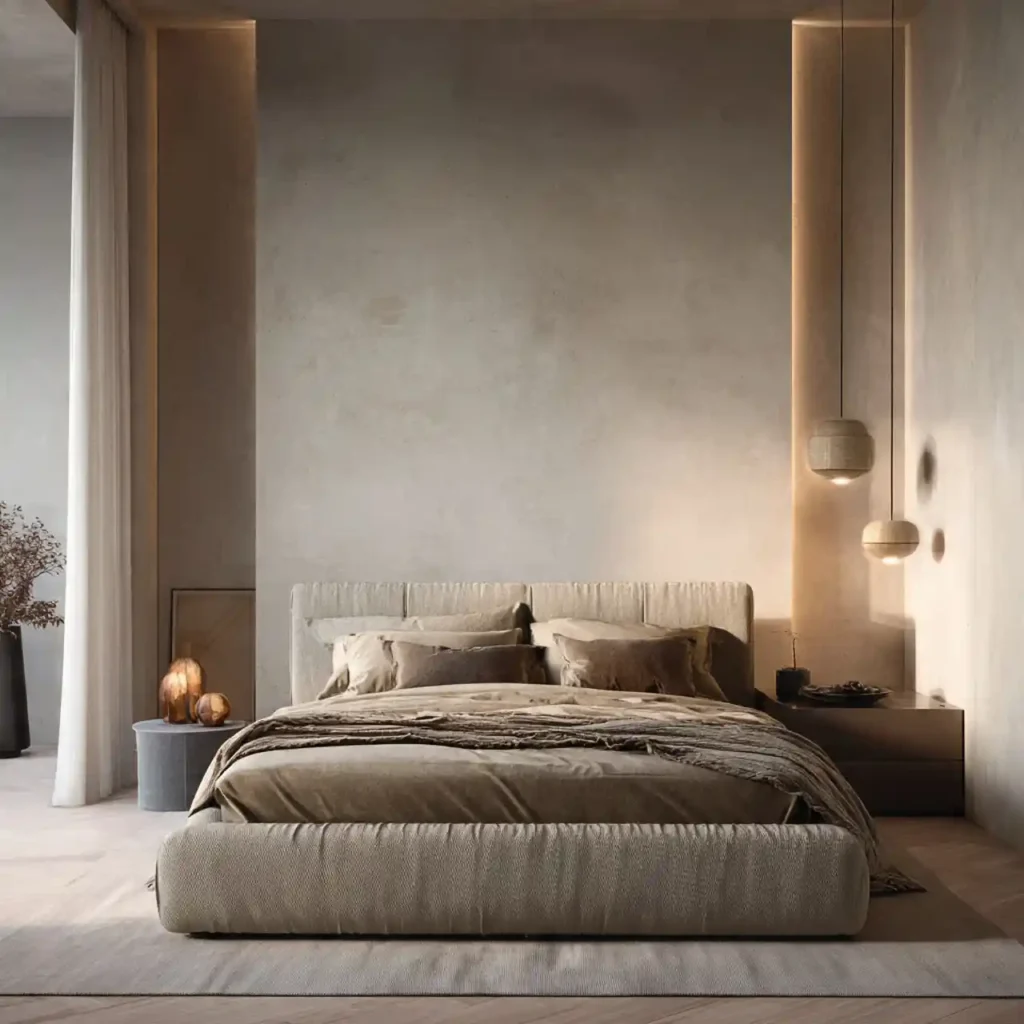
15. Upholstered Bed Base
A padded bed frame absorbs sound and adds softness visually. Fabric-wrapped bases feel tailored and custom. Neutral tones keep the mood serene. The extra cushioning enhances comfort. It completes the boutique-hotel aesthetic.
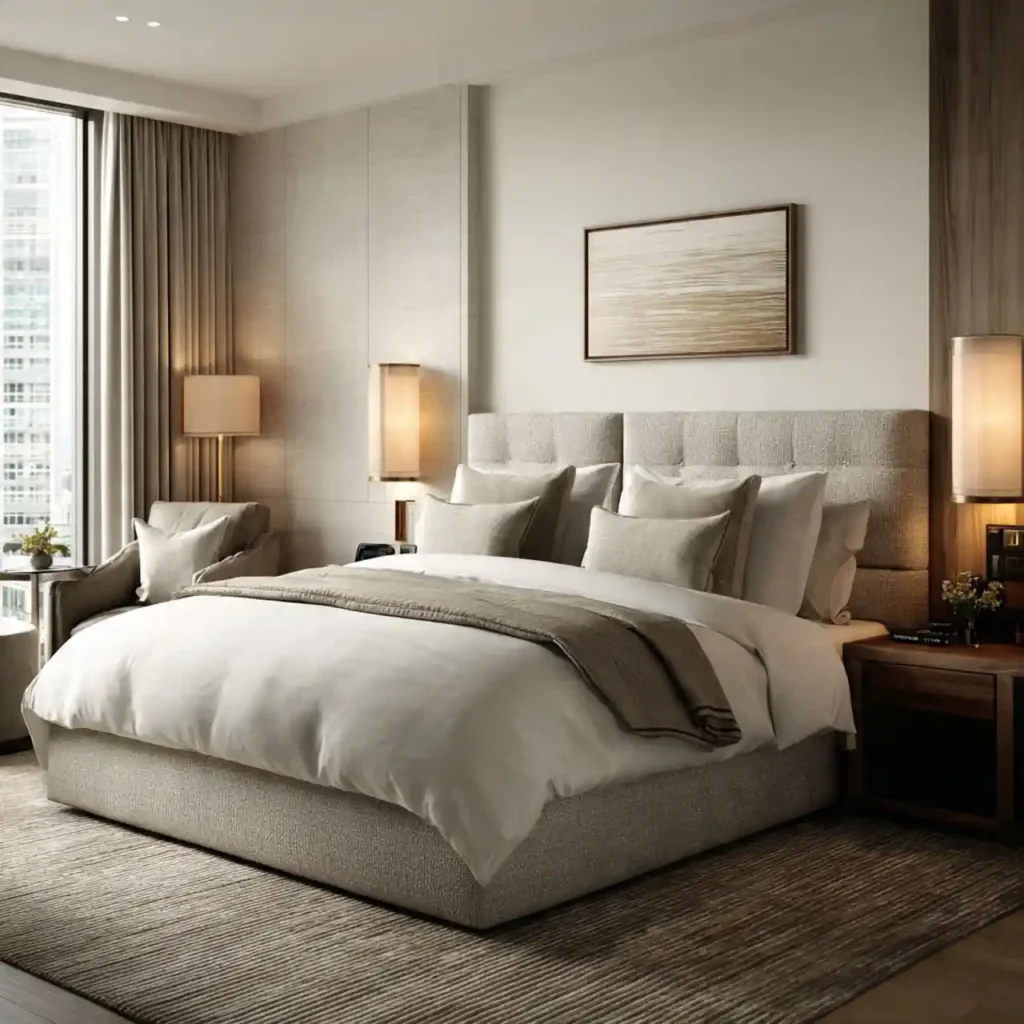
16. Subtle Metallic Accents
Brushed brass or matte gold hardware introduces understated glamour. Small touches on lamps or drawer pulls elevate the design. The key is restraint and balance. Soft metallic warmth complements neutral tones. It adds quiet sophistication.
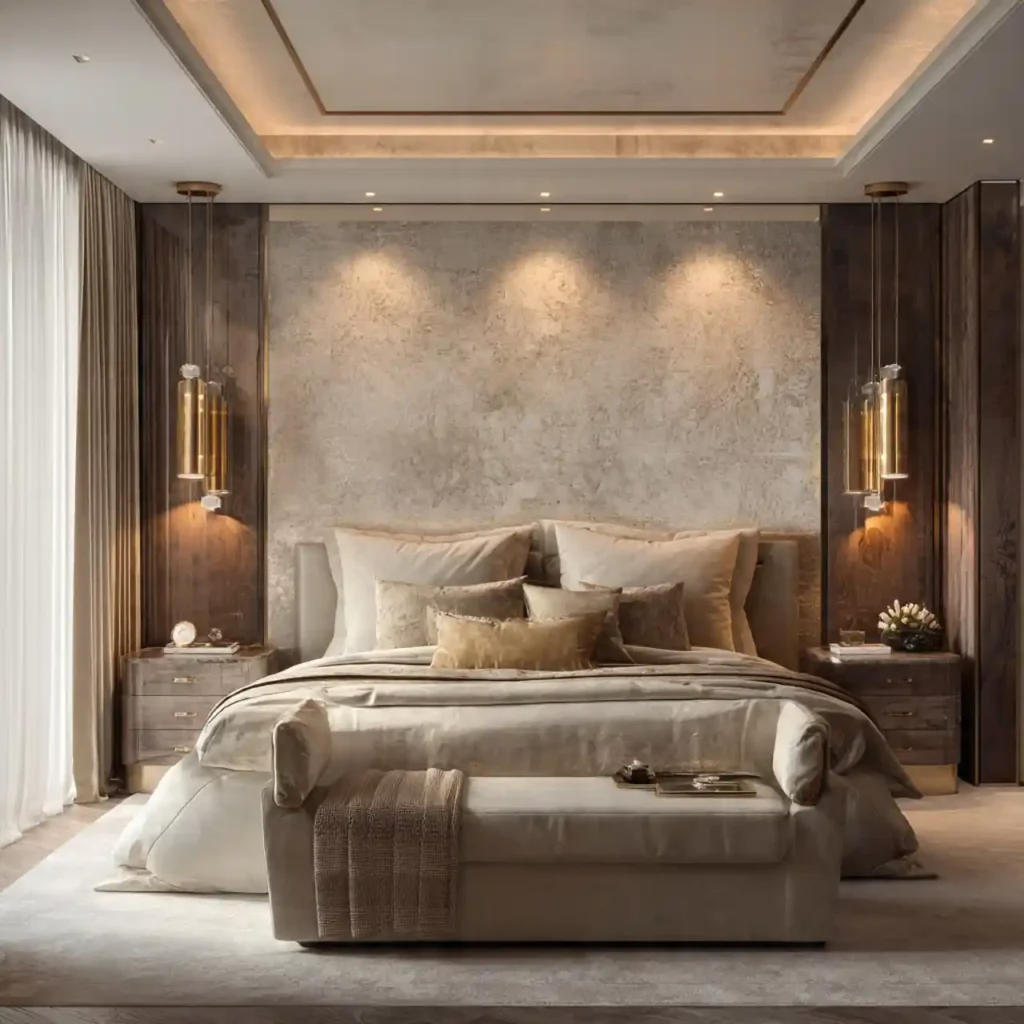
17. Built-In Reading Nook
A small armchair near a window creates layered functionality. Soft upholstery and warm lighting make it inviting. This addition turns the bedroom into a retreat, not just a sleep zone. It encourages calm routines. Personal rituals enhance sensory comfort.
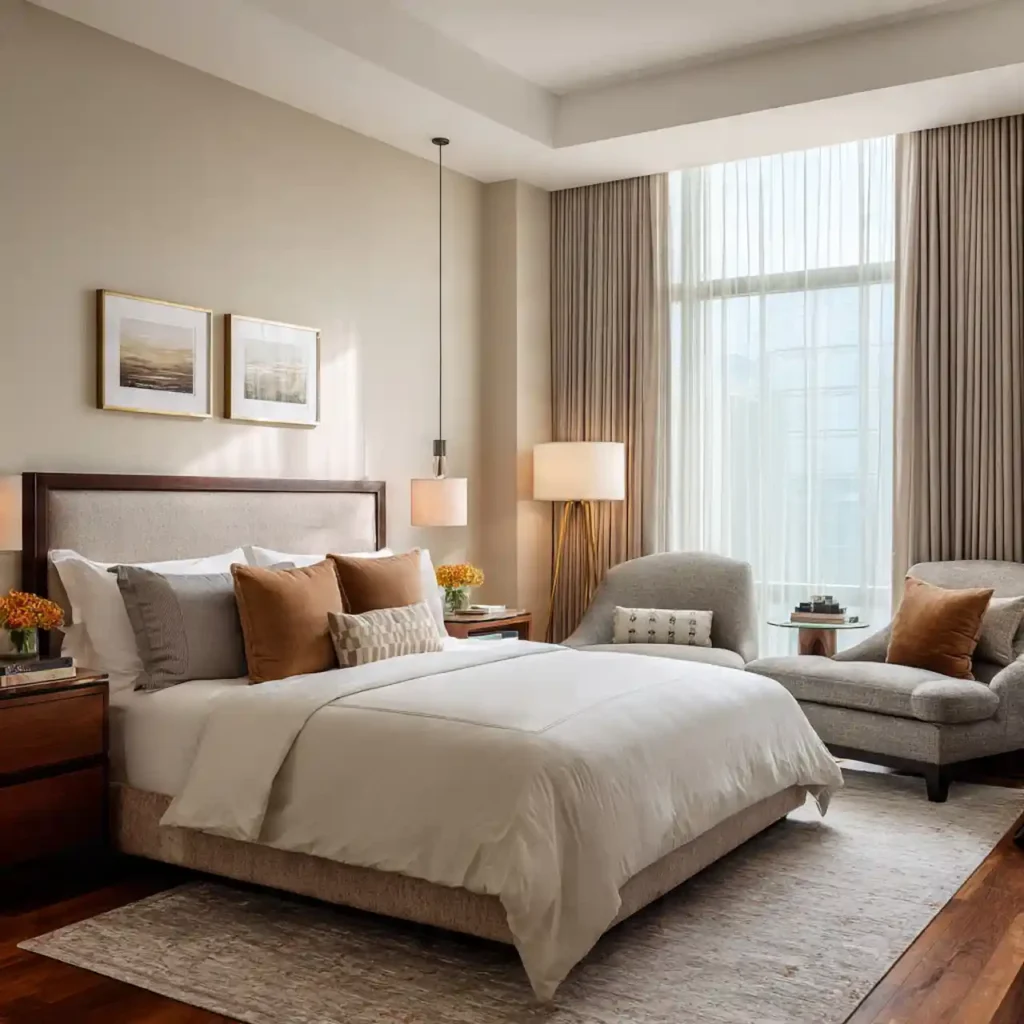
18. Layered Throw Blankets
Different fabrics like cashmere, knit, and linen add tactile variation. Layering throws creates visual depth. It also increases coziness instantly. Texture layering is central to five-star styling. Comfort should look as good as it feels.
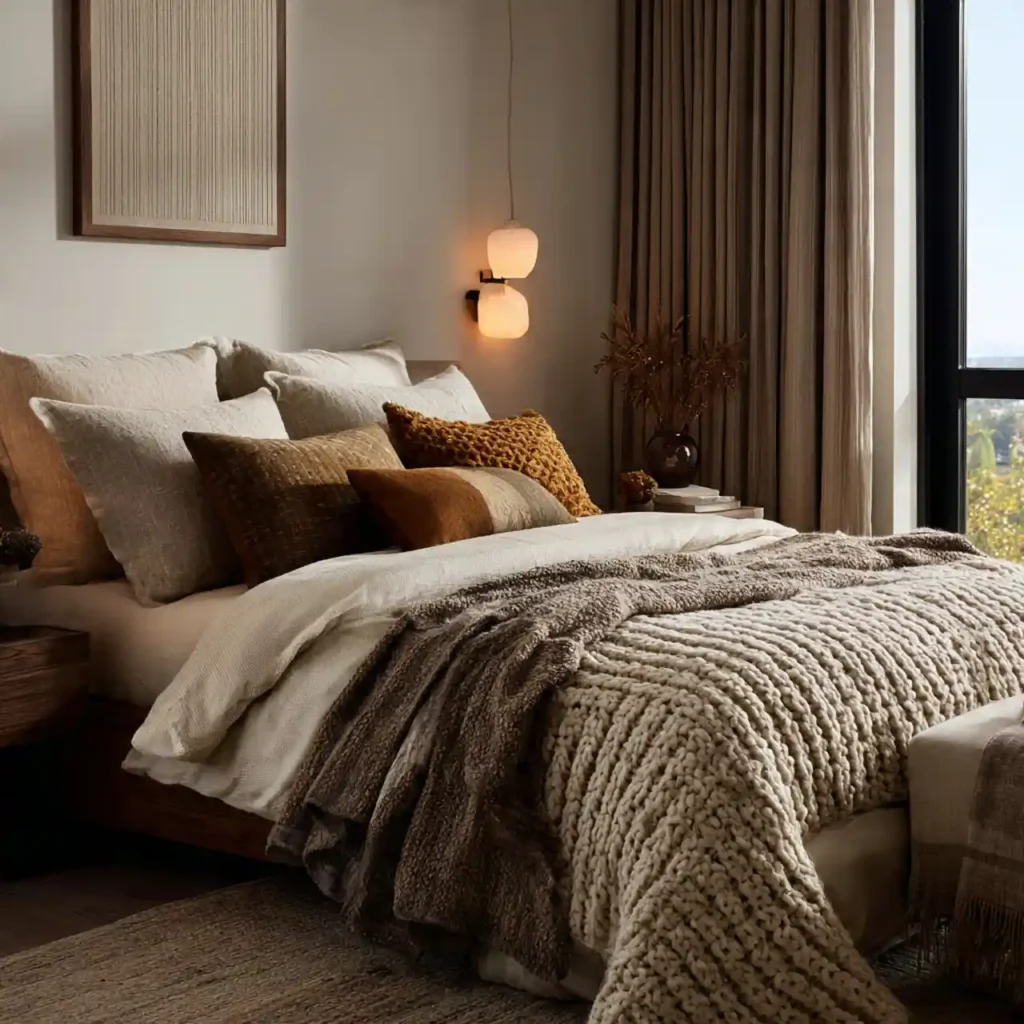
19. Hidden Storage Solutions
Concealed drawers reduce chaos and visual tension. Built-in wardrobes maintain clean lines. A tidy space promotes mental clarity. Organization is part of sensory design. Calm visuals equal calm sleep.
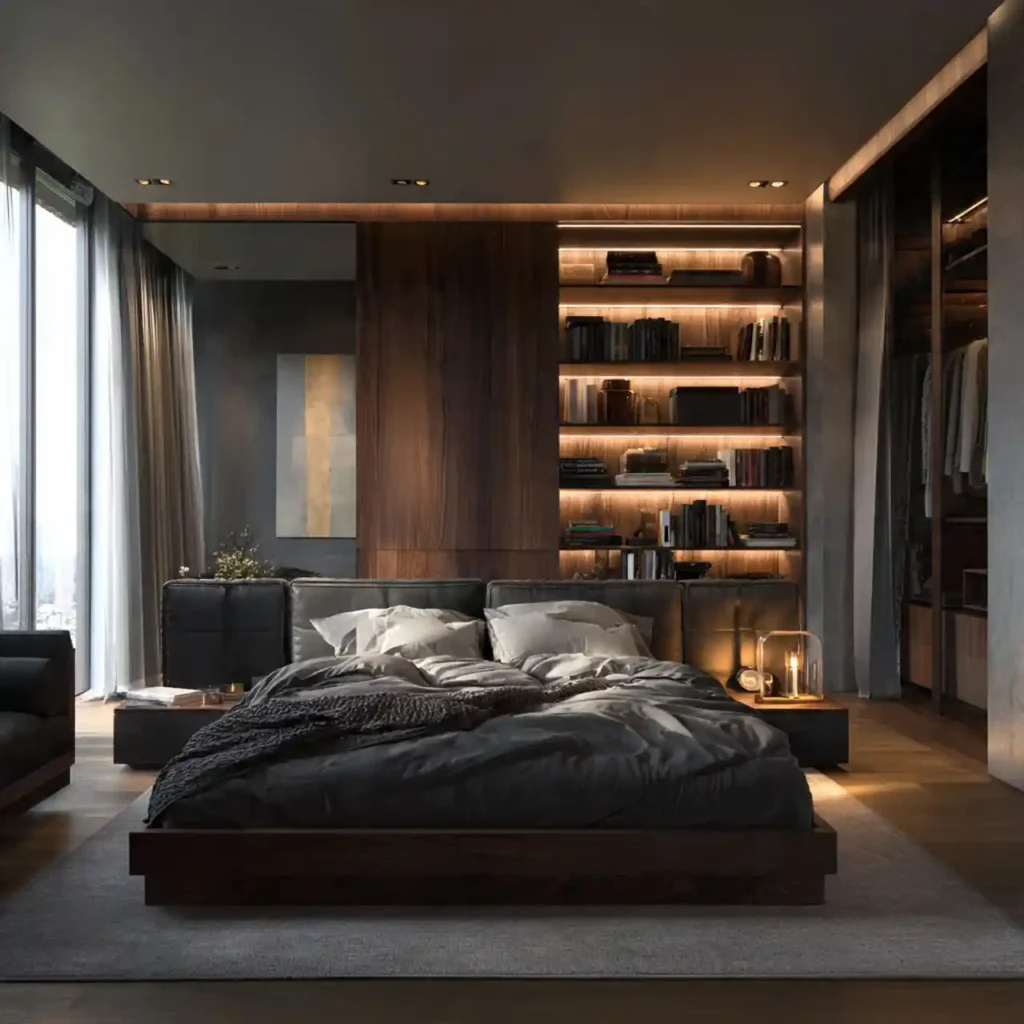
20. Soft Wall Sconces
Wall-mounted lights provide indirect illumination. They free up bedside space while adding ambiance. Diffused light is gentler on the eyes at night. Symmetrical placement enhances balance. Lighting should feel atmospheric, not harsh.
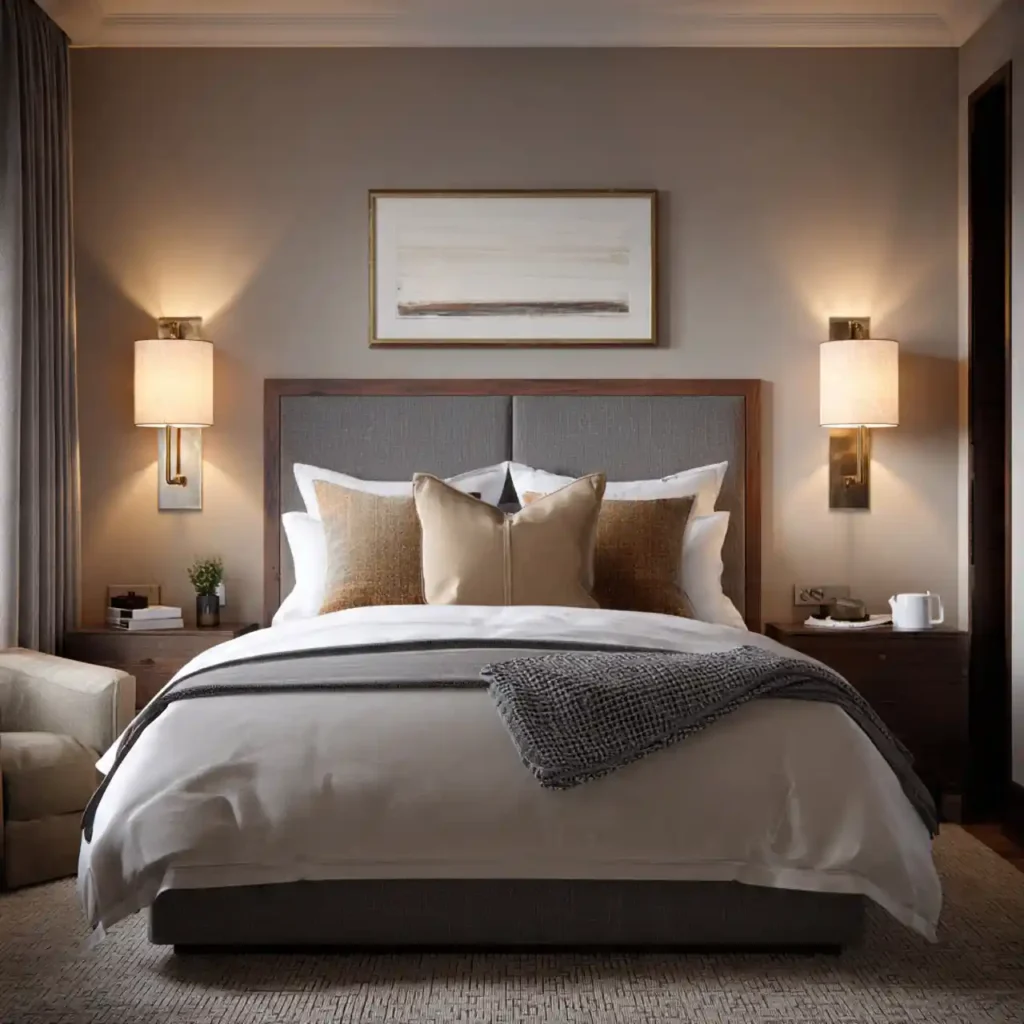
21. Natural Linen Textures
Linen bedding breathes and drapes beautifully. Slight wrinkling adds relaxed elegance. It feels effortless yet refined. Natural fibers improve airflow and comfort. Authentic materials elevate the space.
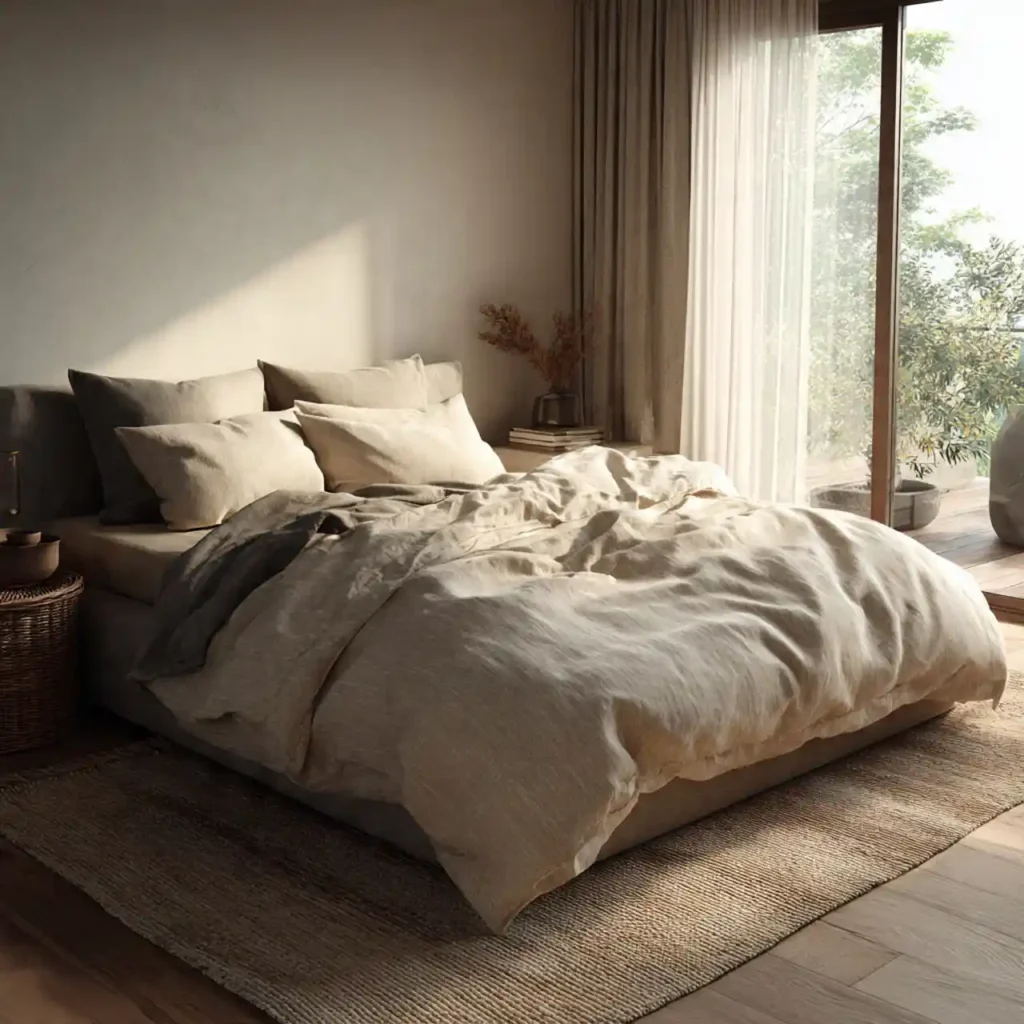
22. Low Platform Bed Design
Lower beds create grounded energy. The room feels open and balanced. Platform designs emphasize horizontal calm. Minimalist lines enhance serenity. Simplicity supports restfulness.
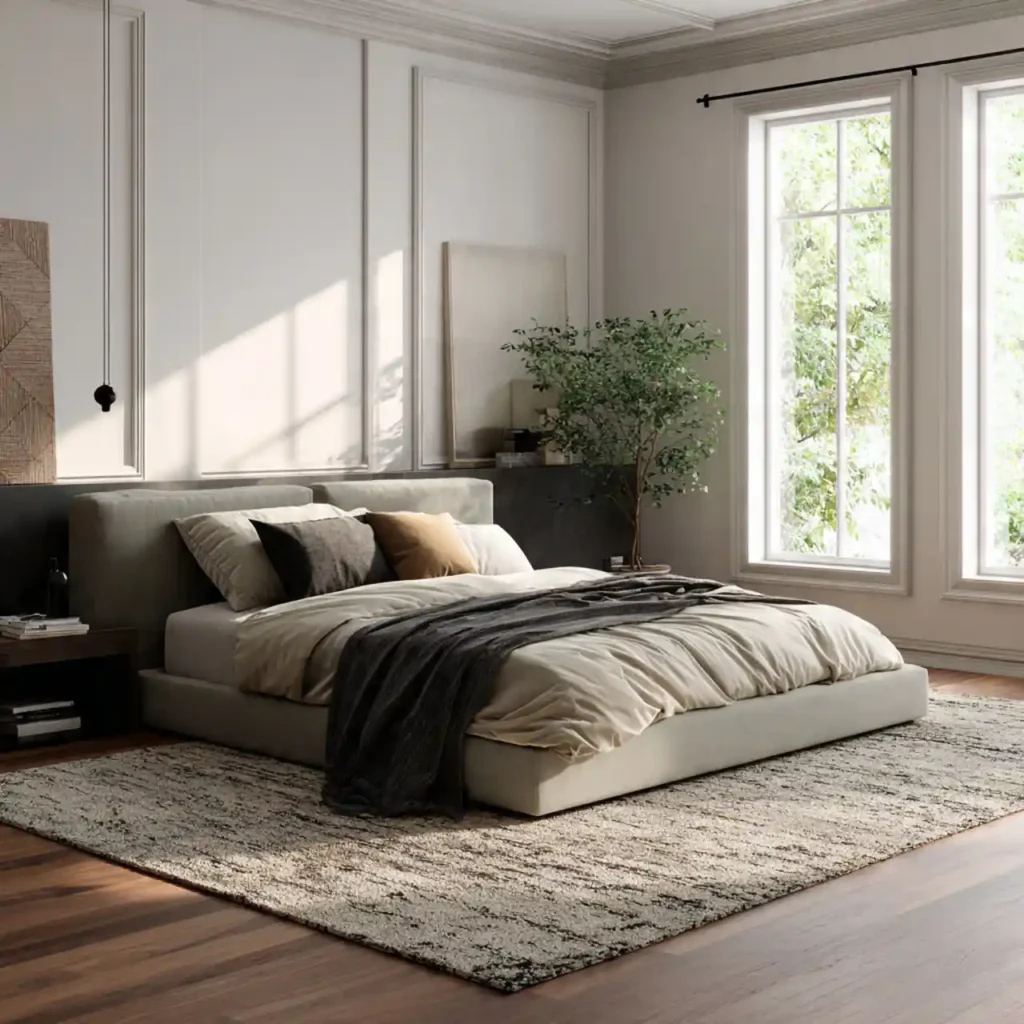
23. Neutral Artwork Selection
Soft abstract art complements the room without distraction. Muted tones maintain tranquility. Oversized pieces add luxury scale. Art should enhance mood, not dominate it. Visual harmony matters.
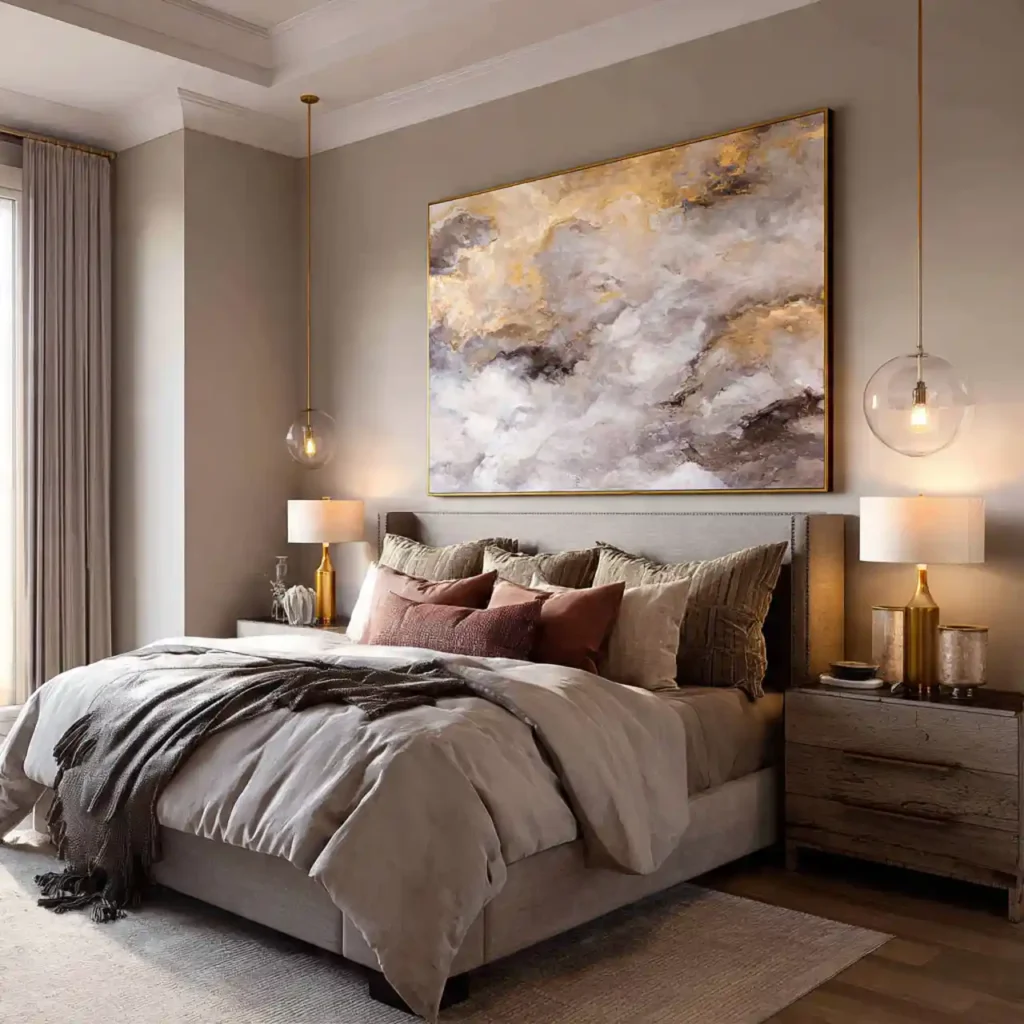
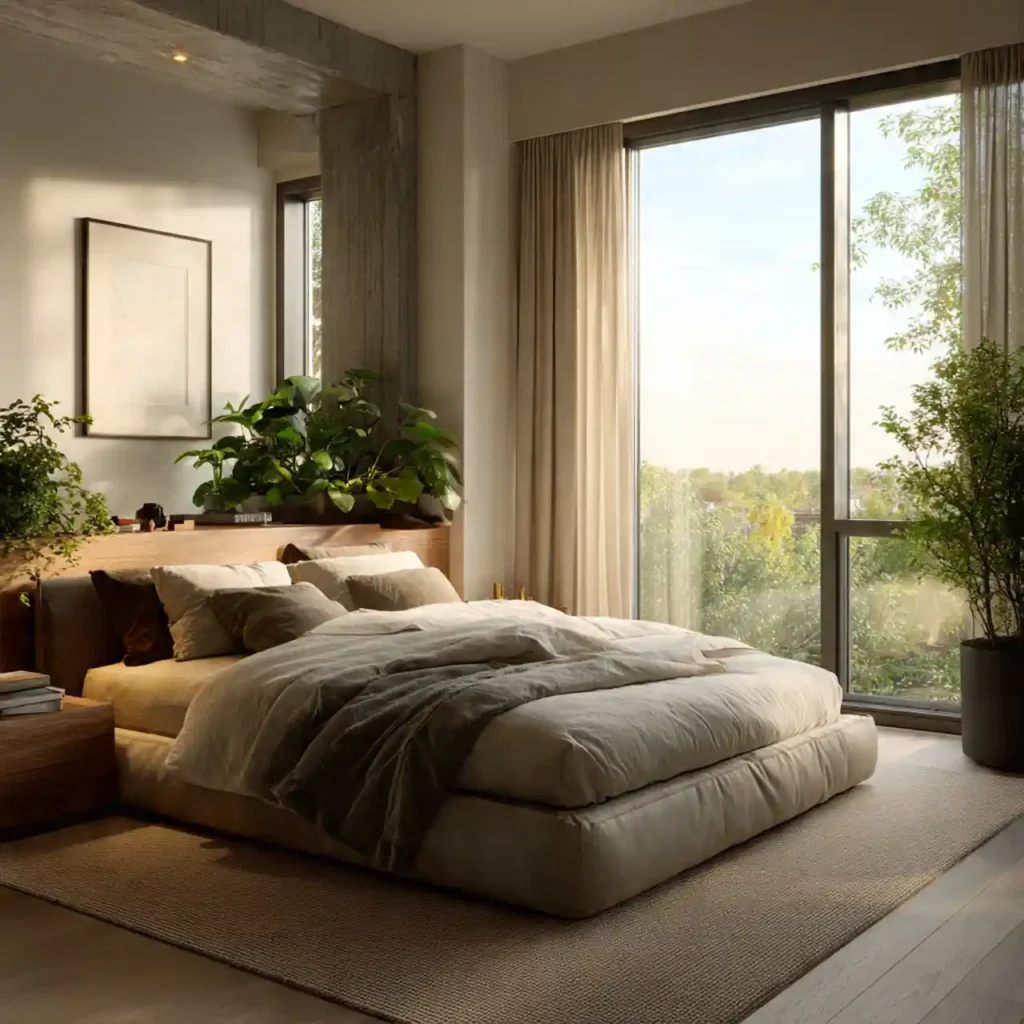
24. Indoor Plants for Air & Mood
Subtle greenery introduces life and freshness. Plants soften corners visually. They improve air quality and emotional wellness. Choose low-maintenance varieties. Nature enhances relaxation.
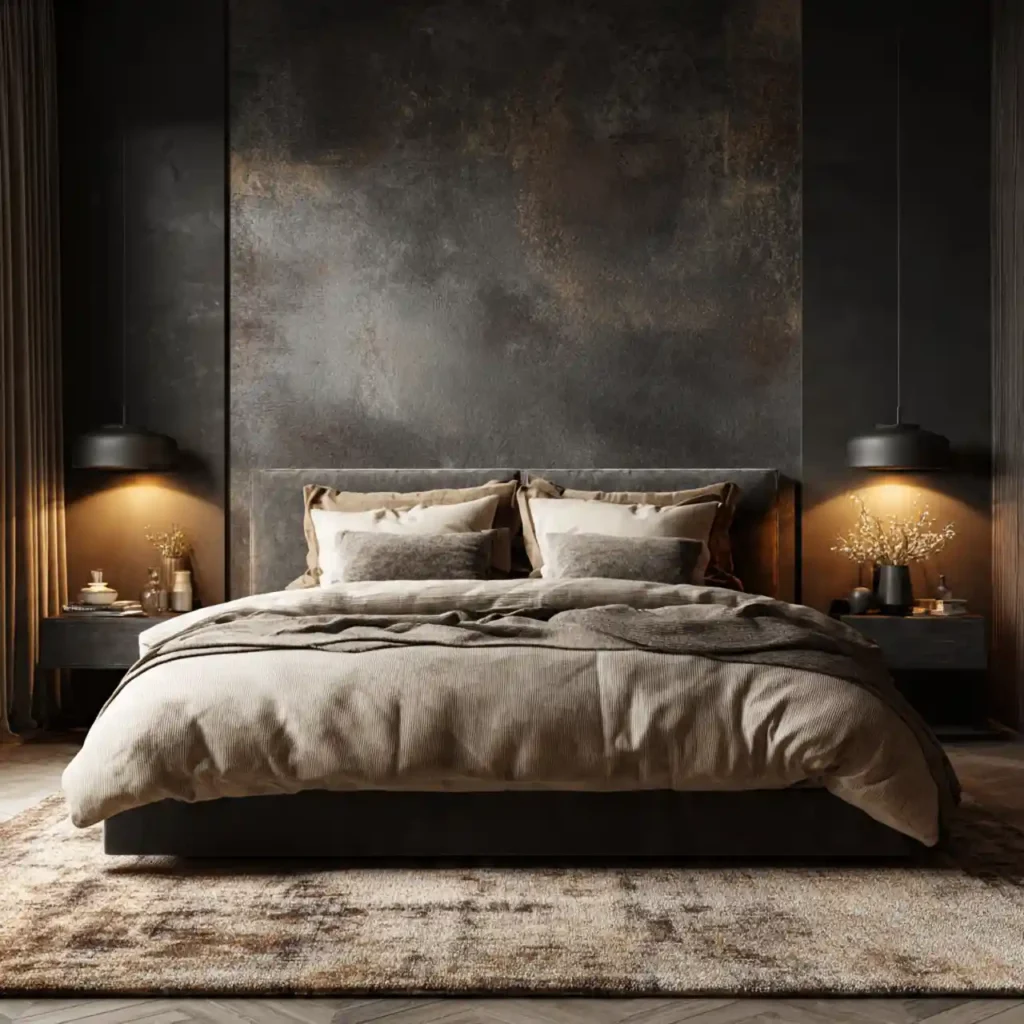
25. Dark Accent Wall Behind Bed
A deep charcoal or muted navy accent wall creates cocooning energy. Dark tones absorb light gently. This enhances sleep depth visually. Paired with soft bedding, it feels dramatic yet restful. Contrast can be calming when balanced.
Final Thoughts:Luxury Sensory Bedroom Design Ideas
Designing a sensory-driven bedroom means thinking beyond aesthetics and focusing on experience. The most luxurious spaces are intentional about texture, lighting, sound, scent, and simplicity. When these elements work together, your bedroom stops feeling ordinary and starts functioning like a personal retreat. The goal of these 25 Luxury Sensory Bedroom Design Ideas is not excess decoration but thoughtful layering. By applying even a few of these ideas, you can transform your everyday sleeping space into a five-star sanctuary that restores both body and mind.