25 Interior Styling Tricks Designers Swear By 2026
A beautifully styled home rarely happens by accident. Professional interior designers use subtle but powerful styling tricks that instantly elevate ordinary spaces. These aren’t expensive renovations they are smart design decisions that create balance, harmony, and visual interest.
In 2026, interior styling is all about intentional layering, bold contrasts, and curated simplicity. Here are 25 Interior Styling Tricks designers swear by The Home Vista to make any home look polished and professionally designed.
1. Use the Rule of Three
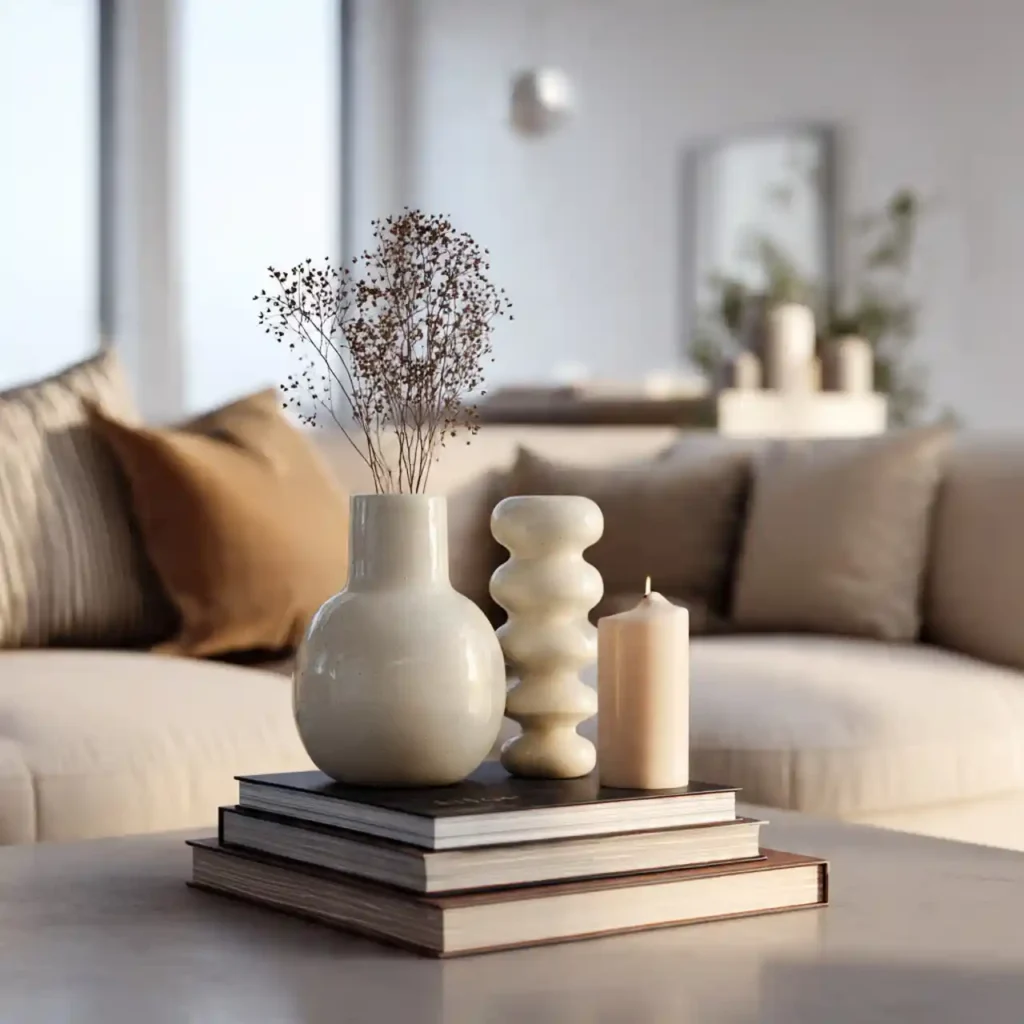
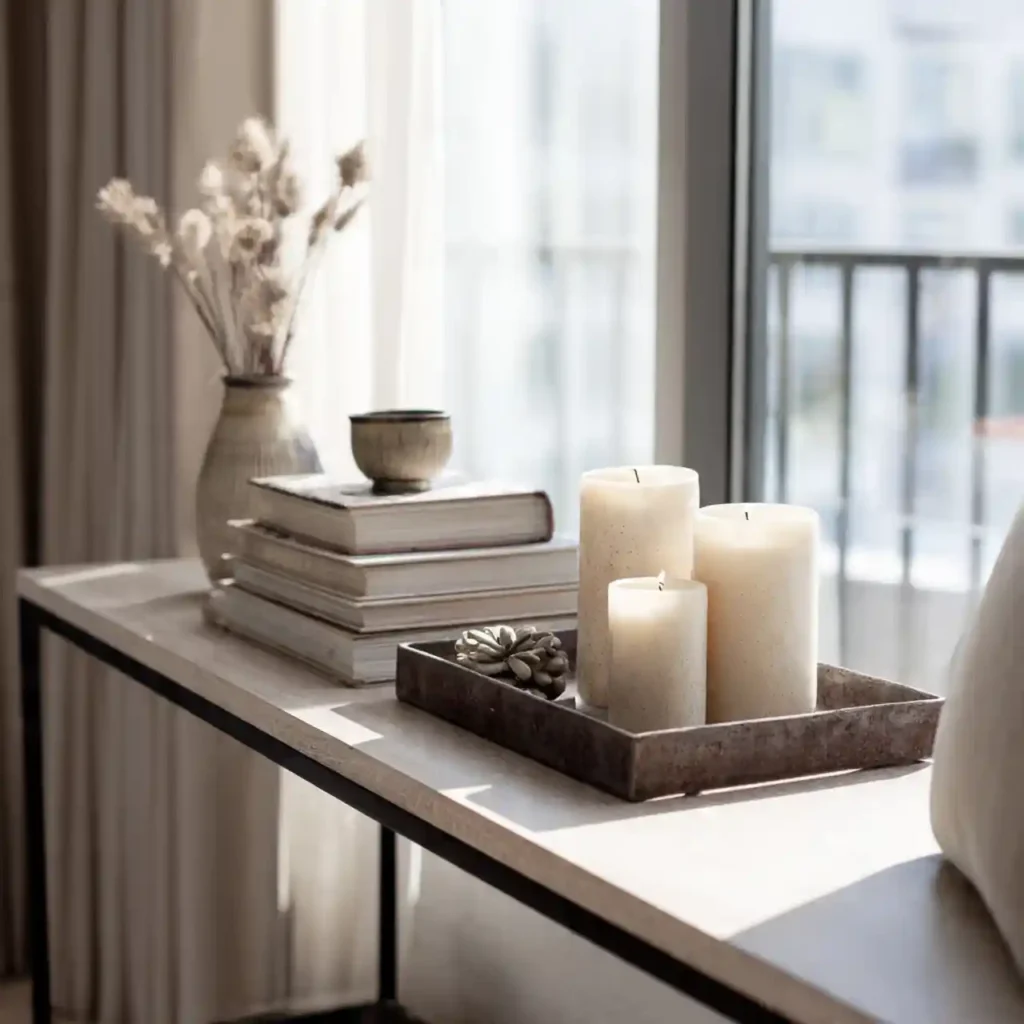
Designers often style décor in groups of three because odd numbers feel more natural and balanced. A trio of vases, candles, or books creates visual rhythm. This prevents symmetry from looking too stiff. The varying heights within a trio add movement. It’s a simple trick that instantly makes surfaces look intentional.
2. Layer Lighting at Different Heights
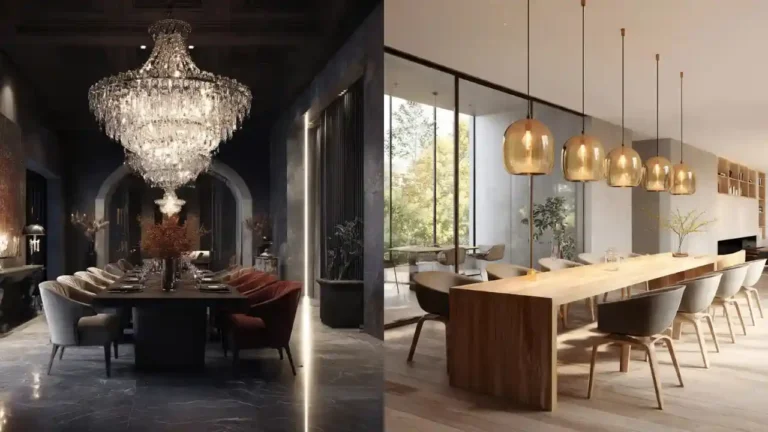
One overhead light is never enough. Designers combine ceiling lights, floor lamps, and table lamps for depth. This creates mood and dimension. Soft ambient lighting makes rooms feel inviting. Layered lighting adds luxury without major expense.
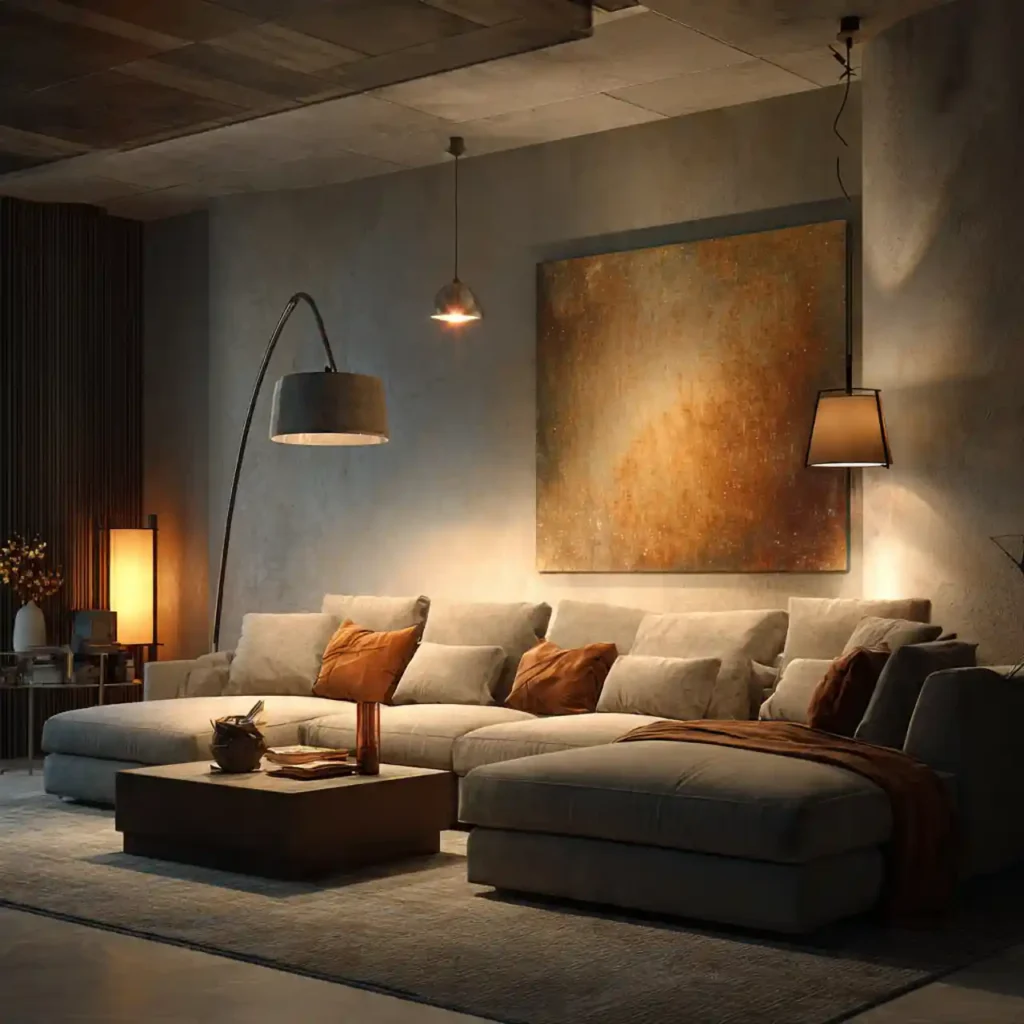
3. Mix Textures, Not Just Colors
Flat rooms feel lifeless. Designers mix linen, wood, velvet, metal, and glass to create depth. Texture layering makes neutral spaces feel rich. It adds warmth and visual interest. Even a monochrome room can feel dynamic with varied textures.
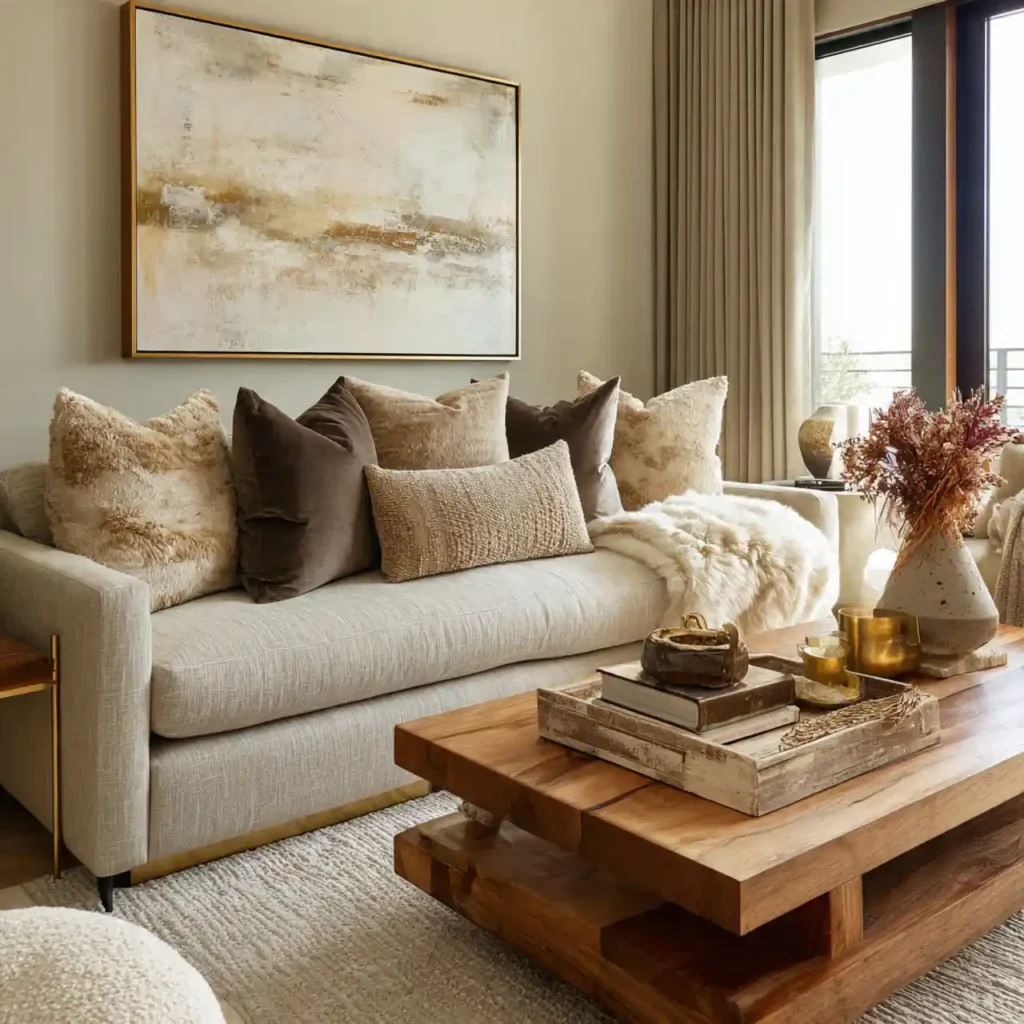
4. Anchor the Room with a Statement Rug
A rug defines the seating area and adds cohesion. Designers choose rugs large enough to fit under key furniture pieces. Small rugs make rooms look disconnected. A bold or textured rug instantly upgrades the space. It acts as the foundation of the design.
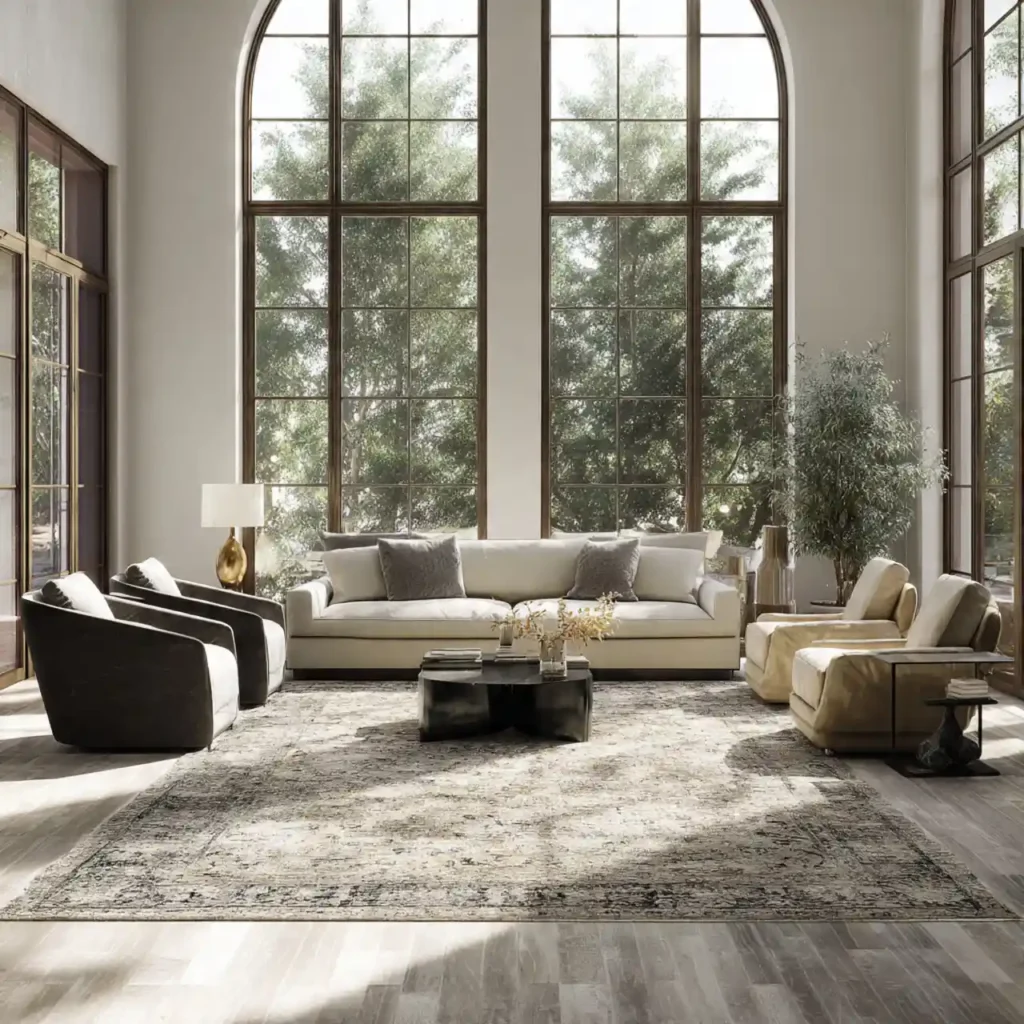
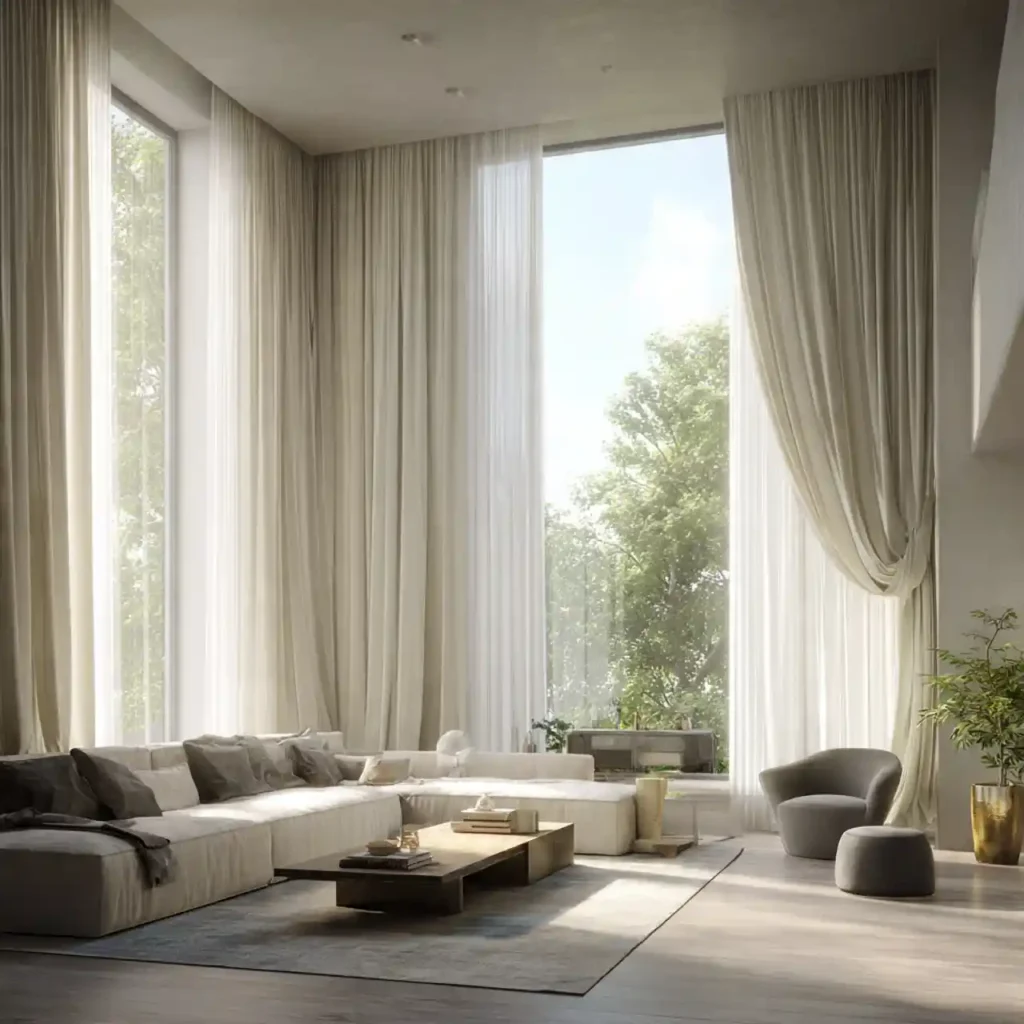
5. Hang Curtains Higher Than the Window
Mounting curtains close to the ceiling makes walls look taller. This creates the illusion of height and elegance. Floor-to-ceiling drapery adds softness. It frames windows beautifully. This trick alone can make a room feel luxurious.
6. Create a Focal Point
Every room needs one strong visual anchor. It could be artwork, a fireplace, or a bold wall. Without a focal point, spaces feel chaotic. Designers ensure furniture faces or highlights that feature. This creates clarity and balance.
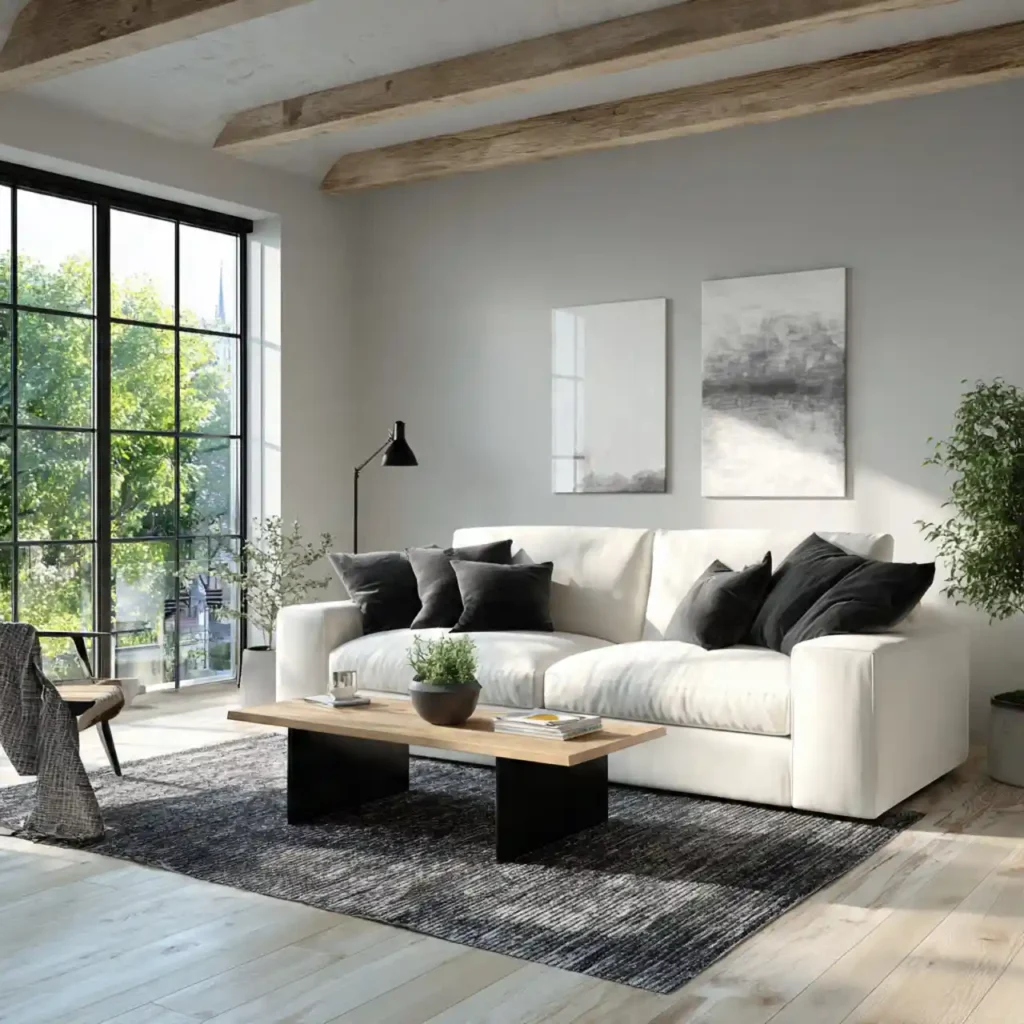
7. Add Contrast for Depth
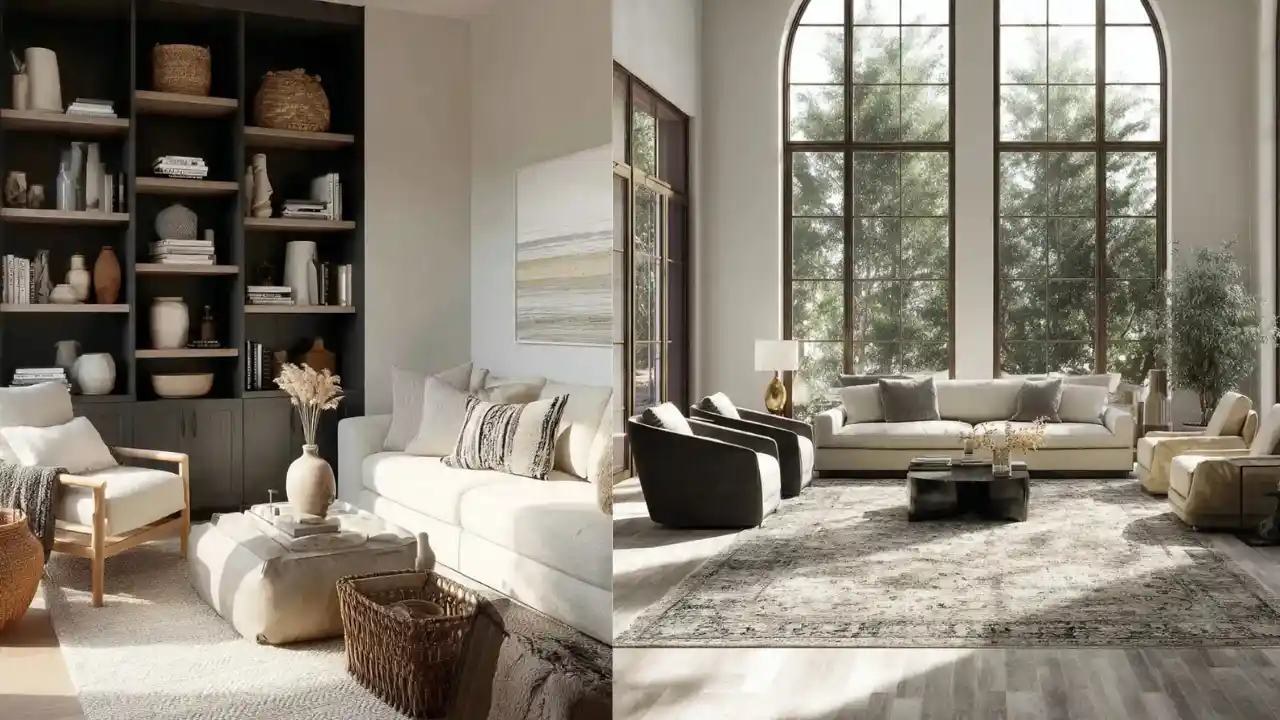
Contrast prevents interiors from feeling flat. Designers mix light and dark elements strategically. For example, dark cushions on a light sofa. Contrast adds visual energy. It keeps neutral spaces from becoming boring.
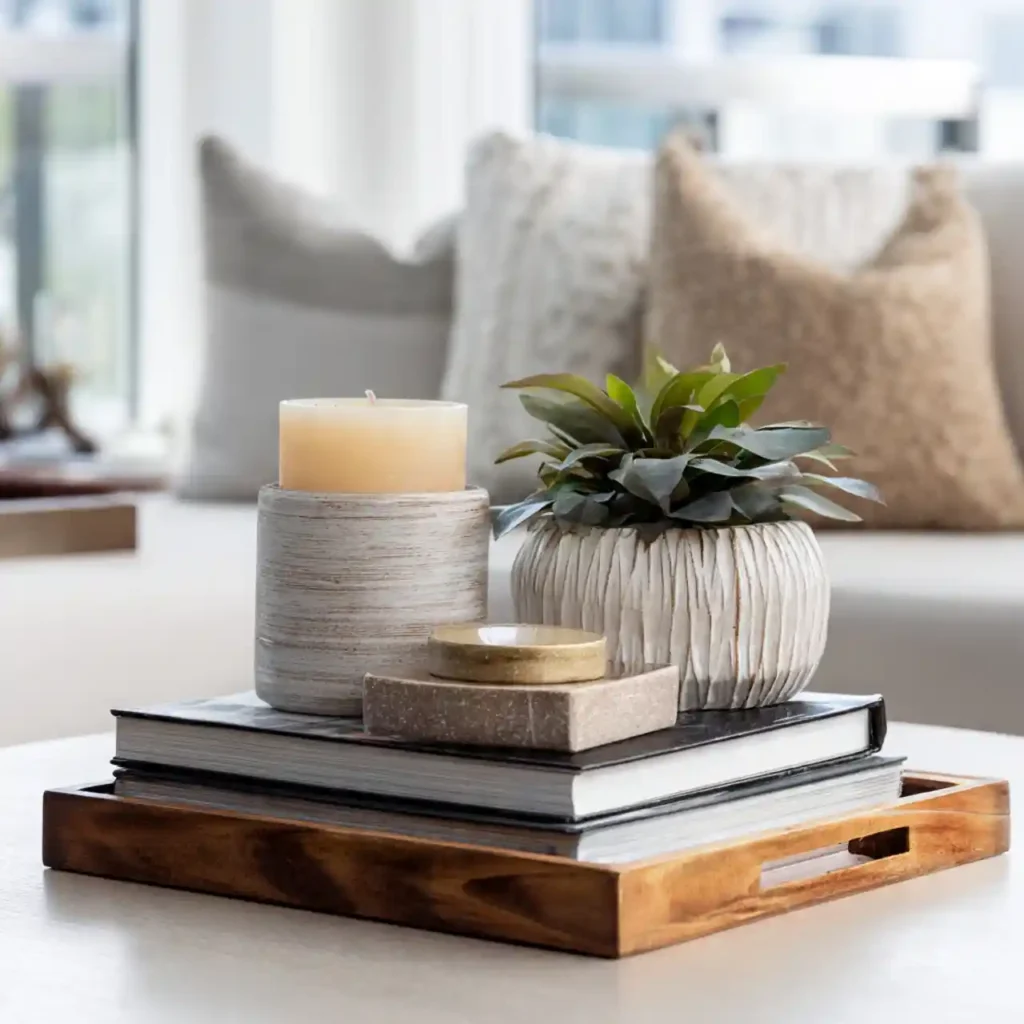
8. Style Coffee Tables in Layers
Designers never leave coffee tables empty or overcrowded. They layer books, trays, candles, and small décor pieces. Varying heights create movement. A tray keeps items organized. The result feels curated rather than cluttered.
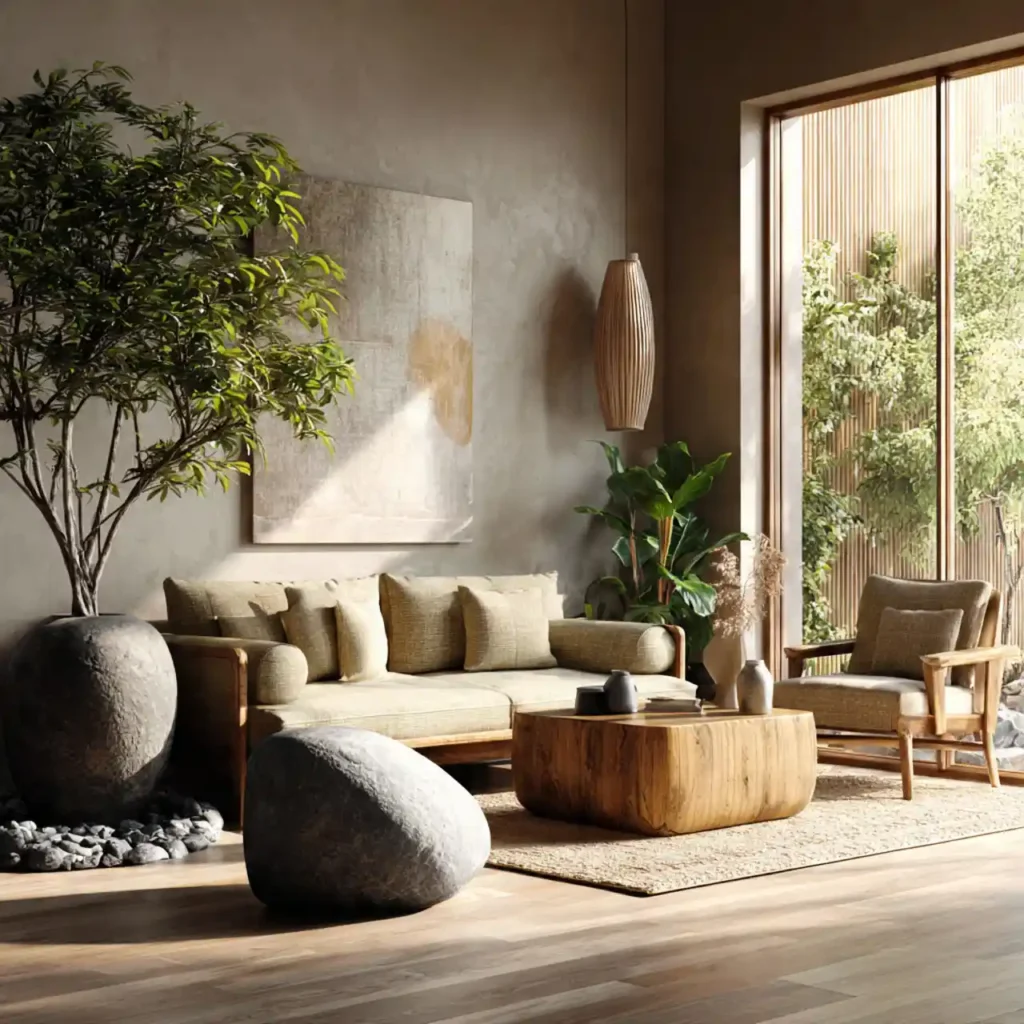
9. Incorporate Natural Elements
Plants, wood, and stone add organic warmth. Designers often introduce greenery for freshness. Natural textures soften modern interiors. They also improve mood and air quality. Biophilic touches make spaces feel alive.
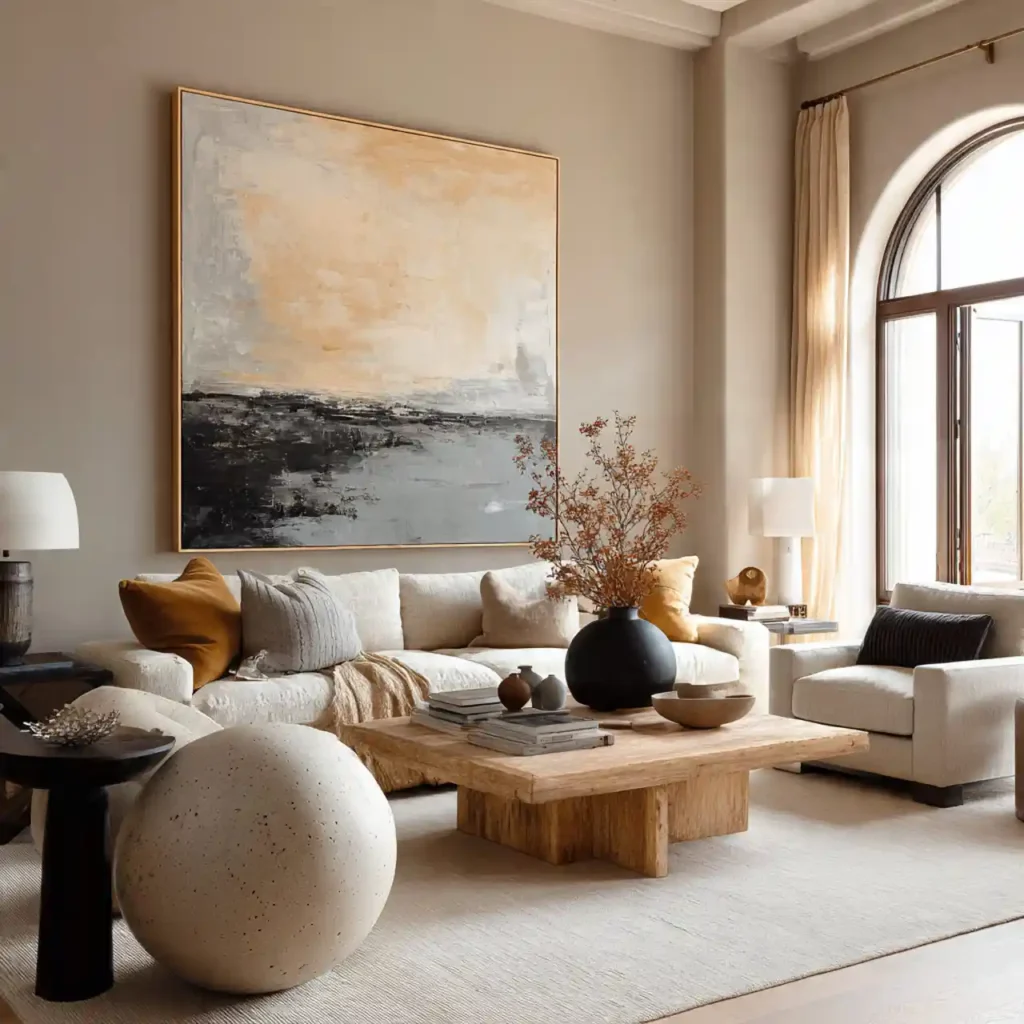
10. Use Large-Scale Art
Instead of many small frames, designers prefer one oversized artwork. It makes a stronger impact. Large art anchors the wall visually. It reduces clutter. It also makes rooms feel thoughtfully styled.
11. Balance Open and Closed Storage
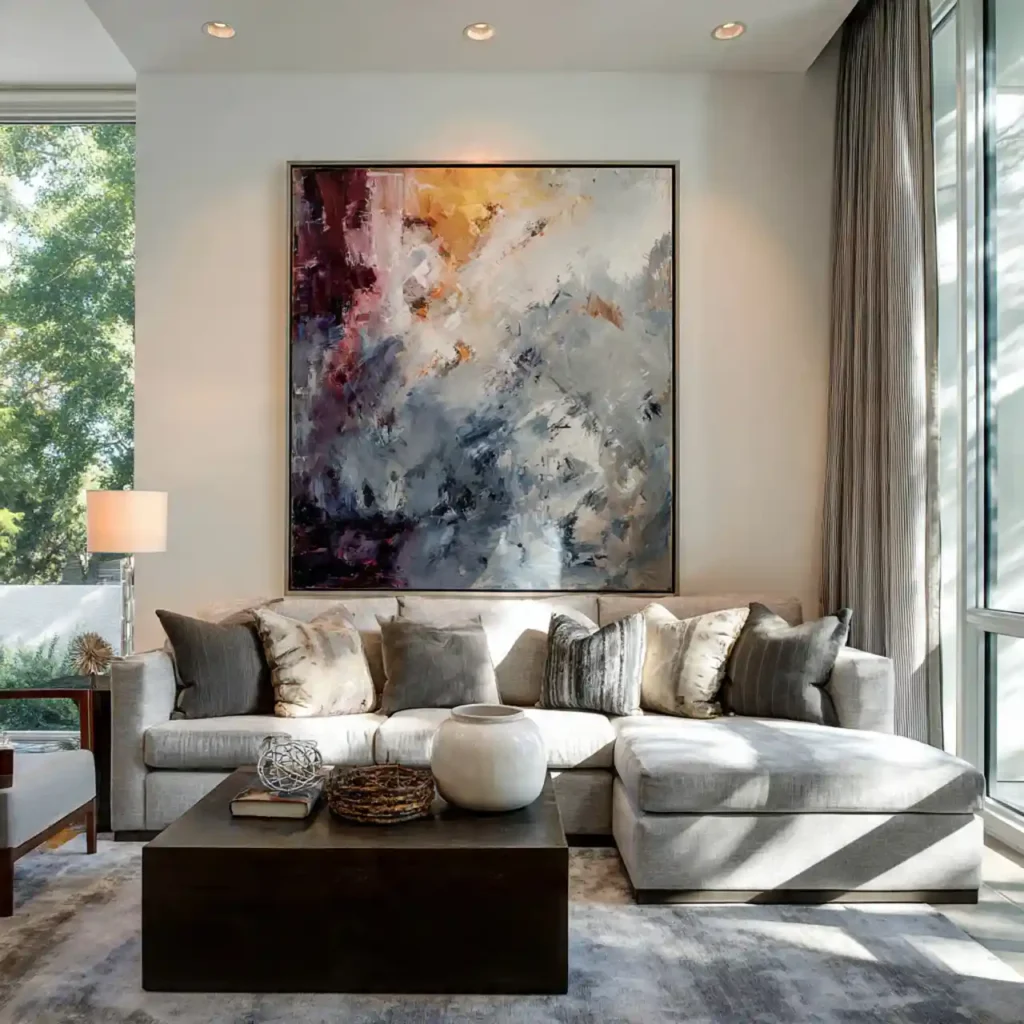
Open shelves should not hold everything. Designers mix baskets, boxes, and cabinets for visual balance. This hides clutter while keeping display areas stylish. Closed storage maintains a clean look. Balance is key.
12. Add Mirrors to Reflect Light
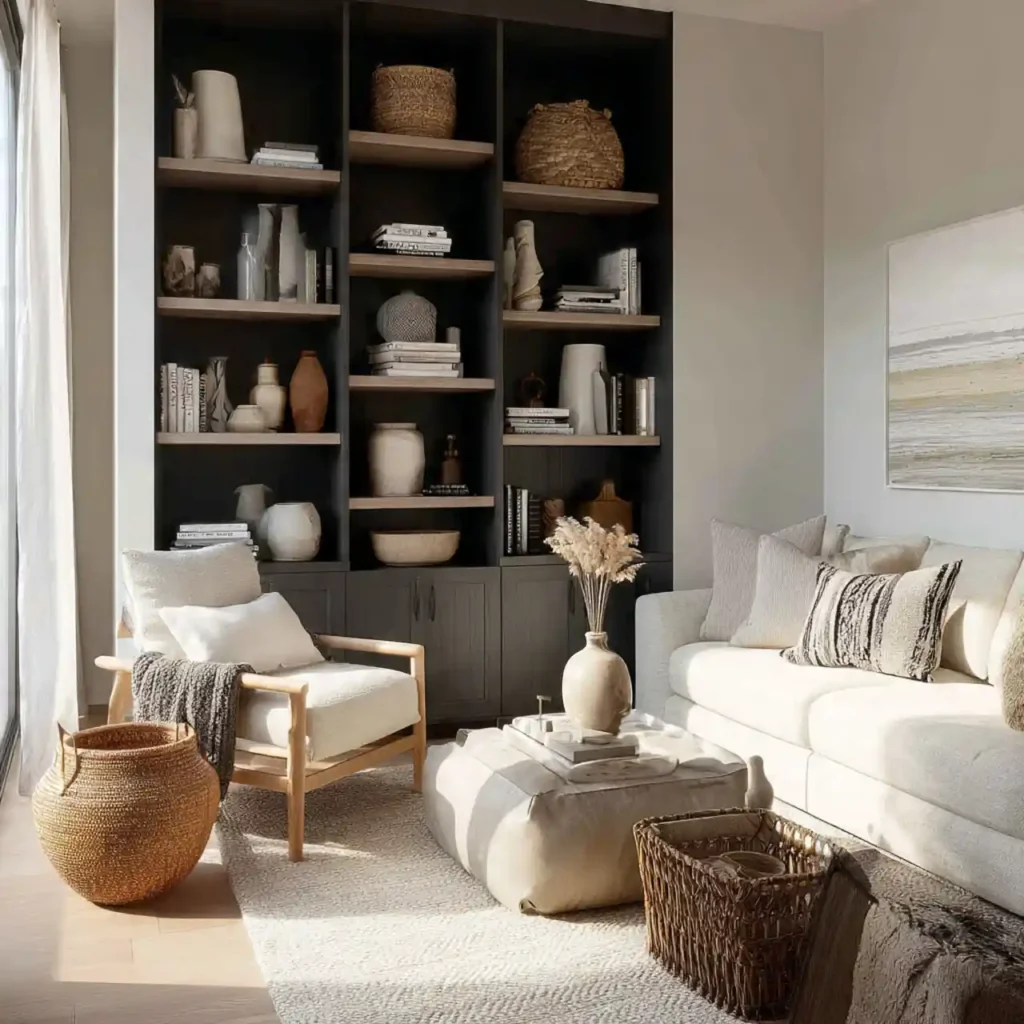
Mirrors make small spaces feel larger. Designers position them opposite windows to reflect natural light. This brightens dark corners. Mirrors also add elegance. They visually expand the room.
13. Play with Scale
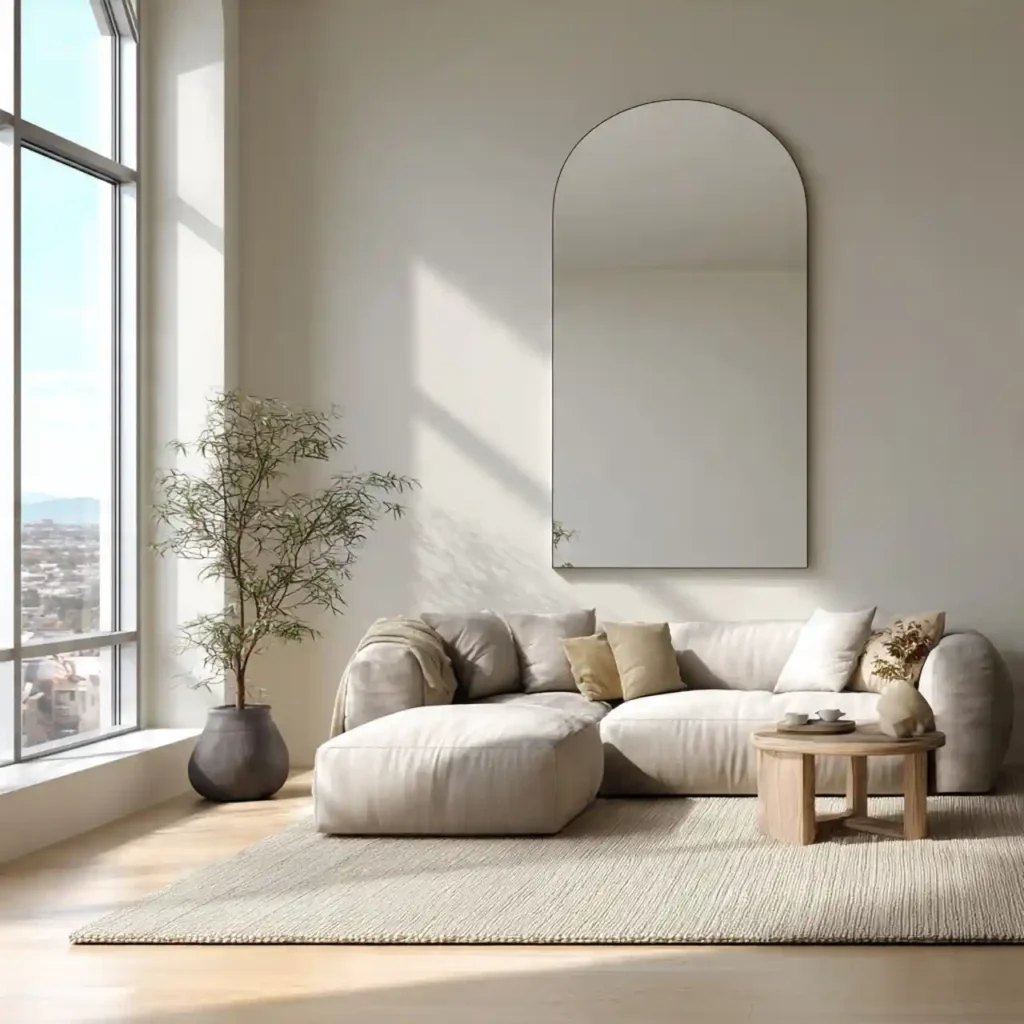
Mixing small and oversized pieces creates drama. A large lamp beside a sleek sofa adds personality. Designers avoid uniform sizing. Scale contrast creates interest. It prevents a room from feeling predictable.
14. Style with Negative Space
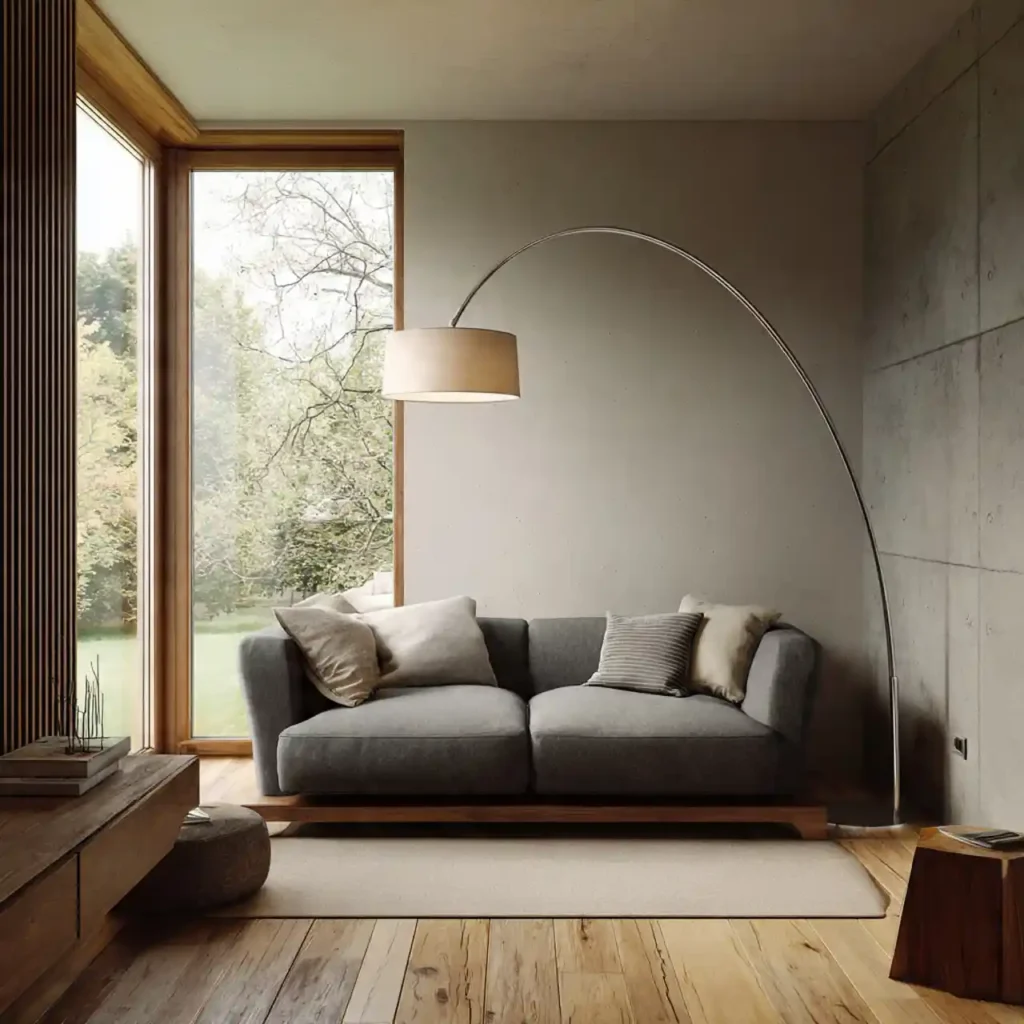
Not every surface needs decoration. Designers leave breathing room between objects. Negative space adds calmness. It highlights key pieces. This prevents visual overwhelm.
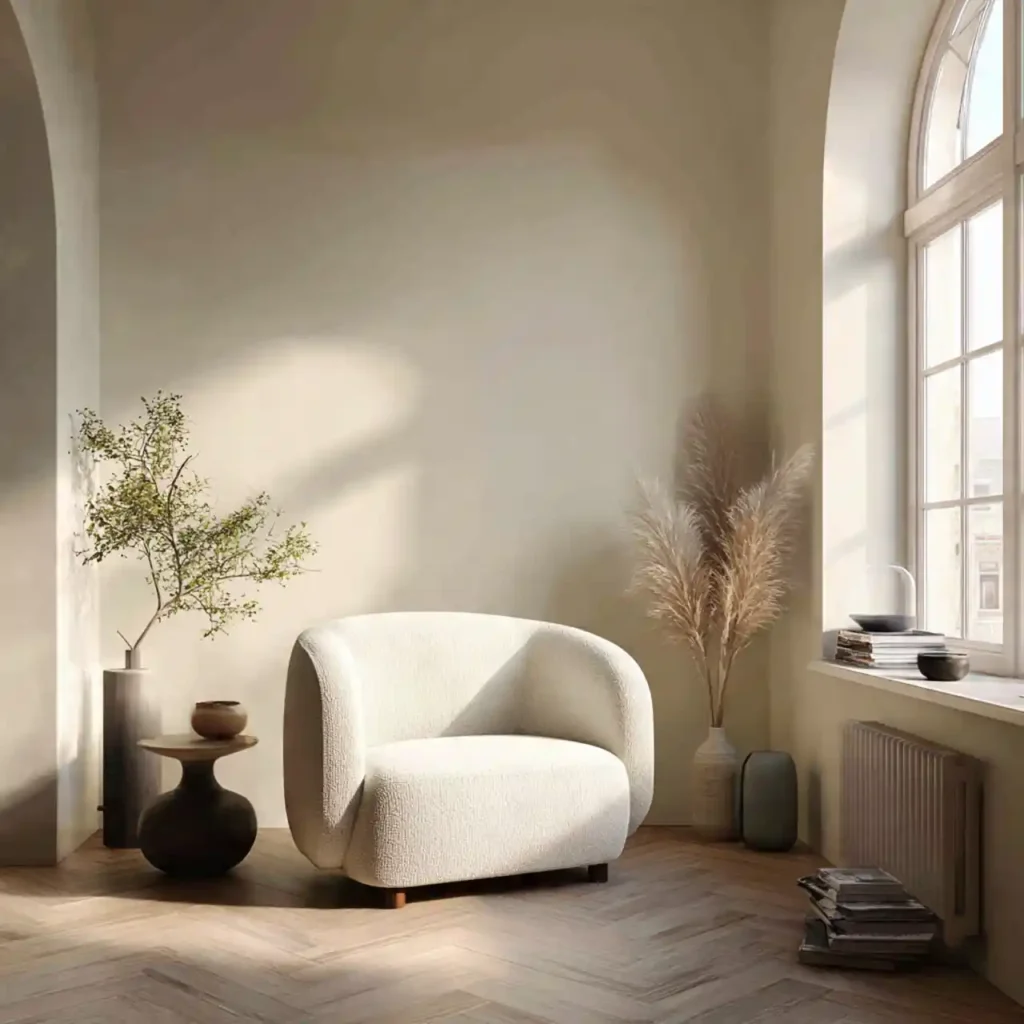
15. Use Decorative Trays
Trays group small items into a cohesive display. Designers use them on coffee tables and consoles. They add structure to styling. It keeps accessories organized. Even everyday items look intentional.
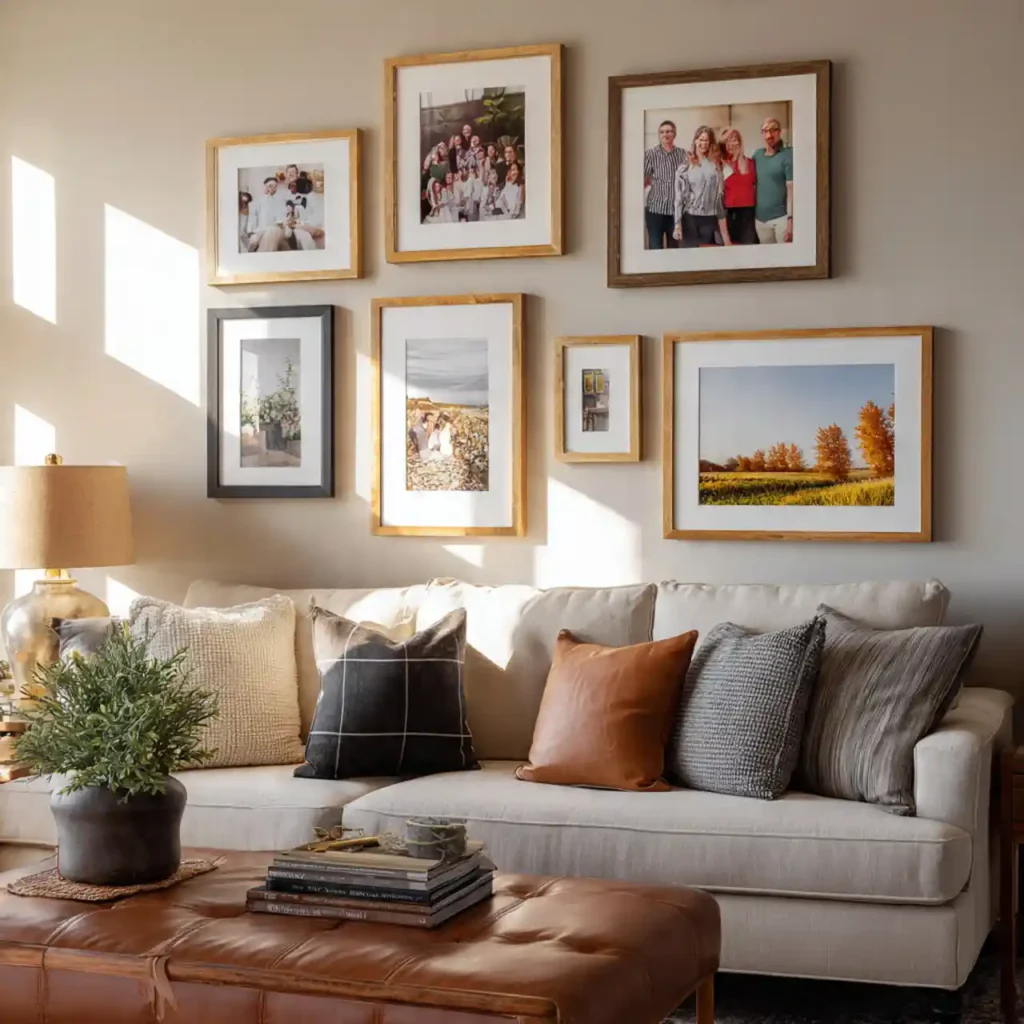
16. Incorporate Personal Pieces
Homes should feel personal, not staged. Designers include books, travel souvenirs, or framed memories. Personal elements add authenticity. They tell a story. This makes interiors feel warm and lived-in.
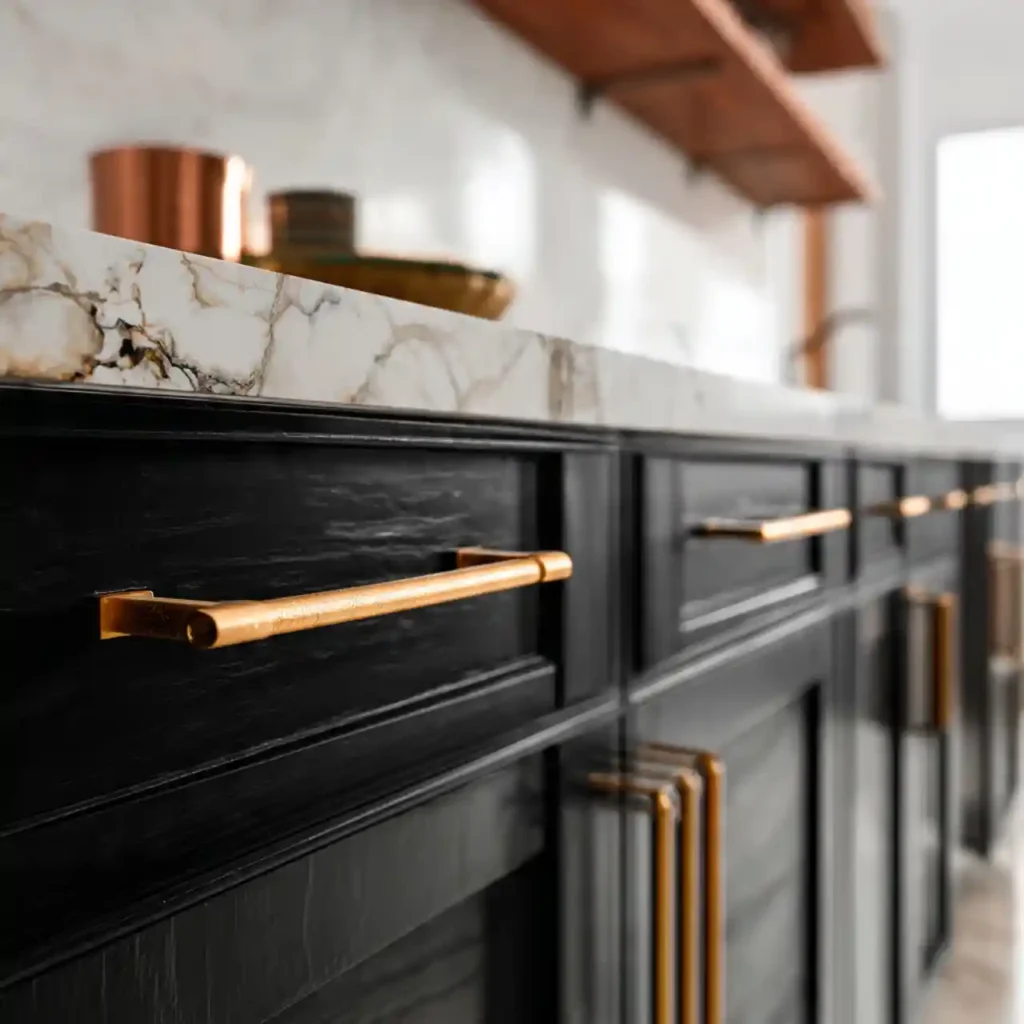
17. Upgrade Hardware
Small details matter. Changing cabinet handles or drawer pulls can refresh a space instantly. Designers choose brass, matte black, or brushed finishes. Hardware acts like jewelry for furniture. It adds subtle sophistication.
18. Layer Throw Pillows Strategically
Different sizes and textures create depth. Designers mix patterns carefully to avoid chaos. Start with larger neutral cushions, then add smaller accent pillows. Layering makes sofas feel plush. It adds comfort and style.
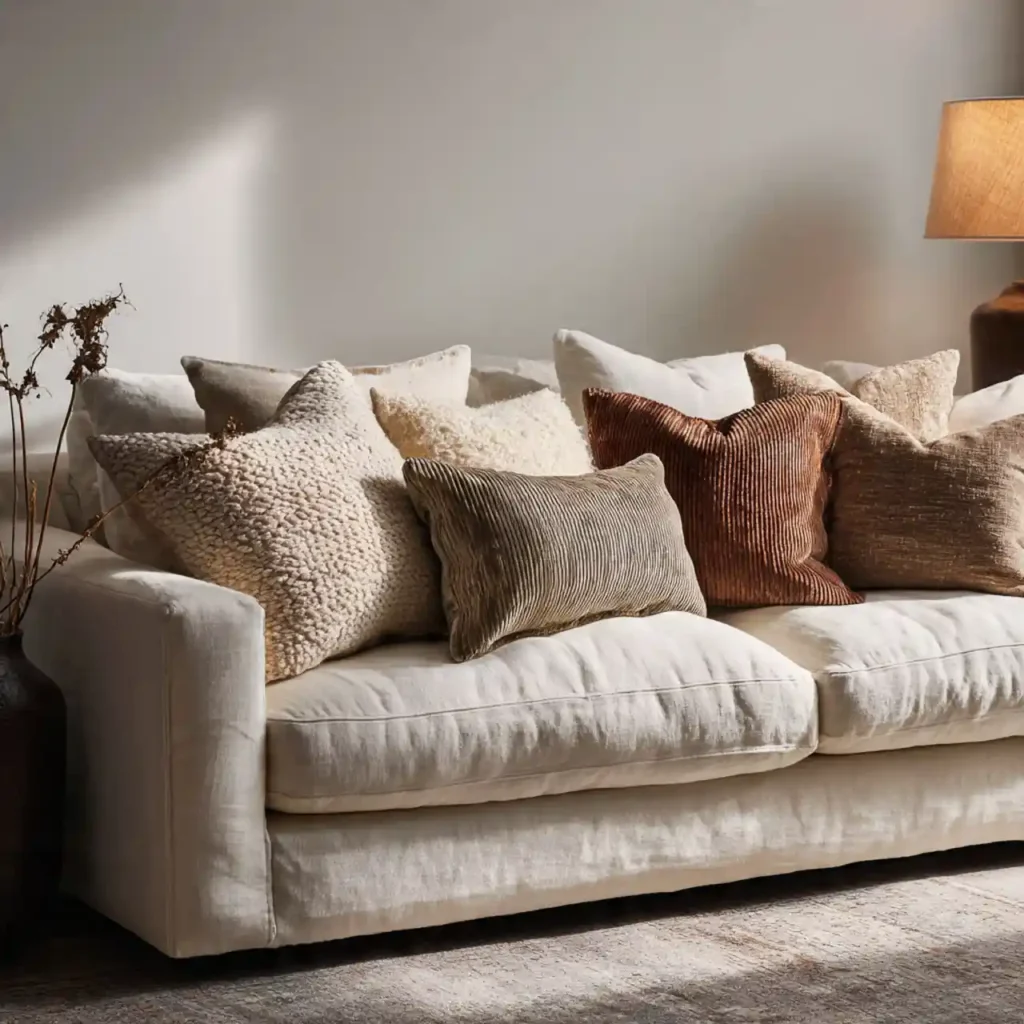
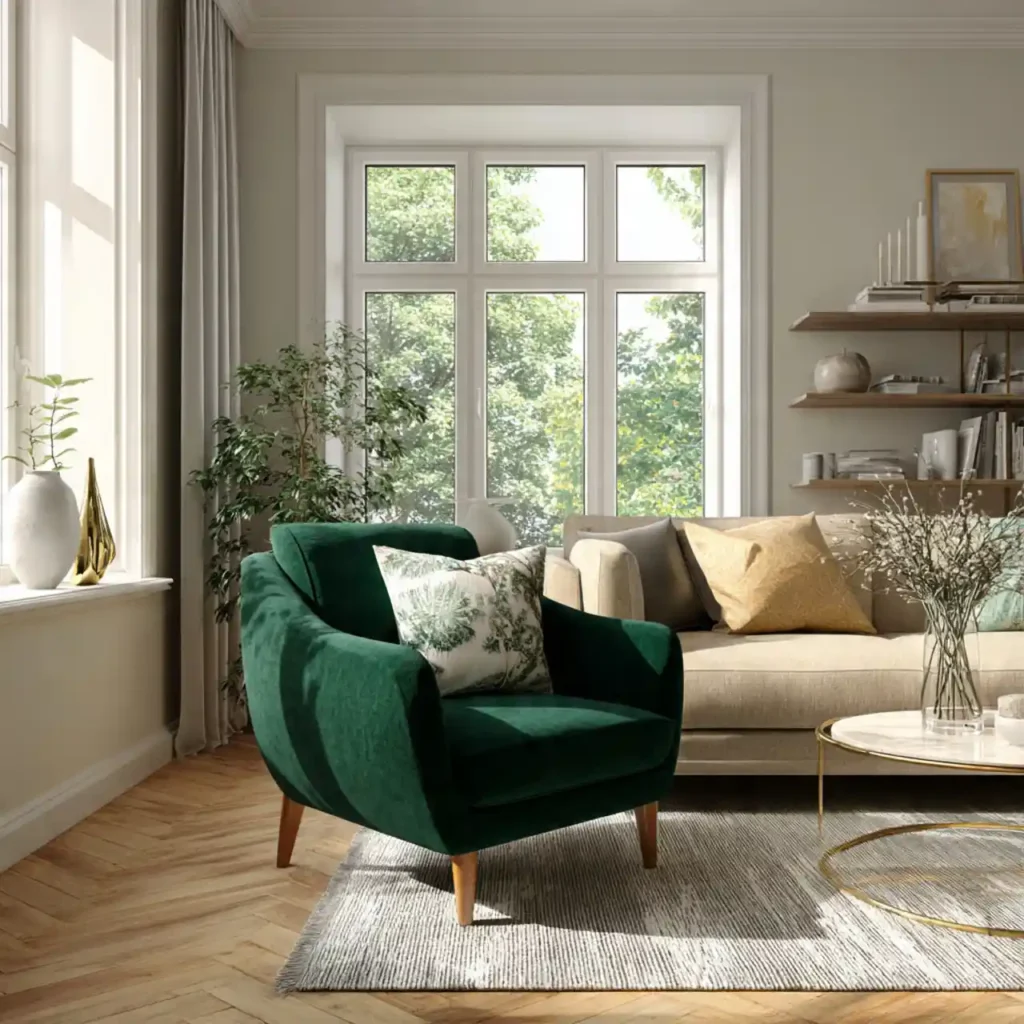
19. Add a Pop of Unexpected Color
Even neutral homes benefit from a bold accent. Designers introduce a vibrant chair or artwork. This creates excitement. A single bold element can energize the room. It prevents monotony.
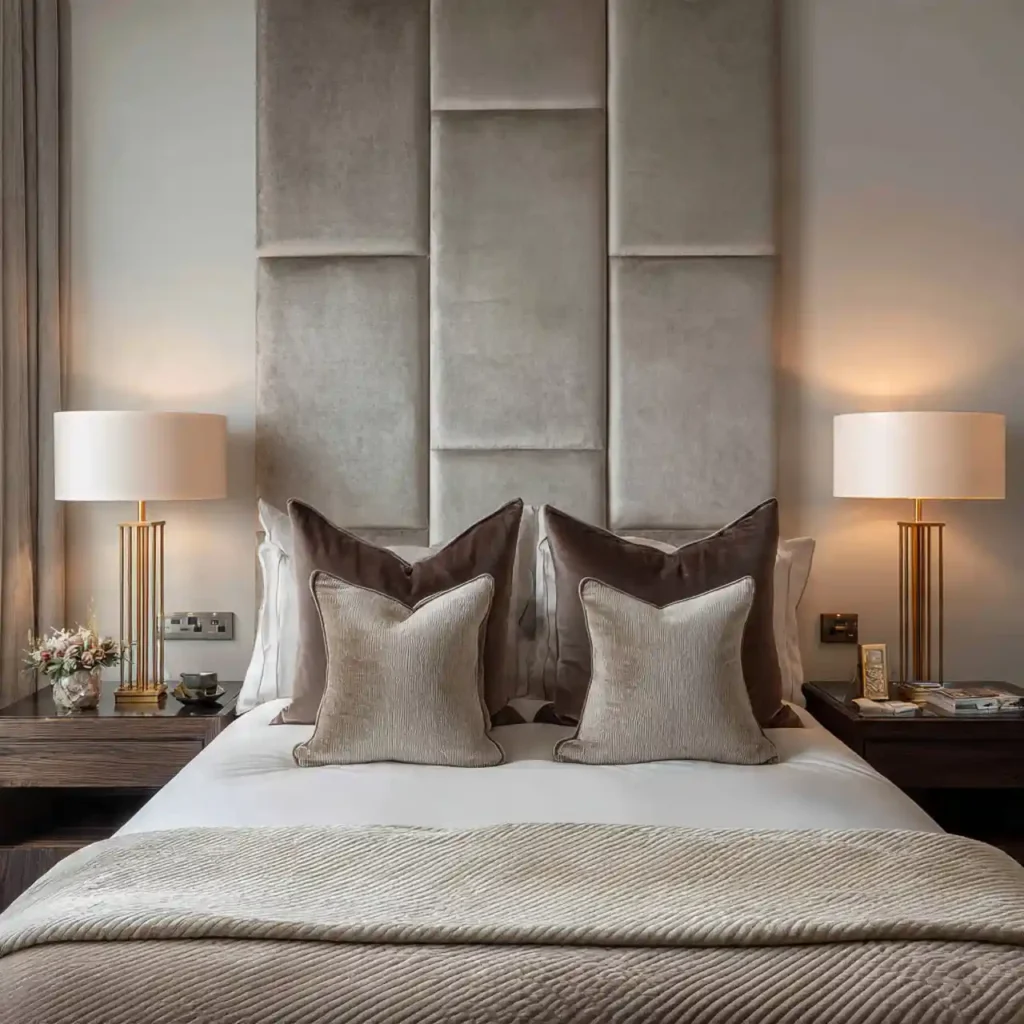
20. Create Visual Symmetry
Symmetry brings calm and order. Matching bedside lamps create balance. Designers use symmetry especially in bedrooms. It feels polished and structured. This trick adds elegance instantly.
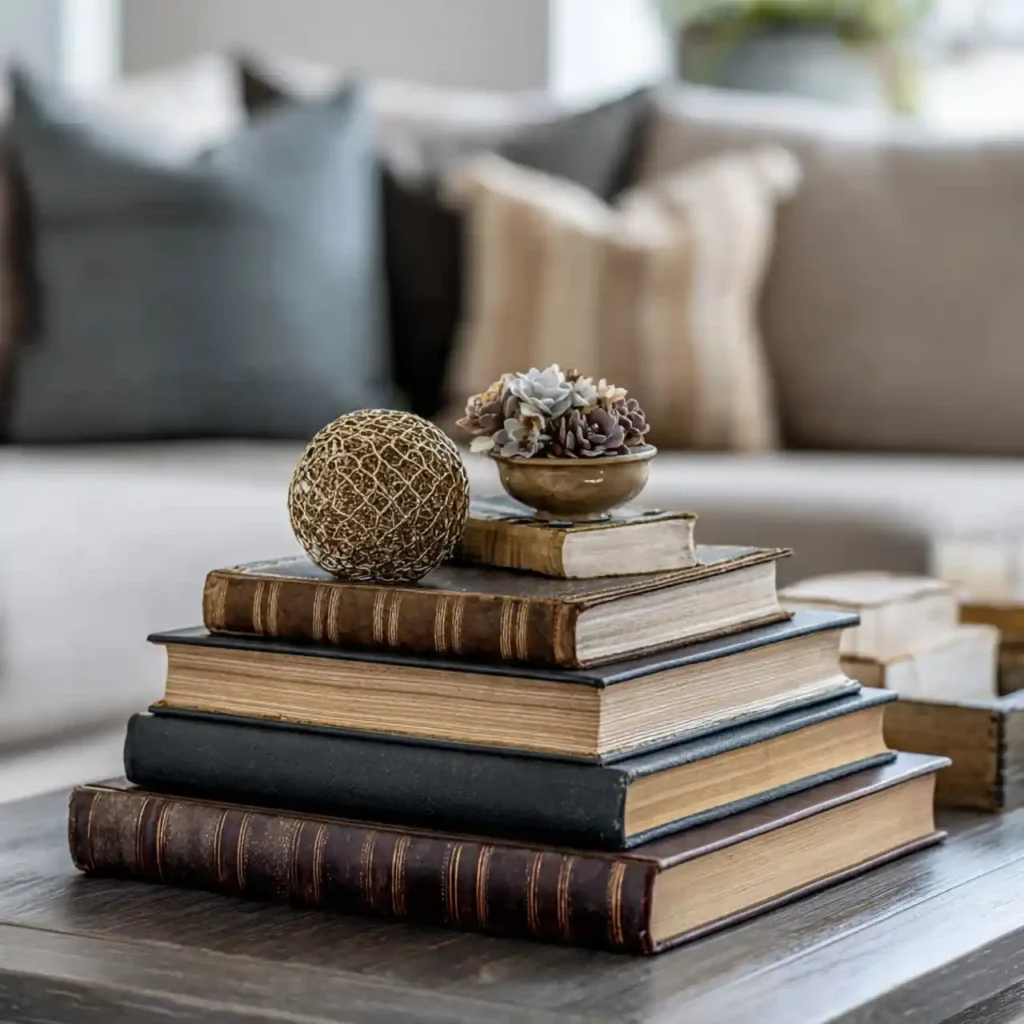
21. Use Books as Styling Tools
Books add height and personality. Designers stack them horizontally and vertically. They create layered surfaces. Coffee table books add sophistication. They also spark conversation.
22. Blend Old and New Pieces
Mixing vintage with modern creates depth. Designers avoid making rooms look like showrooms. Contrast between eras adds character. It feels curated over time. This creates timeless appeal.
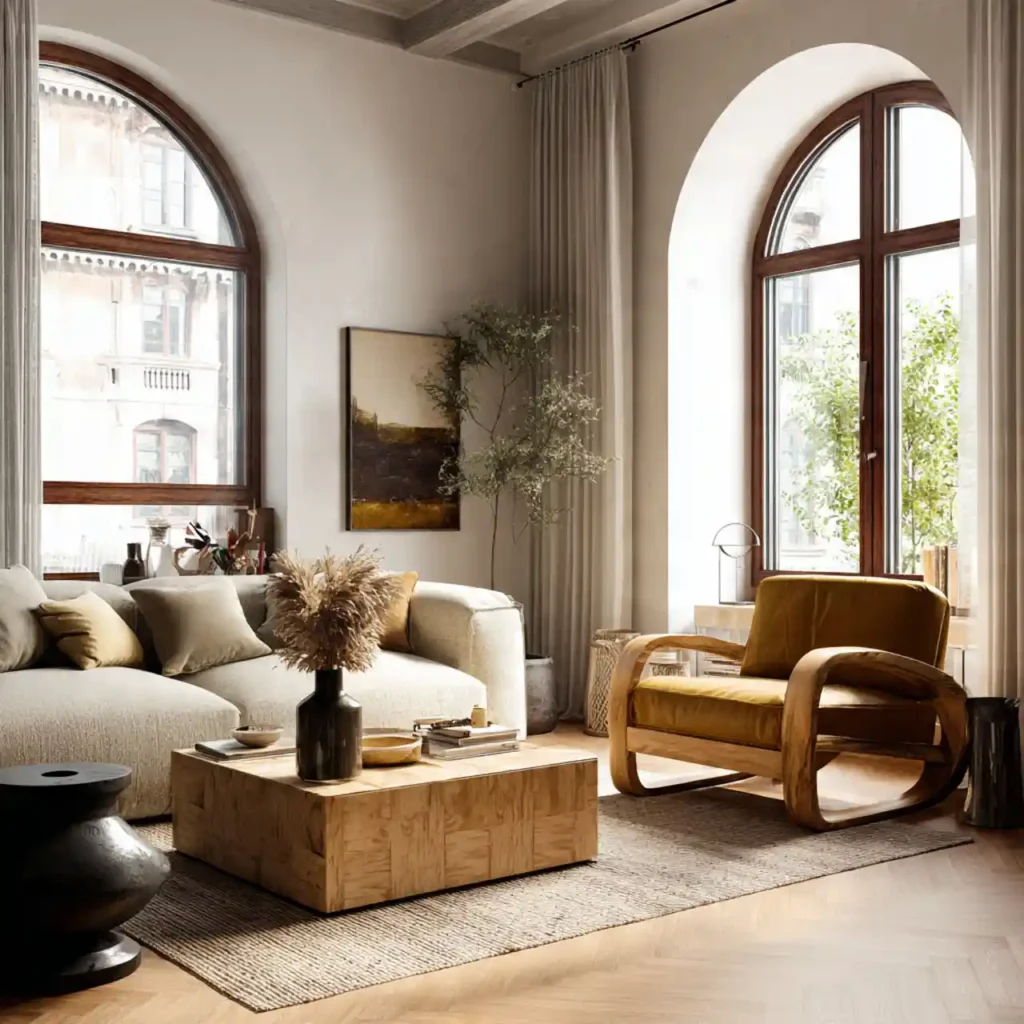
23. Define Spaces with Lighting
Pendant lights over dining tables create visual zoning. Designers use lighting to separate open-plan areas. It adds architectural clarity. Lighting shapes how a room feels. It enhances flow.
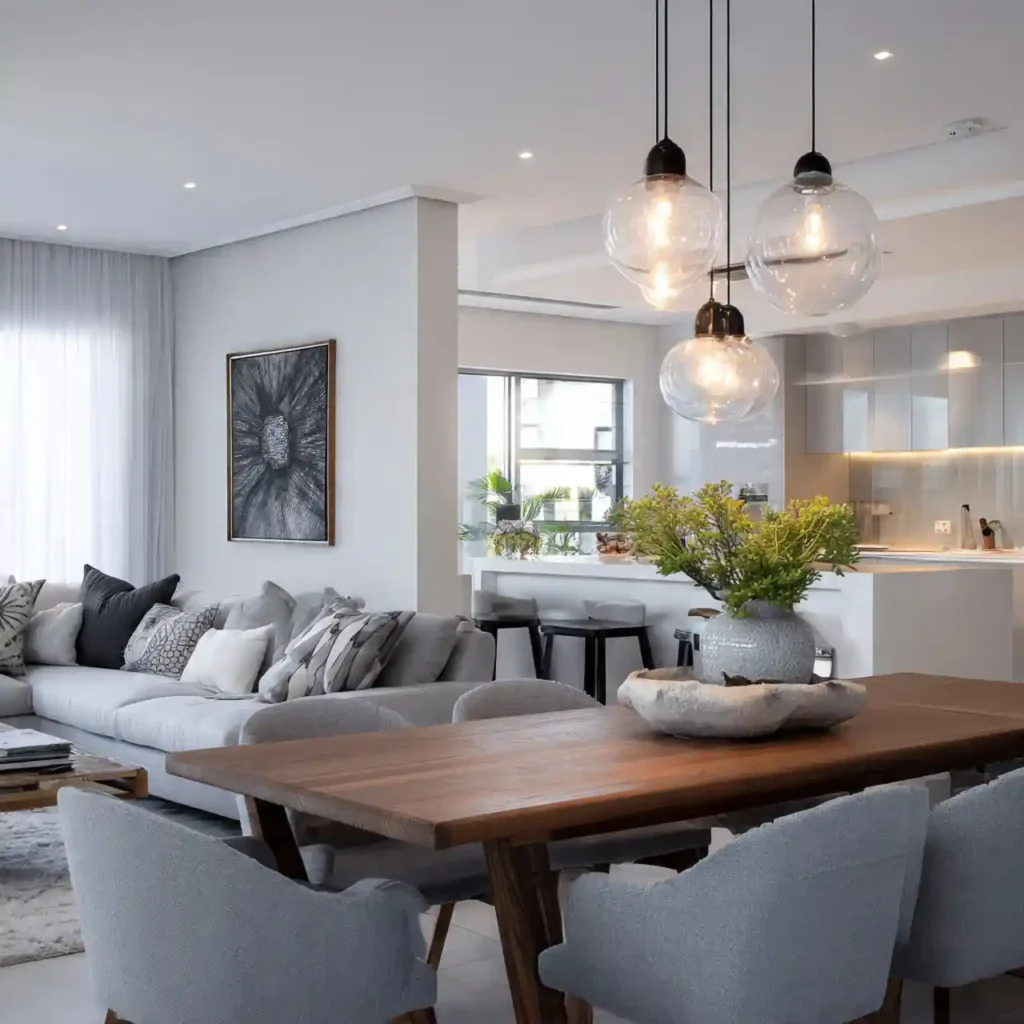
24. Use Oversized Plants
Large indoor plants create drama. Designers place them in corners to soften sharp edges. They add height and organic shape. Greenery makes rooms feel vibrant. It instantly upgrades empty areas.
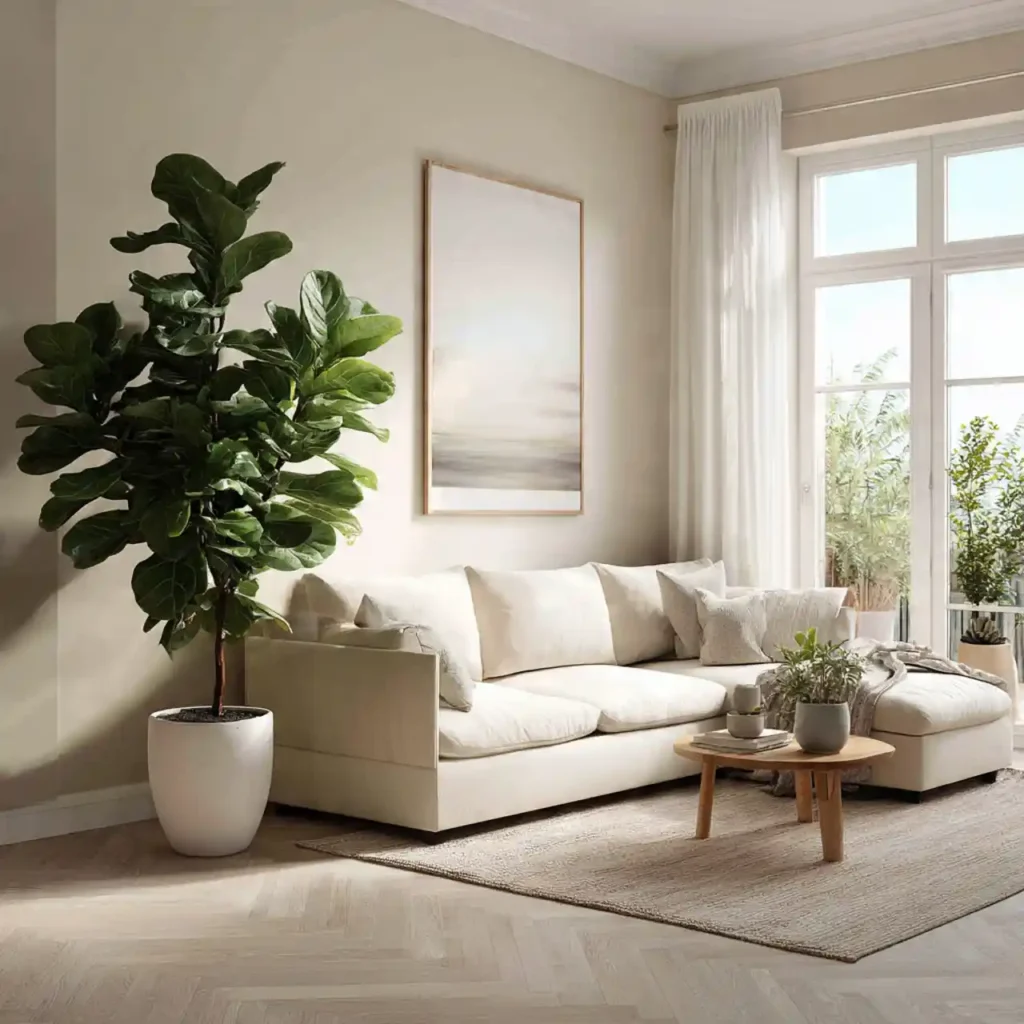
25. Edit Ruthlessly
The final trick designers swear by is editing. Removing unnecessary items improves clarity. Less clutter equals more impact. Every piece should serve a purpose. Editing transforms chaos into calm sophistication.
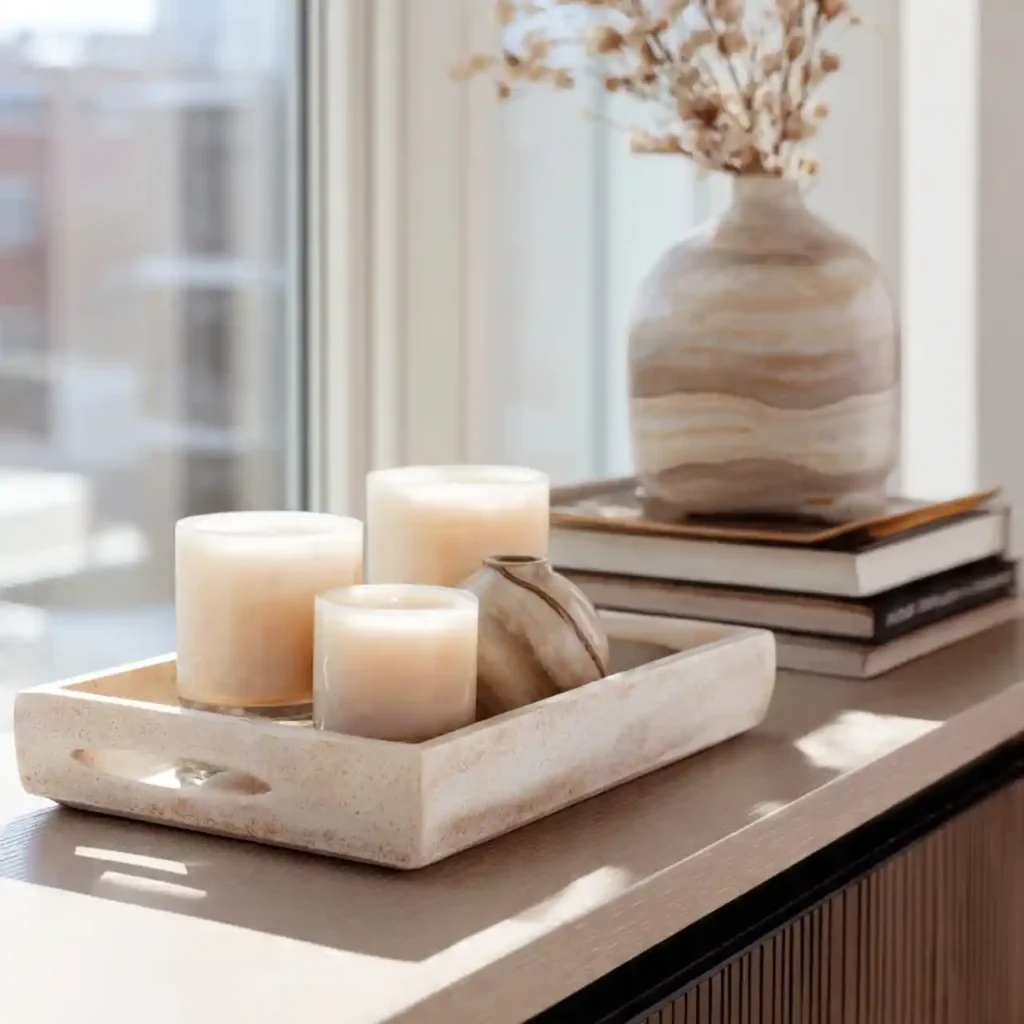
Final Thoughts:Interior Styling Tricks
Interior styling is not about buying more it’s about styling smarter. Professional designers focus on balance, layering, and intentional placement. These Interior Styling Tricks small yet powerful tricks create homes that feel polished, welcoming, and elevated Apply even a few of these styling techniques, and your space will instantly feel more refined and professionally designed.