30 Must-See Interior Design Trends for 2026 Homes
Interior design in 2026 is evolving beyond aesthetics and moving toward intentional living. Homeowners are no longer satisfied with spaces that simply look good in photos; they want interiors that feel warm, functional, and emotionally uplifting. The coming year will be defined by comfort driven layouts, natural materials, layered textures, and thoughtful personalization.
Minimalism is softening, luxury is becoming quieter, and sustainability is taking center stage. From organic color palettes to smart multifunctional rooms, 2026 homes will reflect balance, authenticity, and long term design thinking. If you’re planning to refresh your space or build a new one, these 30 Interior Design Trends for 2026 by The Home Vista will shape the homes of tomorrow.
1. Warm Minimalism
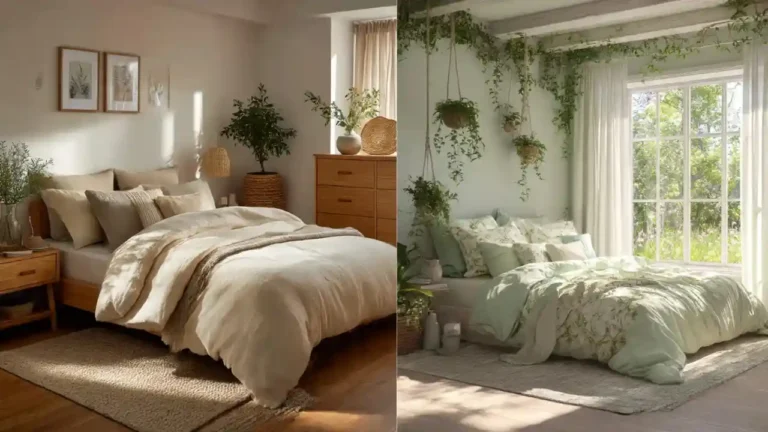
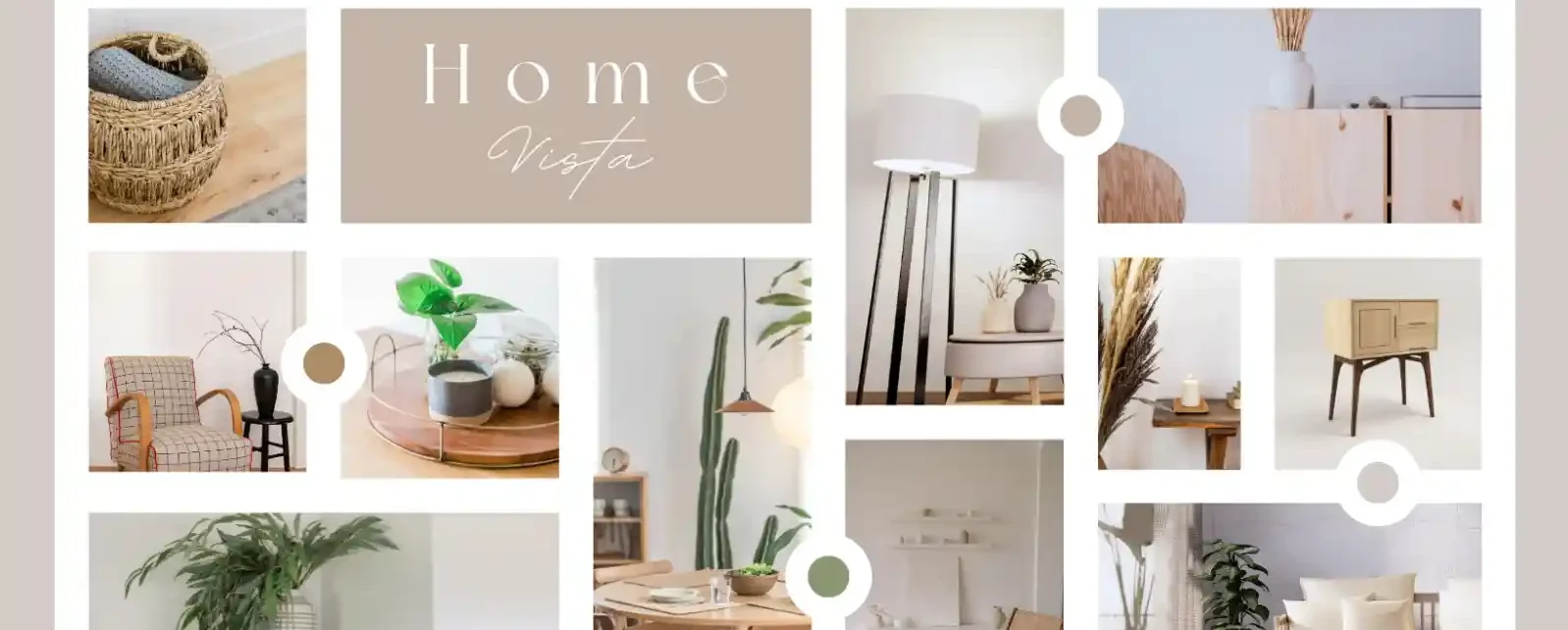
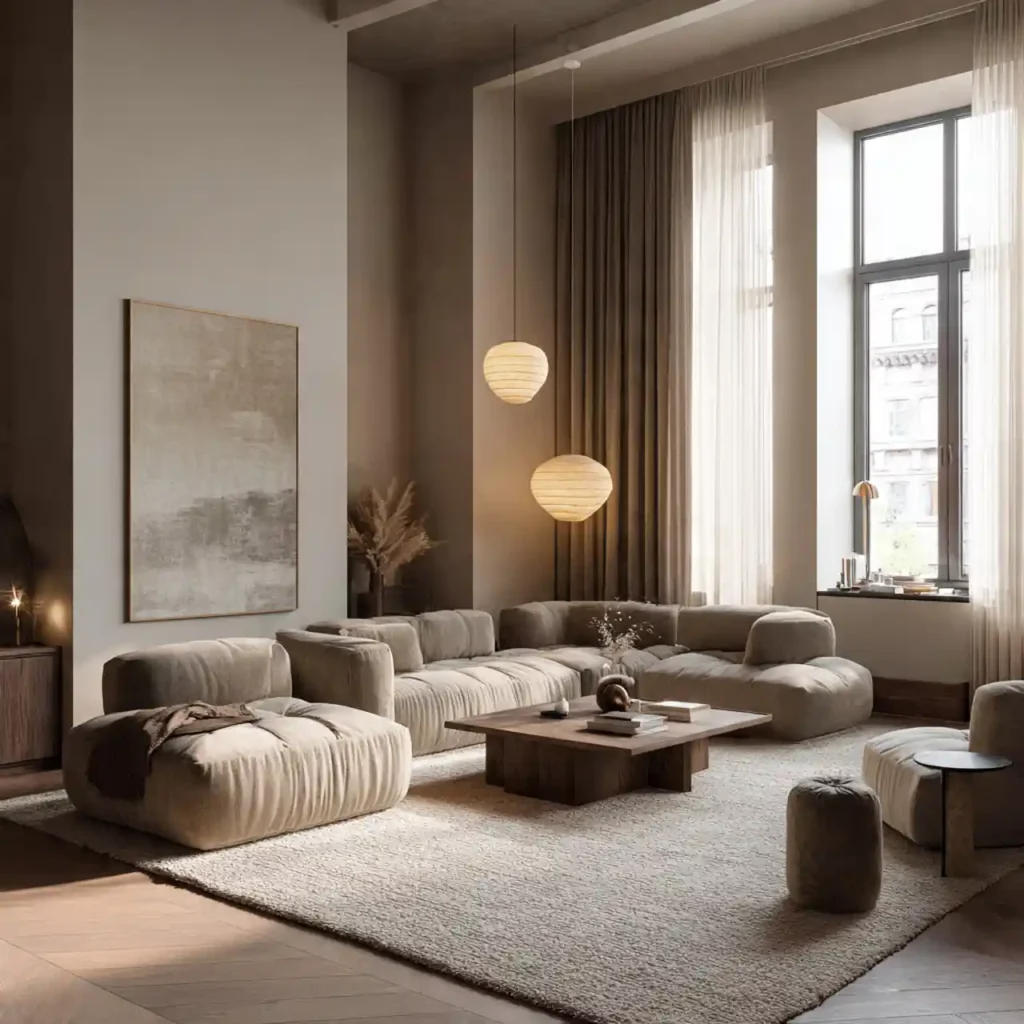
Warm minimalism replaces cold, sterile white spaces with soft beige, cream, taupe, and warm gray tones. Instead of empty rooms, this trend embraces subtle layers of texture and comfort. Linen curtains, plush rugs, and natural wood furniture create warmth without clutter. The focus remains simple, but never lifeless. This approach makes interiors feel calm, welcoming, and effortlessly elegant.
2. Earth-Tone Color Palettes
Earth-inspired shades such as terracotta, olive green, clay, caramel, and sand are dominating interiors. These tones connect the home to nature and create emotional comfort. Walls, upholstery, and décor pieces are shifting toward grounded, organic colors. Earth tones add depth without overwhelming the space. This palette feels timeless and stable, perfect for long-term design.
3. Organic Modern Design
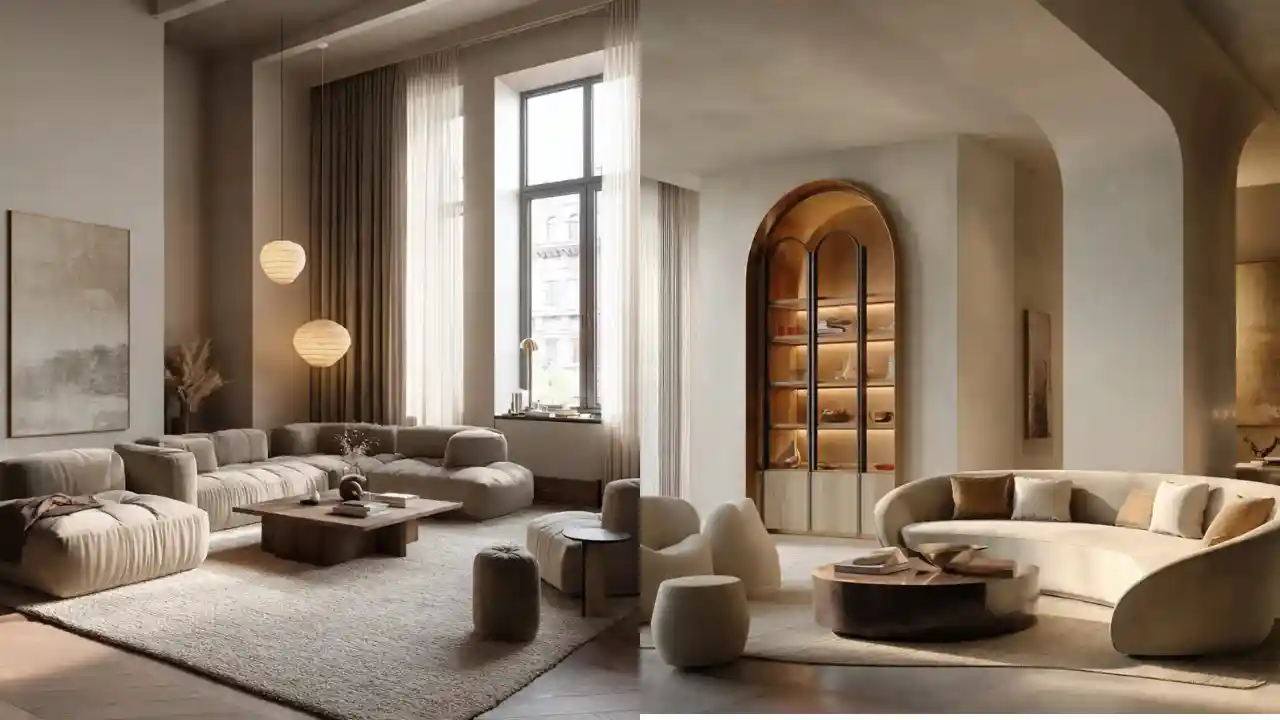
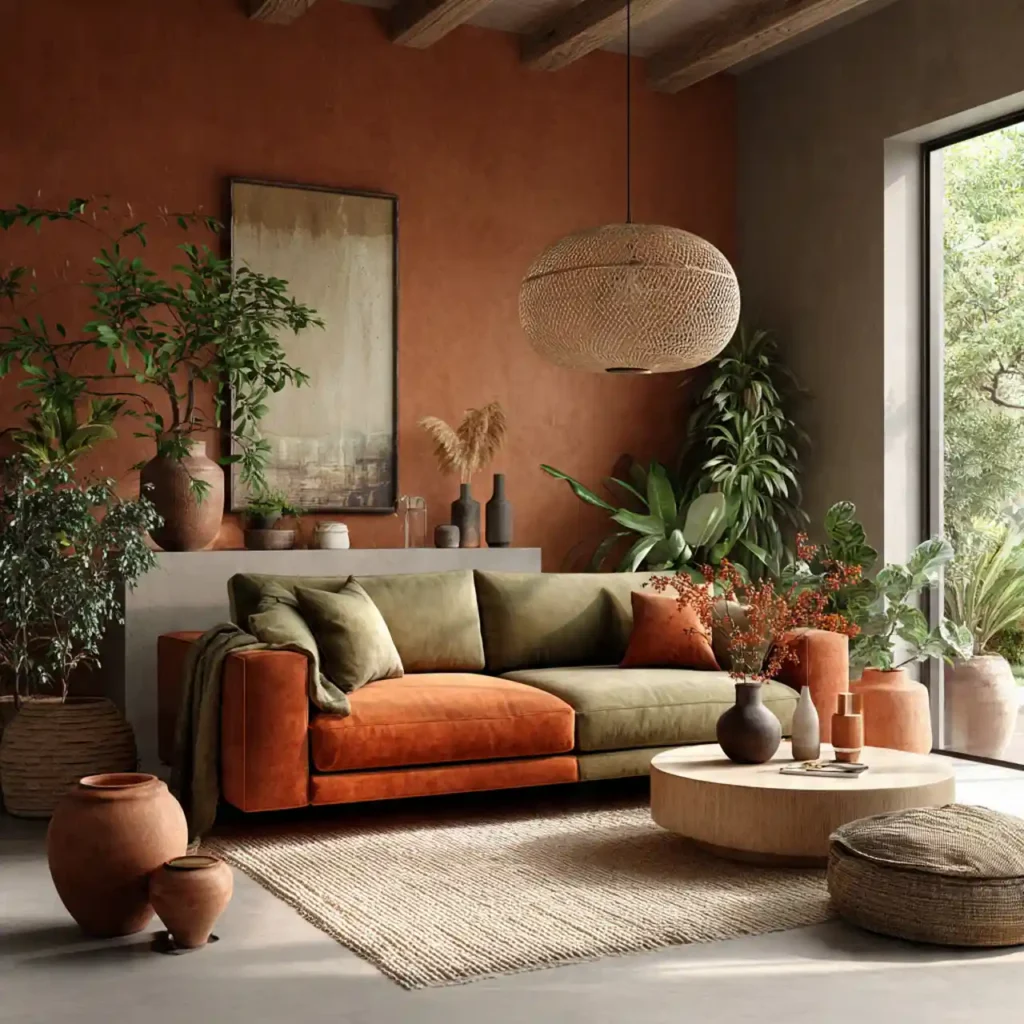
Organic modern combines clean contemporary lines with raw natural materials. Think stone coffee tables, curved sofas, wooden beams, and soft neutral fabrics. It balances structure with softness beautifully. The style feels refined yet relaxed at the same time. In 2026, this will be one of the most desired high-end interior looks.
4. Textured Wall Finishes
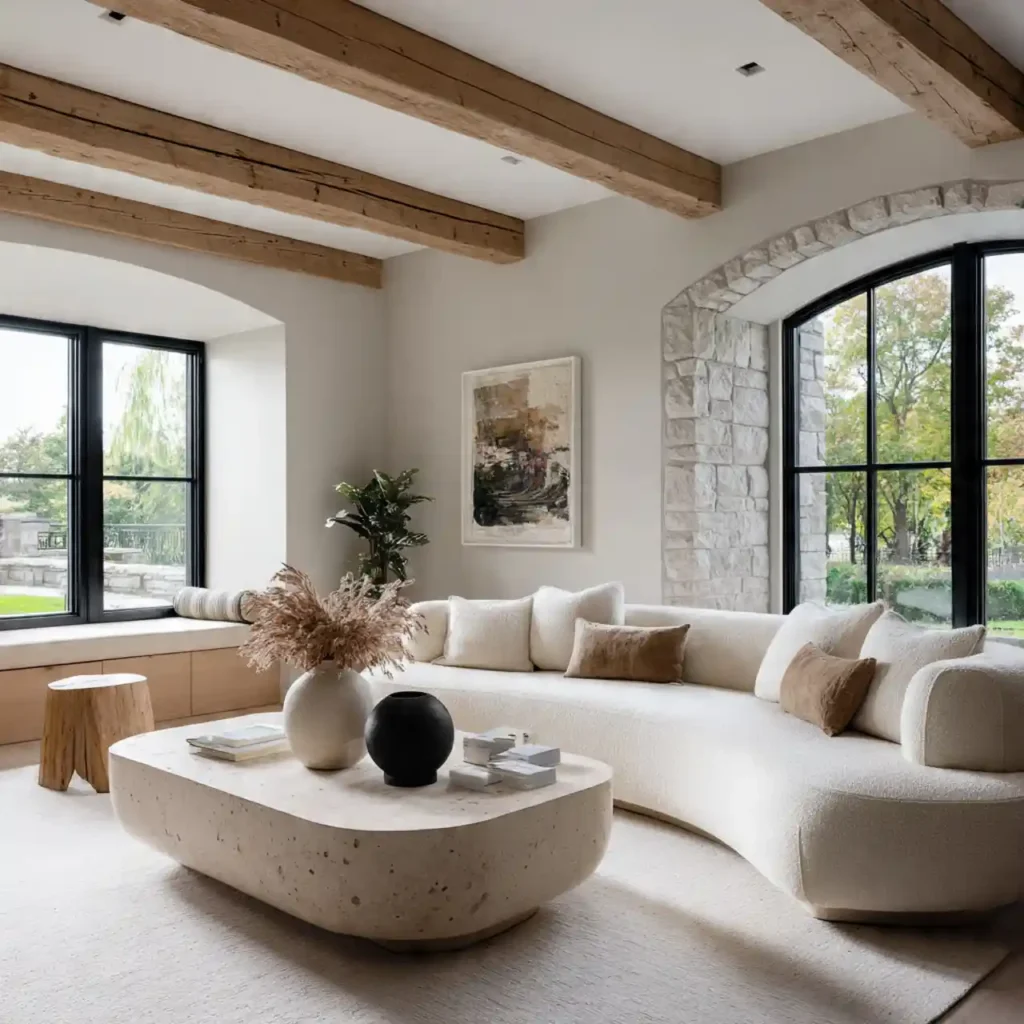
Flat paint is being replaced by textured finishes like limewash, plaster, and microcement. These treatments add depth and visual movement to otherwise simple spaces. Textured walls reflect light differently throughout the day. They create subtle drama without bold patterns. This trend elevates even the most neutral interior.
5. Curved and Sculptural Furniture
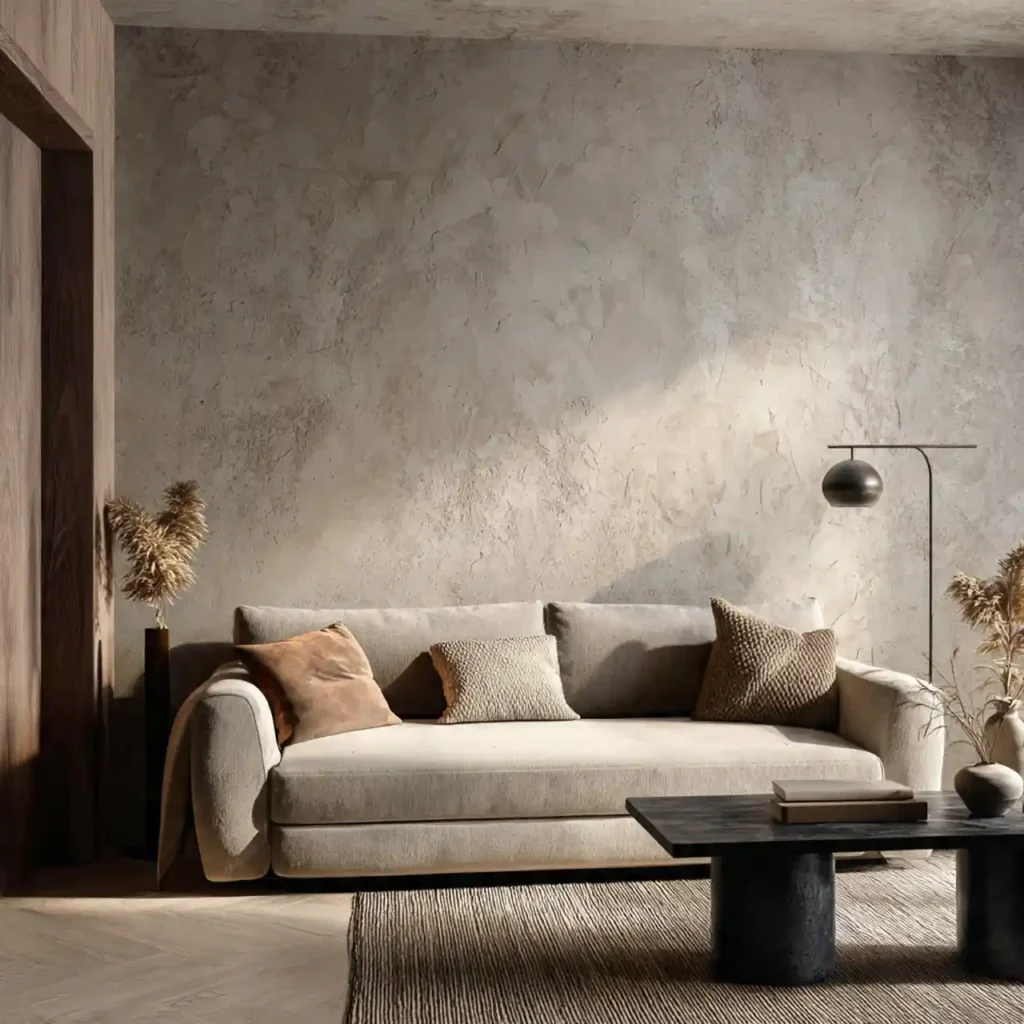
Furniture is moving away from sharp edges toward softer, rounded silhouettes. Curved sofas, circular coffee tables, and arched cabinets improve flow within rooms. These shapes feel more inviting and relaxed. Sculptural pieces also act as subtle statement features. This trend adds elegance while maintaining comfort.
6. Statement Natural Stone
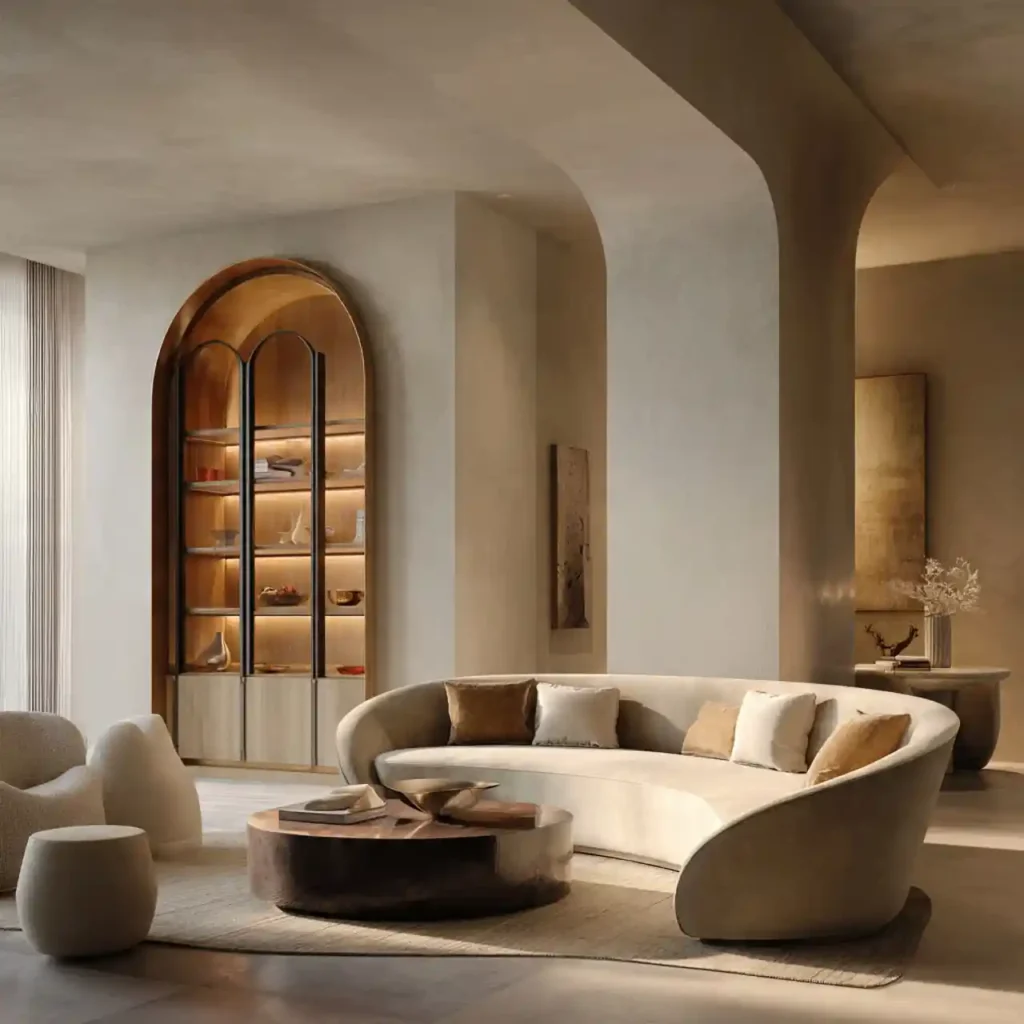
Natural stone is becoming a focal design element instead of just a surface. Marble, travertine, and quartzite are used boldly on countertops, islands, and accent walls. Each slab brings unique texture and veining. Statement stone creates instant luxury. Authentic materials are valued more than artificial perfection.
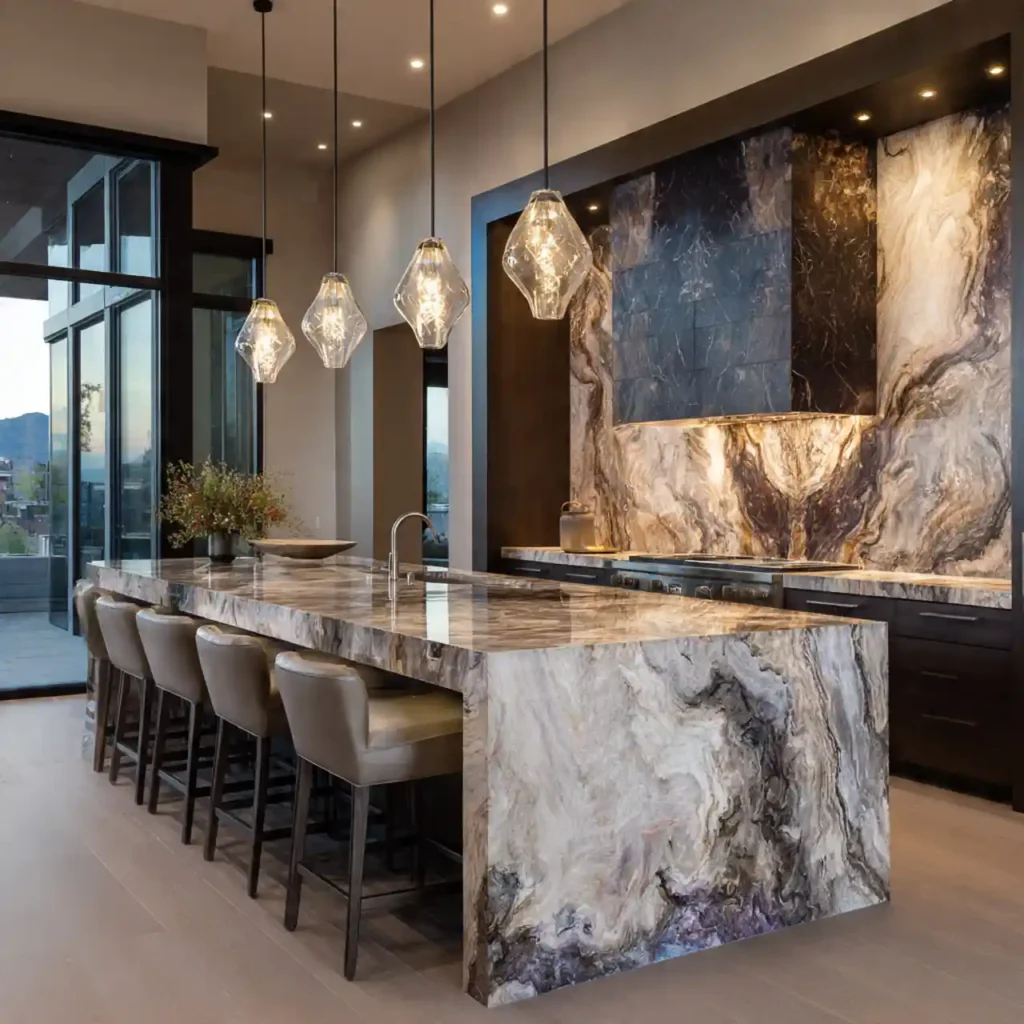
7. Concealed Storage Solutions
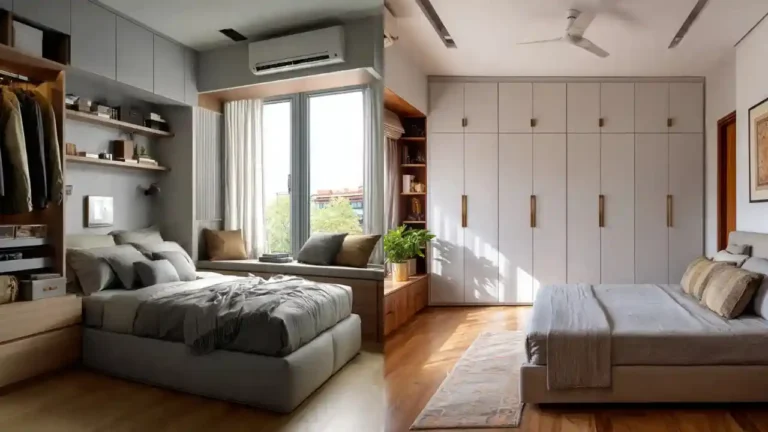
Hidden storage is redefining clean interiors. Built-in cabinets, flush wardrobes, and multifunctional furniture keep spaces organized. Clutter-free surfaces reduce visual stress. Storage is becoming seamless and integrated into architecture. Functional design remains a top priority in 2026 homes.
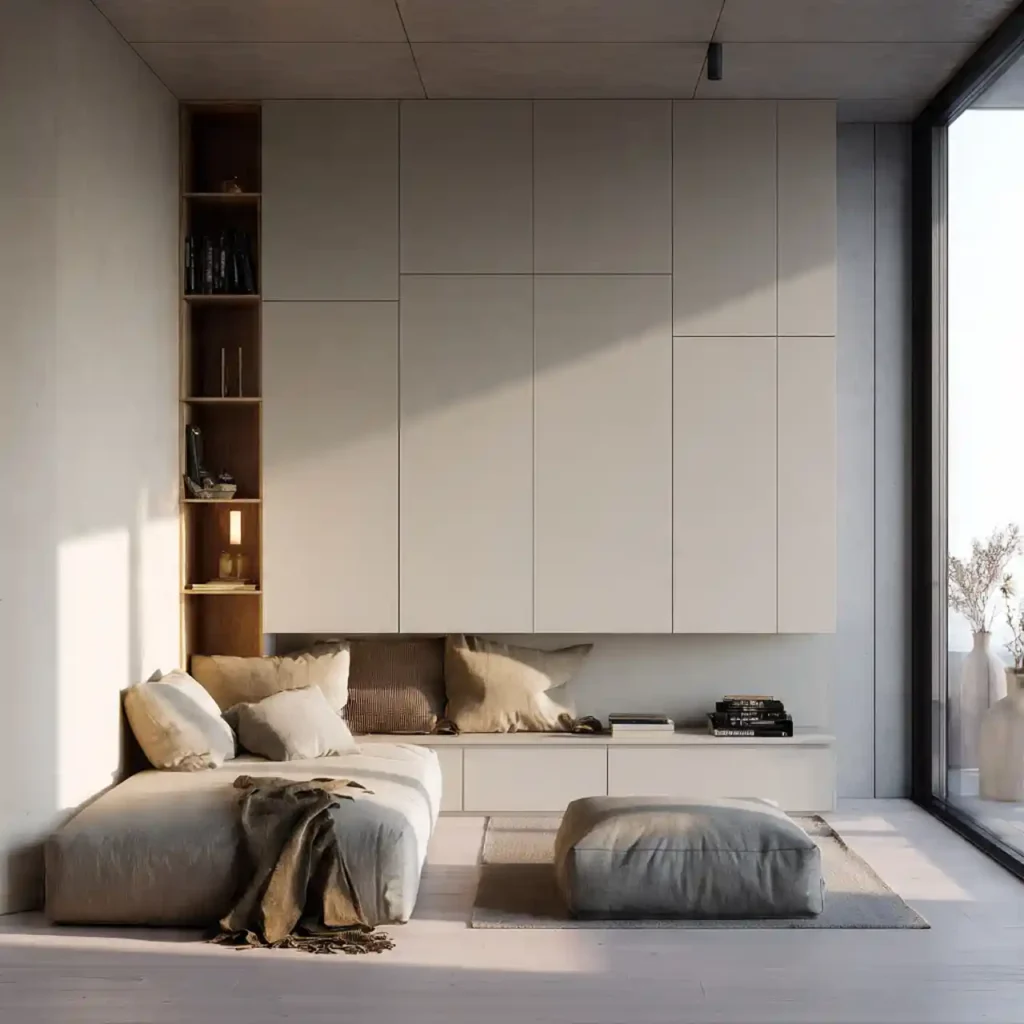
8. Sustainable and Eco-Friendly Materials
Sustainability continues to influence interior decisions strongly. Reclaimed wood, recycled textiles, and eco-friendly paints are becoming standard choices. Homeowners are investing in durable, long-lasting materials. Indoor air quality and environmental impact matter more than ever. Conscious design is no longer optional.
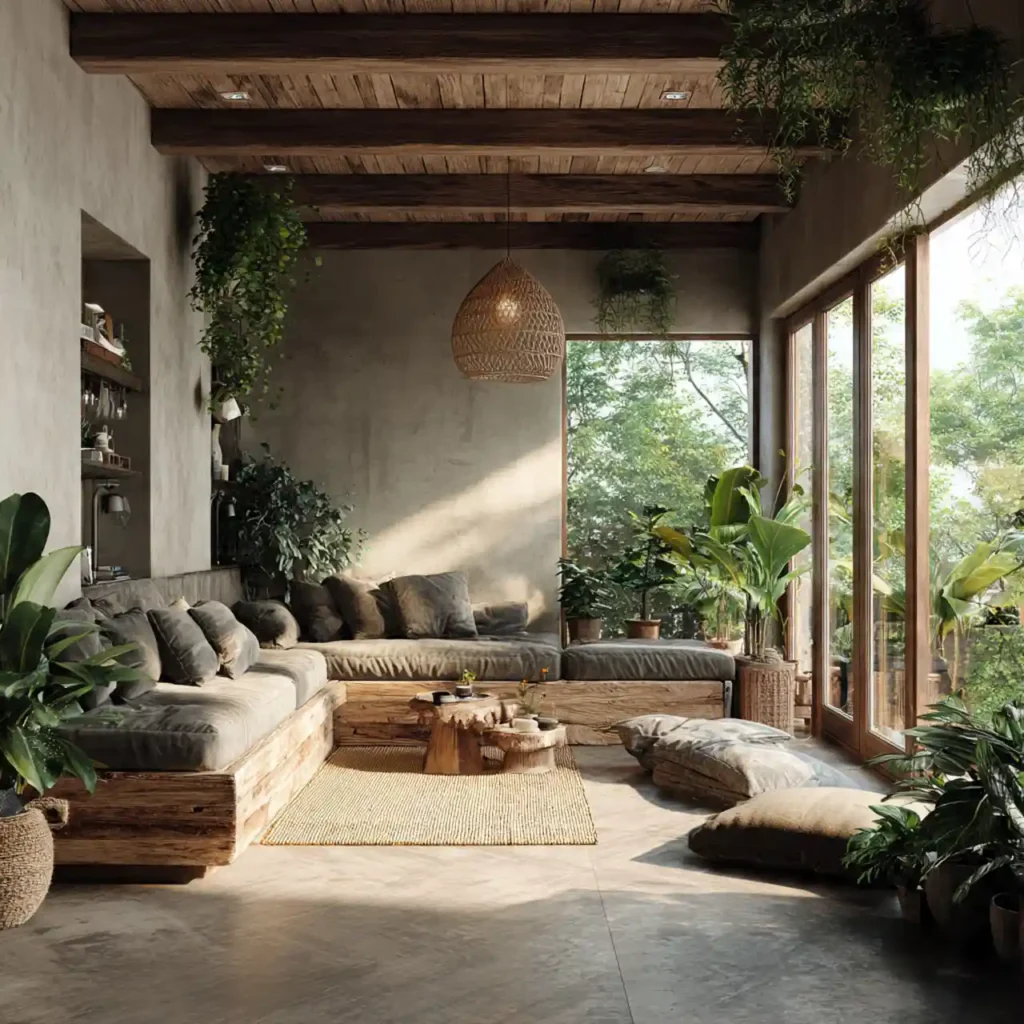
9. Layered Lighting Concepts
Lighting is becoming more strategic and layered. Designers now combine ambient, task, and accent lighting in one space. Wall sconces, floor lamps, and hidden LED strips create depth. Warm lighting enhances coziness dramatically. Layered lighting improves both mood and functionality.
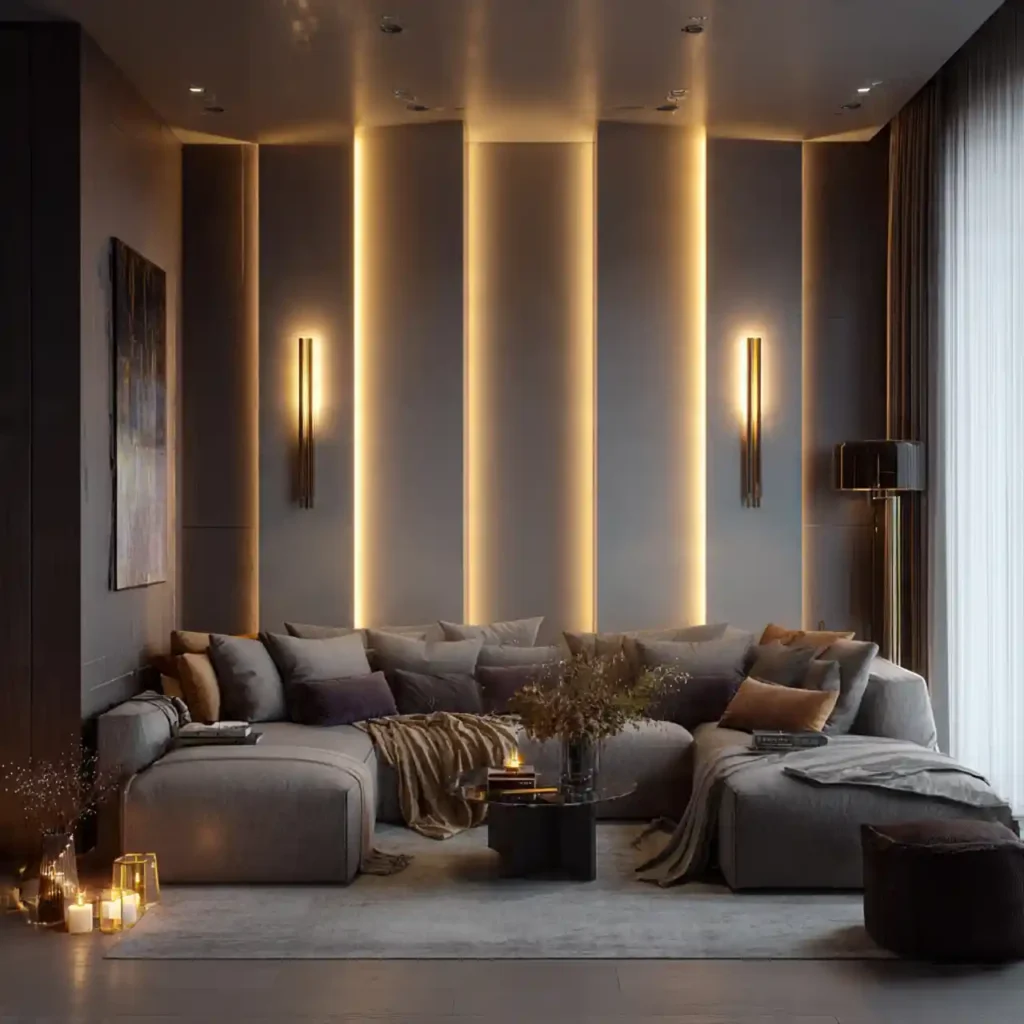
10. Bold Ceiling Designs
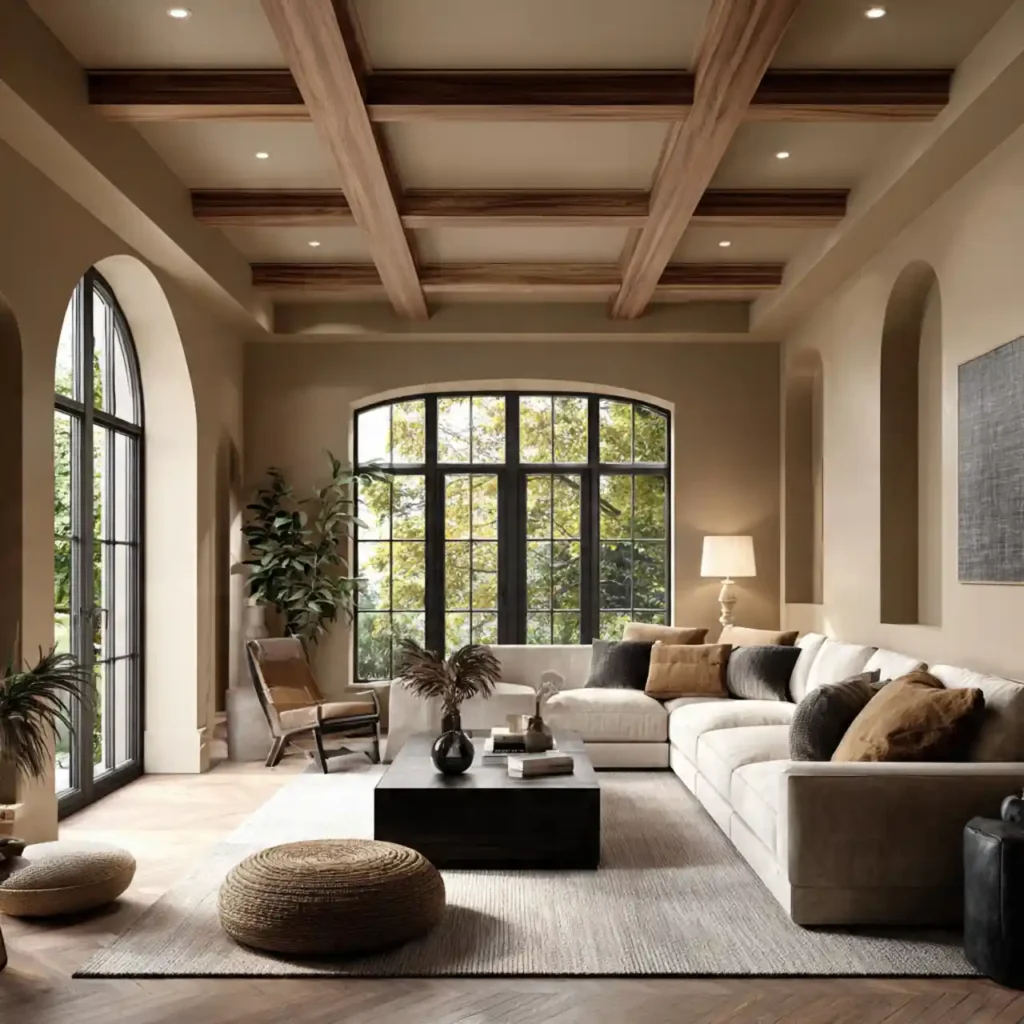
Ceilings are gaining attention as a major design feature. Painted ceilings, wood paneling, and decorative beams add dimension. This technique draws the eye upward. It enhances architectural character instantly. The “fifth wall” is becoming a creative playground.
11. Multifunctional Living Spaces
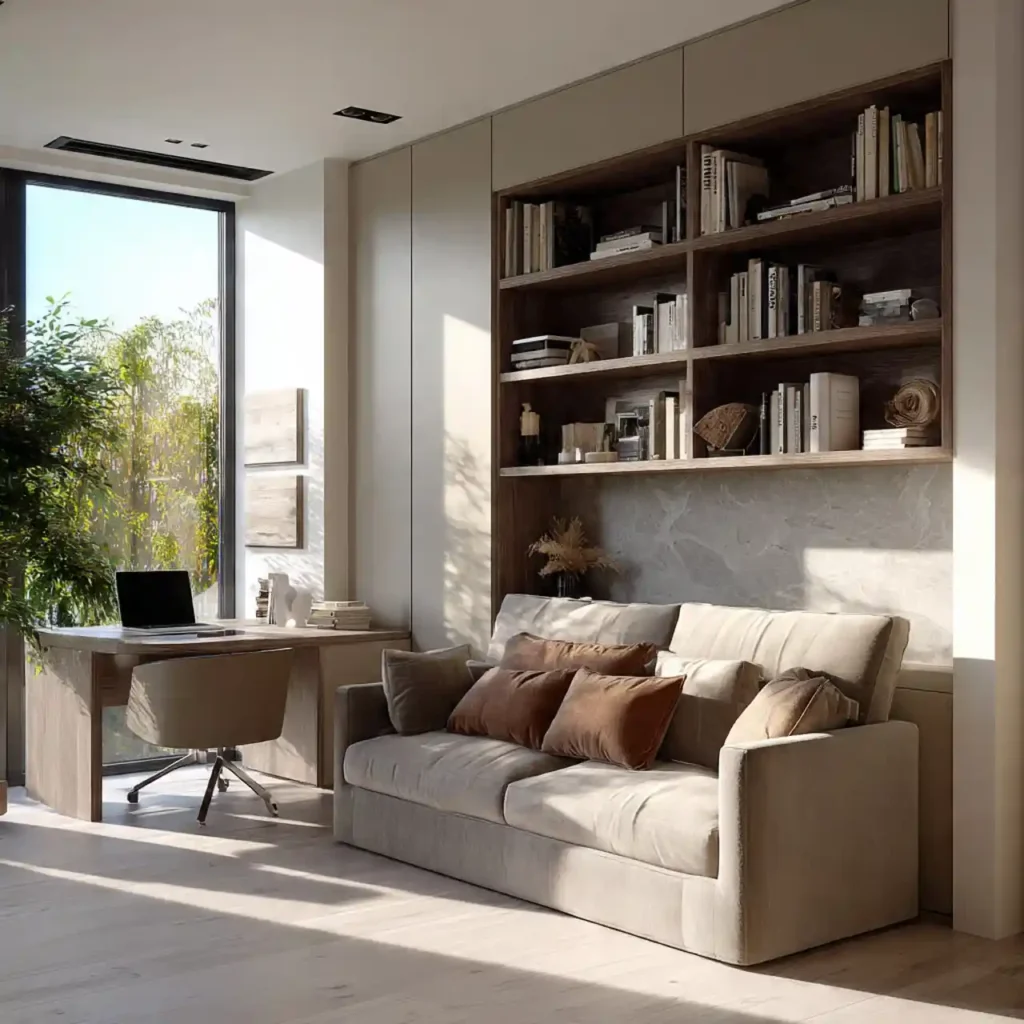
Homes are adapting to hybrid lifestyles. Living rooms double as workspaces and guest areas. Flexible layouts support daily transitions smoothly. Modular furniture increases adaptability. This trend focuses on practicality without sacrificing beauty.
12. Oversized Artwork
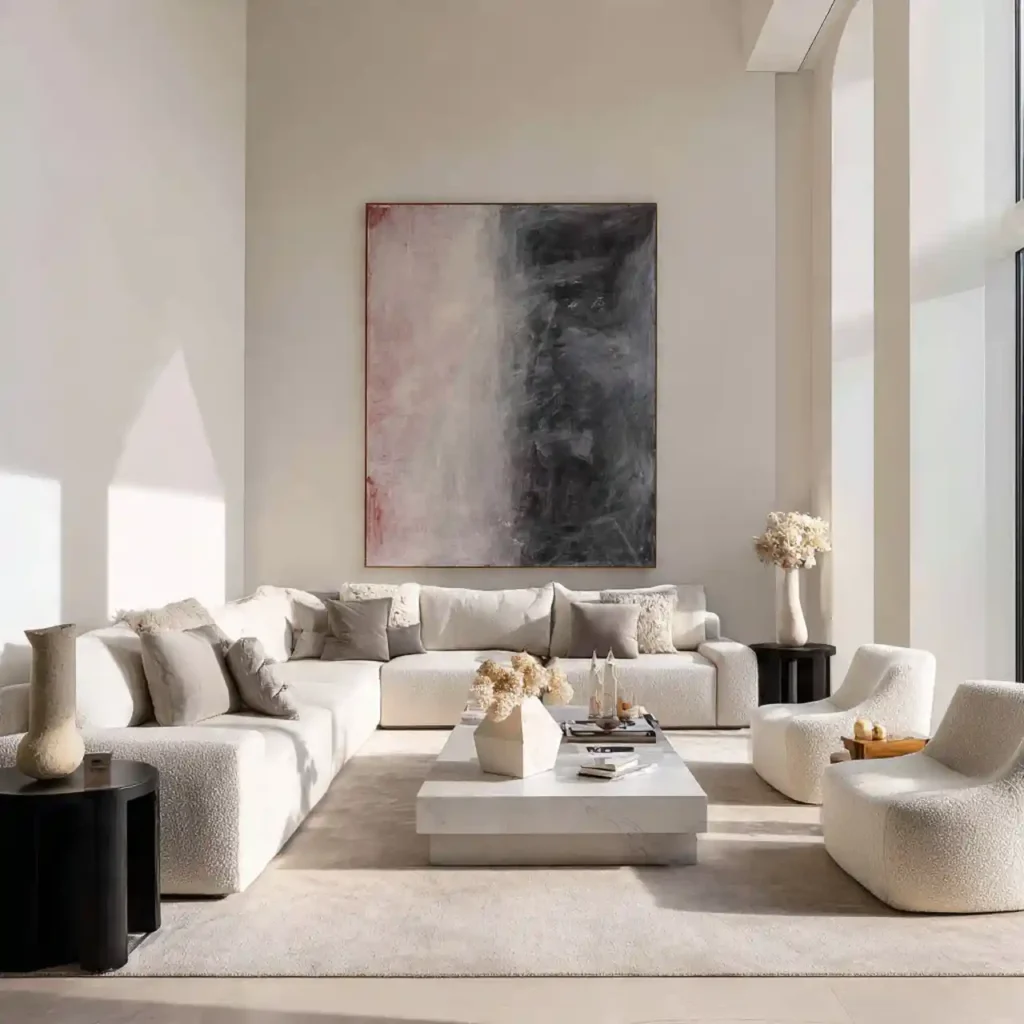
Large-scale art pieces are replacing cluttered gallery walls. One statement artwork creates a bold focal point. It simplifies styling decisions. Oversized art adds sophistication and personality. Minimal effort can create maximum visual impact.
13. Warm Wood Tones
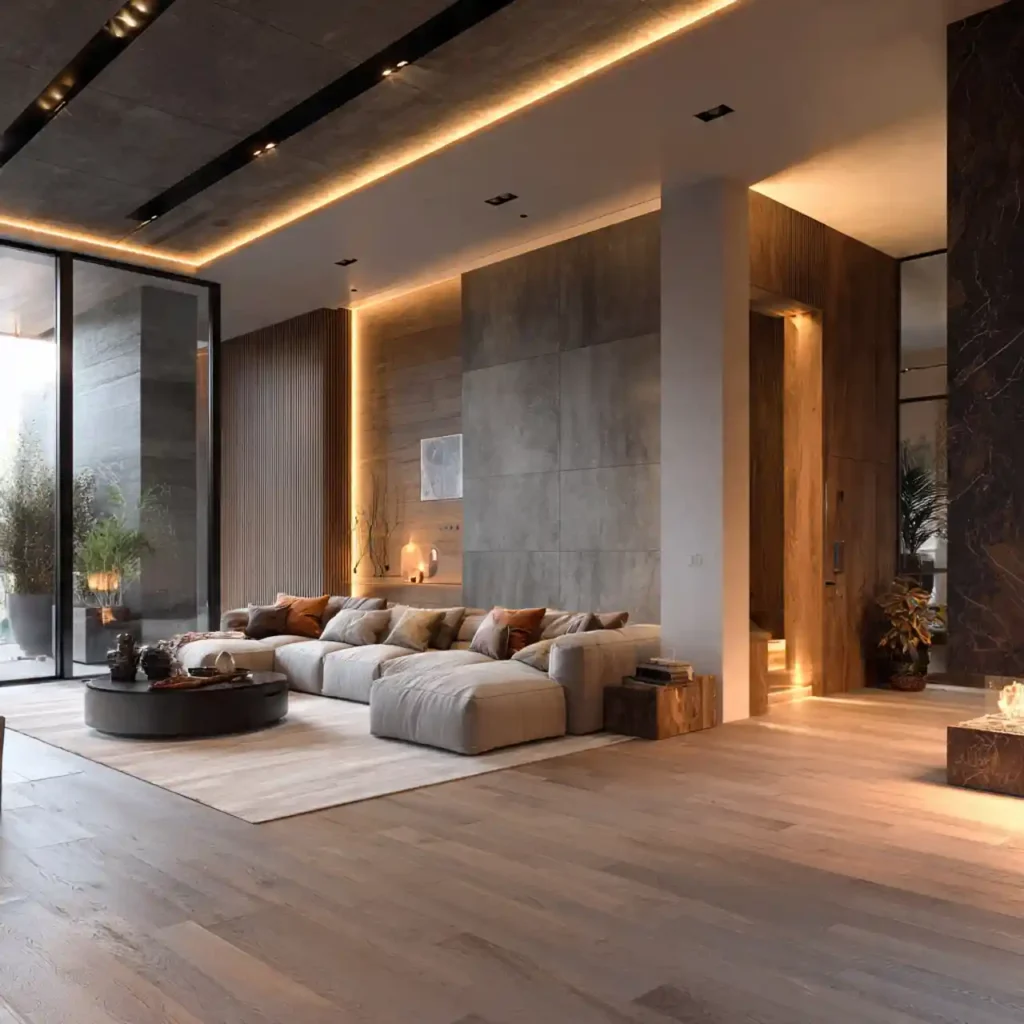
Natural oak, walnut, and mid-tone woods are replacing gray finishes. Warm wood adds richness and depth. It pairs beautifully with stone and neutral fabrics. Wood brings natural authenticity indoors. This trend feels timeless and comforting.
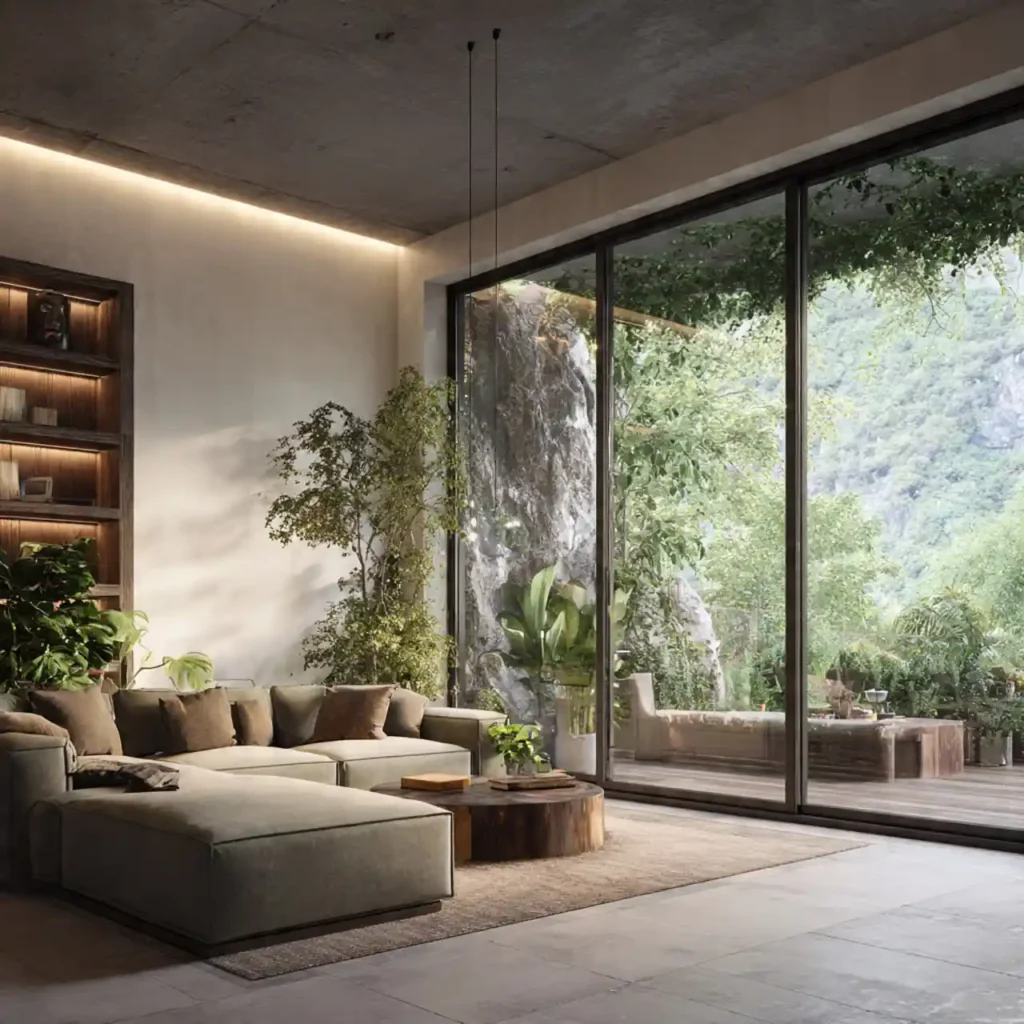
14. Indoor-Outdoor Integration
Large windows and sliding glass doors blur the boundary between indoors and outdoors. Natural light becomes a primary design element. Indoor plants enhance this connection. Outdoor views are intentionally framed. This approach improves mental well-being and openness.
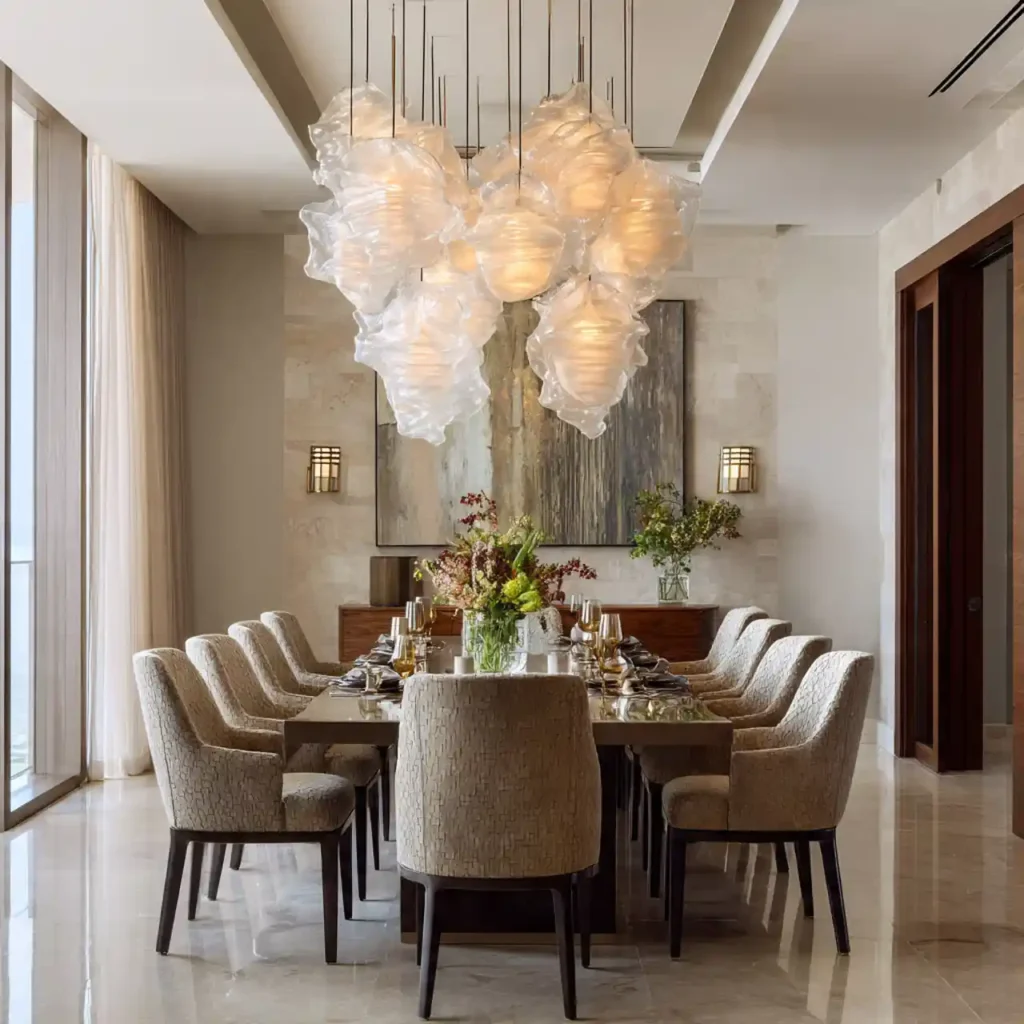
15. Sculptural Lighting Fixtures
Lighting is transforming into functional art. Pendant lights and chandeliers now feature bold, artistic shapes. Sculptural lighting becomes the centerpiece of a room. It adds personality to simple interiors. This trend merges creativity with practicality.
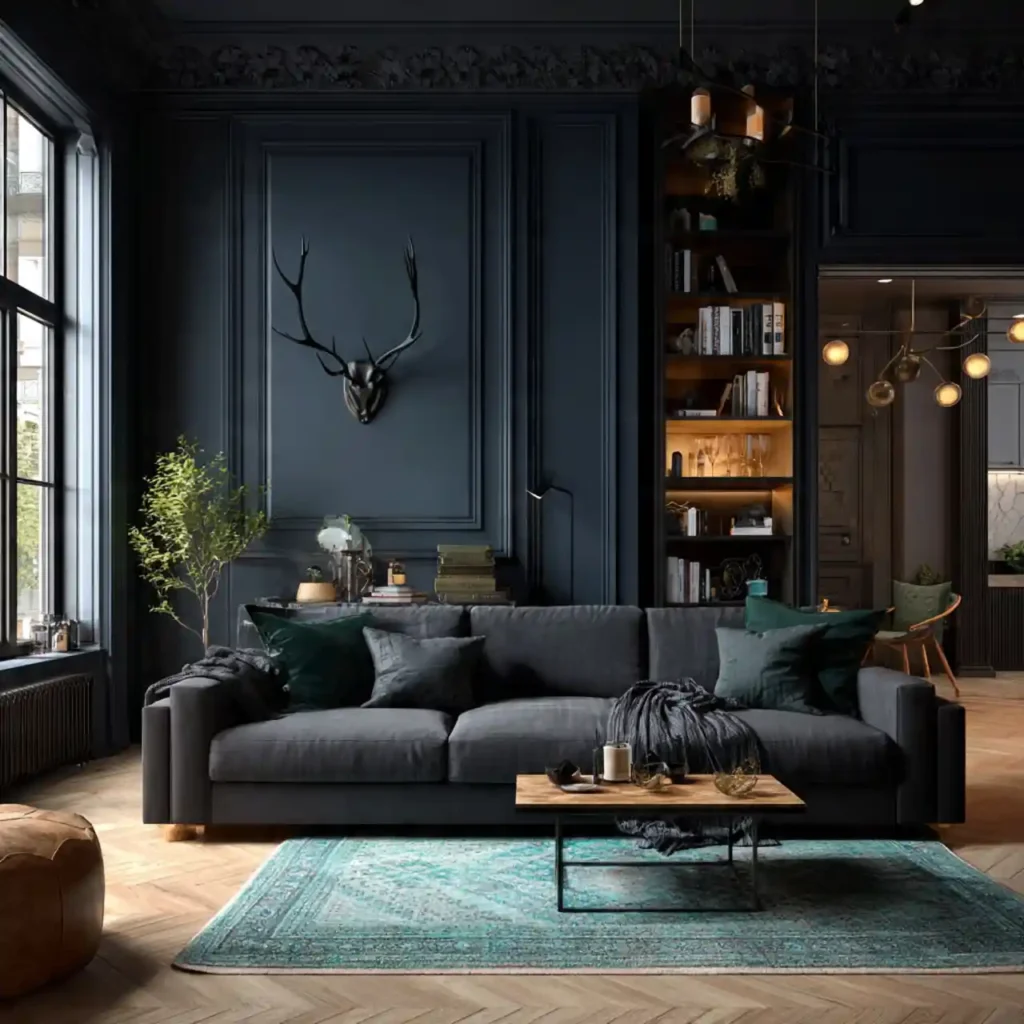
16. Moody Accent Colors
Deep tones like navy, charcoal, forest green, and burgundy add drama. These colors are used strategically on feature walls or furniture. Moody accents create contrast within neutral spaces. They feel rich and luxurious. Balance remains essential to avoid heaviness.
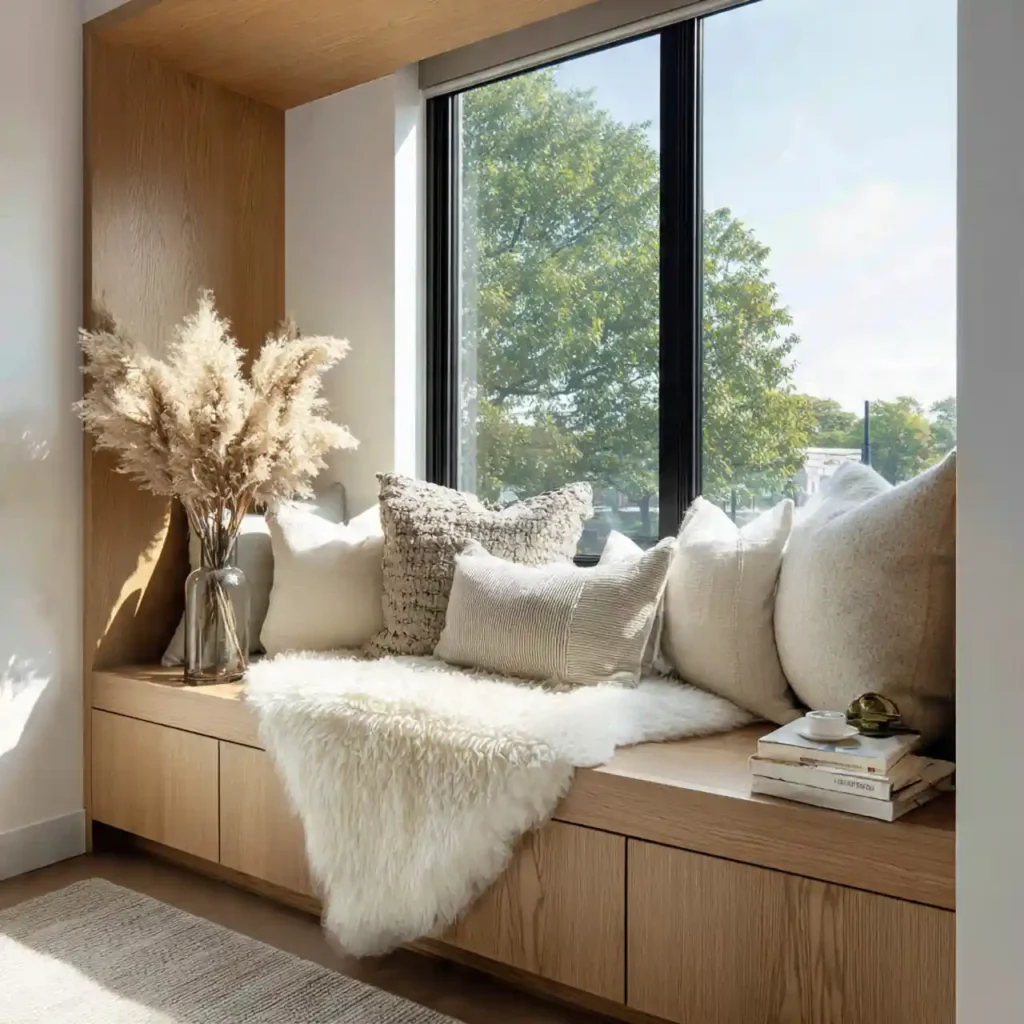
17. Built-In Seating
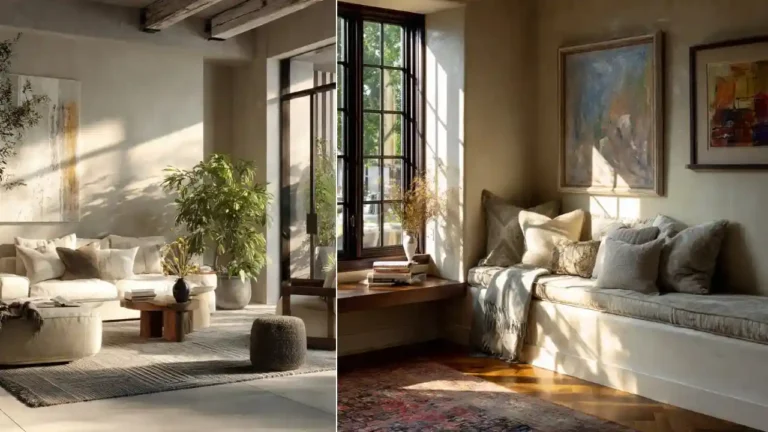
Custom benches and window seating maximize unused areas. Built-ins create a seamless architectural look. They improve functionality without adding bulk. Cushions enhance comfort and warmth. This feature blends design and practicality beautifully.
18. Intentional Minimal Décor
Homes are shifting toward fewer but meaningful décor items. Every object serves a purpose or holds sentimental value. Clean surfaces reduce mental clutter. Thoughtful styling replaces excessive decoration. This trend prioritizes quality over quantity.
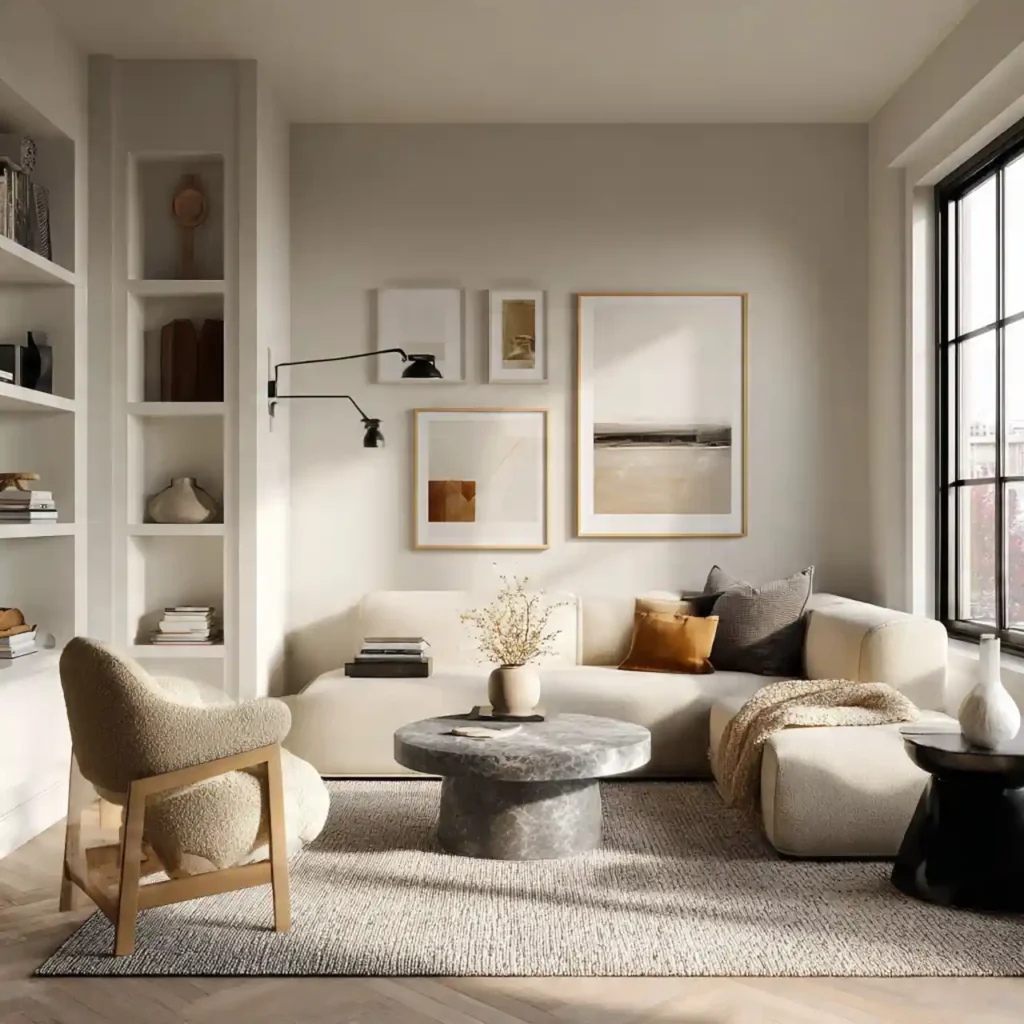
19. Mixed Metal Finishes
Mixing brass, matte black, brushed nickel, and bronze adds subtle depth. Designers are moving away from perfectly matched hardware. Mixed metals feel curated and dynamic. The key is maintaining tonal harmony. This trend adds refined complexity.
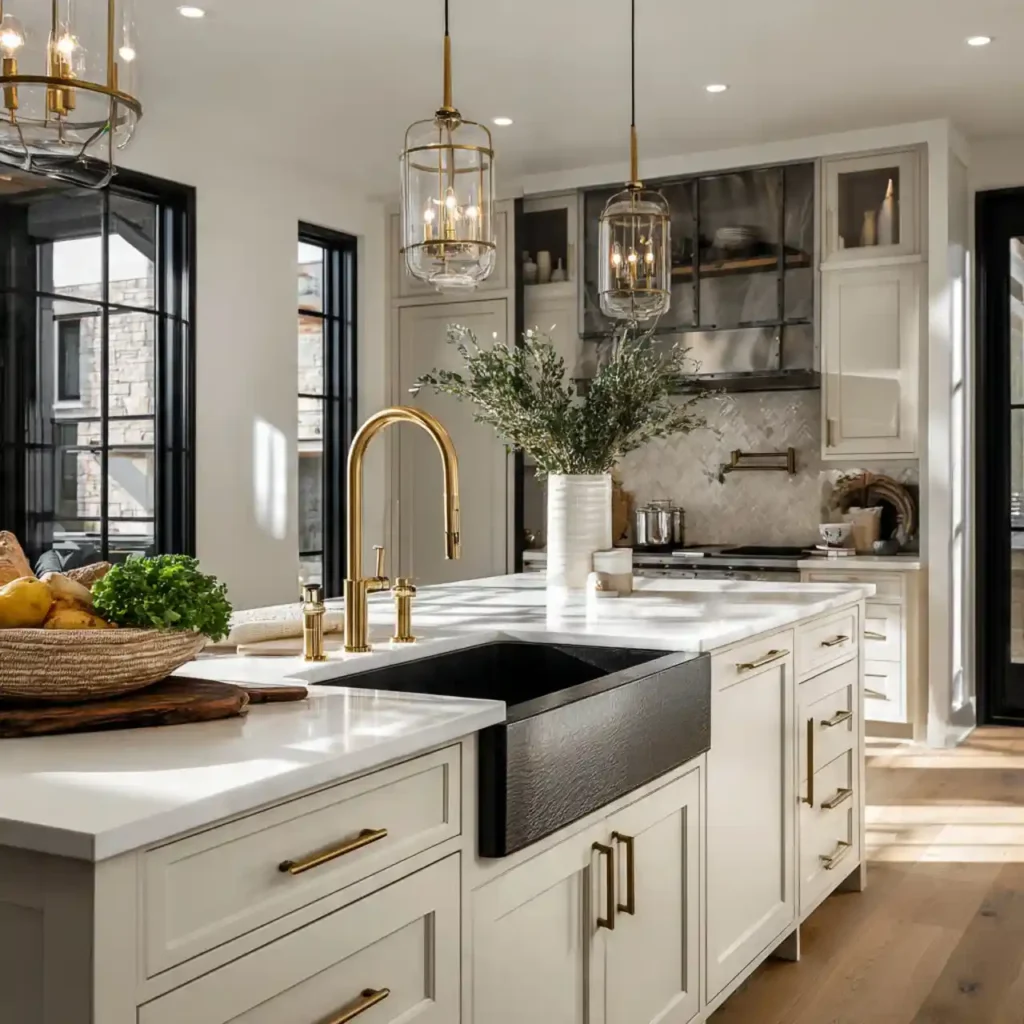
20. Elevated Entryways
Entryways are becoming more dramatic and styled. Bold mirrors, sculptural consoles, and layered lighting define the space. The entrance sets the mood for the entire home. First impressions matter strongly. A styled foyer enhances overall design cohesion.
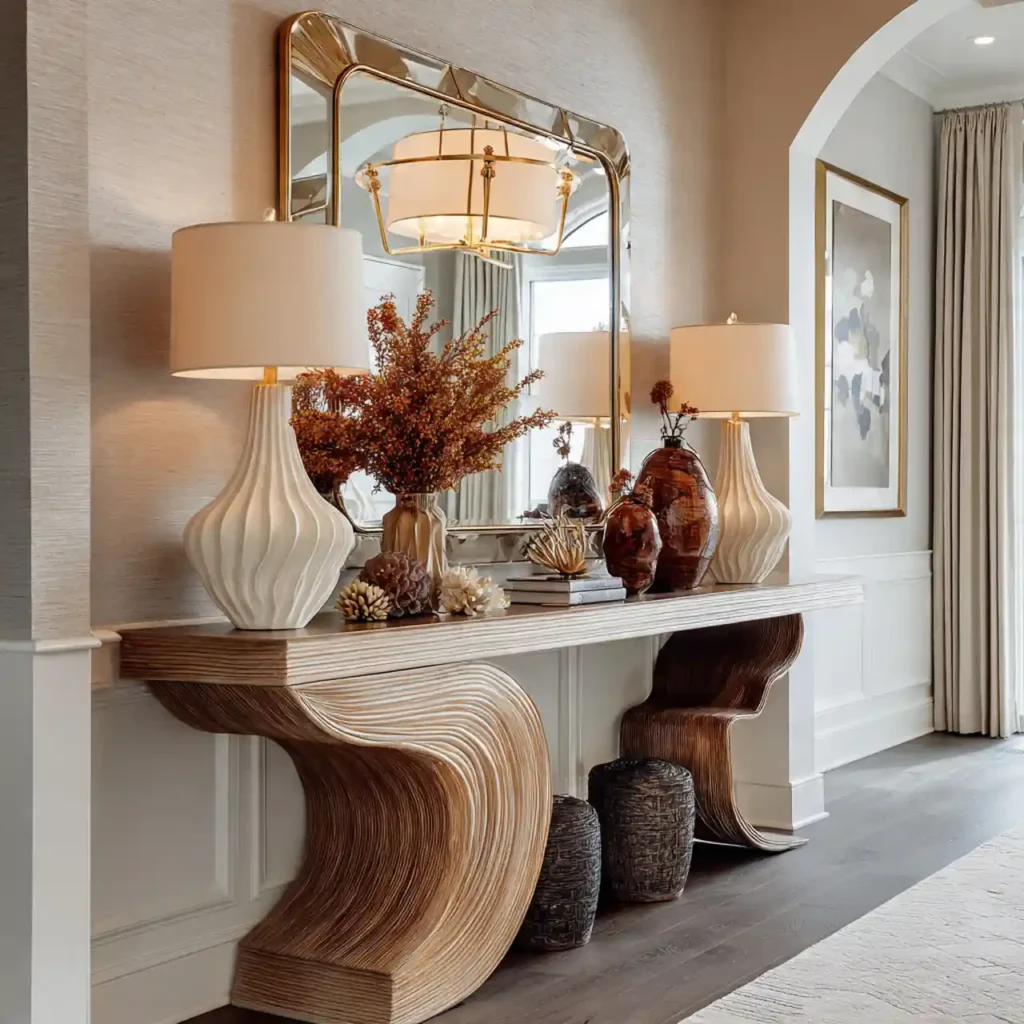
21. Soft Luxury Aesthetic
Luxury in 2026 feels understated rather than flashy. Plush fabrics, muted tones, and high-quality materials define this trend. Spaces look expensive without obvious extravagance. Comfort remains central to the design. Soft luxury feels effortless and refined.
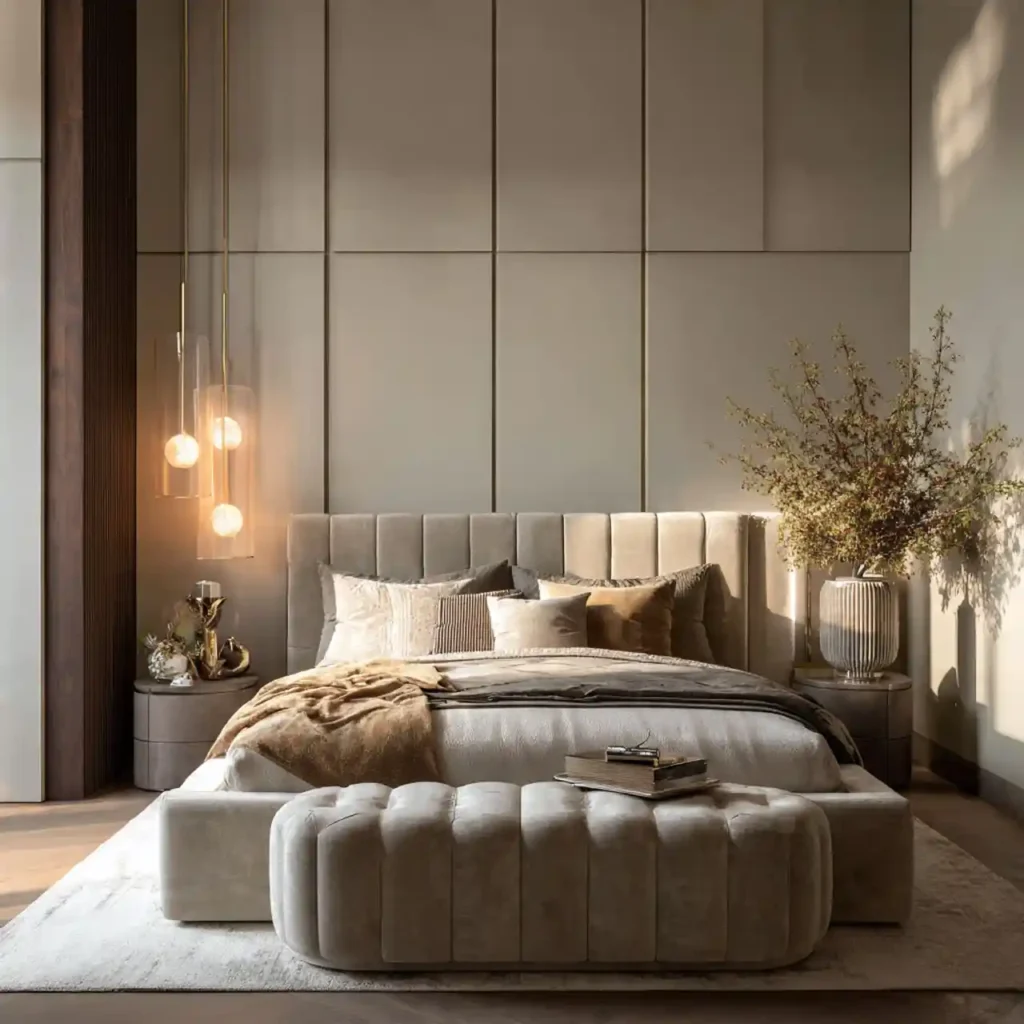
22. Textural Layering
Layering different textures creates visual depth. Wool rugs, linen curtains, leather accents, and wooden surfaces work together. Texture adds warmth to neutral palettes. It prevents rooms from feeling flat. This approach enhances sensory experience.
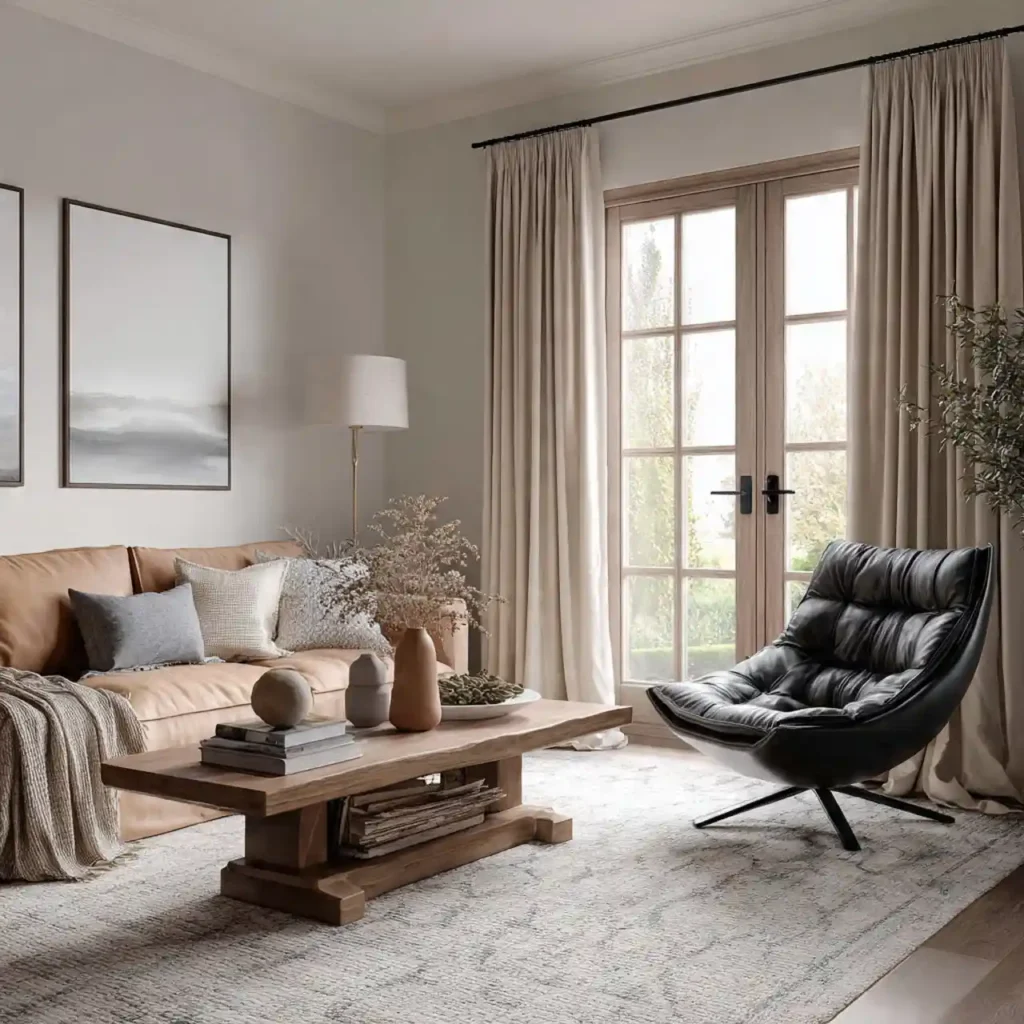
23. Personalized Design Details
Homes are becoming more personal and less trend-driven. Custom artwork, collected objects, and meaningful décor add uniqueness. Individual style matters more than copying catalogs. Personalization creates emotional attachment. Authenticity defines 2026 interiors.
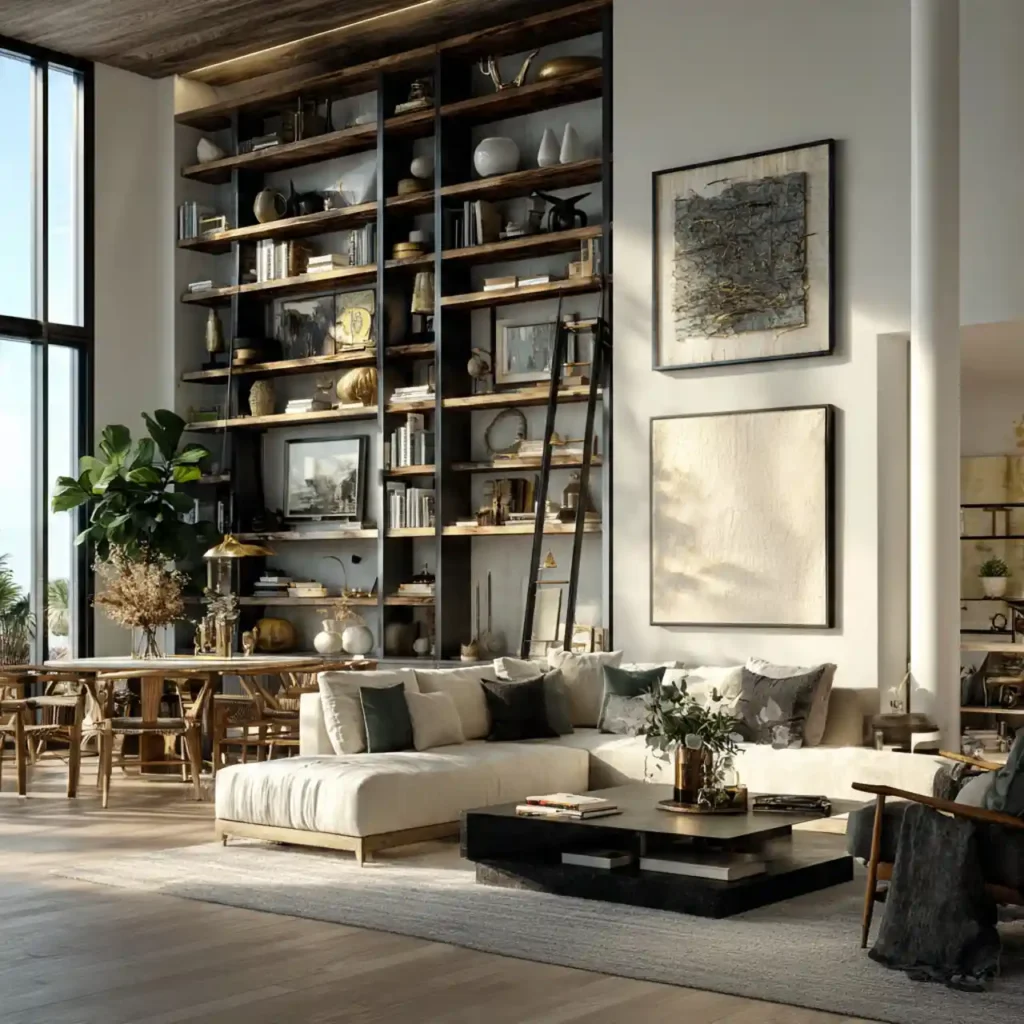
24. Statement Staircases
Staircases are evolving into architectural features. Unique railings, floating steps, and bold materials attract attention. This area is no longer overlooked. A well-designed staircase enhances vertical flow. It becomes a sculptural focal point.
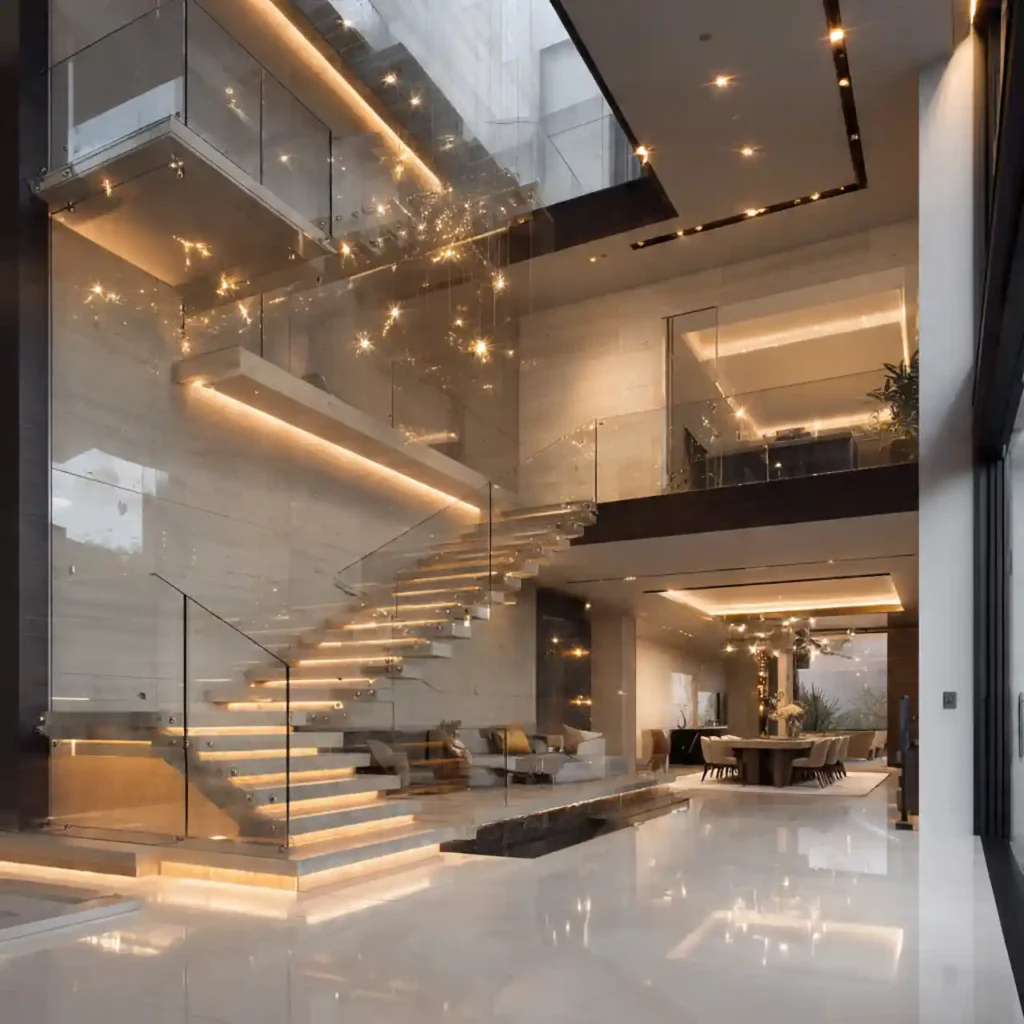
25. Smart Home Integration
Technology is seamlessly integrated into design. Hidden speakers, smart lighting systems, and automated blinds enhance convenience. Devices blend into architecture discreetly. Functionality improves without visual clutter. Smart homes feel intuitive and efficient.
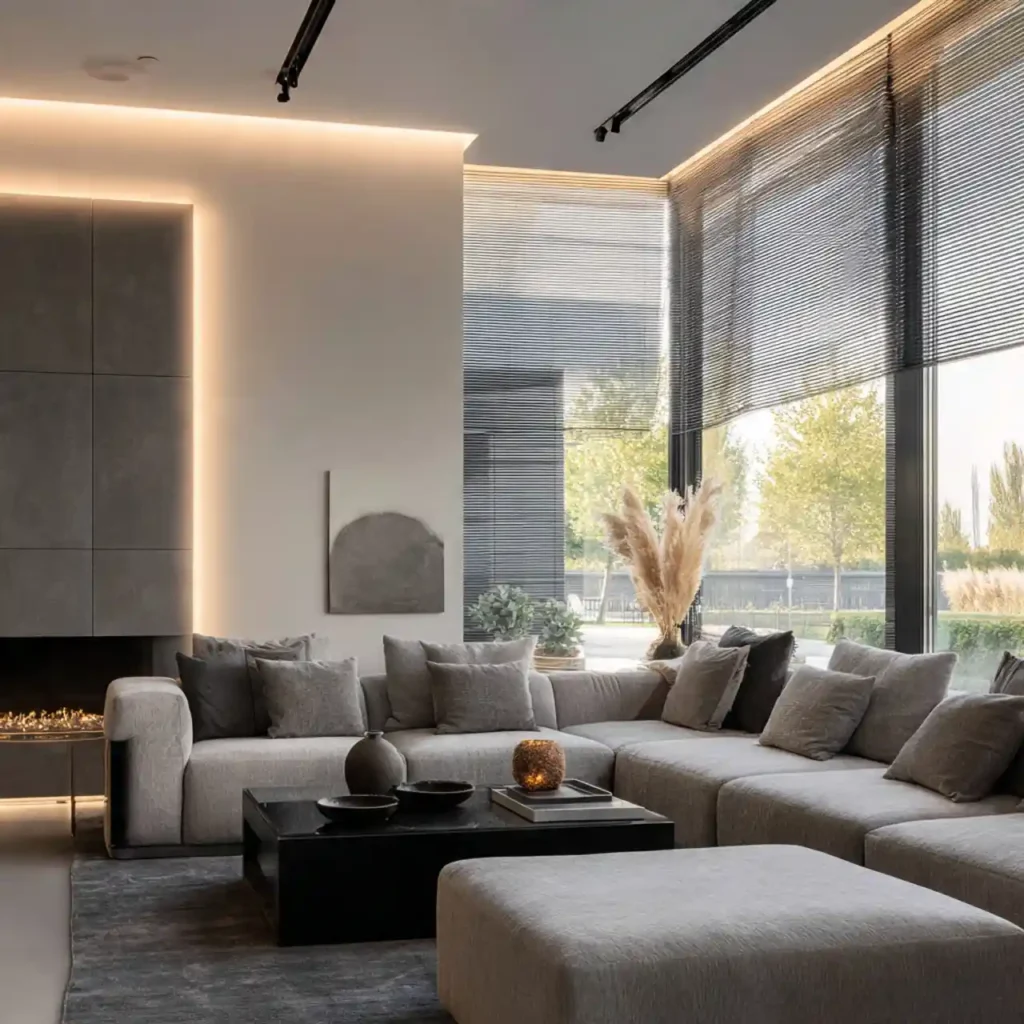
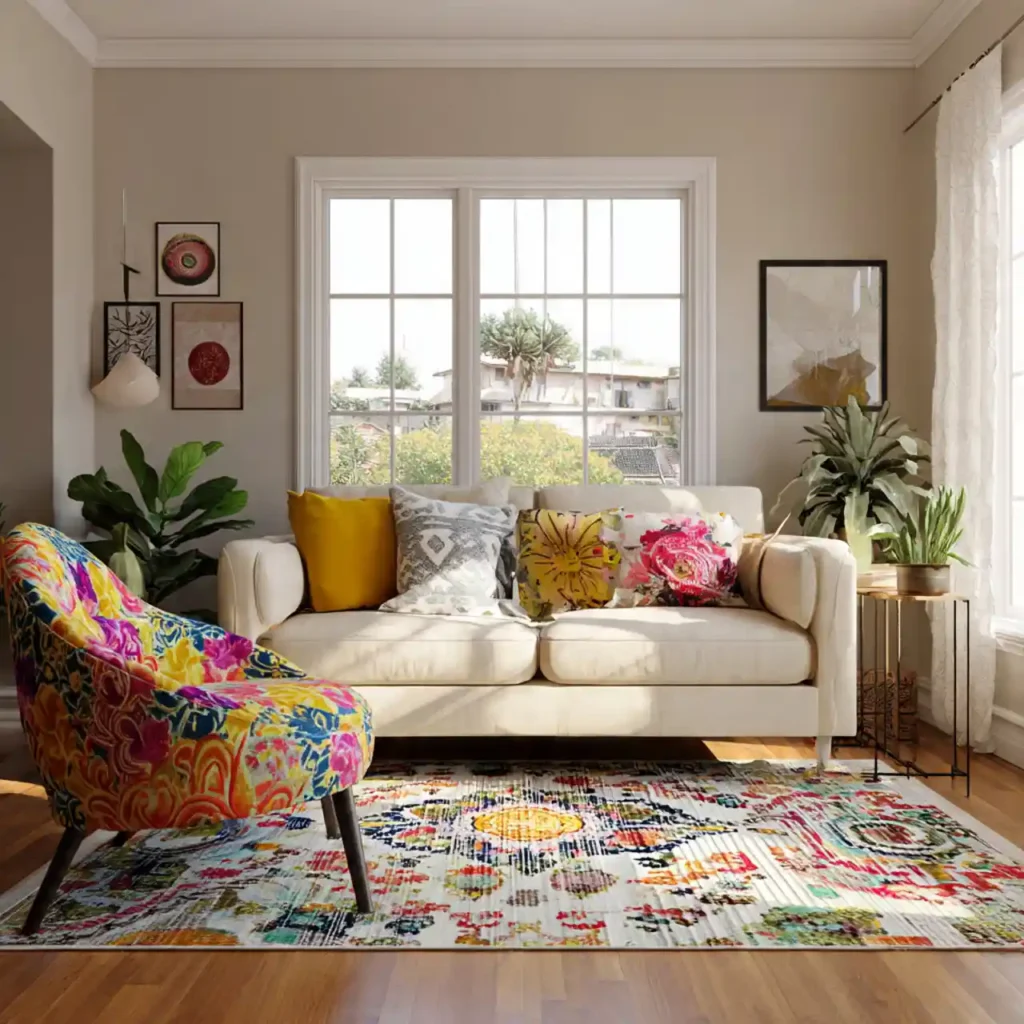
26. Neutral Base with Bold Details
Neutral foundations remain popular. However, bold accents are used strategically. Colorful chairs, patterned cushions, or statement rugs create energy. This combination keeps spaces flexible. It allows easy updates over time.
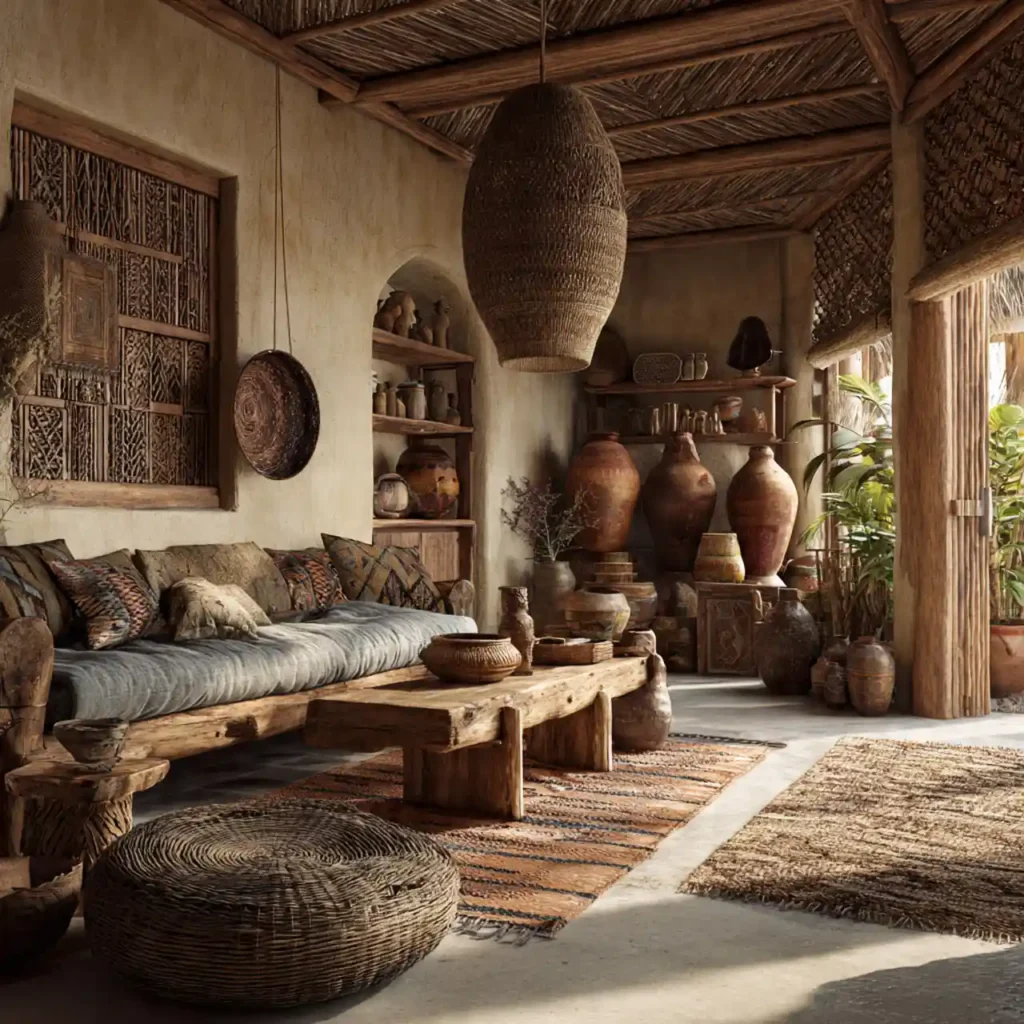
27. Artisan and Handmade Elements
Handcrafted ceramics, woven textiles, and handmade furniture add authenticity. Imperfections make spaces feel human. Artisan pieces tell a story. They bring cultural richness into interiors. This trend celebrates craftsmanship.
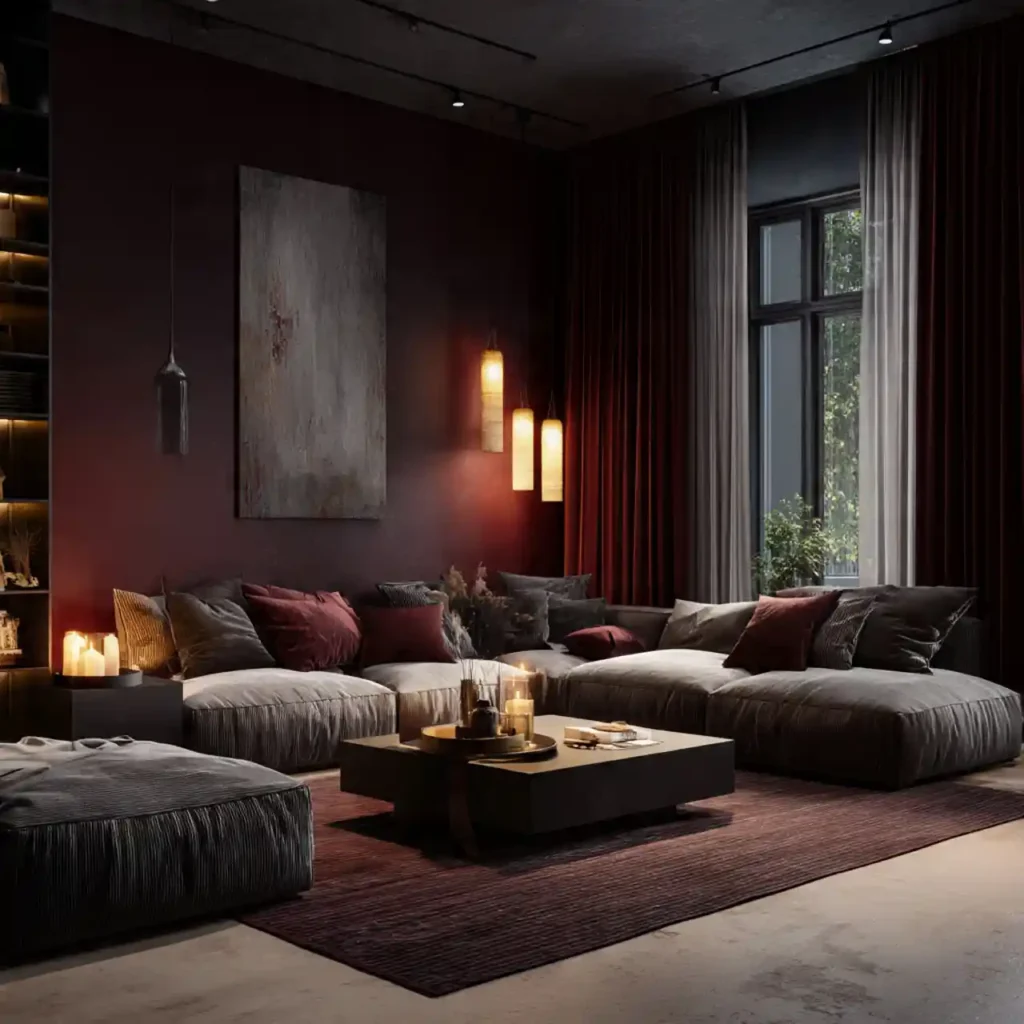
28. Dark and Cozy Rooms
While open spaces dominate, cozy darker rooms are emerging. Deep paint colors create intimacy. Soft lighting enhances mood dramatically. These spaces feel comforting and private. Dark interiors add emotional depth.
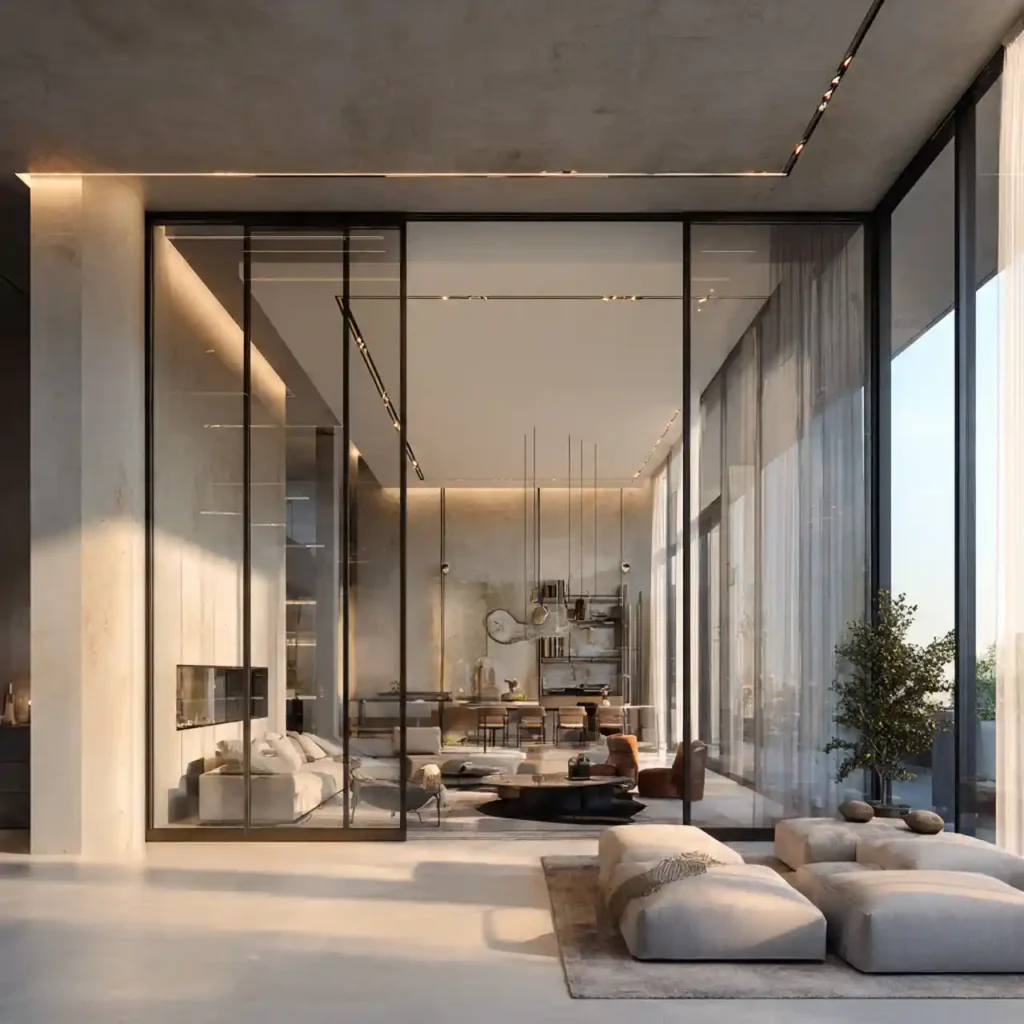
29. Flexible Room Dividers
Instead of permanent walls, flexible dividers are trending. Sliding panels, glass partitions, and curtains allow adaptable layouts. Spaces can feel open or private when needed. This improves usability. Flexibility defines modern living.
30. Timeless Over Trendy
The biggest shift in 2026 is prioritizing timeless design. Instead of chasing fast décor trends, homeowners invest in longevity. Quality materials outlast temporary fads. Neutral foundations allow gradual evolution. Timeless interiors feel relevant for years.
Final Thoughts:Interior Design Trends for 2026
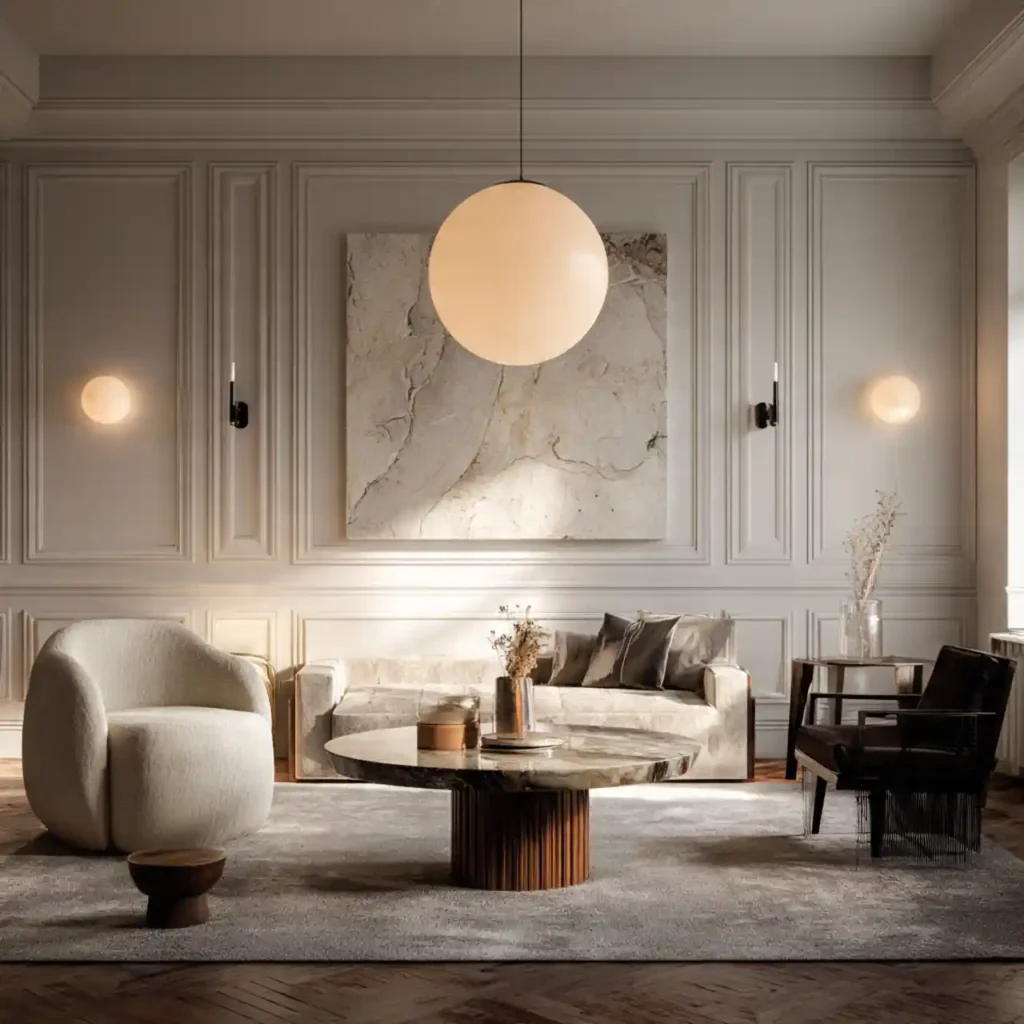
Interior design in 2026 is about balance, comfort, and authenticity. Homes are becoming more intentional, with thoughtful materials, meaningful details, and practical layouts. The focus is shifting away from extreme minimalism and overly decorative styling toward warm, livable spaces that support daily life.
Sustainability, personalization, and layered textures are shaping the future of modern interiors. Whether you adopt one trend or fully redesign your home, the key is creating a space that feels aligned with your lifestyle and values. These 30 Interior Design Trends for 2026 will not just look beautiful they will feel deeply personal, functional, and timeless.