Dark Natural Interiors: 30 Moody Design Ideas Inspired by Earth & Shadow
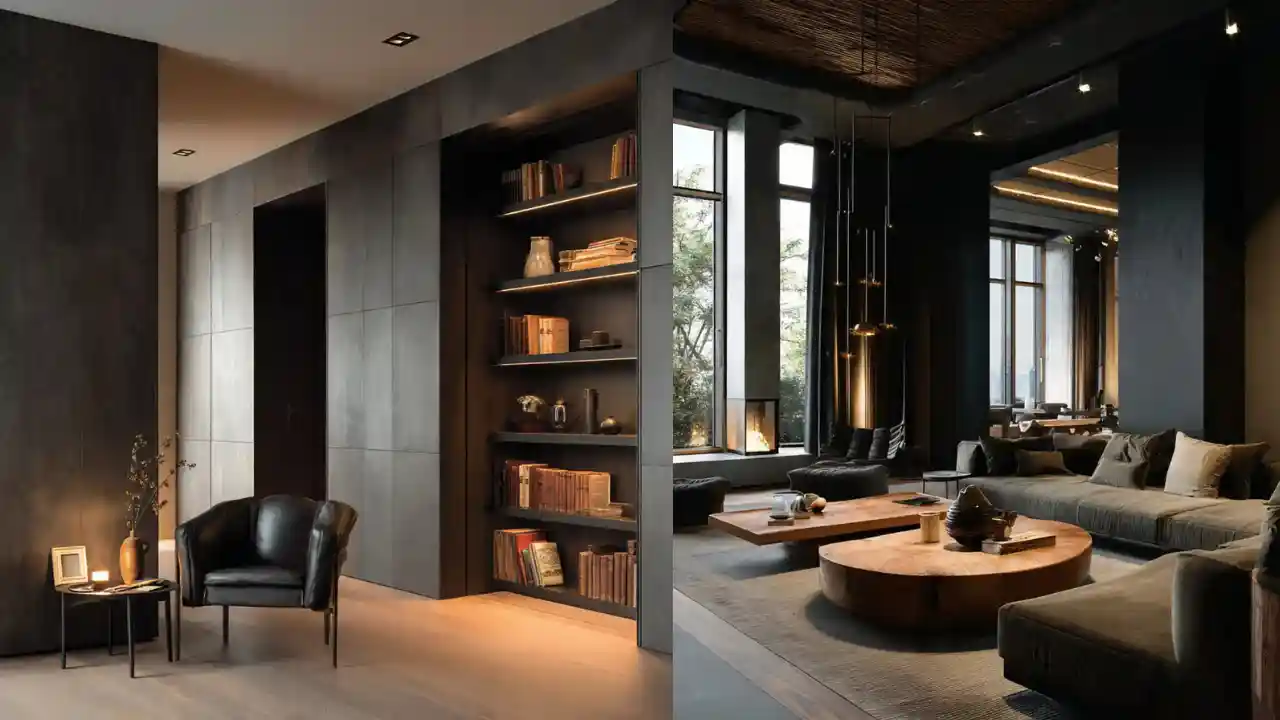
Dark natural interior design is a refined response to overly bright and sterile modern spaces. This style embraces deep, earthy tones, organic materials, and intentional shadows to create interiors that feel grounded, luxurious, and emotionally rich. Popular across high-end homes in the US and UK, dark natural interiors focus on atmosphere rather than excess, using nature as the primary source of inspiration.
In this blog, you’ll discover 30 carefully developed dark natural interior ideas by The Home Vista, each explained in depth to help you design spaces that feel dramatic, warm, and effortlessly sophisticated.
1. Deep Earth-Toned Wall Finishes
Dark interiors often begin with walls finished in deep earth tones such as clay brown, soil grey, or muted charcoal. These colors create a grounded foundation and instantly add depth to a space. When paired with soft lighting, they feel intimate rather than heavy. Earth-toned walls also allow natural materials to stand out beautifully. This approach sets the mood for the entire interior.

2. Charcoal Walls Balanced with Warm Wood
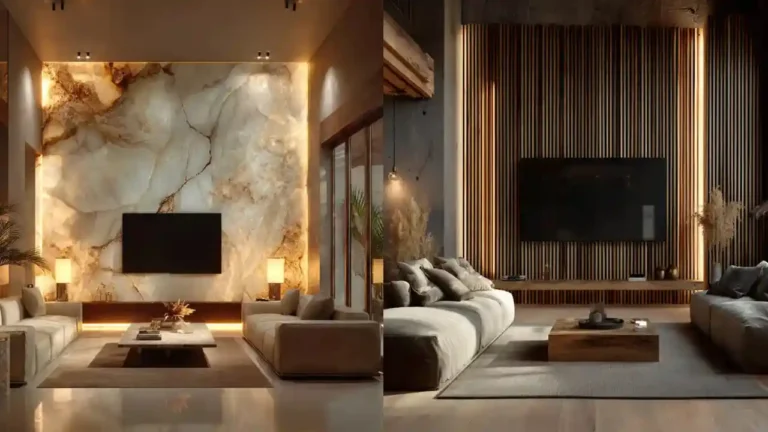
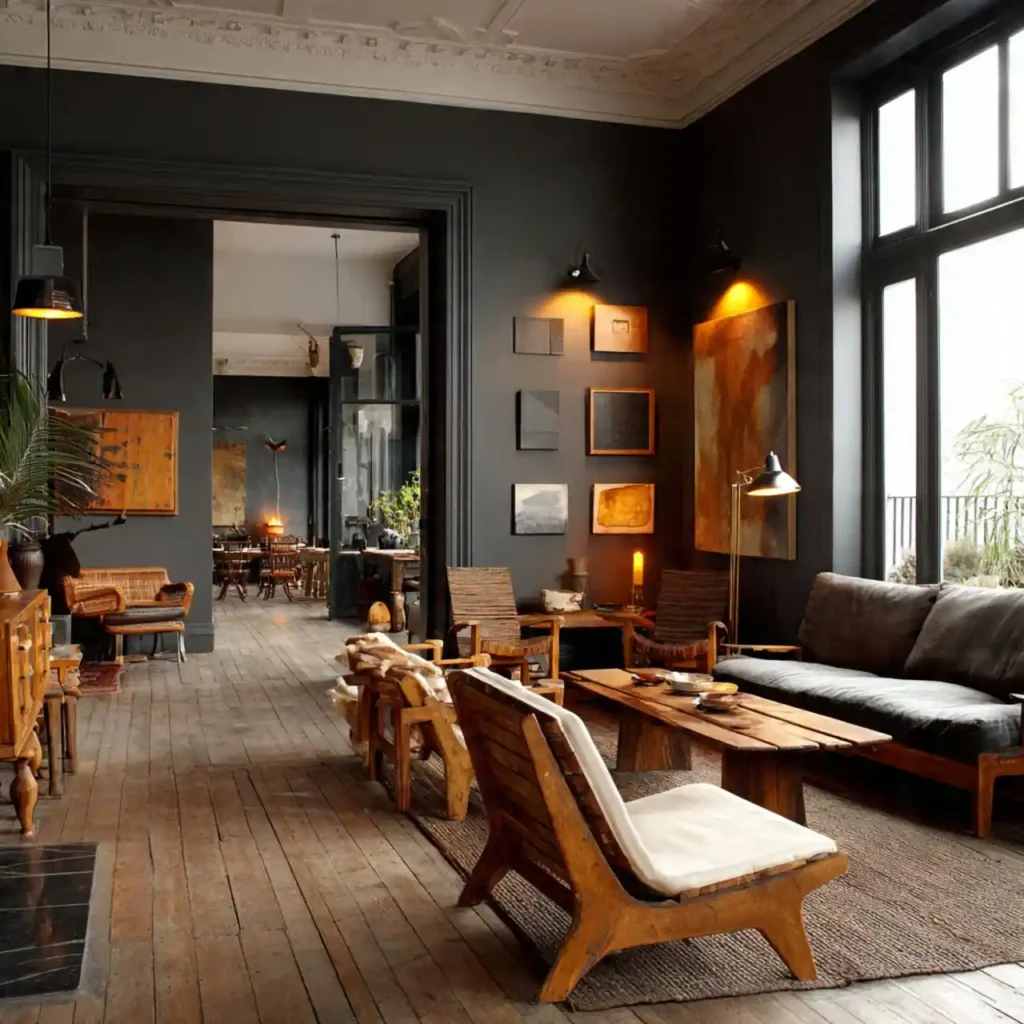
Charcoal walls create drama, but warmth is introduced through natural wood furniture and flooring. The contrast between dark surfaces and warm wood tones keeps the space inviting. Wood grains add organic movement to otherwise moody rooms. This balance prevents interiors from feeling cold or flat. It is a timeless combination for modern homes.
3. Layered Shades of Brown
Using multiple shades of brown adds richness and complexity to dark interiors. From espresso-toned furniture to soft cocoa textiles, layering creates visual interest. This monochromatic approach feels cohesive and calming. Different textures ensure the space doesn’t feel monotonous. Brown-on-brown palettes are both elegant and comforting.

4. Natural Plaster Walls with Texture
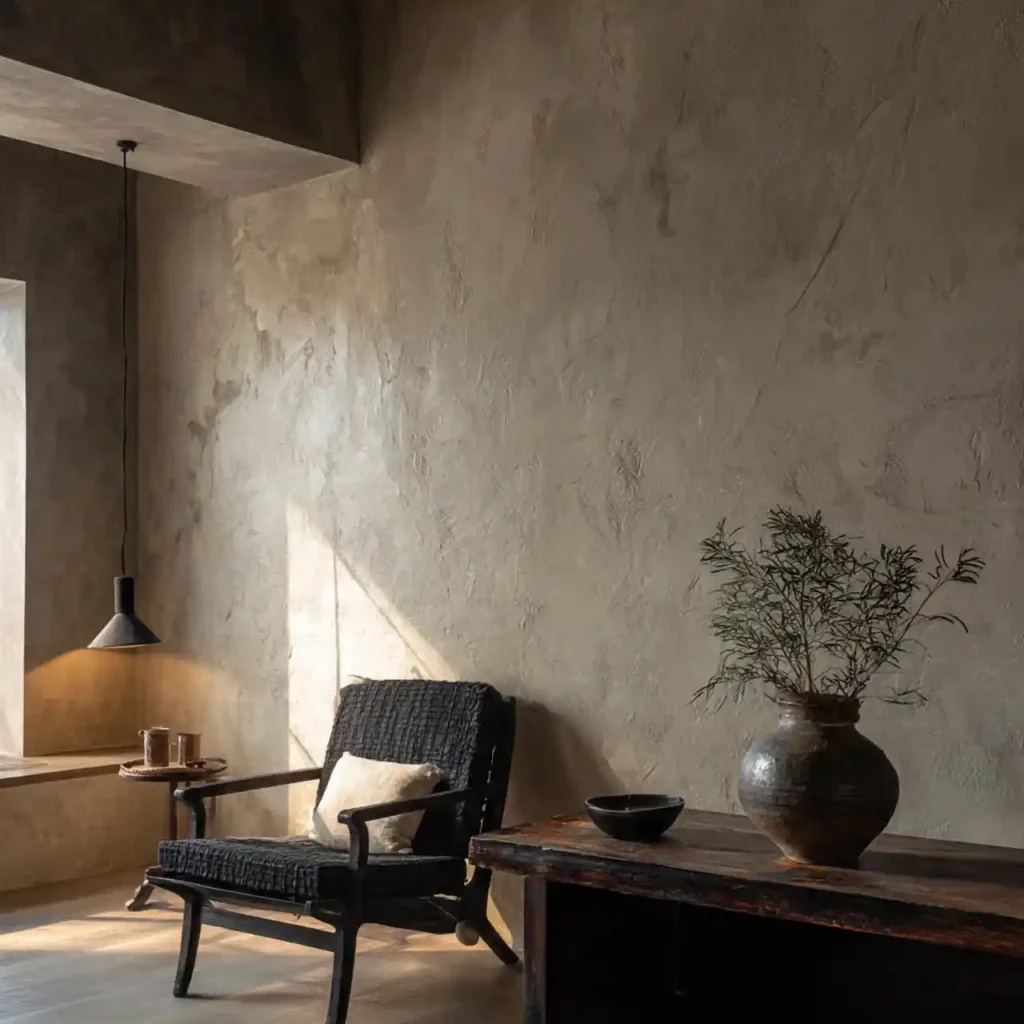
Textured plaster walls bring subtle movement and depth to dark interiors. Limewash or clay plaster finishes reflect light softly, enhancing the moody atmosphere. These walls feel handcrafted and organic rather than polished. Texture adds warmth without needing additional decor. It’s a sophisticated alternative to flat paint.
5. Low & Warm Ambient Lighting
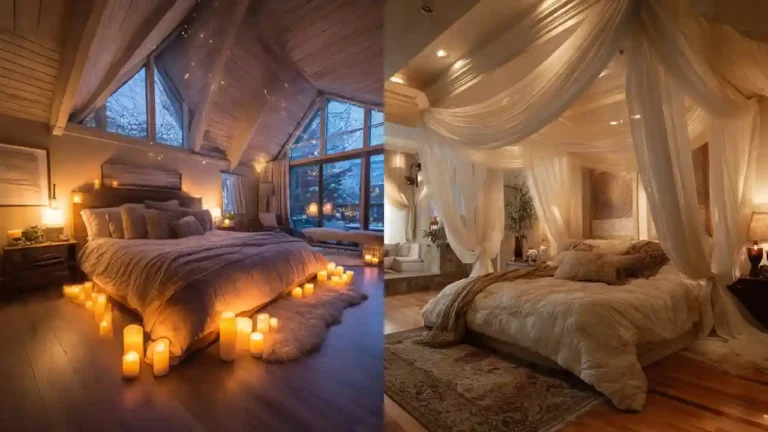
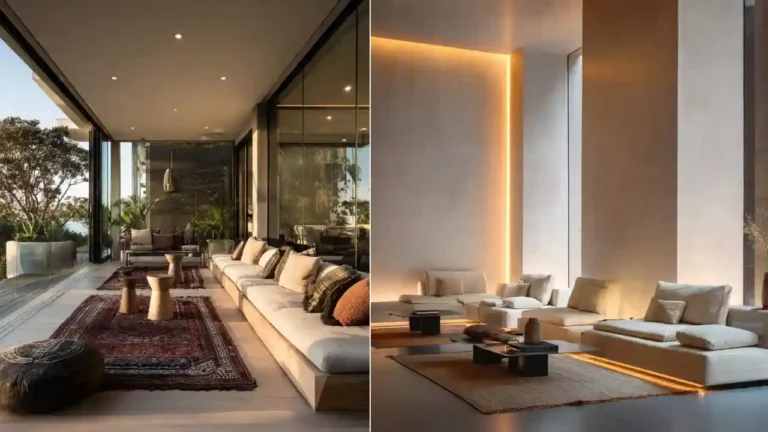
Lighting plays a critical role in dark natural interiors. Low-level, warm lighting creates a cozy and intimate mood. Wall sconces, floor lamps, and concealed lighting work best. Avoid harsh overhead lights that flatten the space. Thoughtful lighting enhances depth and highlights natural materials.
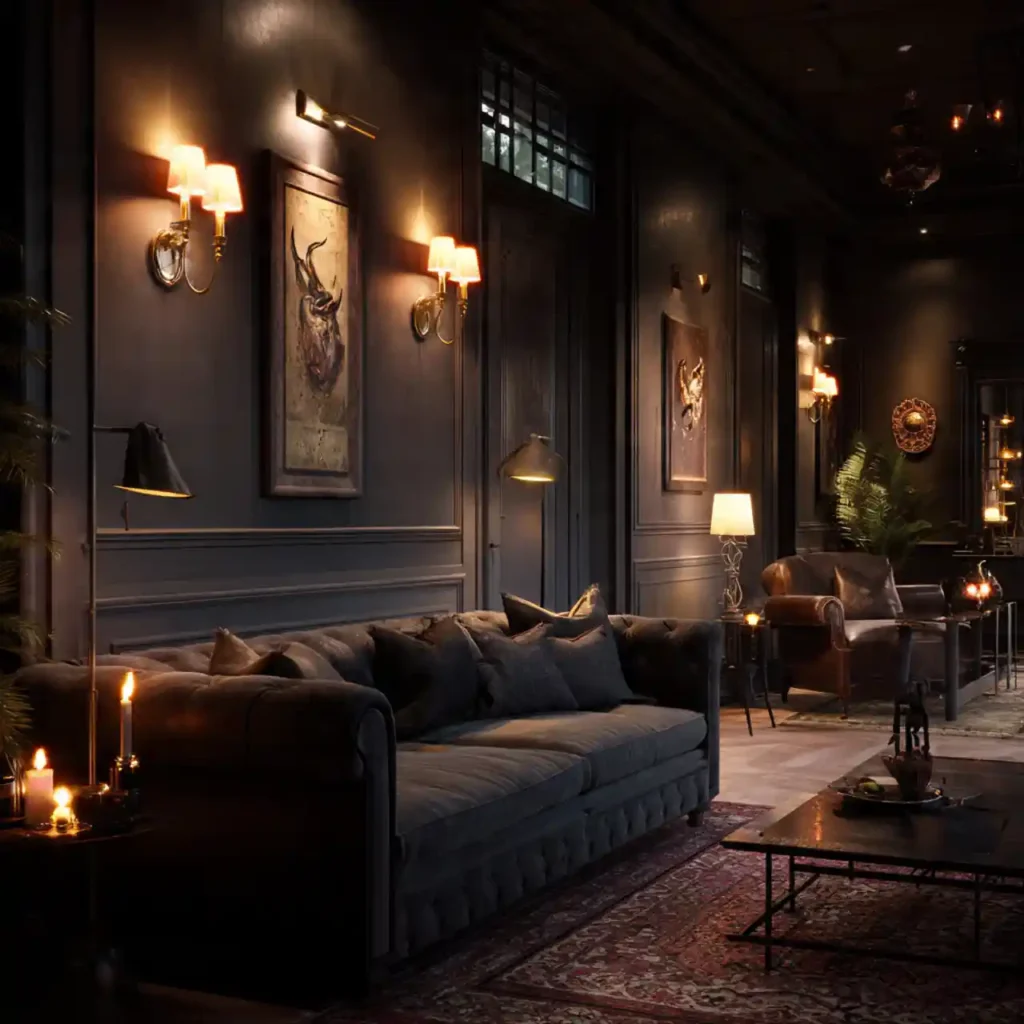
6. Natural Stone as a Feature Element
Stone surfaces such as limestone, slate, or travertine bring raw elegance to interiors. Their organic patterns soften dark color palettes. Stone works beautifully on feature walls, fireplaces, or kitchen islands. It adds both texture and timeless appeal. Natural stone reinforces the connection to nature.
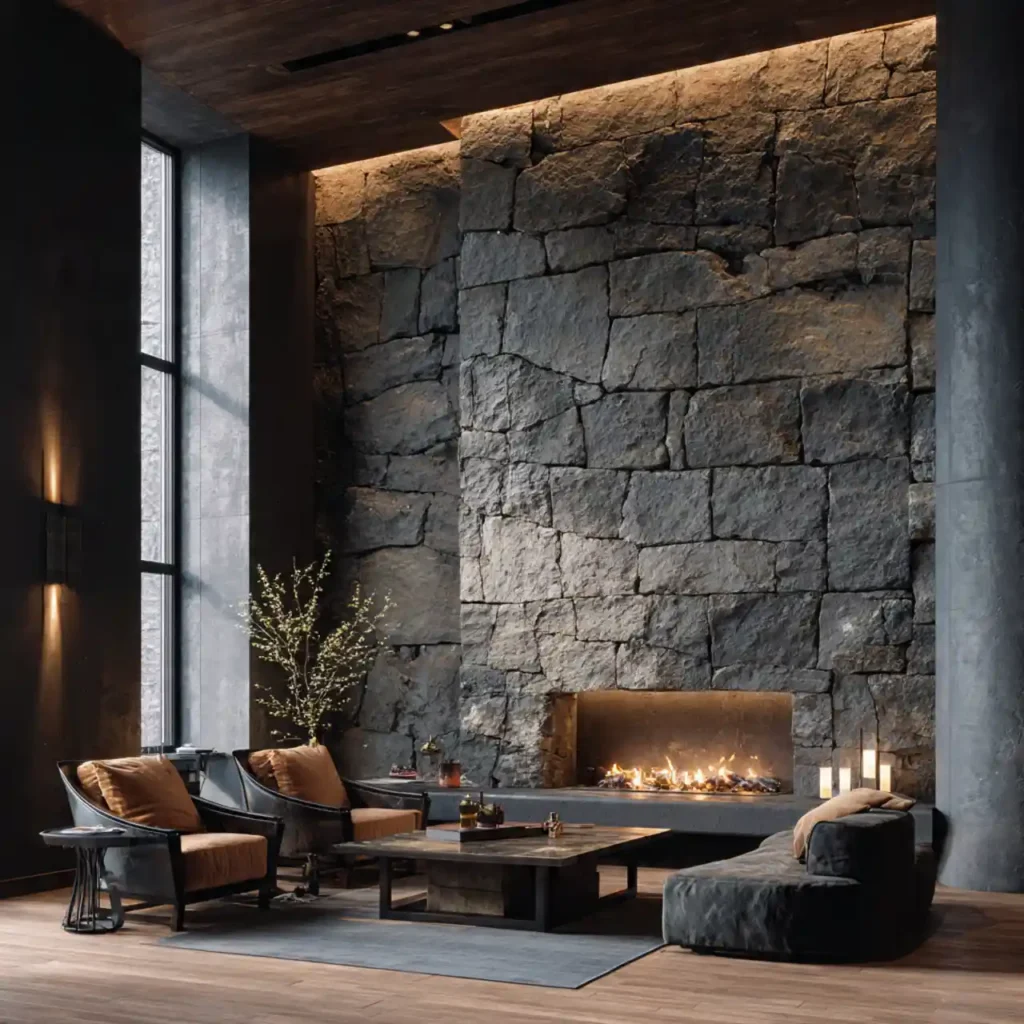
7. Dark Wood Flooring
Dark-stained wood floors anchor a space visually. They provide a strong base that complements moody walls and furniture. Natural grain patterns keep the flooring from feeling too heavy. Paired with soft rugs, dark floors feel warm underfoot. This choice adds instant sophistication.
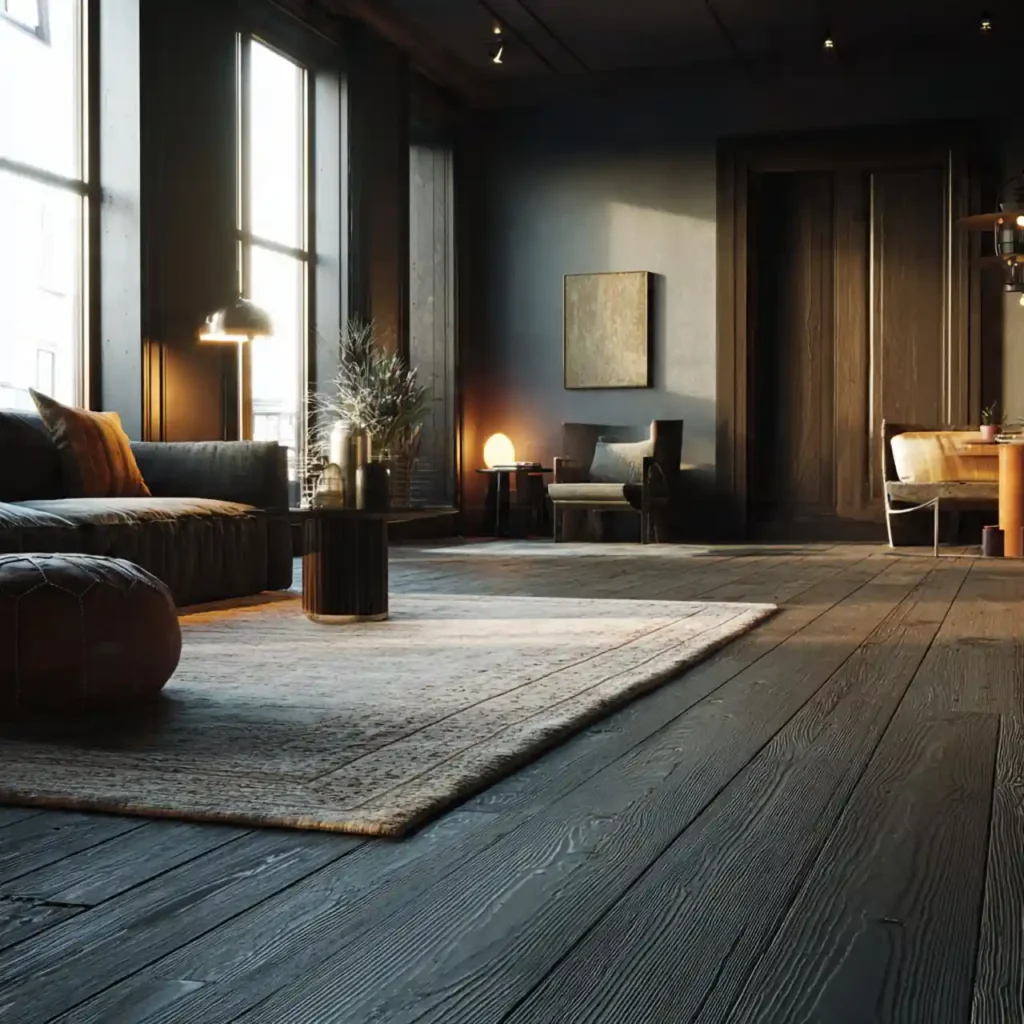
8. Minimal Furniture with Organic Forms
Furniture in dark interiors is often minimal but sculptural. Organic shapes soften the heaviness of dark colors. Low-profile sofas and rounded chairs enhance flow. Natural fabrics keep the design grounded. Each piece feels intentional rather than decorative.
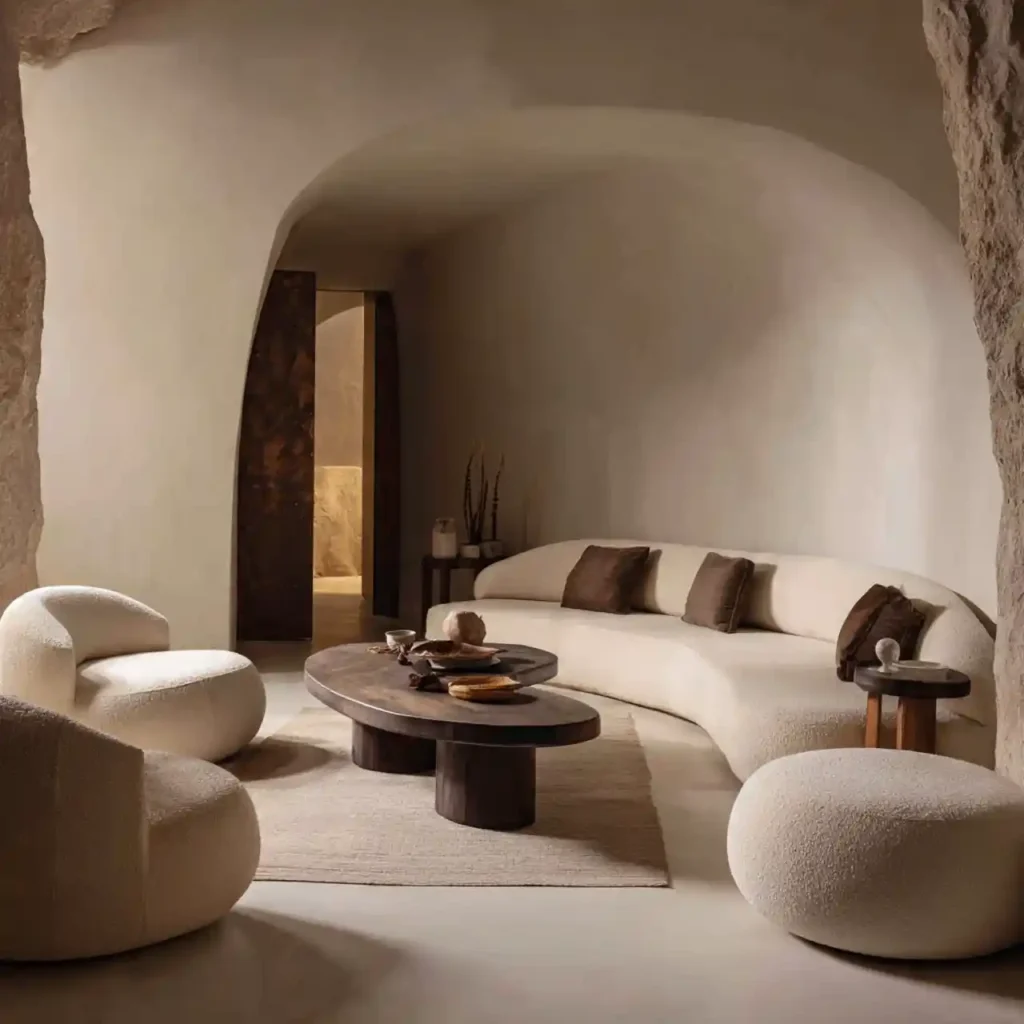
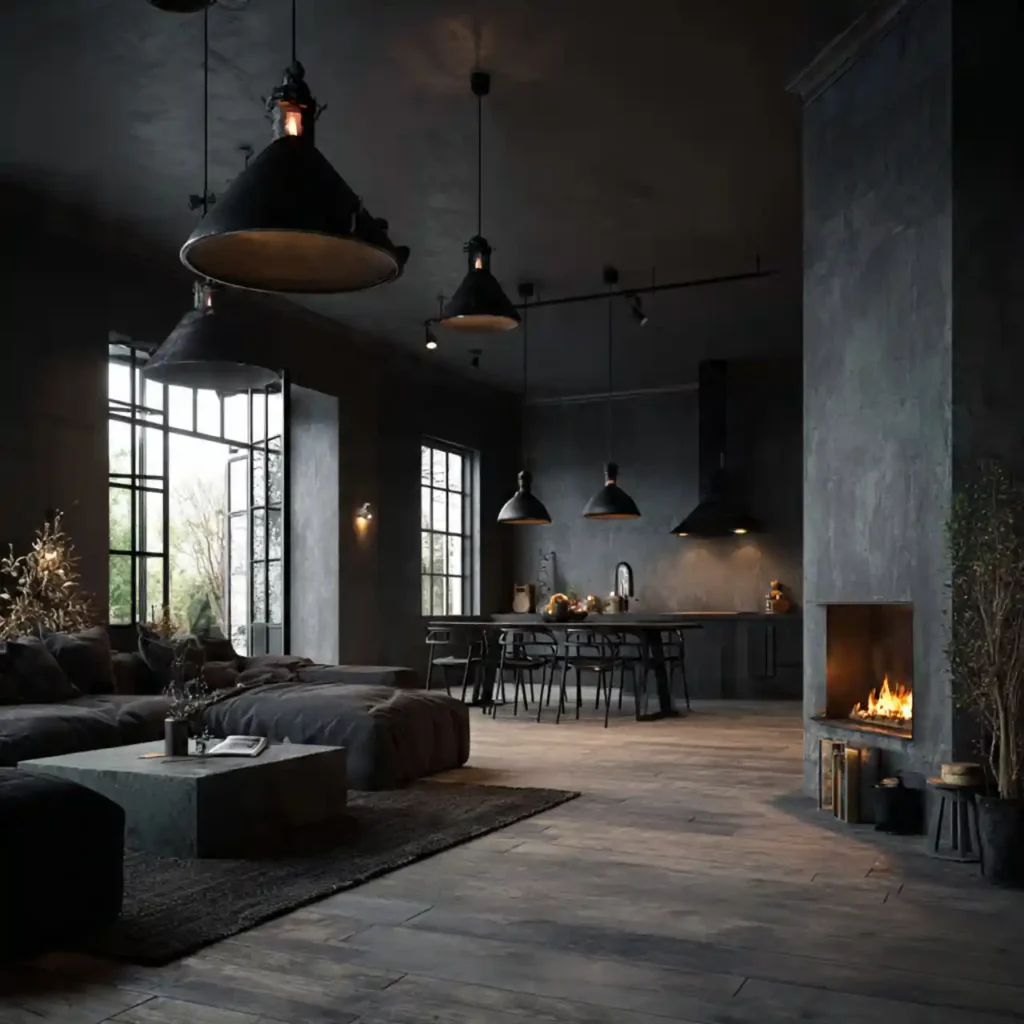
9. Matte Black Accents
Matte black finishes add contrast without shine. Used in lighting fixtures, frames, or hardware, they create subtle definition. Matte textures blend seamlessly into dark palettes. They enhance modernity without overpowering the space. Restraint is key to maintaining balance.
10. Heavy Natural Textiles
Dark interiors benefit from rich textiles like linen, wool, and cotton. These materials add comfort and depth. Layering curtains, cushions, and throws creates visual softness. Textiles also improve acoustics and warmth. They make moody spaces feel livable.

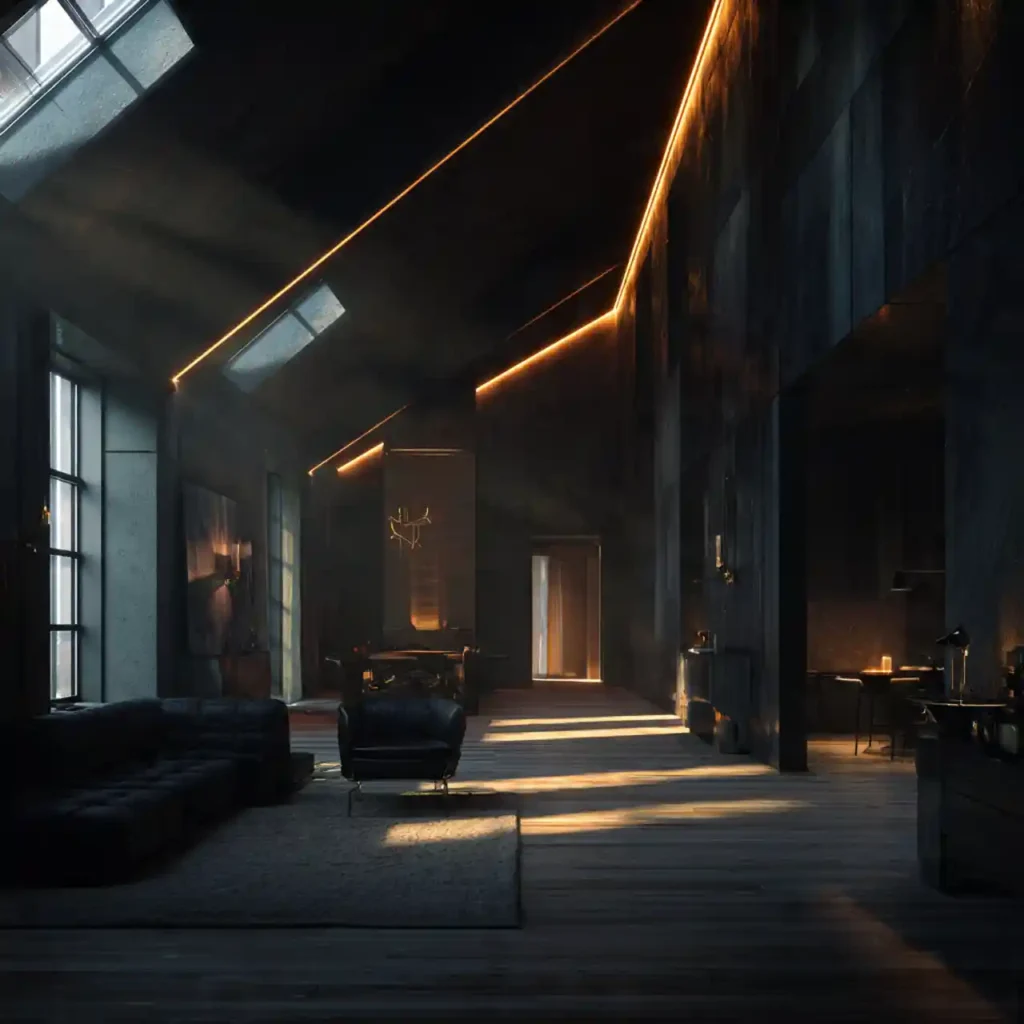
11. Shadow-Focused Spatial Design
Instead of eliminating shadows, dark natural interiors celebrate them. Shadows add dimension and drama to rooms. Strategic lighting highlights textures while leaving other areas subdued. This approach creates a cinematic quality. Shadow play enhances emotional impact.
12. Deep Green Color Accents
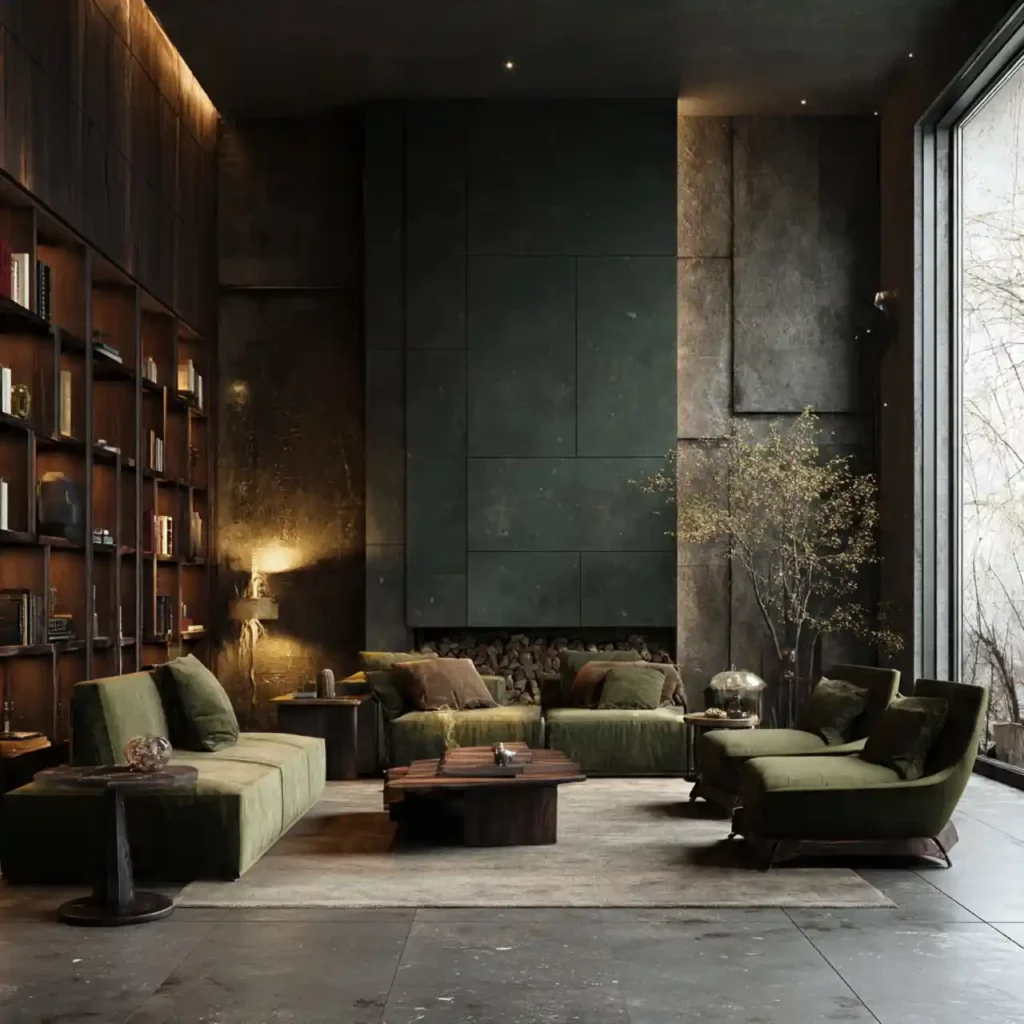
Deep forest or olive green tones work beautifully within dark palettes. Green connects interiors directly to nature. It adds color without disrupting the moody atmosphere. Used in upholstery or walls, it feels calming and luxurious. Green pairs especially well with wood and stone.
13. Minimal Decor with Natural Materials
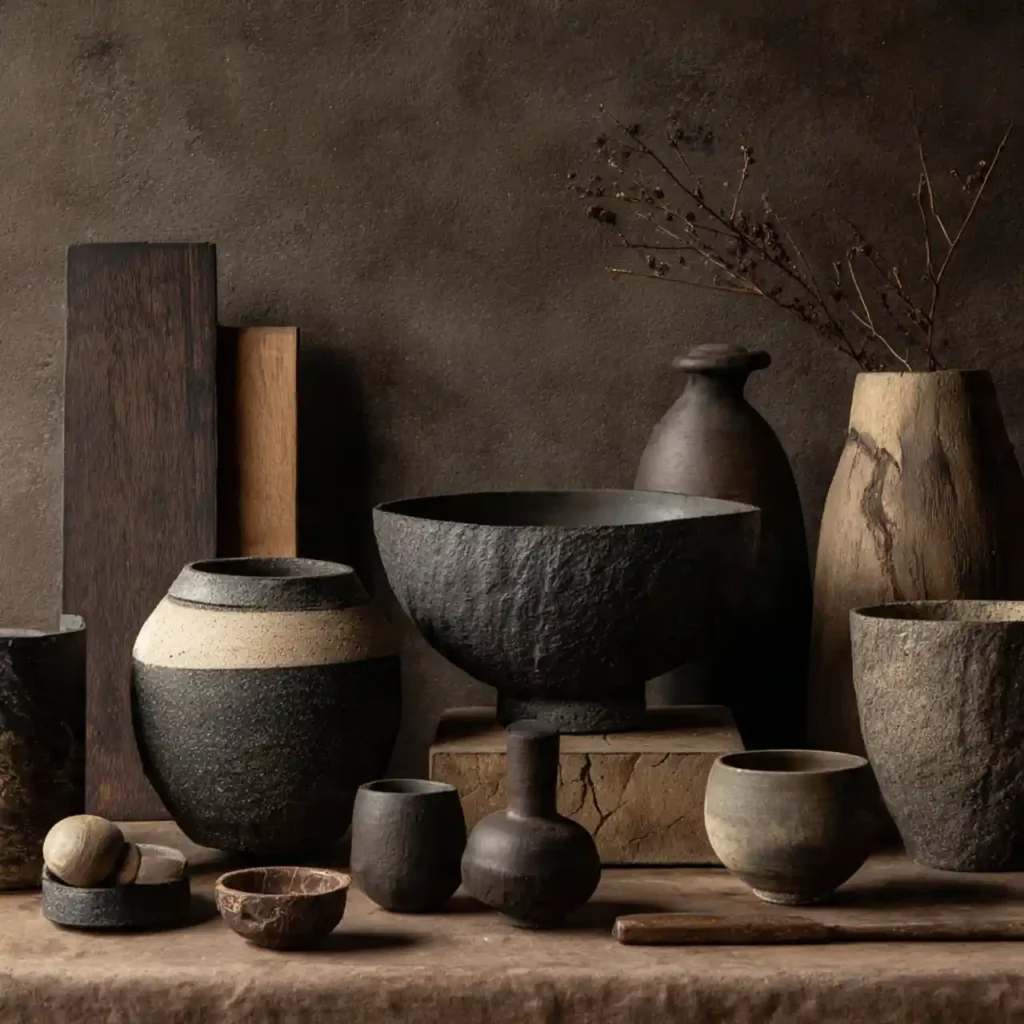
Decor is kept minimal and material-focused. Clay vases, stone bowls, and wooden objects add subtle interest. Each item should feel tactile and authentic. Avoid glossy or overly decorative pieces. Simplicity enhances the natural aesthetic.
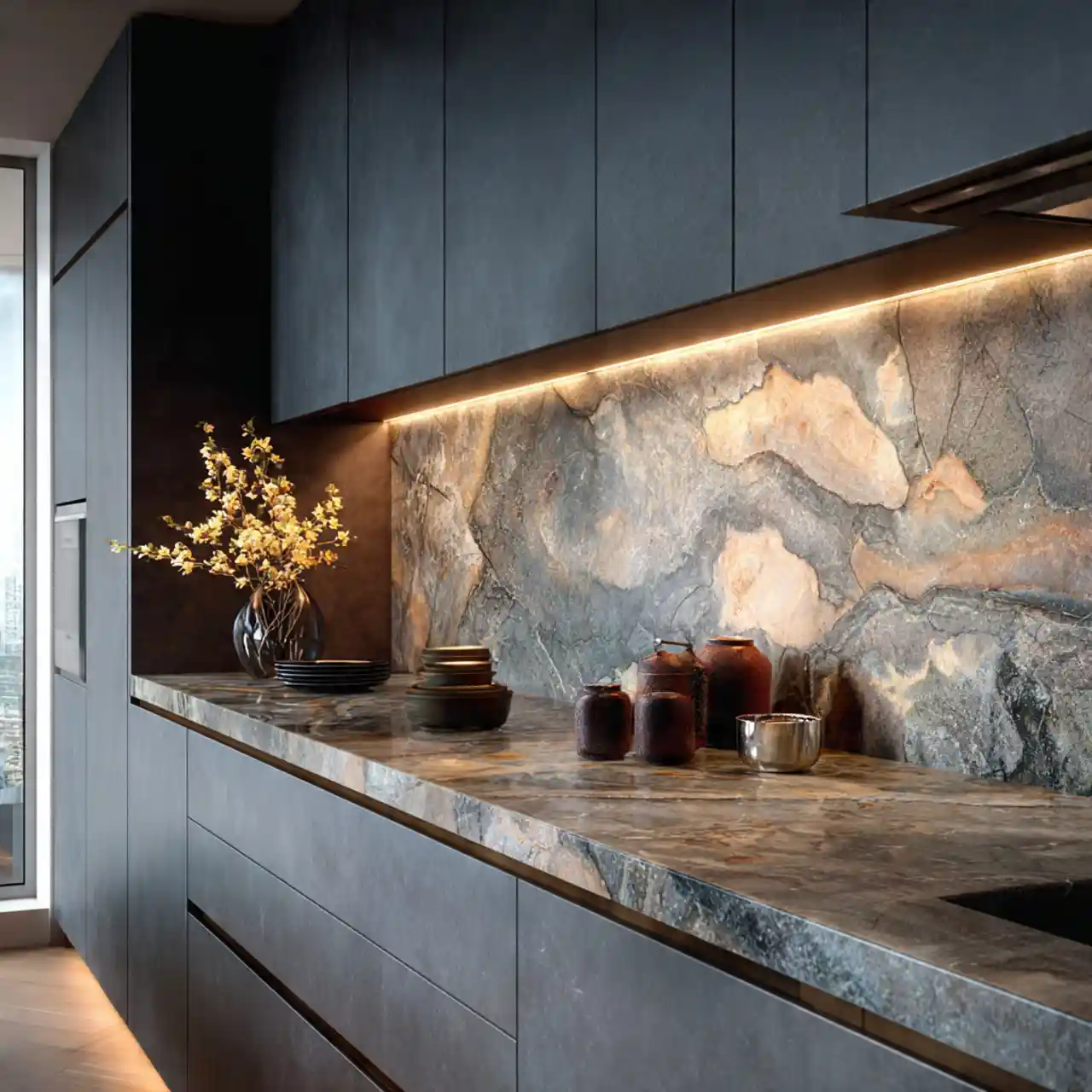
14. Dark Kitchens with Stone Surfaces
Dark kitchens feel bold and refined when designed correctly. Stone countertops and backsplashes add texture and light variation. Warm under-cabinet lighting prevents the space from feeling closed. Minimal hardware keeps the look clean. This creates a luxurious yet practical kitchen.
15. Softly Lit Dining Areas
Dining spaces benefit from warm, focused lighting. Pendant lights over wooden tables create intimacy. Dark walls make gatherings feel more personal. Natural materials keep the space relaxed. The result is an inviting environment for social moments.

16. Earth-Inspired Color Palettes
Colors inspired by soil, sand, and rock dominate dark natural interiors. These hues feel familiar and calming. Earth palettes also age well over time. They support a timeless design approach. Consistency across rooms enhances cohesion.

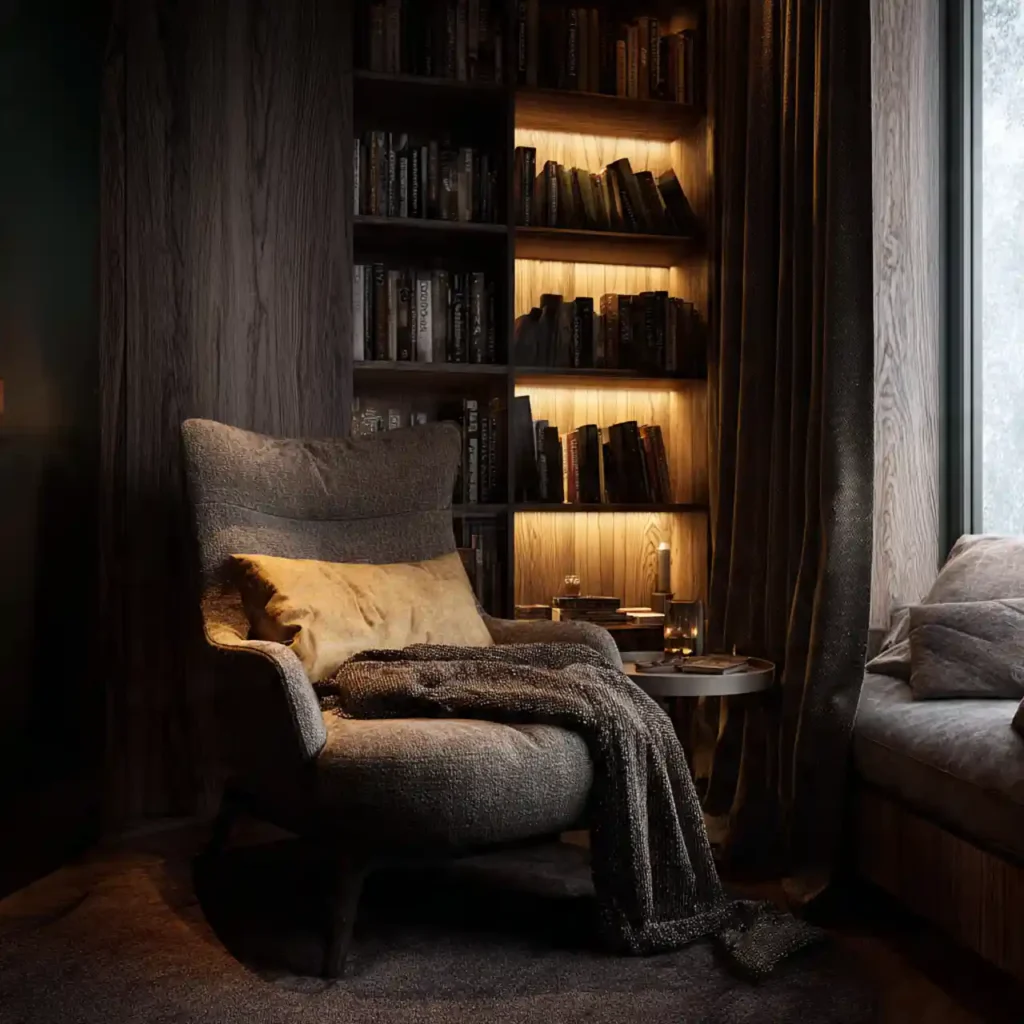
17. Cozy Reading Corners
Dark interiors are perfect for quiet reading spaces. Low lighting, comfortable seating, and textured fabrics create comfort. Dark walls make the corner feel enclosed and calm. Natural materials prevent the space from feeling heavy. It becomes a personal retreat.
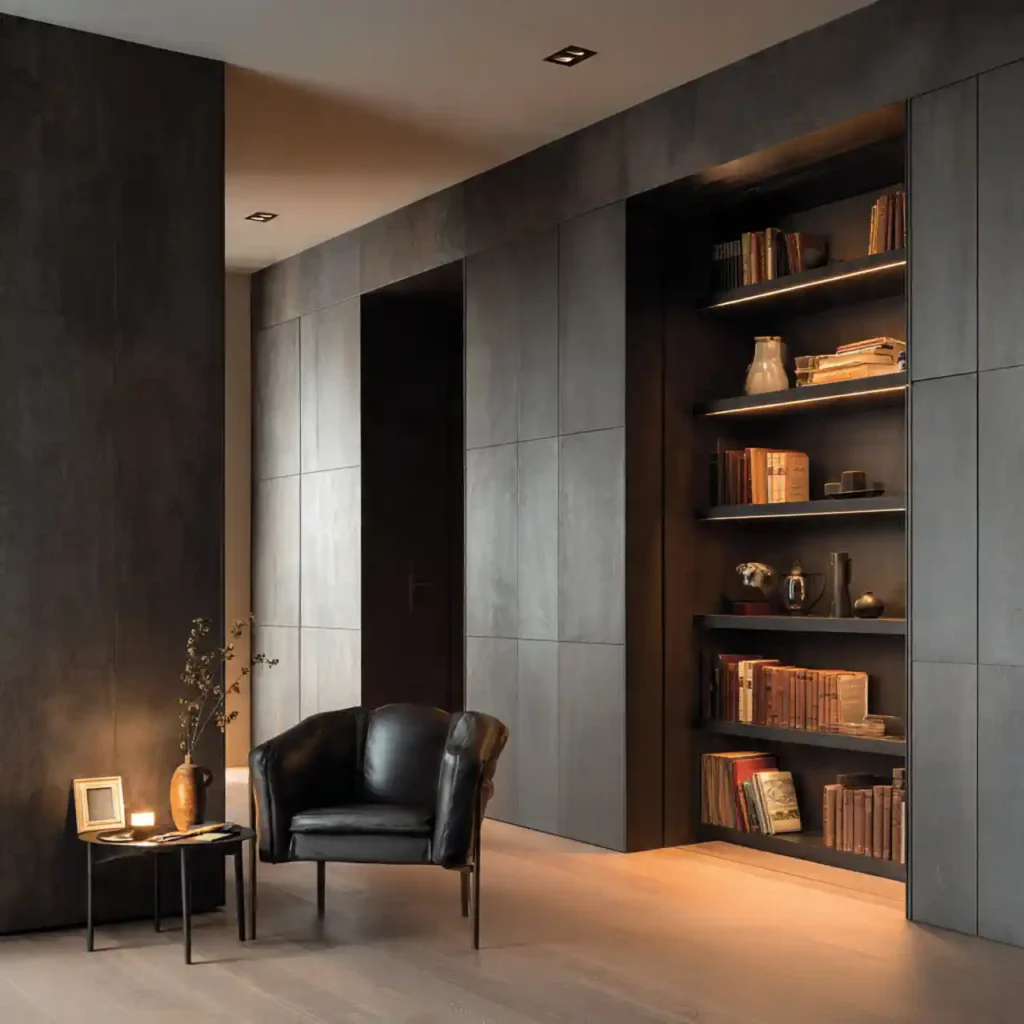
18. Integrated Storage in Dark Finishes
Storage solutions blend seamlessly into dark interiors. Flush cabinetry in matching tones keeps walls clean. Integrated storage reduces visual clutter. This supports a minimalist aesthetic. Functionality enhances serenity.
19. Dark Bathrooms with Spa Atmosphere
Bathrooms in dark tones feel luxurious and calming. Stone surfaces and warm lighting create a spa-like mood. Matte finishes prevent glare. Minimal accessories maintain elegance. Dark bathrooms feel intimate and refined.

20. Organic Ceiling Details
Ceilings are often overlooked, but dark natural interiors treat them thoughtfully. Wooden beams or textured finishes add character. Darker ceilings can make spaces feel cocooning. This enhances intimacy. Subtle detail makes a big impact.

21. Low-Contrast Color Schemes
Using similar tones across walls, floors, and furniture creates harmony. Low contrast designs feel calm and immersive. Texture replaces color variation. This approach is ideal for serene interiors. It emphasizes material quality.
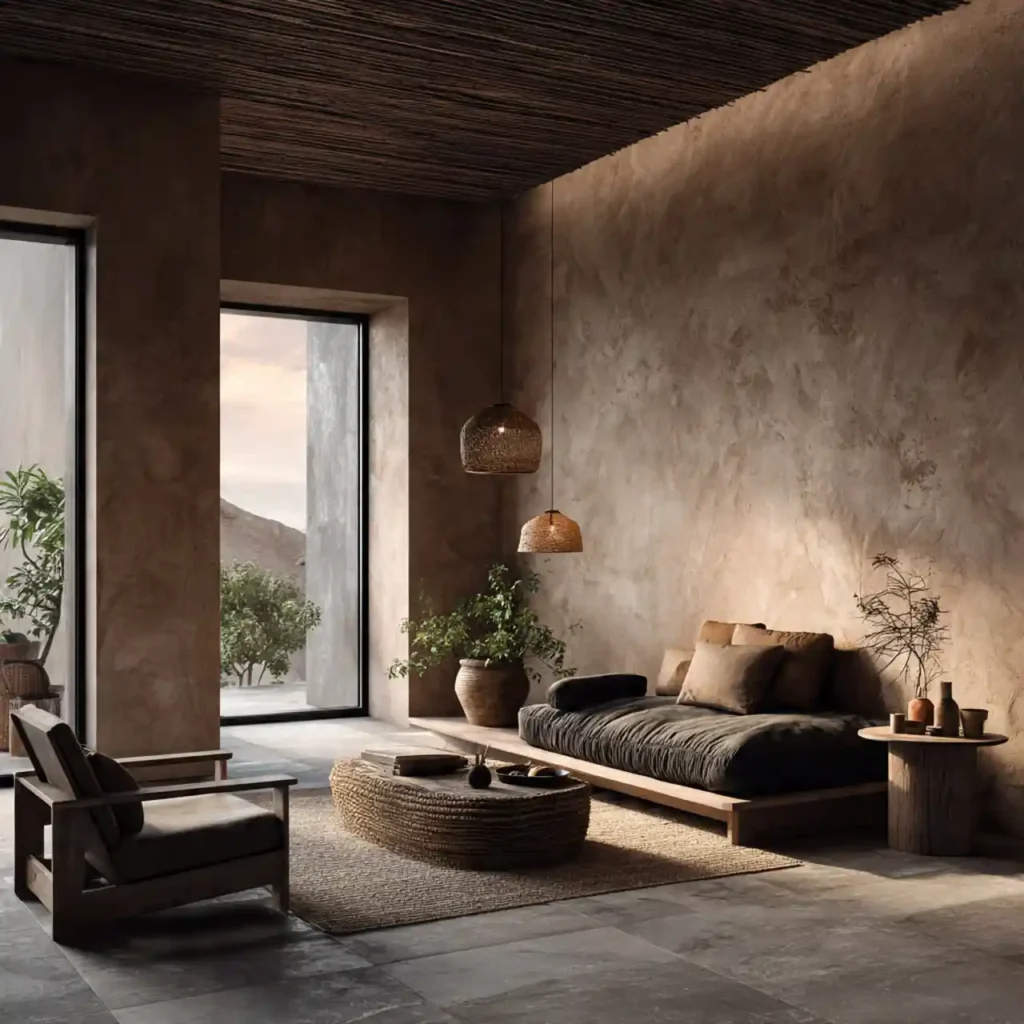
22. Natural Clay and Earth Finishes
Clay-based finishes bring warmth and authenticity. Their imperfect texture adds character. These materials feel sustainable and grounded. Clay walls work well in living spaces and bedrooms. They age beautifully over time.
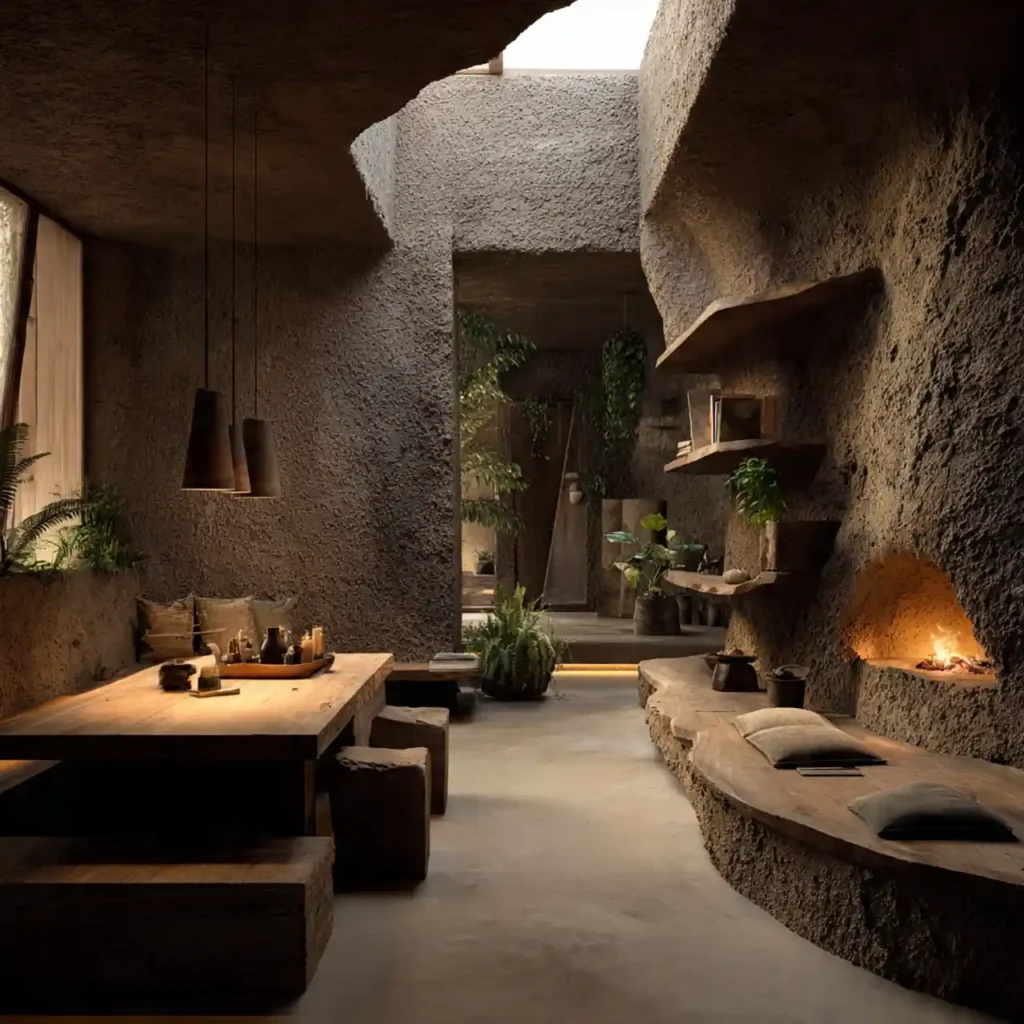
23. Sculptural Natural Furniture Pieces
Furniture with sculptural qualities acts as functional art. Natural materials keep them grounded. Simple forms prevent visual overload. These pieces elevate the interior without excess. Design feels intentional and curated.

24. Dark Hallways with Soft Lighting
Dark hallways feel dramatic when lit properly. Wall lights guide movement gently. Textured walls add depth. This transforms transitional spaces into experiences. Hallways become part of the design story.

25. Greenery in Dark Interiors
Plants thrive visually against dark backgrounds. Deep green leaves add life and contrast. Simple planters keep the look refined. Greenery softens heavy materials. Nature becomes part of the interior.
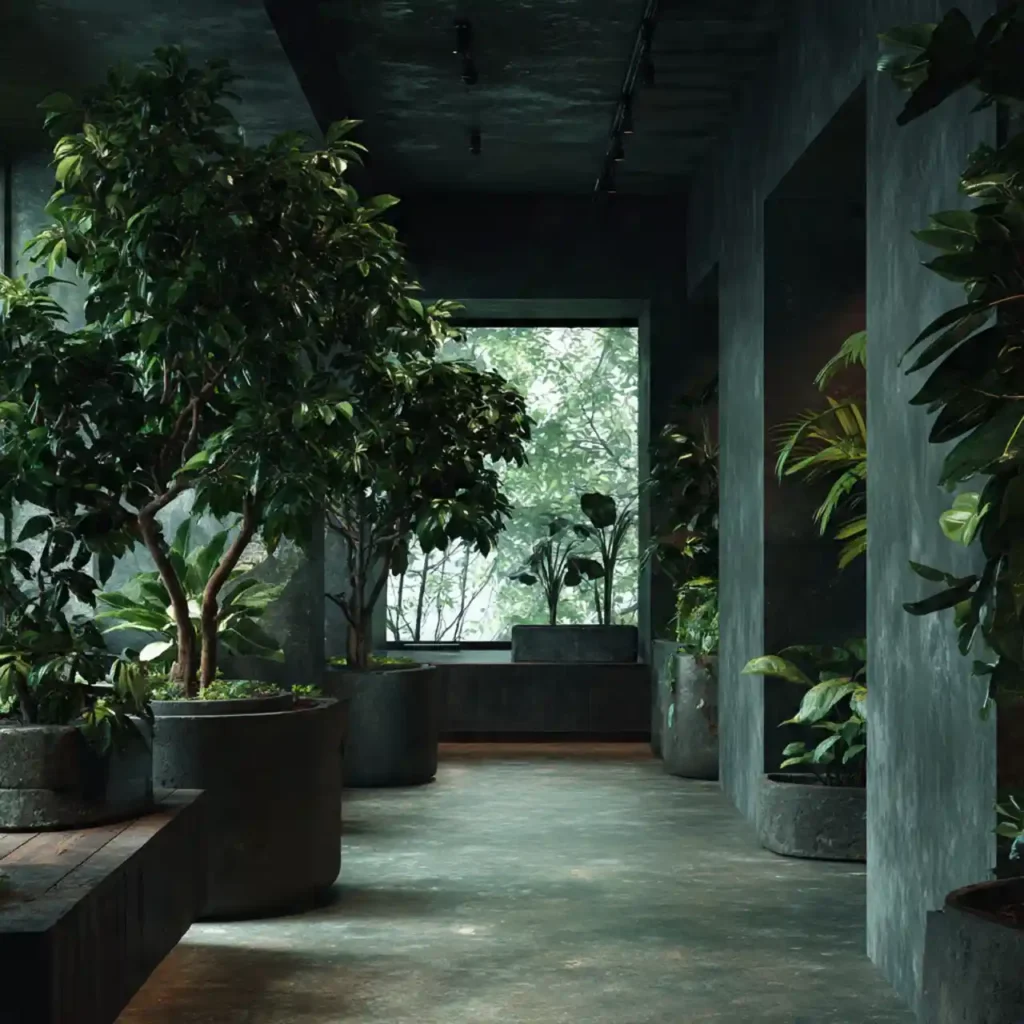
26. Subtle Metallic Accents
Aged brass or bronze adds warmth to dark spaces. These metals reflect light softly. Used sparingly, they feel luxurious. Metallic accents enhance sophistication. Balance prevents distraction.

27. Quiet Luxury Approach
Dark interiors often align with quiet luxury principles. Quality materials replace bold decoration. Design focuses on longevity. Subtle details matter more than trends. This creates timeless spaces.
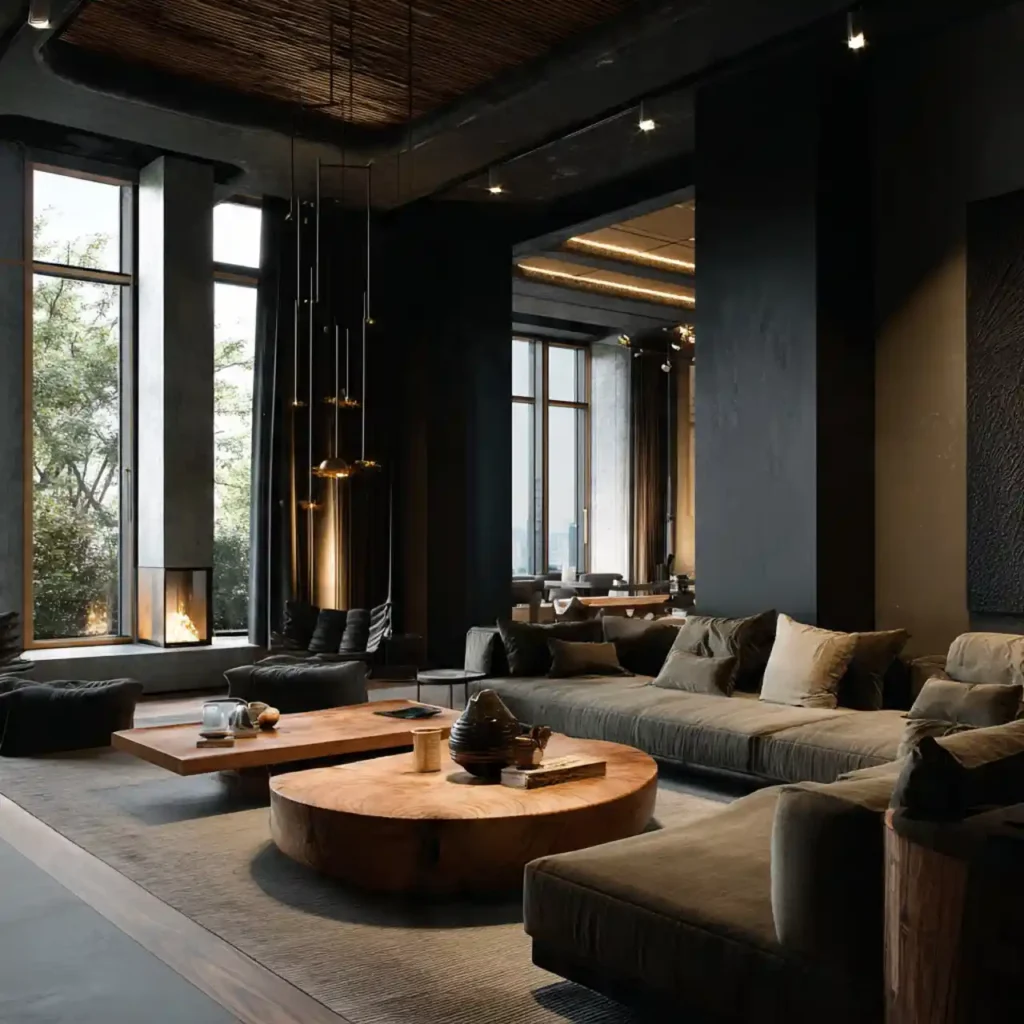
28. Comfortable Minimalism
Minimalism in dark interiors focuses on comfort. Furniture is practical and inviting. Spaces feel lived-in rather than staged. Natural textures add warmth. This balance makes homes feel real.
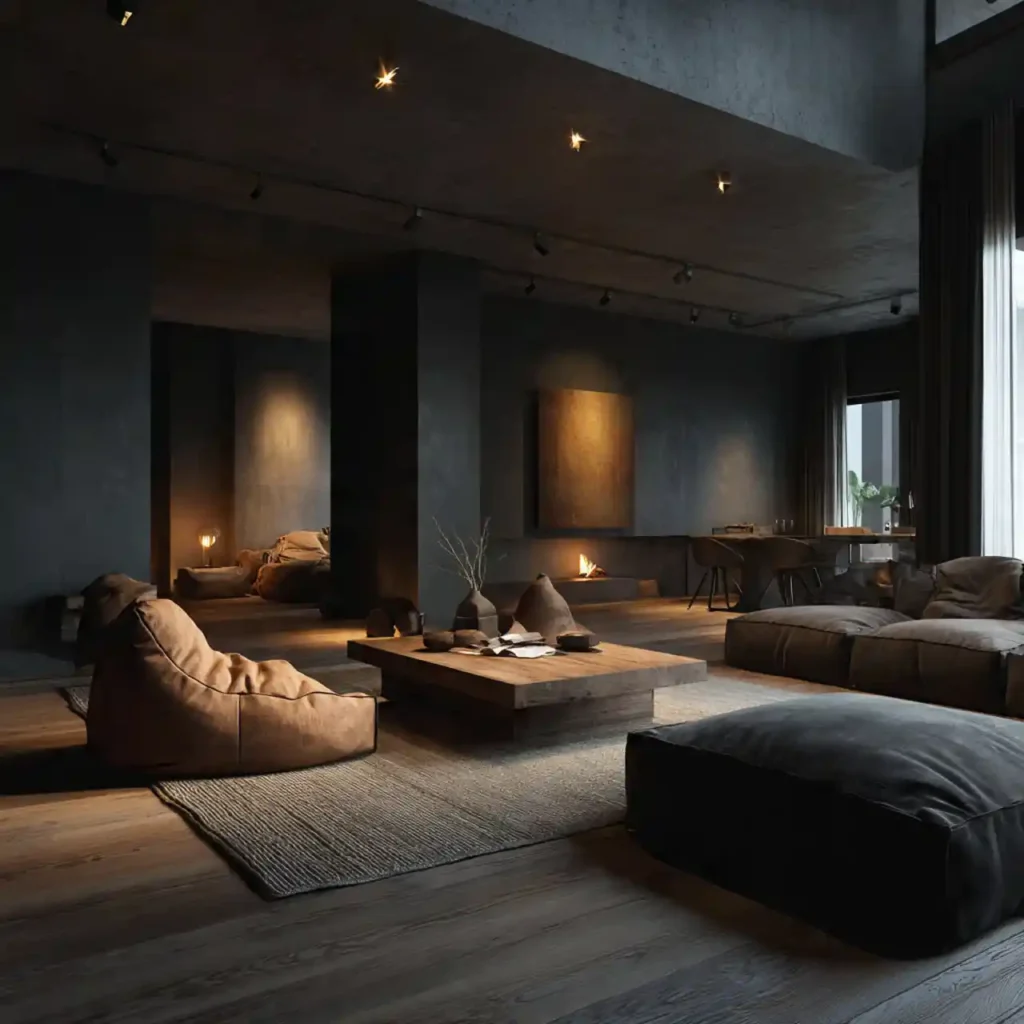
29. Thoughtful Negative Space
Negative space allows dark interiors to breathe. Not every surface needs decoration. Open areas enhance calmness. This restraint highlights architectural elements. Simplicity becomes powerful.
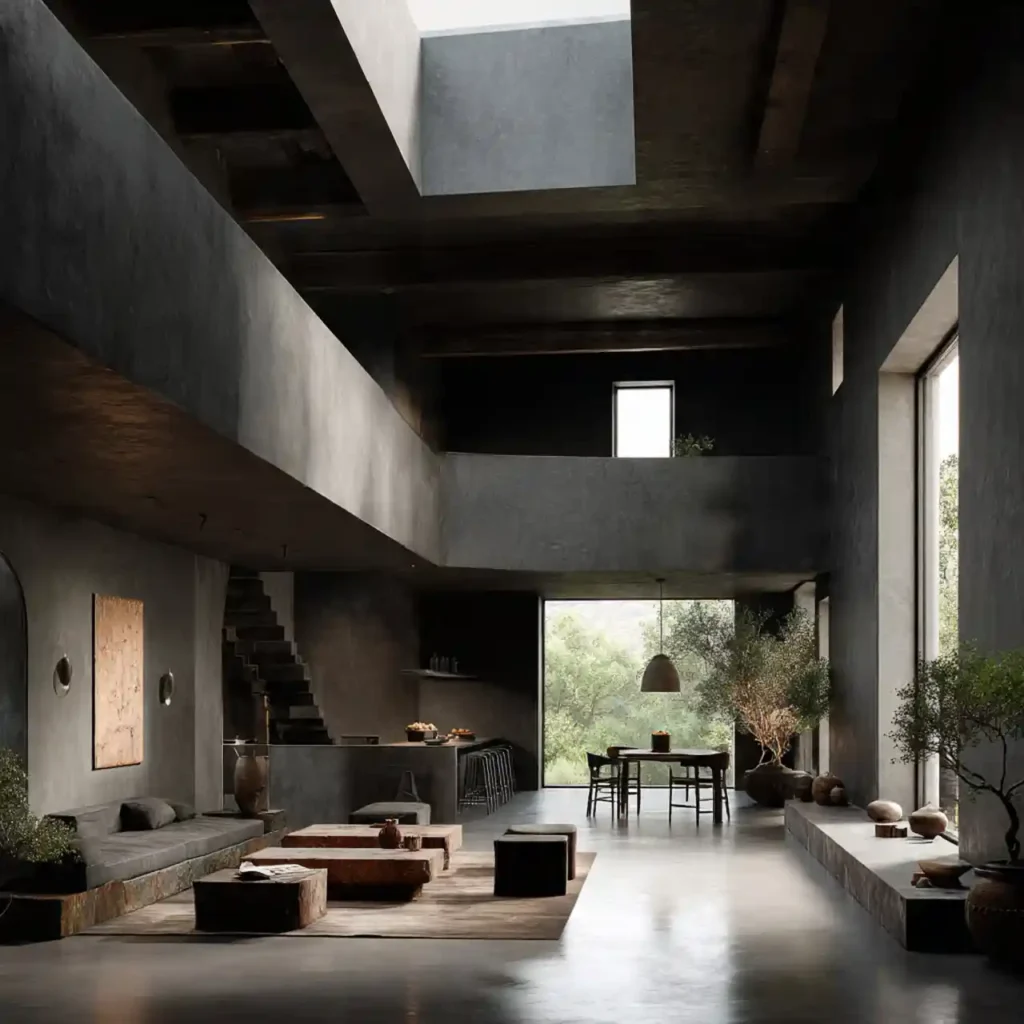
30. Cohesive Whole-Home Design
Dark natural interior works best when applied consistently. Flow between rooms enhances impact. Repeating materials and tones creates unity. The home feels intentional and refined. Cohesion elevates the entire experience.
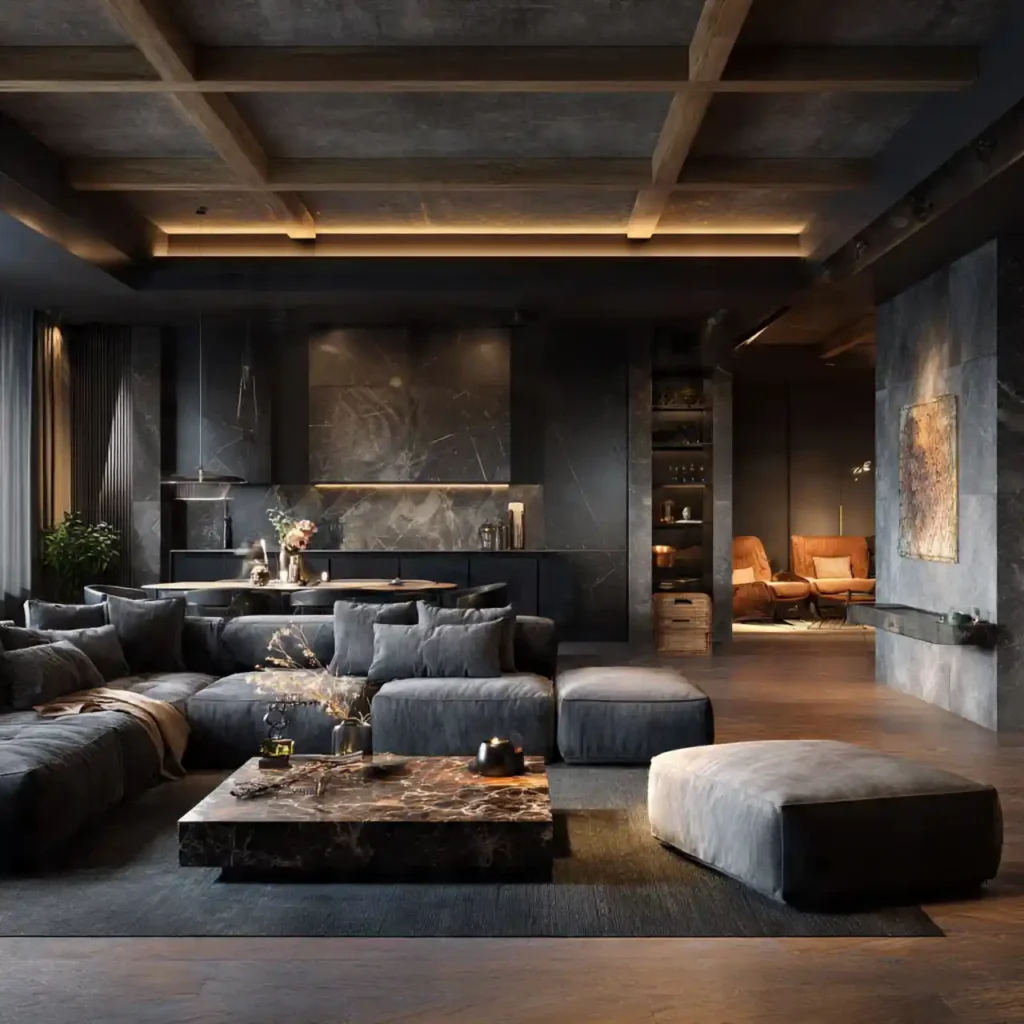
Final Thoughts: Dark Natural Interiors
Dark natural interior ideas are about embracing depth, texture, and atmosphere. By combining earthy tones with natural materials and thoughtful lighting, this style creates spaces that feel both dramatic and deeply comfortable. Whether applied to one room or an entire home, dark natural interiors offer a timeless and emotionally resonant approach to modern living.