25 Cohesive Home Interior Ideas for a Perfect Flow
Creating a cohesive home interior is not about making every room look identical it’s about making them feel connected. When your home flows naturally from one space to another, it feels more intentional, more luxurious, and far more professionally designed. Cohesion builds visual harmony, reduces cluttered energy, and makes even small homes feel expansive and elegant.
In 2026, homeowners are focusing heavily on unified design themes that create emotional balance and aesthetic consistency. Whether you’re designing a new home or refreshing your current space, these cohesive interior ideas will help you create seamless transitions while still giving each room its own personality. Here are 25 Cohesive Home Interior Ideas by The Home Vista to tie your entire home together beautifully.
1. Establish a Consistent Color Palette
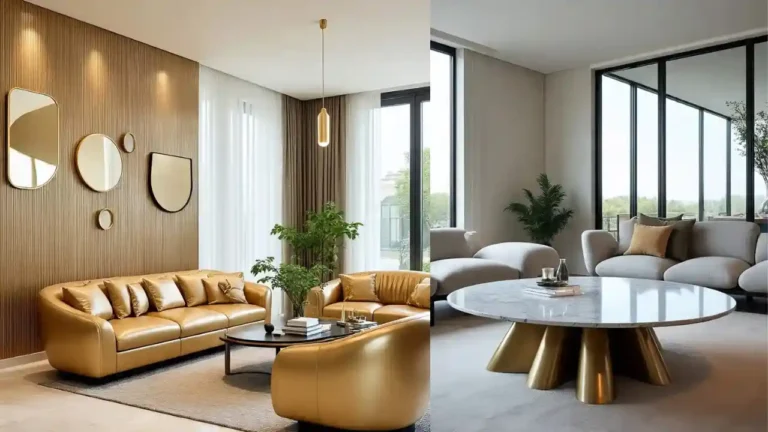
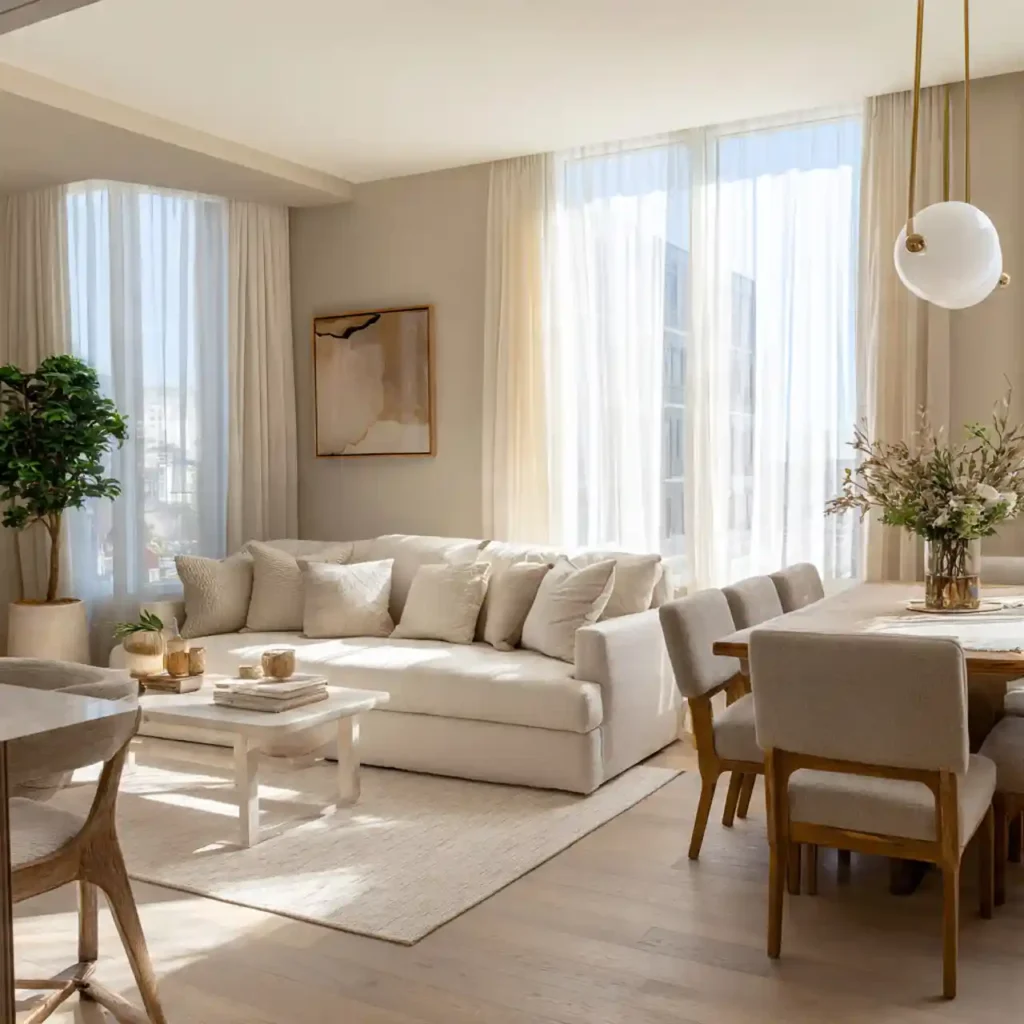
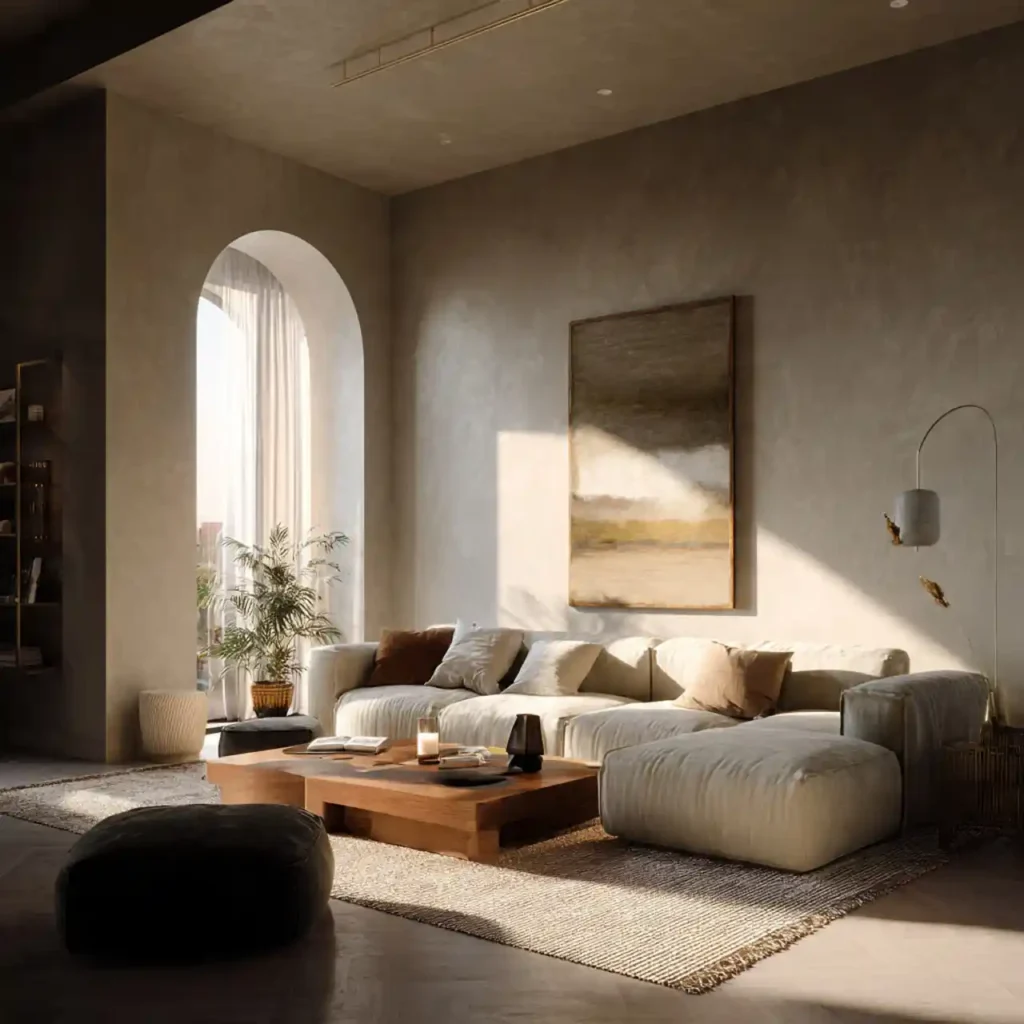
Choose 3 to 5 core colors and use them throughout your home in different variations. This does not mean every room must look identical, but the undertones should complement each other. For example, warm neutrals like beige, taupe, and cream create a unified base across living spaces. Accent colors can shift slightly per room while staying within the same tone family. A consistent palette instantly creates flow from room to room.
2. Use the Same Flooring Throughout
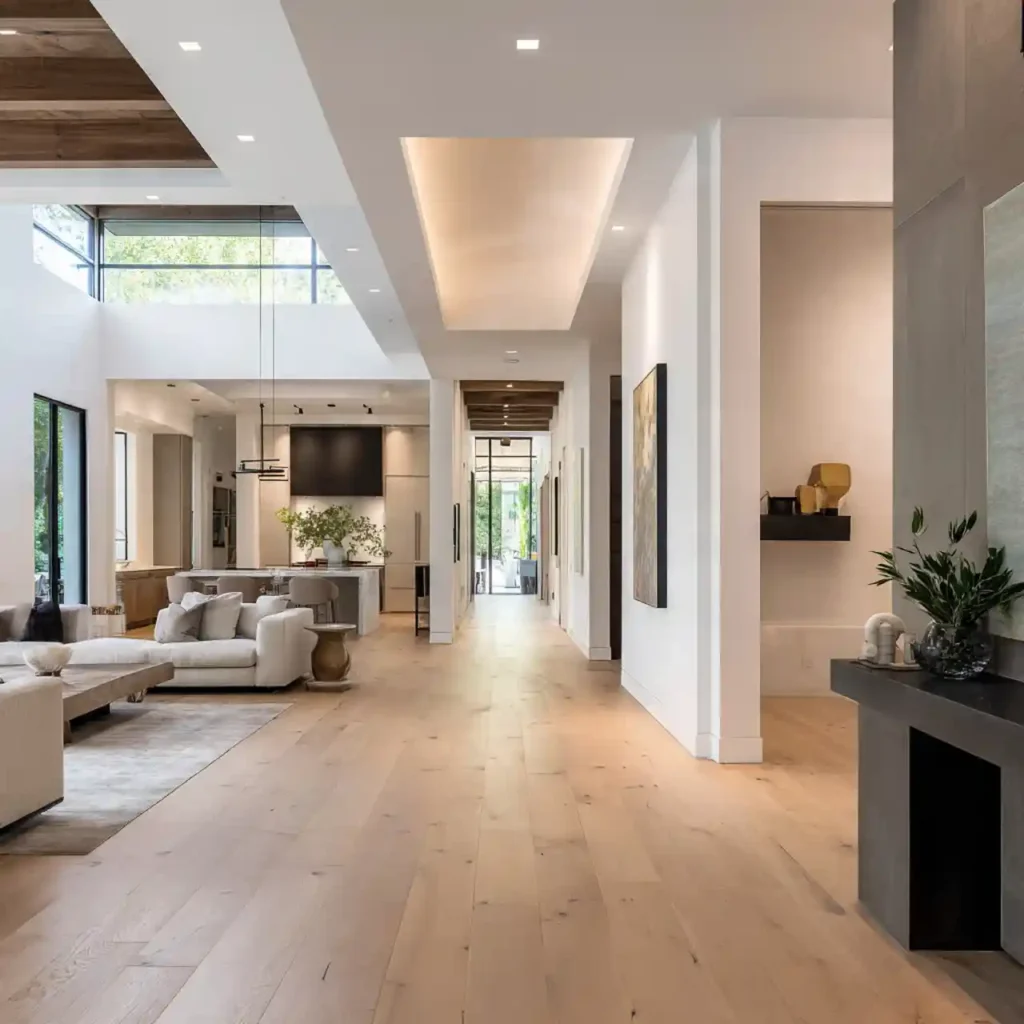
Continuous flooring visually expands your home and eliminates harsh transitions between rooms. Hardwood, polished tiles, or seamless epoxy flooring create a smooth design flow. Even if you use rugs in certain areas, keeping the base flooring consistent maintains cohesion. This works especially well in open-concept homes. It gives your interior a clean and high-end look.
3. Repeat Key Materials
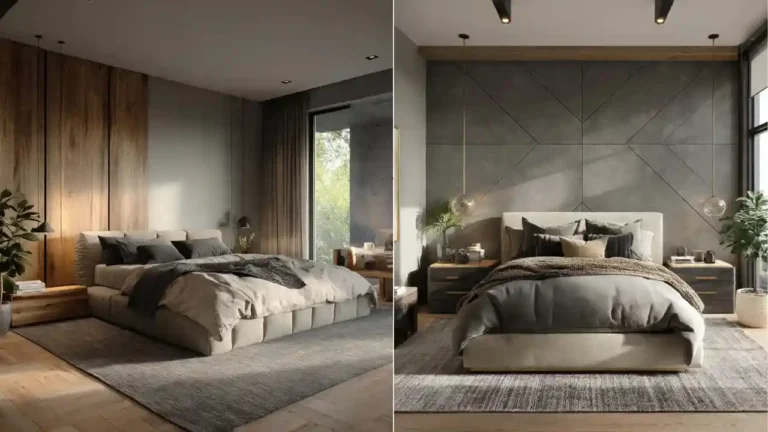
If you use wood, brass, marble, or matte black finishes in one room, repeat them subtly in other spaces. For example, brass handles in the kitchen can be echoed in bathroom fixtures. Wooden textures used in the living room can appear in bedroom furniture. Repeating materials creates subconscious harmony. It makes the design feel intentional rather than random.
4. Maintain a Unified Lighting Style
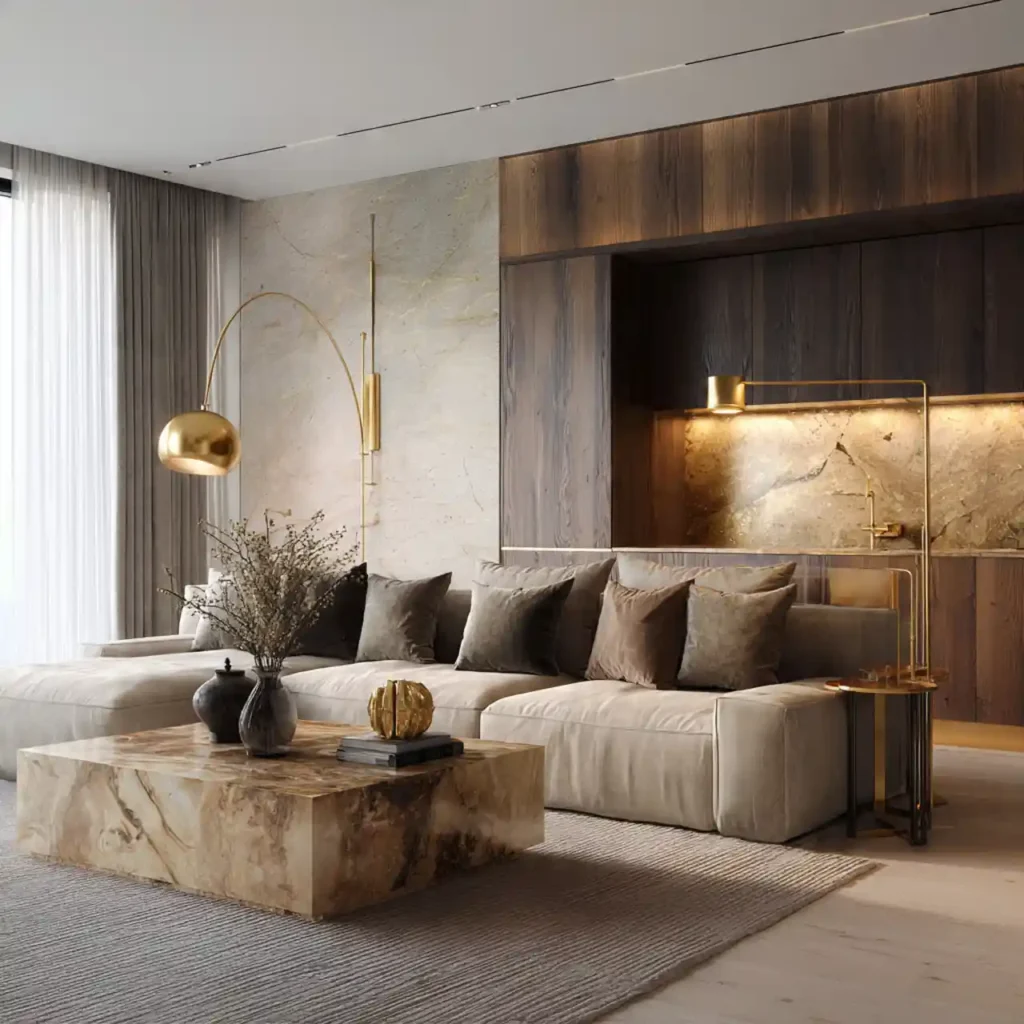
Lighting fixtures should share a common design language across your home. If you prefer modern minimal lighting, avoid mixing it with heavy traditional chandeliers. Use similar finishes like matte black, brushed gold, or chrome in all rooms. Warm lighting temperature also keeps the atmosphere consistent. Cohesive lighting makes your home feel thoughtfully curated.
5. Carry Architectural Details Across Rooms
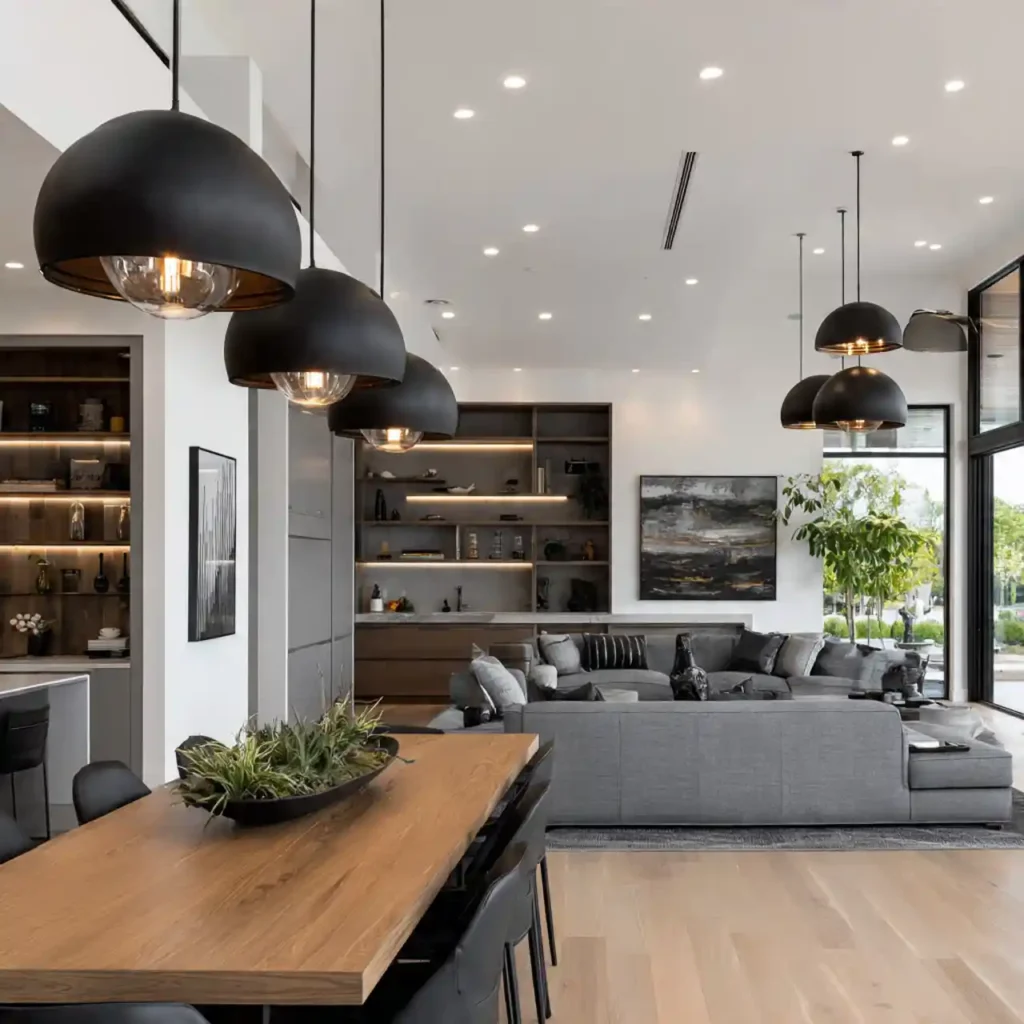
If your living room features wall molding or paneling, consider adding a lighter version in hallways or bedrooms. Consistent trim styles, door designs, and ceiling treatments create structural harmony. Even subtle details like archways or curved corners can be repeated. These architectural connections strengthen the overall theme. It creates a professionally designed feel.
6. Keep Door and Hardware Finishes Matching
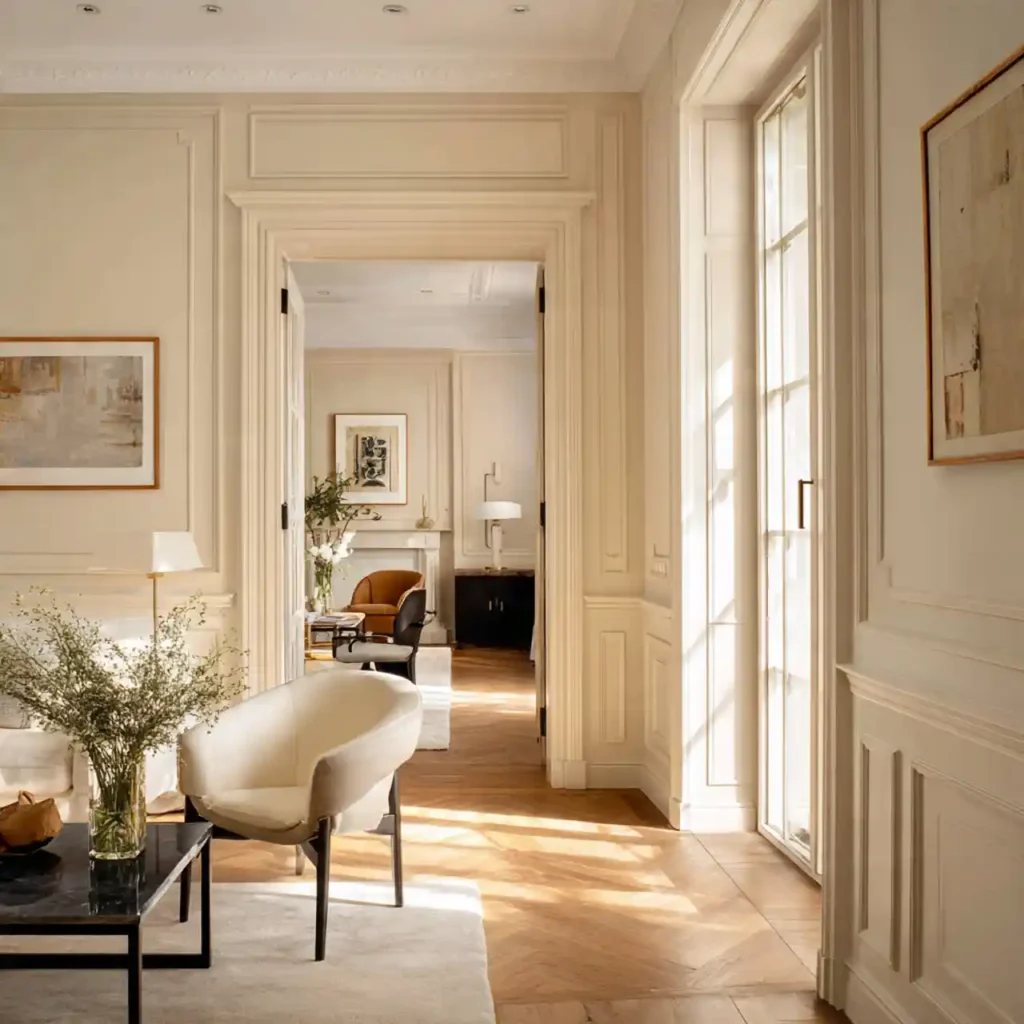
Door handles, cabinet knobs, and drawer pulls should follow a consistent finish. Mixing too many metallic tones can break visual harmony. Choose one dominant finish such as brushed nickel or matte black and repeat it throughout the home. Small details like these significantly impact overall cohesion. It’s a subtle but powerful design trick.
7. Use Similar Window Treatments
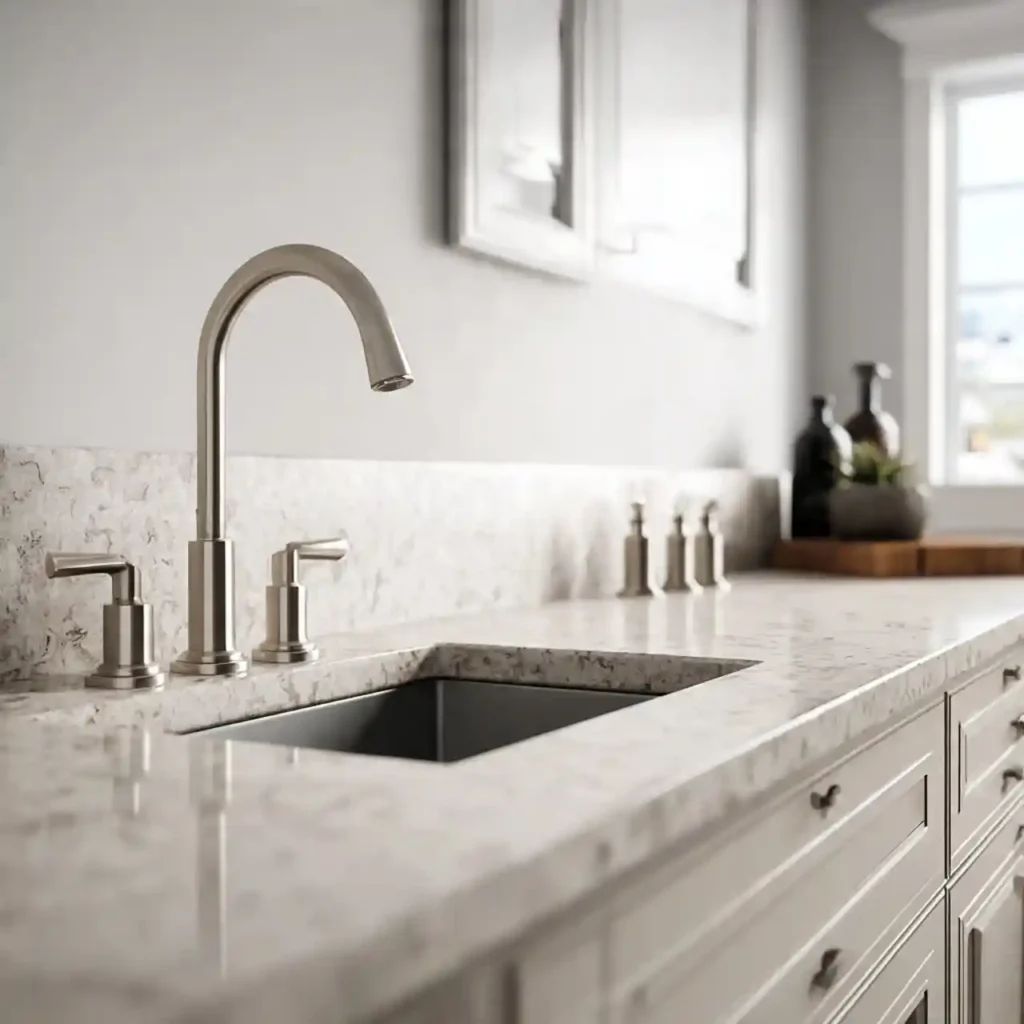
Curtains and blinds should follow a similar fabric style or color tone. You can vary patterns slightly but keep the material family consistent. For example, sheer linen curtains in neutral tones work across multiple rooms. Matching window treatments create rhythm across your interior. They help tie spaces together effortlessly.
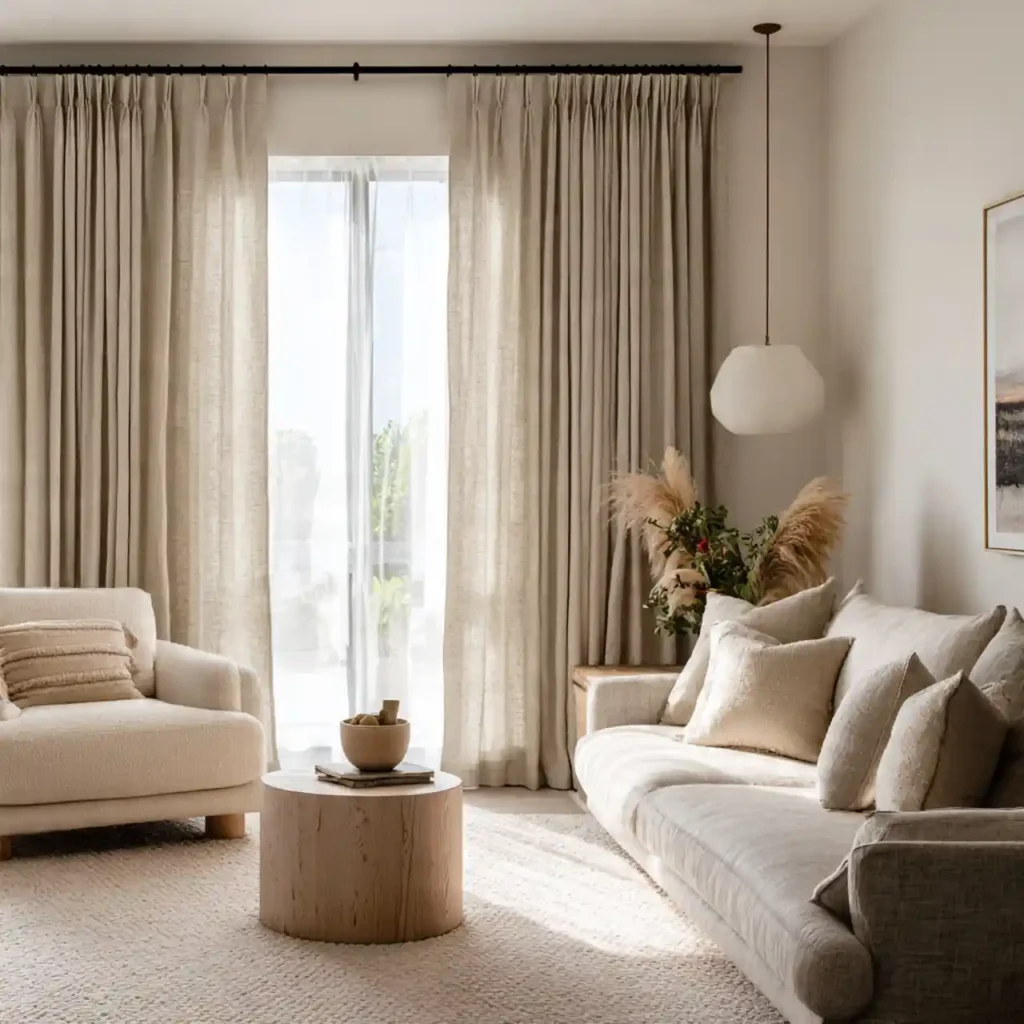
8. Align Furniture Styles
If your home leans modern, avoid placing overly traditional furniture in one room. Stick to one core design style like contemporary, Scandinavian, minimalist, or modern classic. Shapes and silhouettes should complement each other throughout the house. This ensures your design language remains consistent. A unified furniture style enhances flow.
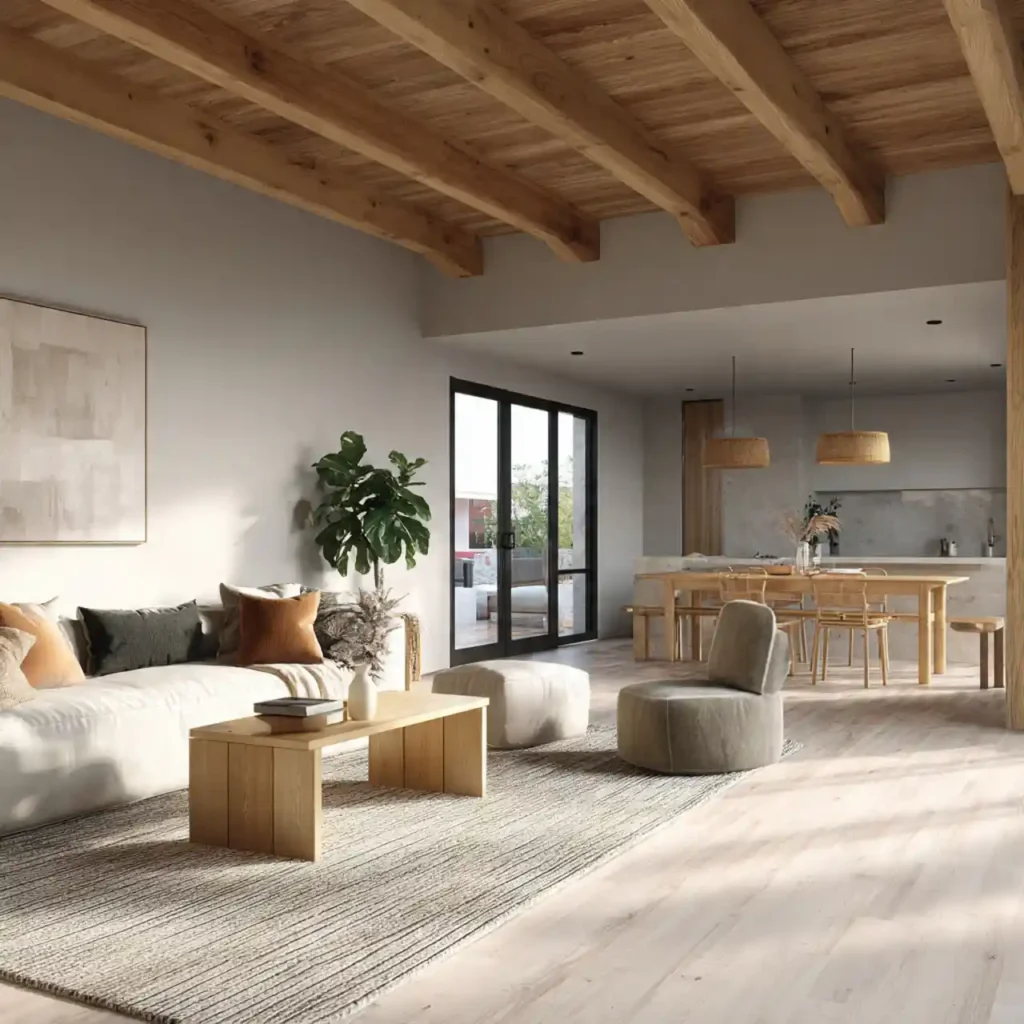
9. Create Visual Transitions Between Spaces
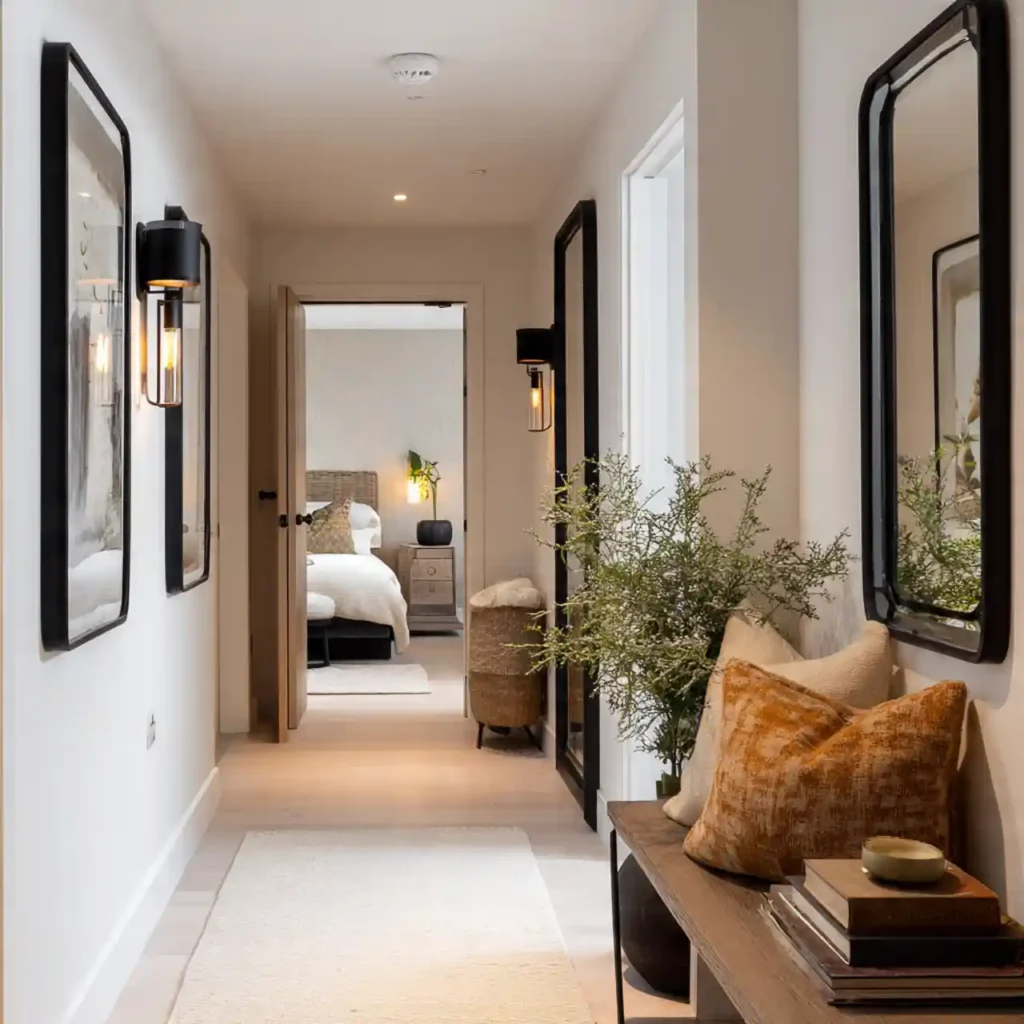
Hallways and entryways should act as connectors, not interruptions. Use artwork, mirrors, or accent walls to guide the eye naturally from one space to another. Transitional spaces should reflect the main color theme of your home. This strengthens visual continuity. It keeps your home feeling cohesive rather than segmented.
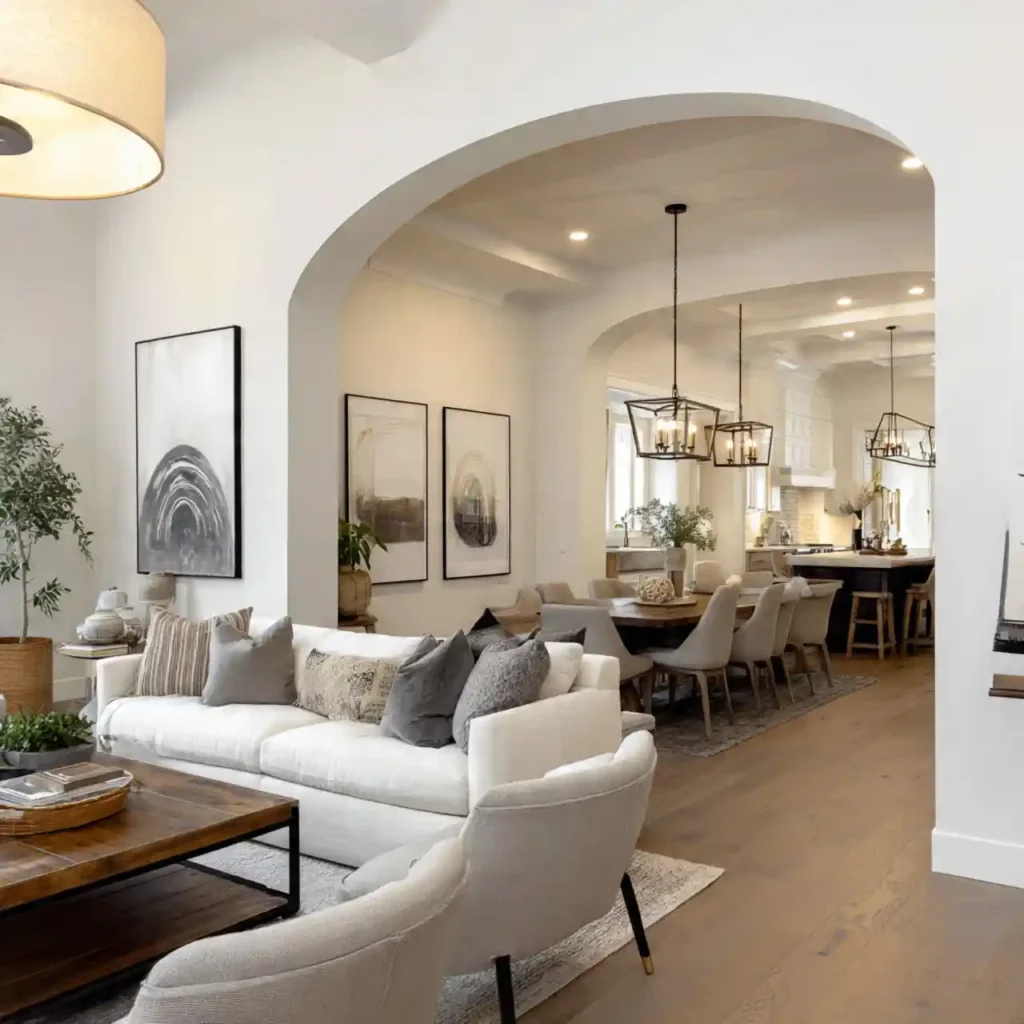
10. Repeat Accent Colors Strategically
If you use deep green cushions in the living room, consider adding green décor in the dining or bedroom area. Accent repetition creates subtle connections between rooms. The color does not need to dominate every space. Even small décor elements can create strong harmony. This technique makes your home feel thoughtfully coordinated.
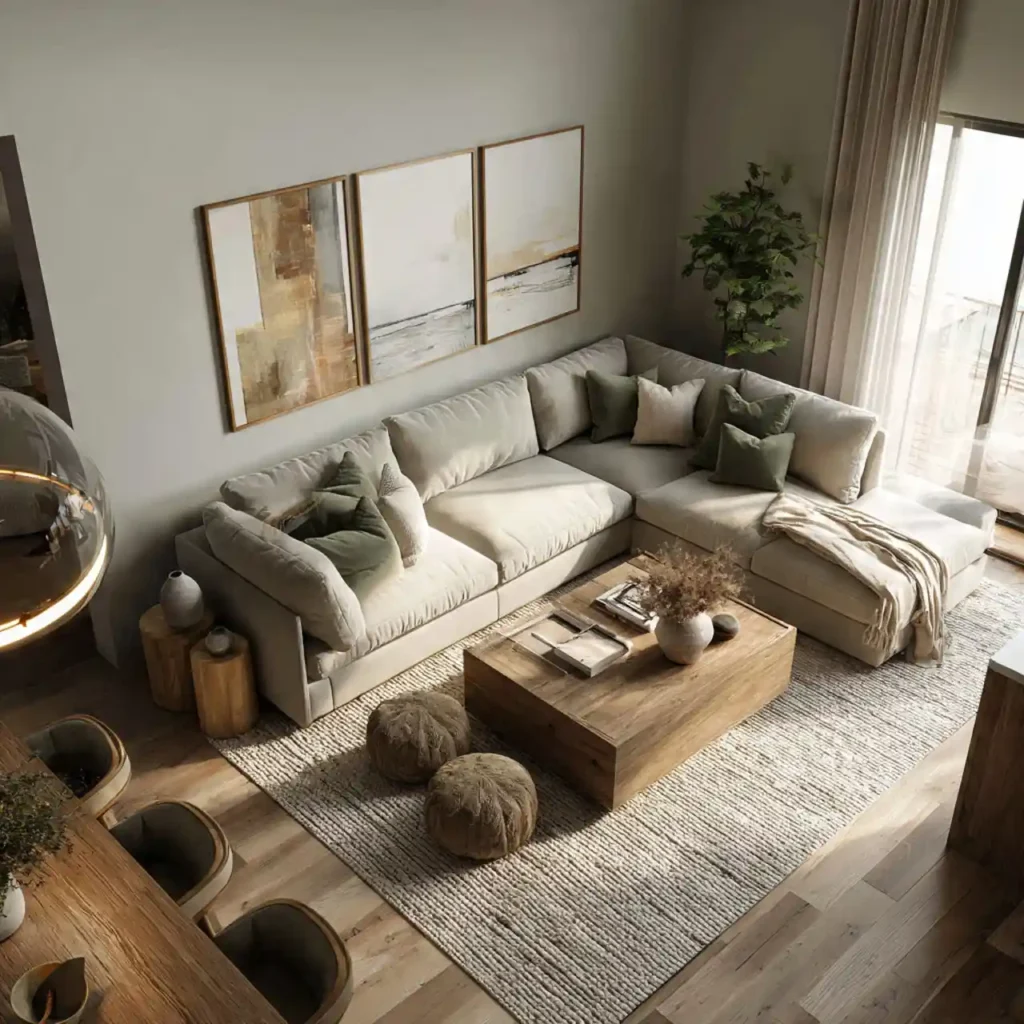
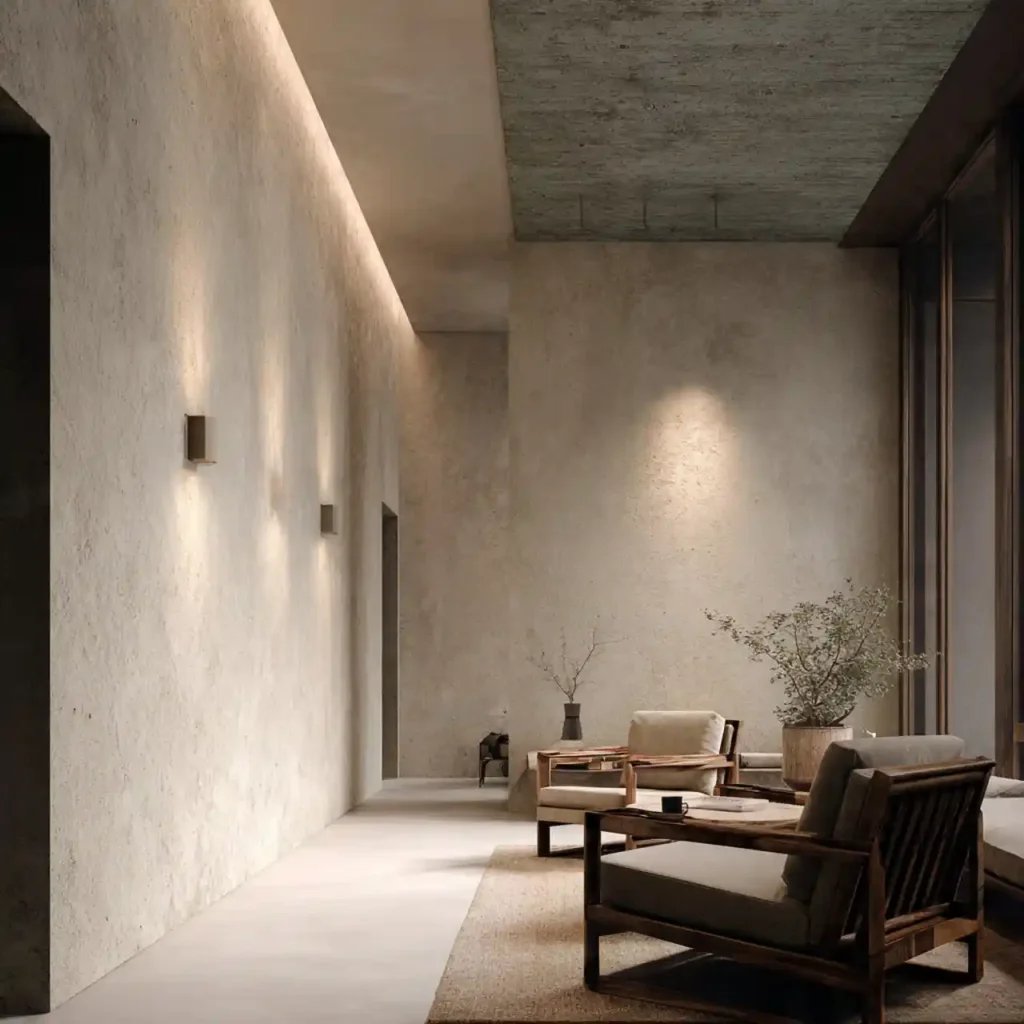
11. Use Consistent Wall Finishes
Whether you choose matte paint, textured walls, or wallpaper, keep the base style similar. Avoid mixing too many bold patterns across different rooms. If one room has patterned wallpaper, balance other rooms with softer finishes. This prevents visual chaos. A consistent wall treatment strengthens overall unity.
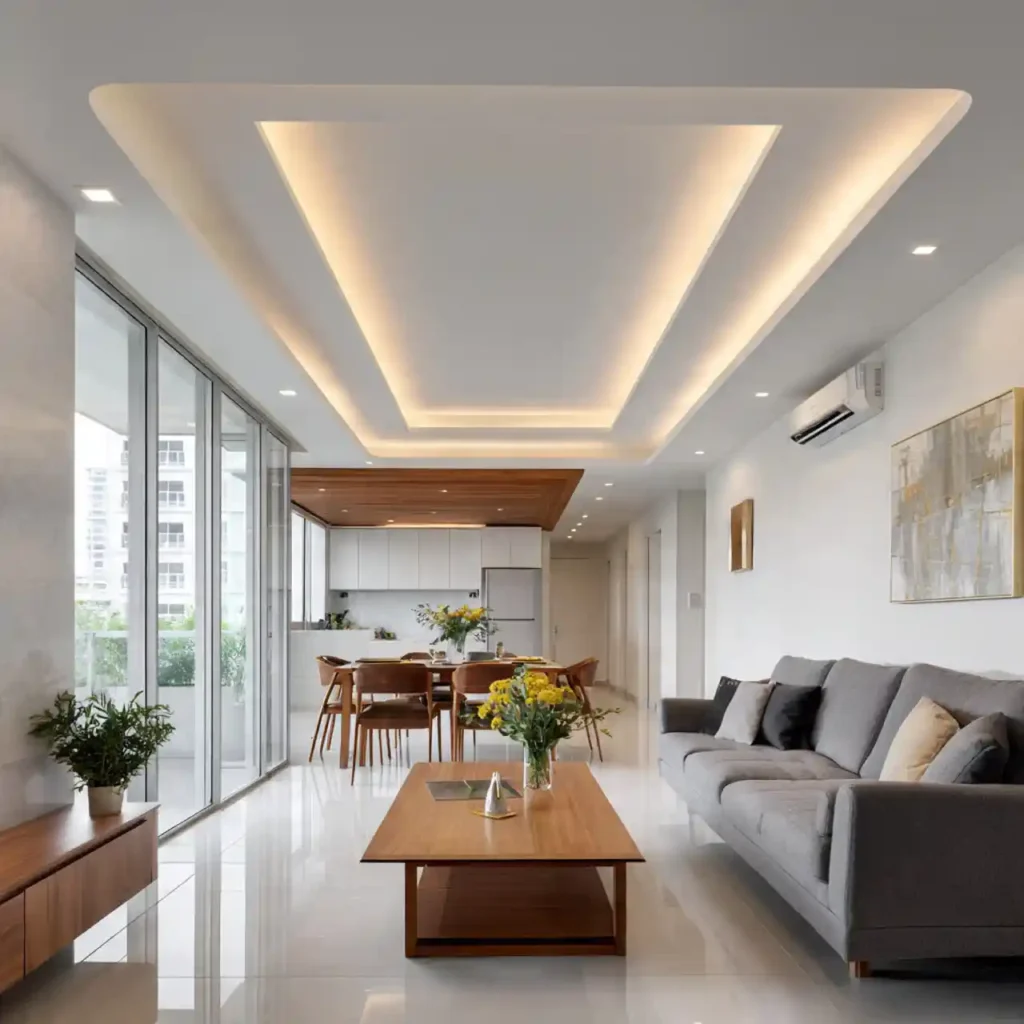
12. Align Ceiling Designs
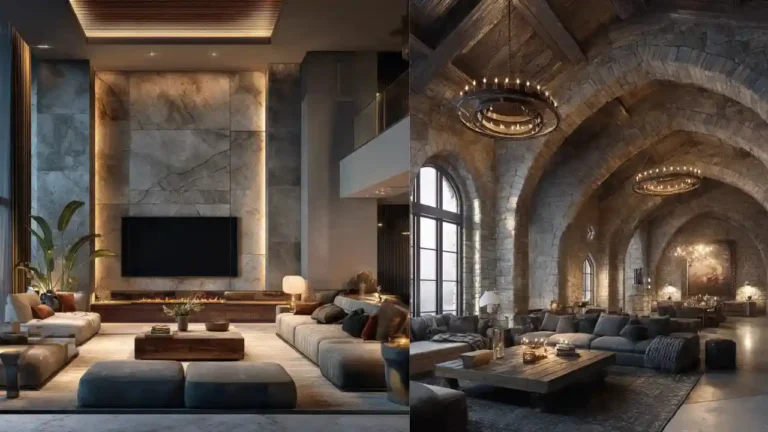
Ceiling details such as false ceilings, beams, or recessed lighting should follow a similar theme. If one room has modern recessed lighting, avoid ornate ceiling designs elsewhere. Maintaining ceiling consistency enhances spatial flow. It also makes your home feel architecturally balanced. Often ceilings are overlooked but they matter greatly.
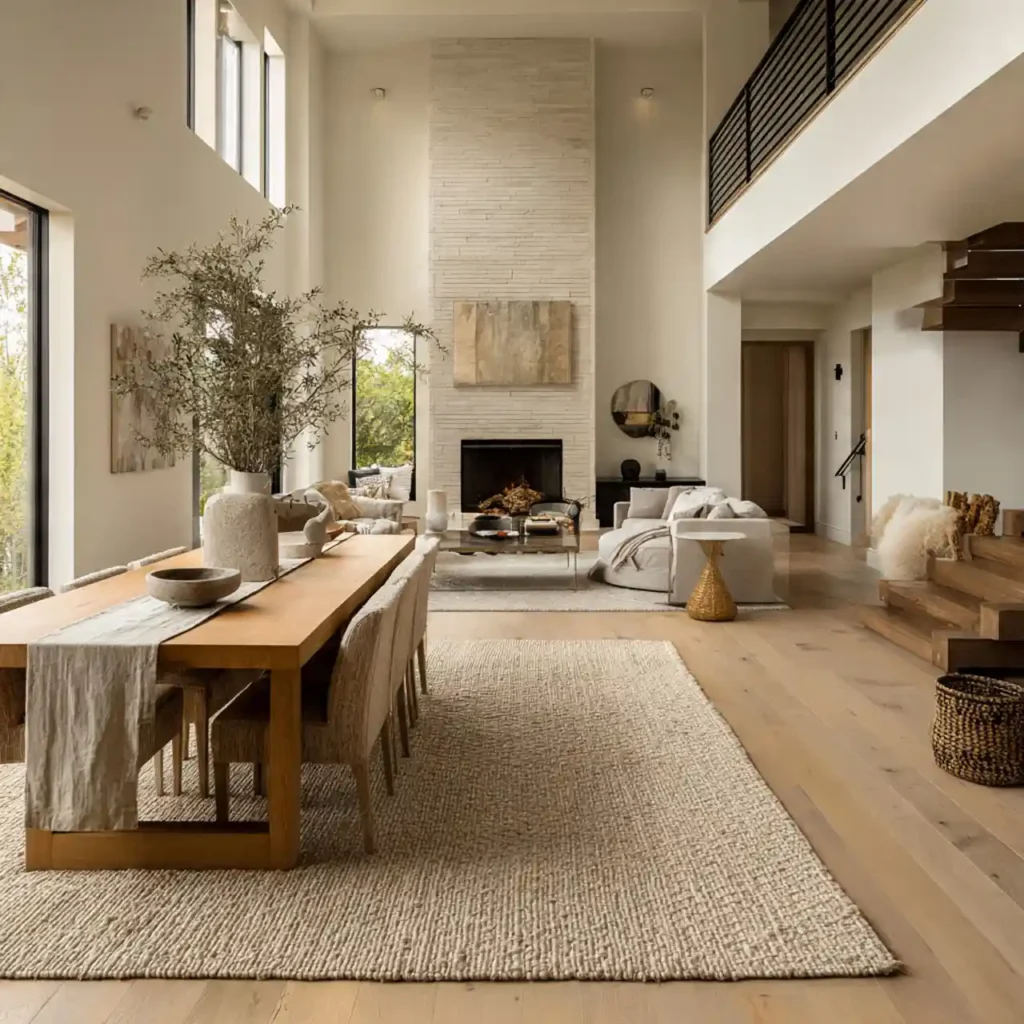
13. Choose a Repeating Design Motif
This could be curved shapes, geometric patterns, or linear designs. Repeating the same motif in rugs, wall art, or furniture creates subconscious harmony. For example, if you use rounded coffee tables, consider rounded mirrors in other rooms. Repetition builds connection. It subtly ties your interior together.
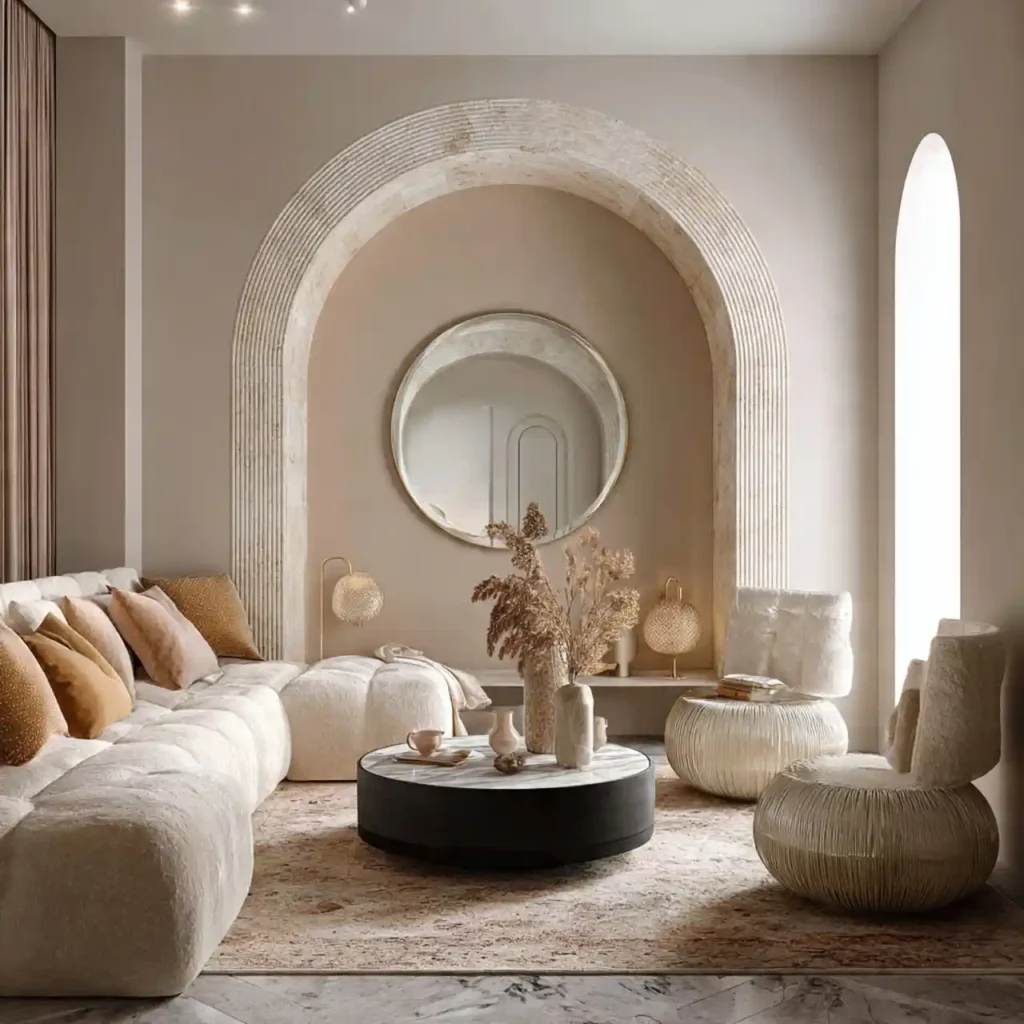
14. Maintain Similar Rug Styles
Rugs can vary in size but should feel related in texture or color tone. Avoid mixing ultra-modern rugs with heavily traditional Persian styles in adjacent rooms. Keep the overall vibe consistent. Rugs anchor each room while still contributing to cohesion. They help define spaces without breaking flow.
15. Coordinate Artwork Themes
Art pieces should reflect a unified theme or color palette. Abstract art in similar tones works well across multiple rooms. Avoid mixing drastically different art styles. When artwork feels connected, the home feels curated. It enhances aesthetic harmony.
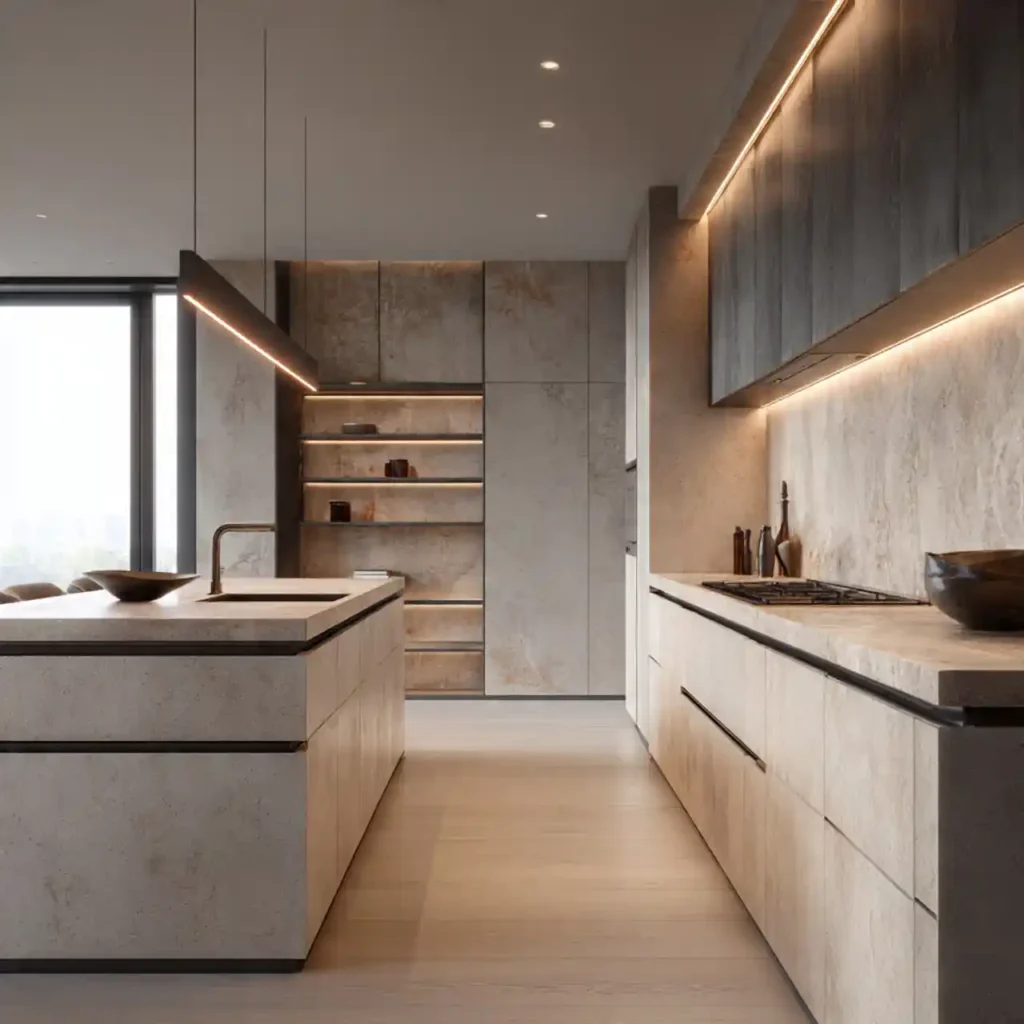
16. Keep Cabinetry Styles Consistent
Kitchen cabinets, bathroom vanities, and storage units should share a similar finish or design. Flat-panel modern cabinets should not clash with heavily carved traditional units elsewhere. Consistency in cabinetry strengthens design language. It creates seamless visual continuity.
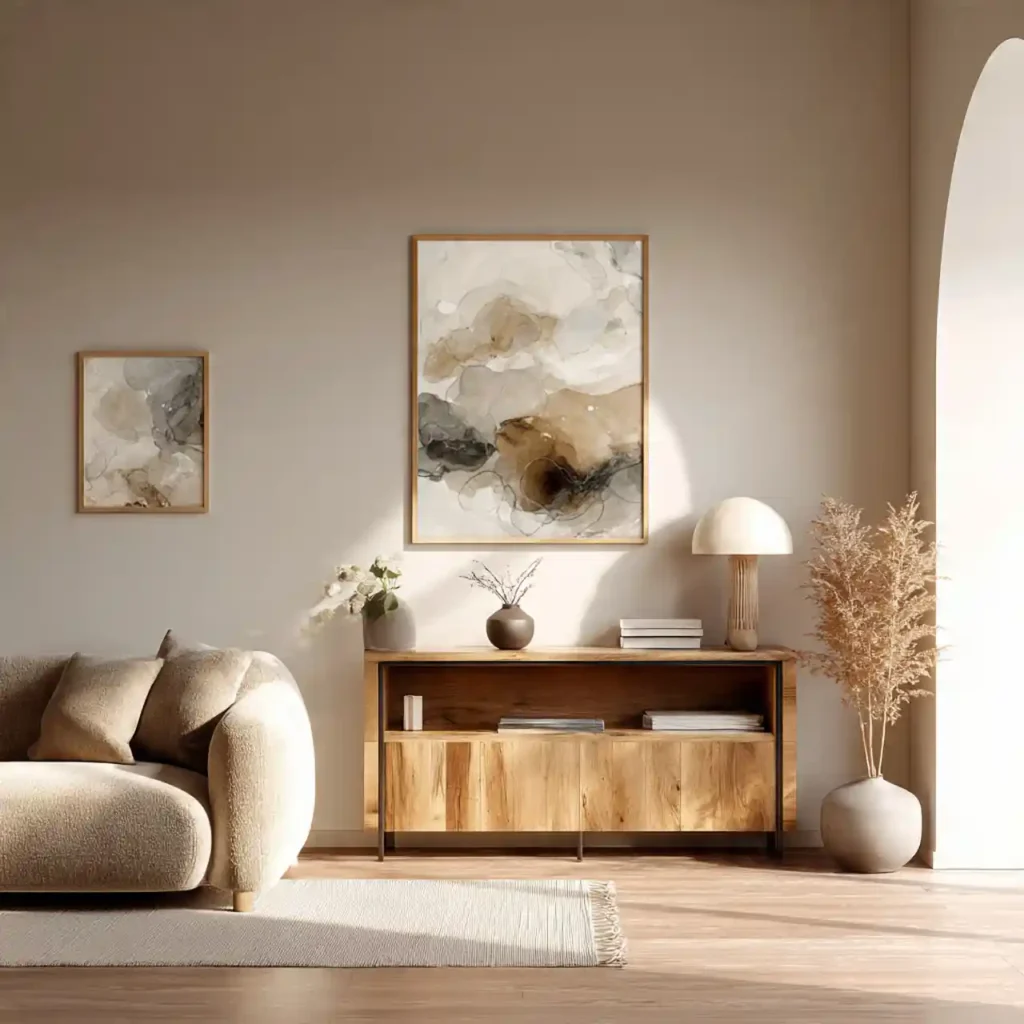
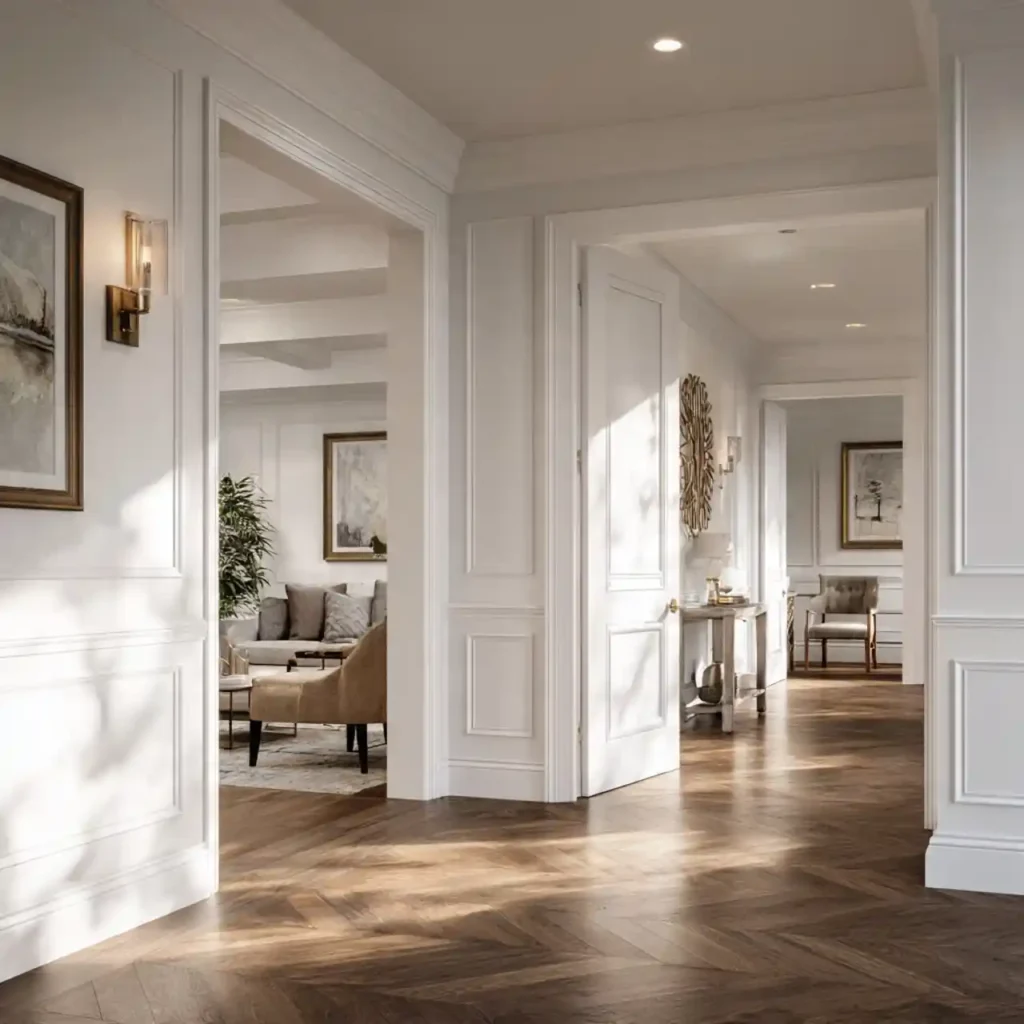
17. Use Matching Interior Door Styles
Interior doors significantly influence home cohesion. Keep panel styles and paint colors uniform throughout the house. Mixing different door designs can disrupt harmony. Consistent doors create architectural unity. It gives your home a clean and refined appearance.
18. Coordinate Textile Textures
Use similar fabric textures across cushions, throws, and bedding. For example, if you favor soft linen and velvet combinations, repeat them across rooms. Textural repetition builds warmth and unity. It enhances comfort while maintaining design cohesion.
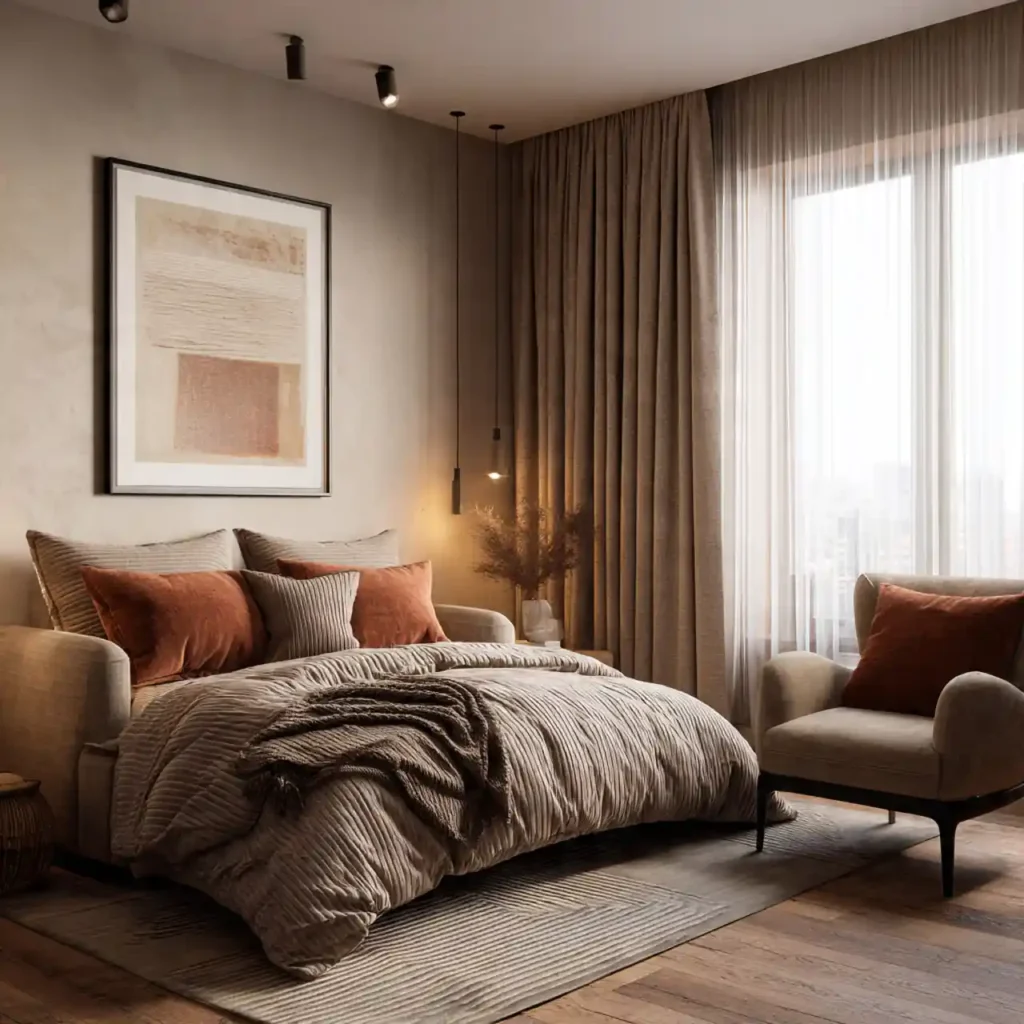
19. Create a Signature Feature
Choose one standout feature, like black metal accents or warm wooden beams, and repeat it subtly across spaces. This becomes your home’s identity marker. Even small touches can reinforce the theme. A signature element makes your home memorable and cohesive.
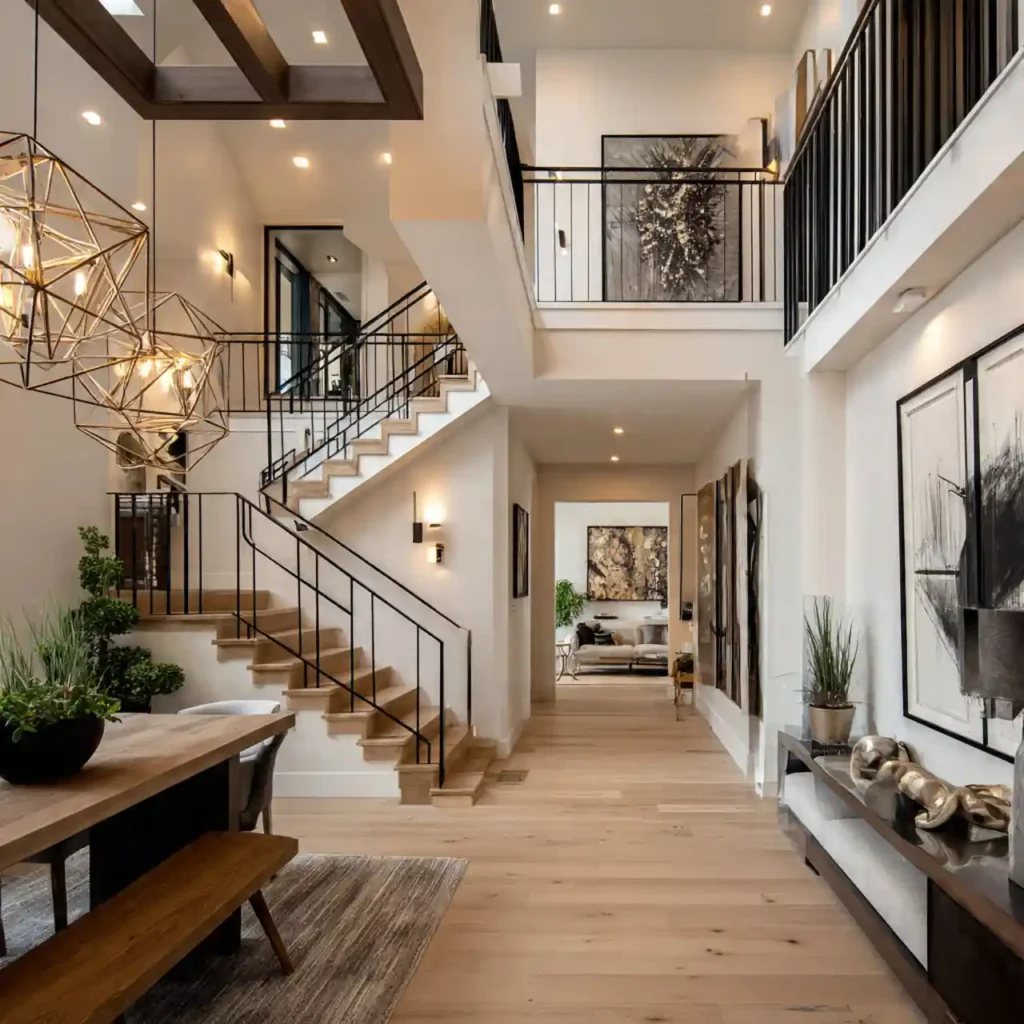
20. Balance Open and Closed Storage
Keep storage styles aligned throughout the home. If you use sleek built-ins in one room, avoid bulky mismatched units elsewhere. Storage should complement your overall theme. Balanced storage maintains visual order. It prevents clutter from breaking cohesion.
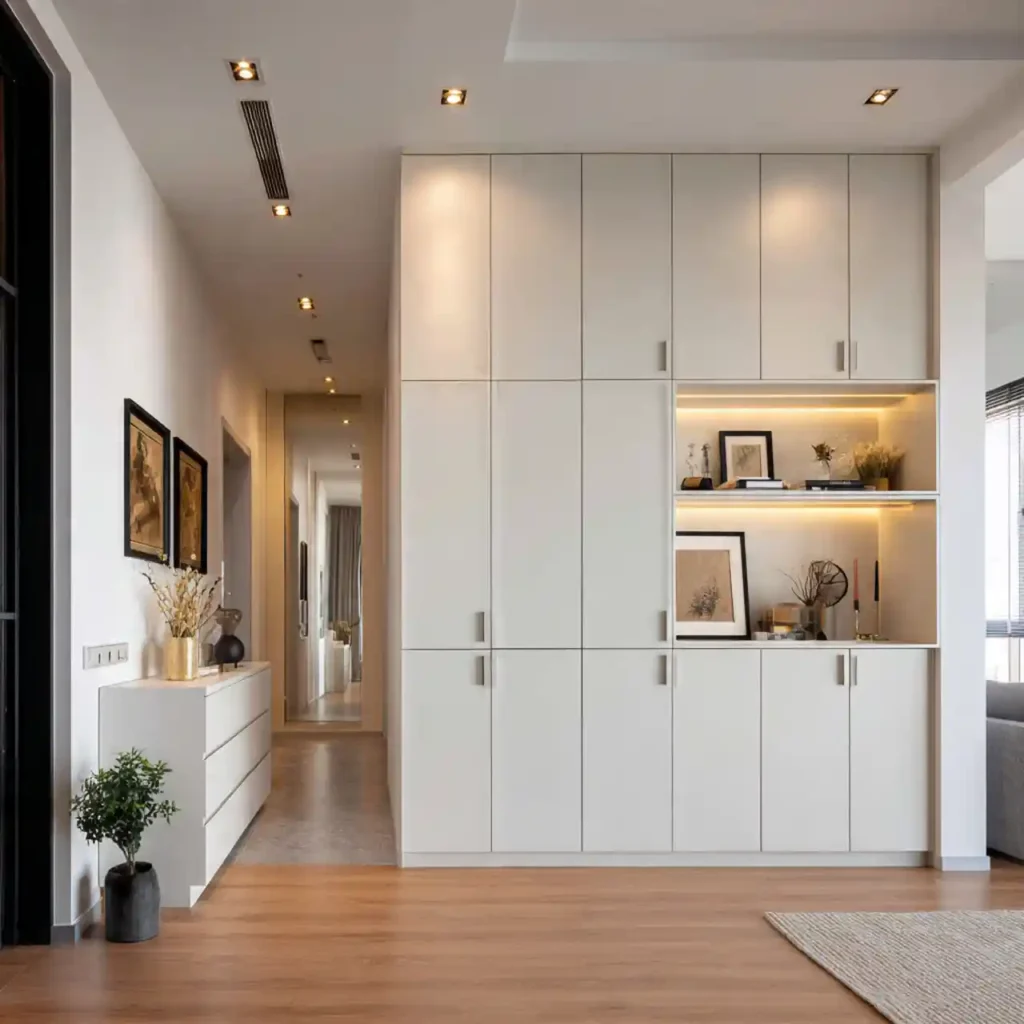
21. Keep Decorative Styles Aligned
Decor accessories such as vases, lamps, and trays should follow a unified aesthetic. Avoid mixing ultra-modern décor with rustic farmhouse pieces randomly. Stick to one main decorative style. This strengthens visual continuity.
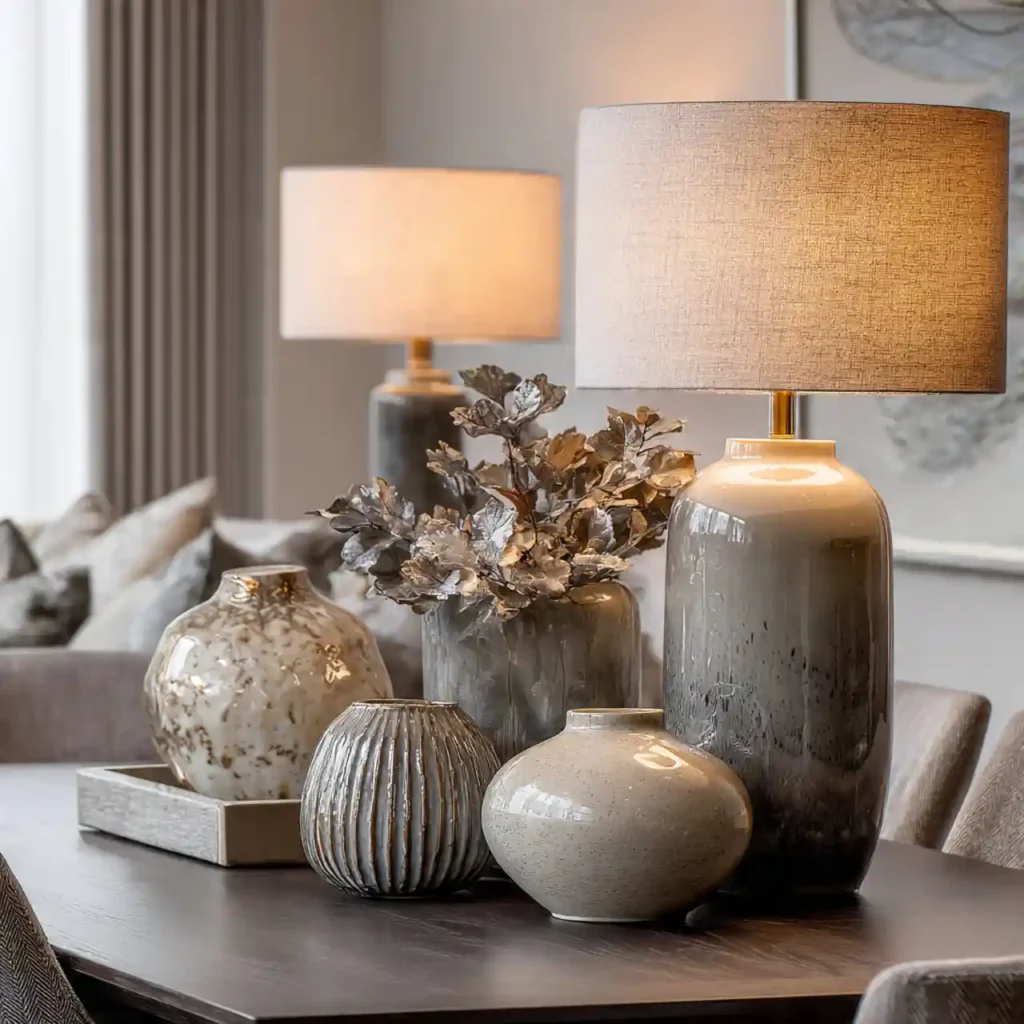
22. Maintain Similar Trim and Baseboards
Baseboards and trim designs should remain consistent throughout the house. Changing trim styles between rooms can feel disjointed. Matching trim creates architectural unity. It is a subtle yet powerful cohesion tool.
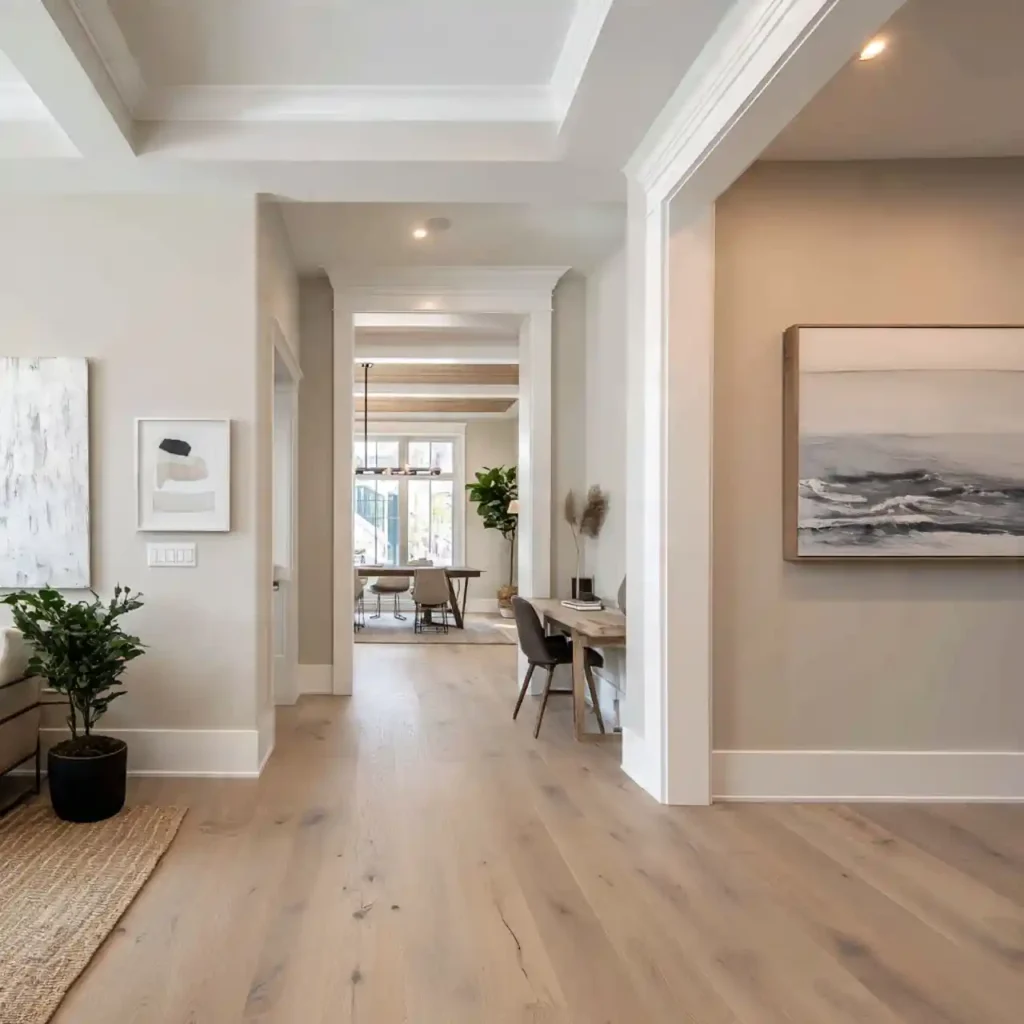
23. Use Coordinated Mirrors
Mirror frames should align with your overall metal or wood finishes. Repeating frame styles across rooms creates subtle harmony. Mirrors also enhance light and openness. They contribute both function and aesthetic consistency.
24. Align Interior Themes by Mood
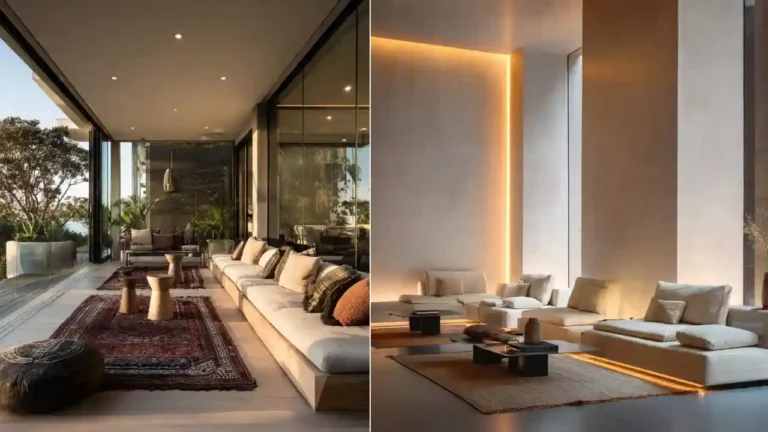
All rooms should reflect a similar emotional atmosphere. If your living room feels calm and neutral, avoid creating an overly dramatic bedroom. Maintain a consistent mood across spaces. This builds emotional cohesion. It makes your home feel balanced and peaceful.
25. Design With Flow in Mind
Before finalizing any room, step back and view it from the hallway. Ask whether it feels connected to the adjacent space. Adjust colors, textures, or décor accordingly. Cohesion is about intentional decisions. When your home flows naturally, it feels complete.
Final Thoughts:Cohesive Home Interior Ideas
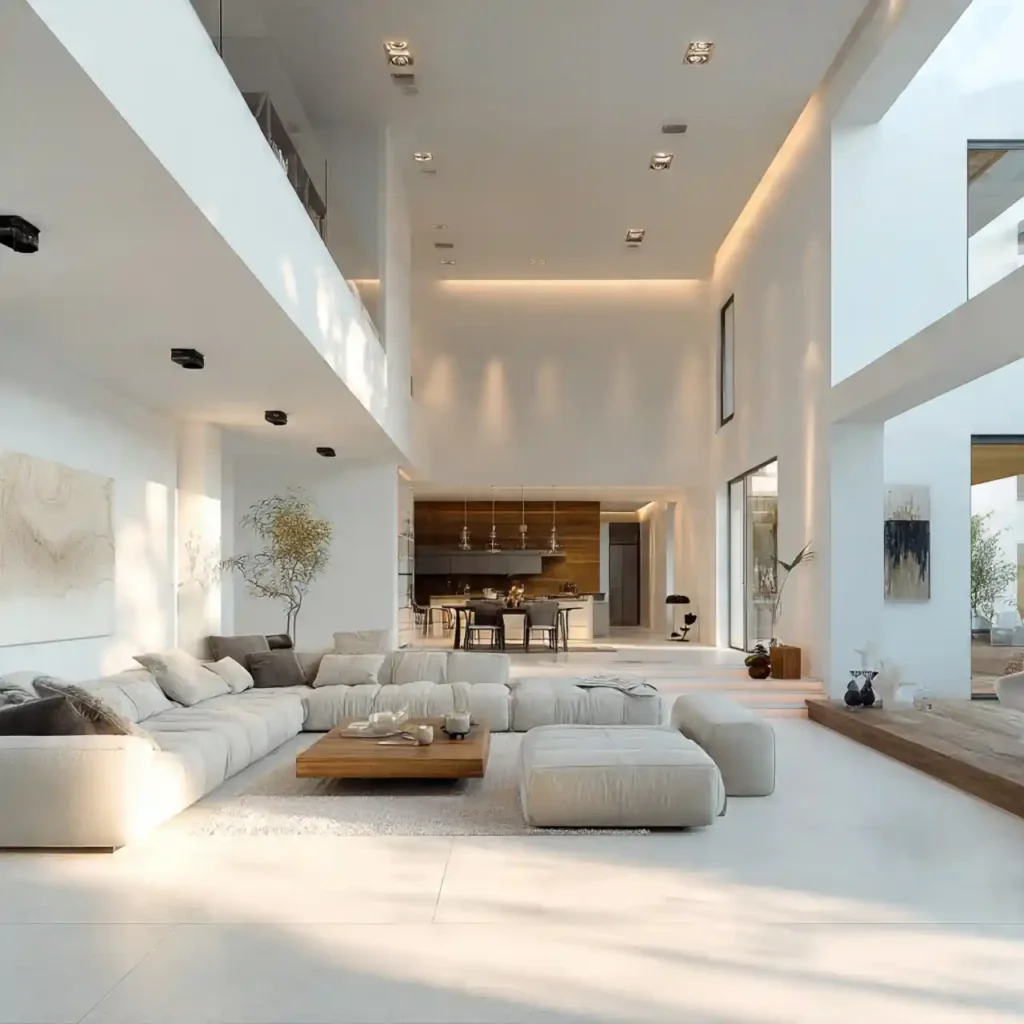
These Cohesive Home Interior Ideas are the foundation of timeless design. It transforms your space from a collection of separate rooms into one unified living experience. When colors, materials, textures, and architectural details align thoughtfully, your home feels calmer, larger, and more luxurious.
The key is balance maintaining consistency without making everything look identical. Subtle repetition, unified finishes, and intentional transitions create elegance effortlessly. Whether you prefer modern minimalism or warm contemporary style, cohesion will elevate your entire home.