20 Brazilian Contemporary Home Exterior Ideas with Seamless Indoor-Outdoor Flow
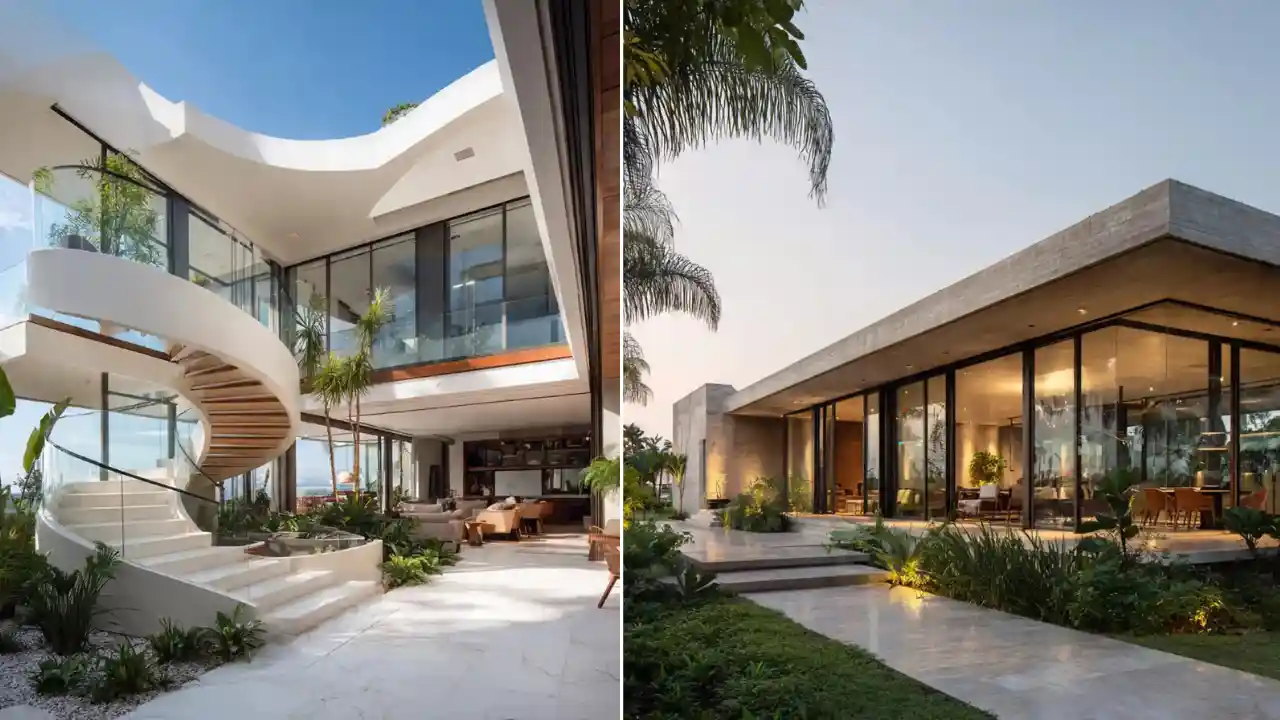
Brazilian contemporary home exterior ideas by The Home Vista are globally admired for their seamless relationship between architecture, climate, and lifestyle. These homes are designed to dissolve the boundaries between inside and outside, creating a continuous flow of space, air, and light.
Influenced by tropical weather, modern Brazilian architecture emphasizes openness, natural materials, and relaxed elegance. Large openings, shaded structures, and landscape integration define the aesthetic. This design approach celebrates nature as an essential part of daily living rather than a separate element.
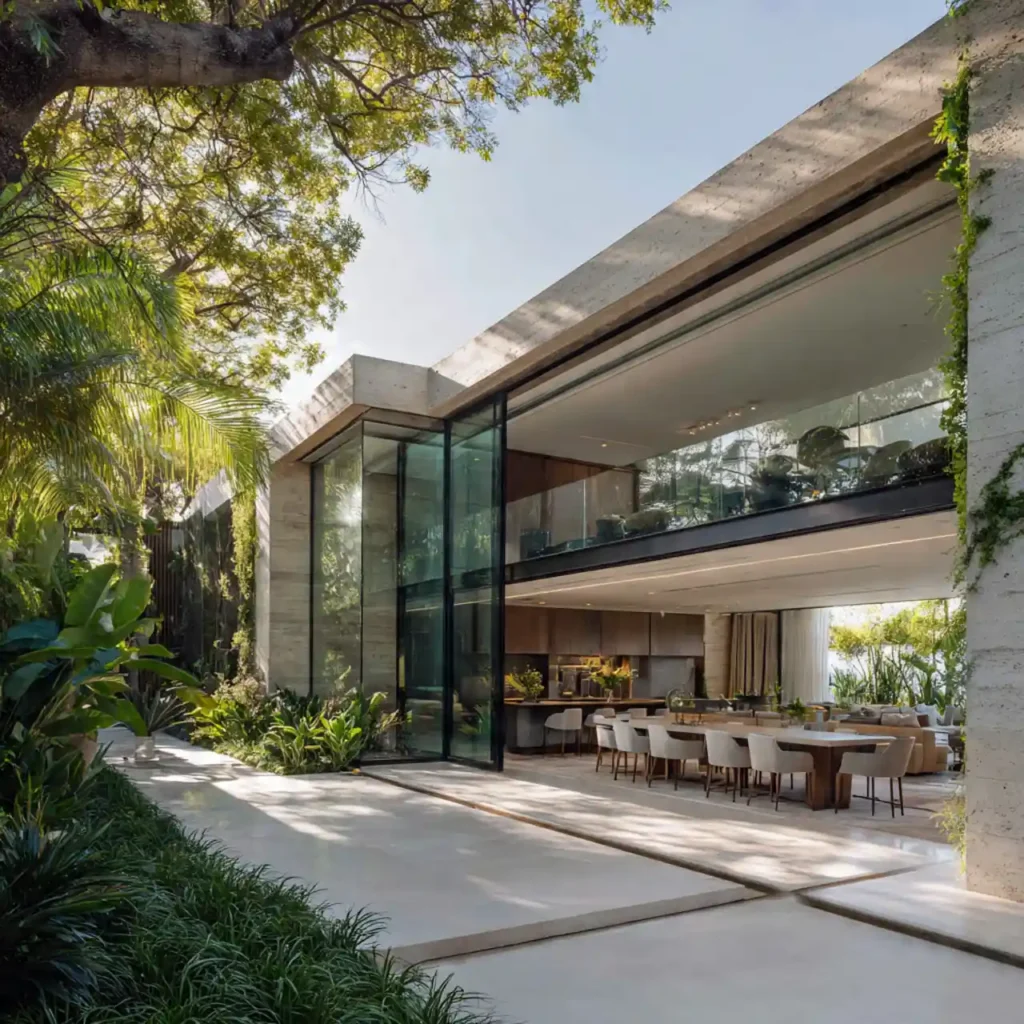
1. Floor-to-Ceiling Openings That Blur Boundaries
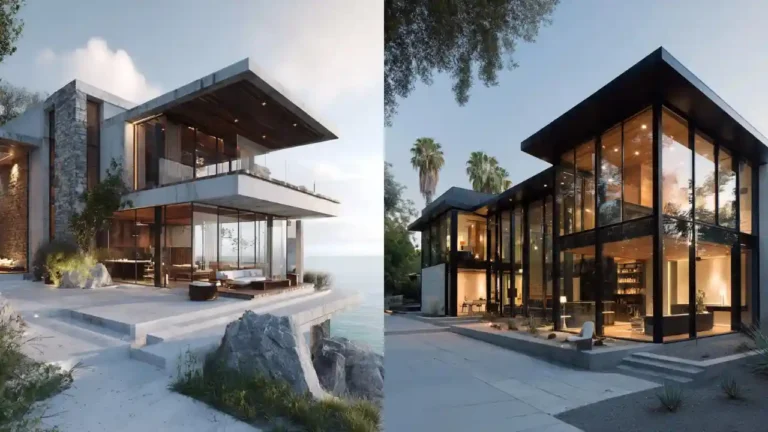
Brazilian contemporary exteriors often feature expansive floor-to-ceiling glass walls that open completely. These openings connect living spaces directly to patios, gardens, or pools. When fully opened, the exterior becomes an extension of the interior. Natural ventilation flows freely through the home. This creates a lifestyle centered around openness and fluid movement.
2. Covered Outdoor Living Areas as Core Spaces
Instead of treating outdoor areas as secondary, Brazilian homes make them central. Covered terraces and verandas function as living rooms or dining spaces. Roof extensions provide shade while maintaining openness. These areas encourage year-round outdoor use. The exterior feels lived-in and socially vibrant.

3. Courtyard-Centered Home Layouts
Many Brazilian contemporary homes are organized around internal courtyards. These courtyards allow light and air to penetrate deep into the structure. Glass walls face inward, creating privacy without isolation. The courtyard becomes a visual and climatic anchor. This layout strengthens the indoor–outdoor relationship naturally.

4. Seamless Flooring Transitions
Identical or similar flooring materials are used indoors and outdoors. Stone, concrete, or wood flows uninterrupted from living areas to terraces. This visual continuity removes spatial boundaries. The exterior feels like a natural continuation of the interior. Movement feels effortless and intuitive.

5. Tropical Landscaping Integrated Into Architecture
Lush greenery is embedded directly into the exterior design. Plants frame openings, soften concrete surfaces, and provide shade. Landscaping is not decorative but architectural. It cools the environment naturally. The house feels immersed in nature rather than placed beside it.

6. Lightweight Structural Forms for Ventilation
Brazilian exteriors favor open, breathable structures over heavy massing. Elevated slabs, open facades, and thin rooflines enhance airflow. Heat escapes easily through open volumes. The design feels light despite its scale. Comfort is achieved through passive design strategies.
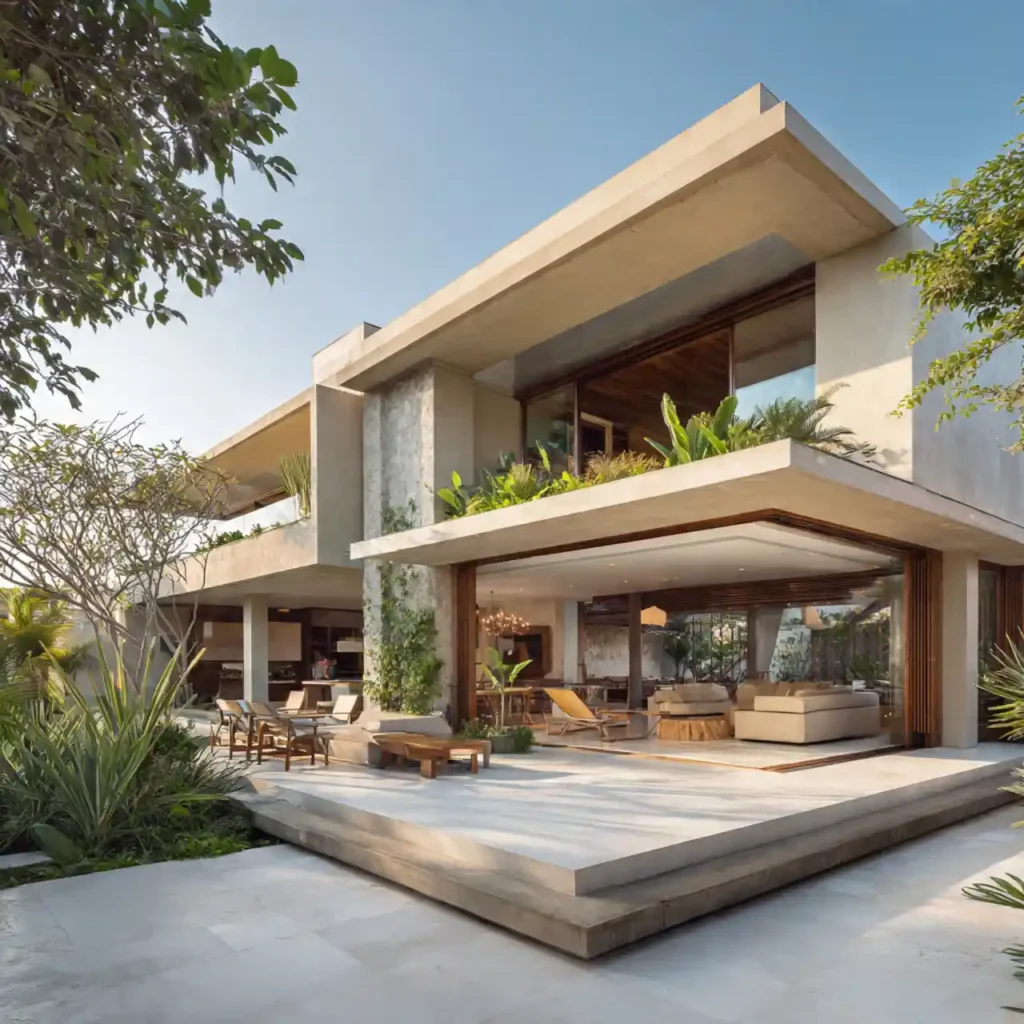
7. Large Overhangs for Climate Control
Deep roof overhangs are a defining feature of Brazilian contemporary homes. They protect interiors from harsh sun and tropical rain. Overhangs create shaded outdoor zones beneath them. Shadows add architectural depth. Function and aesthetics work together seamlessly.

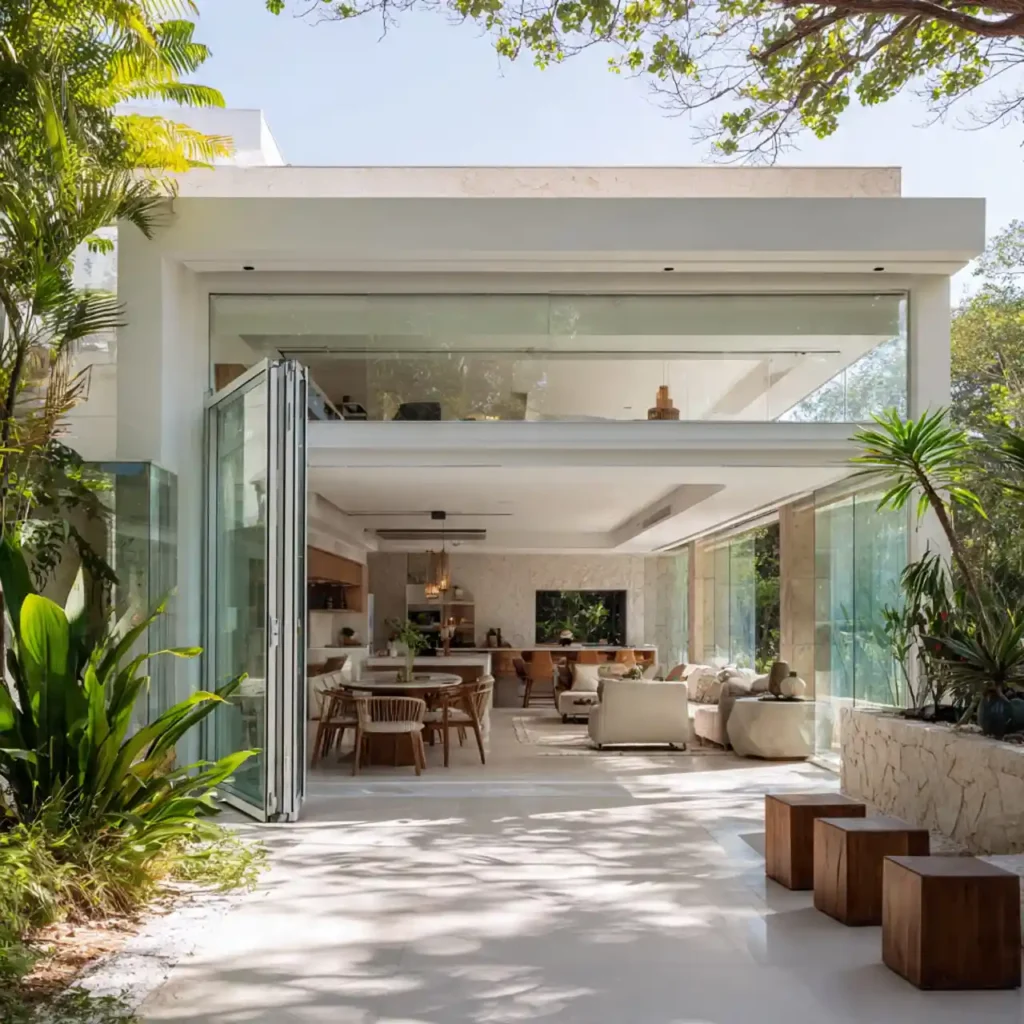
8. Sliding and Folding Wall Systems
Instead of traditional doors, movable wall systems are used extensively. Sliding or folding panels allow entire walls to disappear. Spaces can open or close depending on weather and privacy needs. This flexibility enhances daily living. Architecture adapts to lifestyle rather than restricting it.
9. Natural Materials With Modern Expression
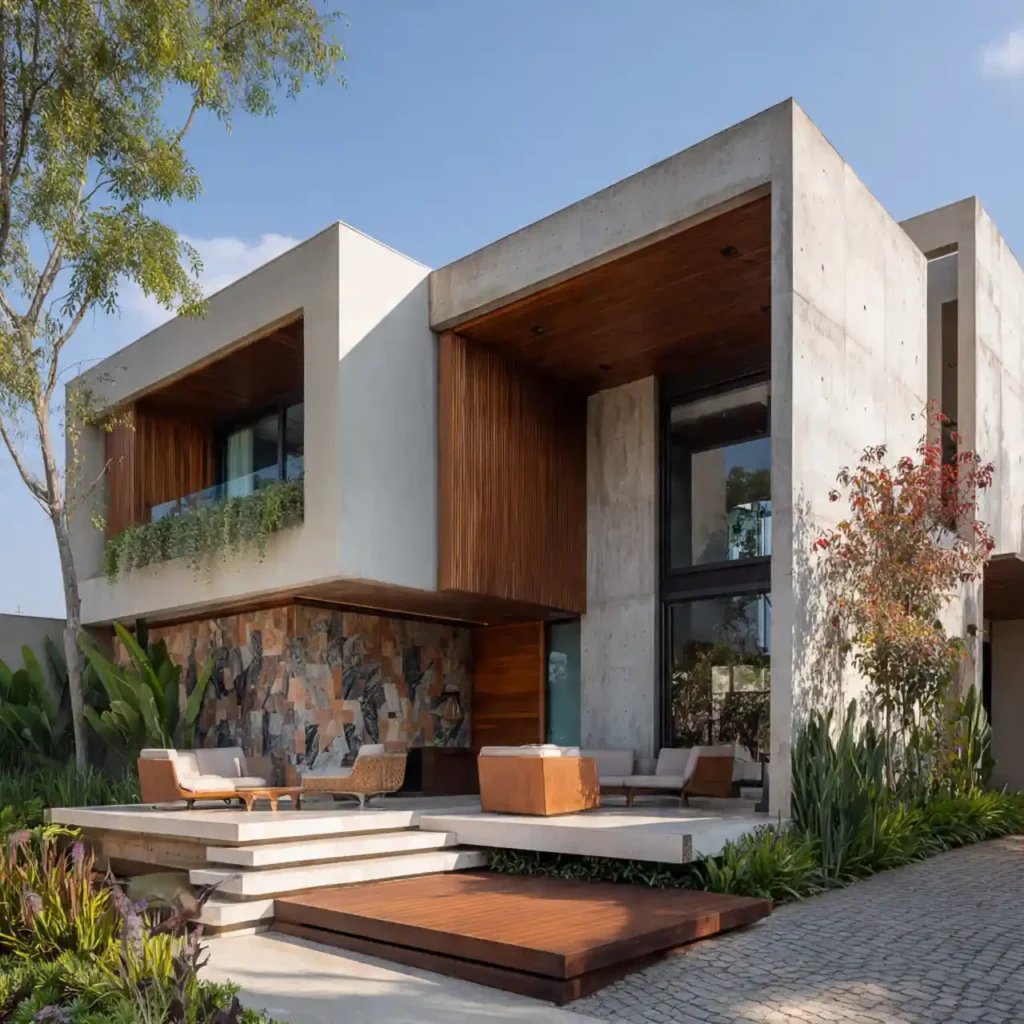
Concrete, wood, and stone are used honestly and visibly. Materials are left exposed to show texture and age naturally. Warm wood balances cool concrete surfaces. This material contrast adds richness without decoration. The exterior feels modern yet grounded.
10. Pool-Centered Exterior Planning
Pools are often positioned directly beside living spaces. Glass walls open toward water features, extending visual depth. The pool becomes part of daily circulation. Reflections enhance light and openness. Water acts as both a visual and climatic element.

11. Horizontal Architecture That Emphasizes Flow
Brazilian contemporary exteriors often stretch horizontally across the site. Long rooflines and linear forms enhance movement. This layout strengthens connections between spaces. The home feels expansive rather than vertical. Flow becomes the dominant architectural language.

12. Minimal Barriers Between Interior and Garden
Instead of fences or walls, subtle transitions define boundaries. Changes in floor level, vegetation, or screens create separation. Visual continuity remains uninterrupted. Privacy is achieved softly. The exterior feels open yet controlled.

13. Outdoor Kitchens and Dining Zones
Cooking and dining extend beyond interior walls. Outdoor kitchens are sheltered yet open. These spaces support Brazil’s social culture. Architecture encourages gathering and interaction. The exterior becomes a social heart of the home.
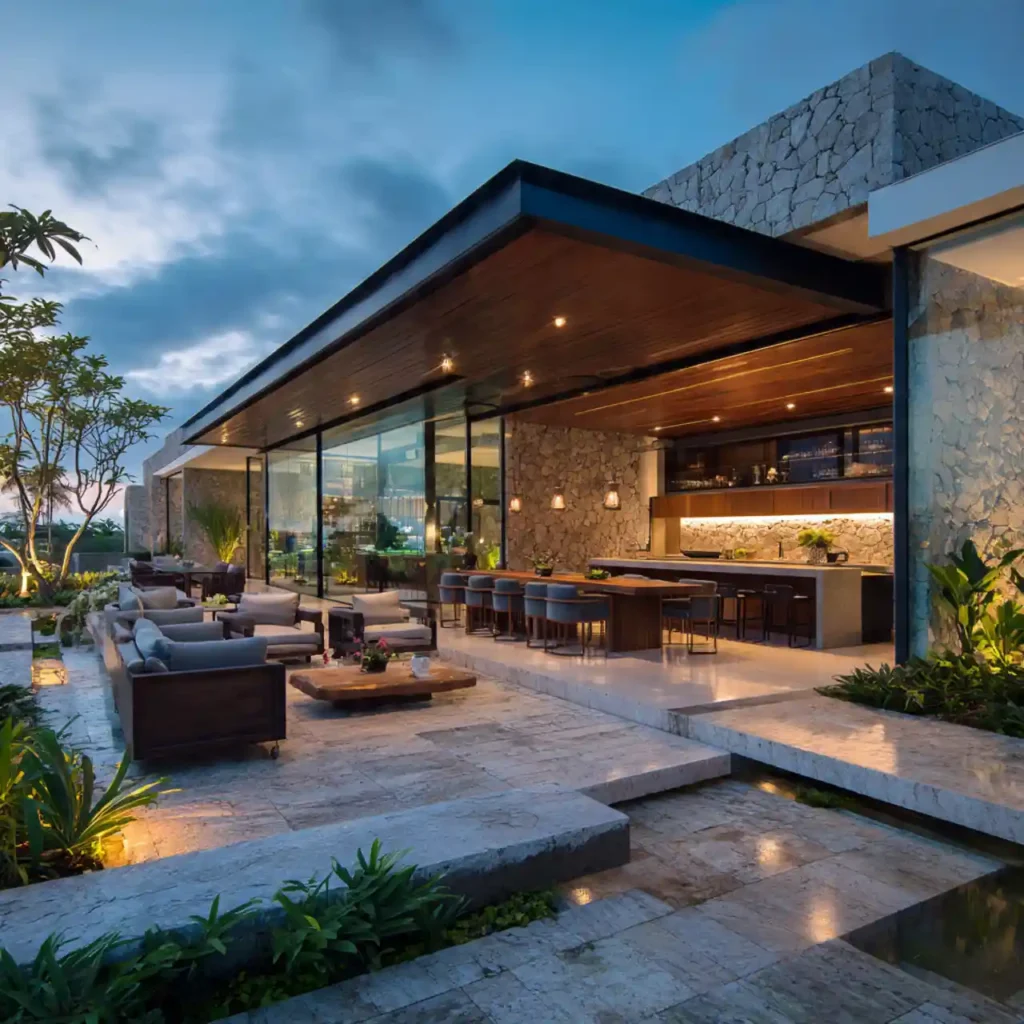
14. Shaded Walkways Connecting Volumes
Separate building volumes are often connected by covered walkways. These paths allow airflow and light while protecting from weather. Movement between spaces becomes an experience. Architecture unfolds gradually. Indoor and outdoor zones merge fluidly.
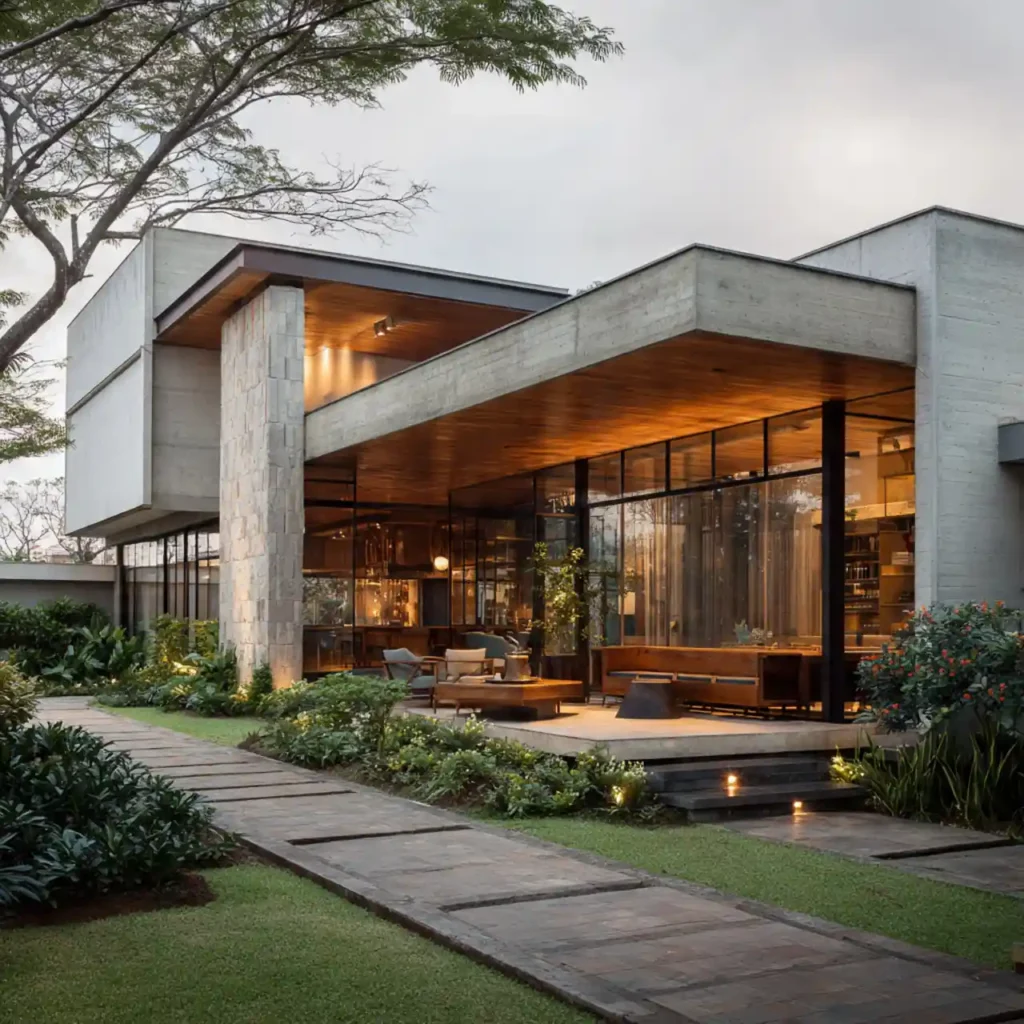
15. Permeable Facades for Light and Air
Screens, louvers, and perforated panels replace solid walls. These elements filter sunlight while maintaining privacy. Air circulates continuously. Facades feel dynamic and alive. The exterior responds directly to climate conditions.
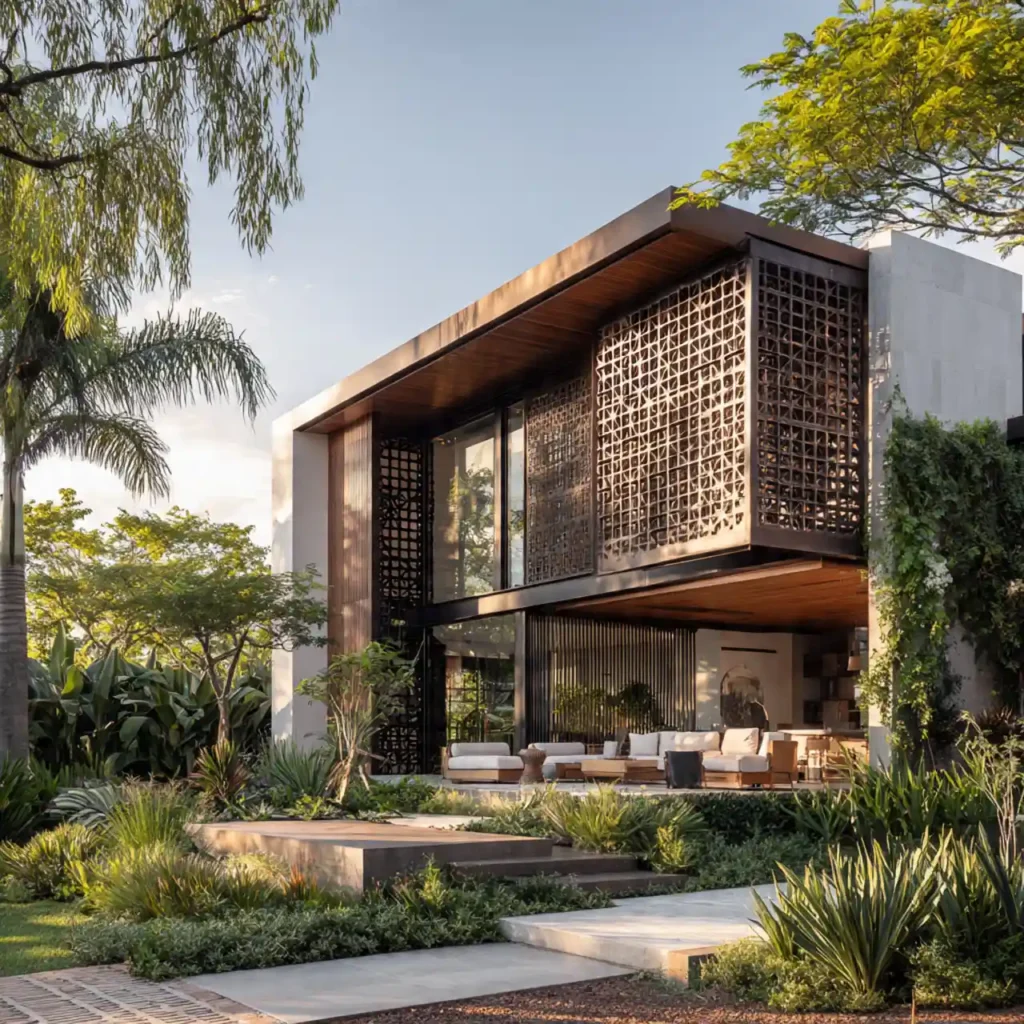
16. Neutral Tones Inspired by Nature
Color palettes remain soft and natural. Concrete greys, sandy beiges, and warm wood tones dominate. These colors reflect heat and blend with surroundings. Visual calm supports openness. The exterior feels timeless rather than trendy.

17. Elevated Living Areas for Cooling
Some Brazilian homes lift living spaces slightly above ground. This allows air to circulate beneath floors. Elevated designs reduce heat buildup. Views improve without sacrificing connection. Architecture works with climate intelligently.
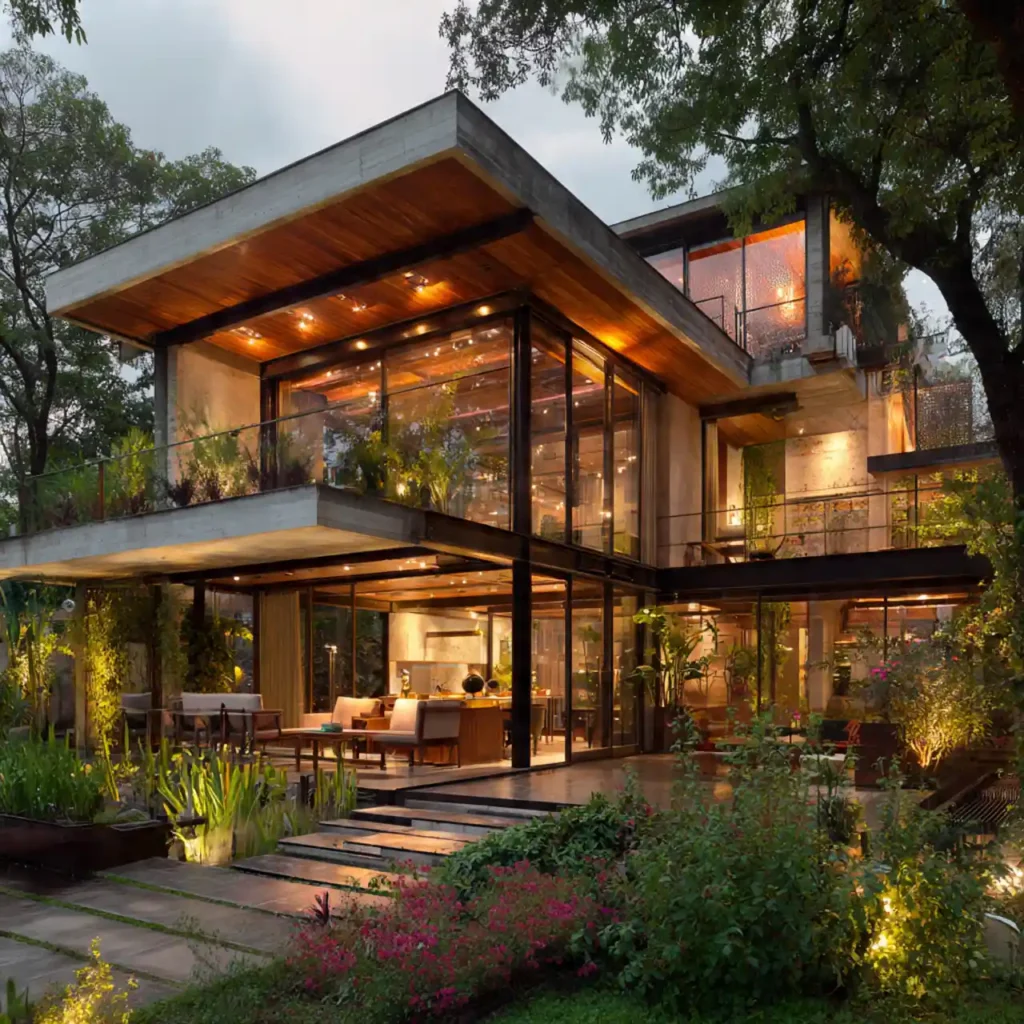
18. Open Staircases That Connect Levels Visually
Staircases are often open and sculptural. They allow light and air to flow vertically. Visual connection between levels is maintained. The exterior form feels lighter. Circulation becomes part of the spatial experience.

19. Flexible Privacy Through Architectural Layers
Instead of permanent walls, layered elements manage privacy. Sliding panels, curtains, and screens adjust as needed. Spaces transform throughout the day. Privacy never blocks airflow. Flexibility defines comfort.

20. Overall Sense of Relaxed Modern Living
Brazilian contemporary exteriors prioritize lifestyle over formality. Spaces feel relaxed, open, and deeply connected to nature. Architecture supports social interaction and comfort. Indoor and outdoor areas feel inseparable. The result is a home designed for effortless living.
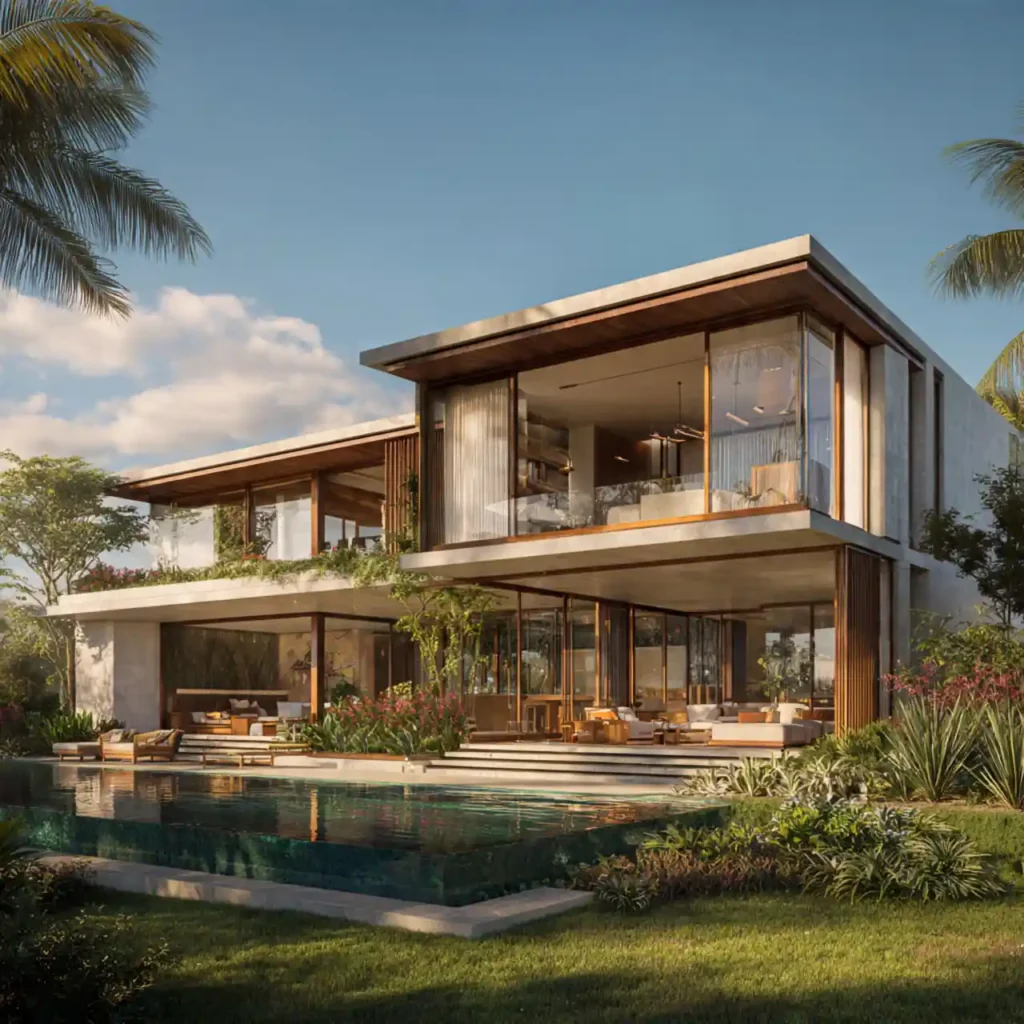
Final Thoughts: Brazilian Contemporary Home Exterior Ideas
Brazilian contemporary home exteriors redefine modern living by embracing openness, climate responsiveness, and natural integration. These Brazilian Contemporary Home Exterior Ideas dissolve traditional boundaries, allowing homes to breathe and adapt. Indoor & outdoor flow is not a feature but a philosophy rooted in lifestyle and environment.
Through thoughtful planning, natural materials, and flexible spaces, Brazilian architecture creates homes that feel alive. This approach offers timeless inspiration for anyone seeking harmony between design and nature.