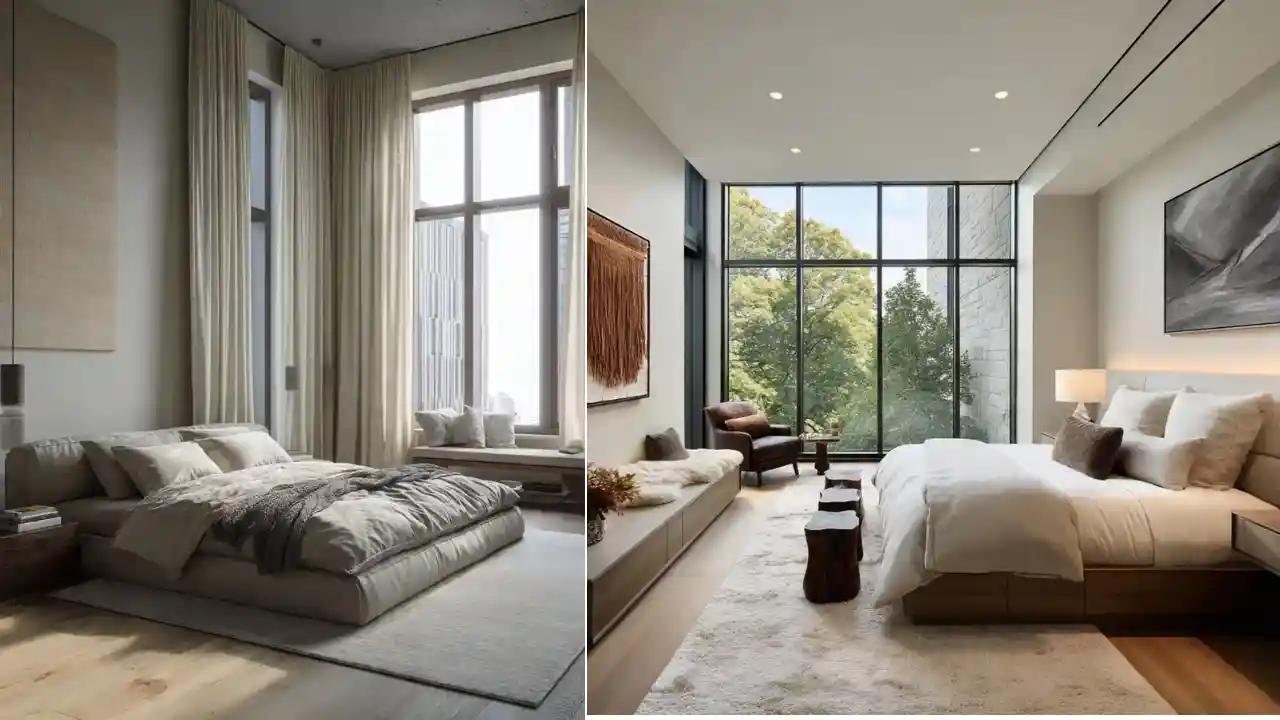
30 Bedroom Design Ideas Focused on Spatial Harmony & Balance
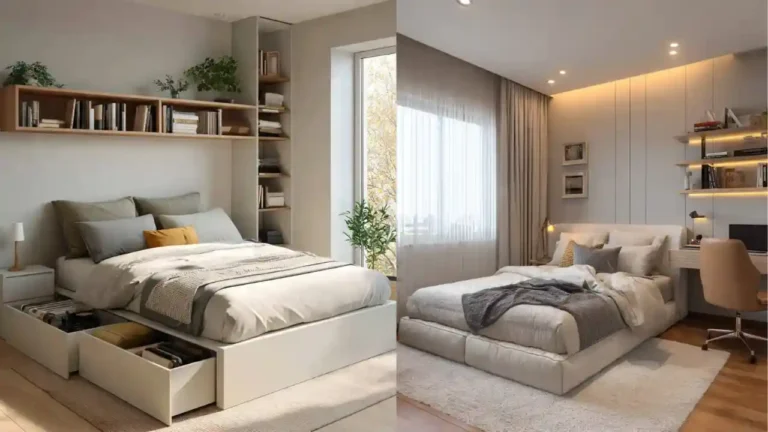
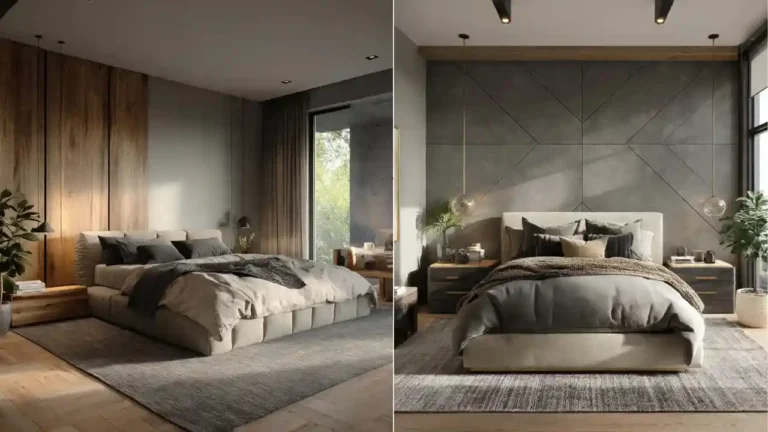
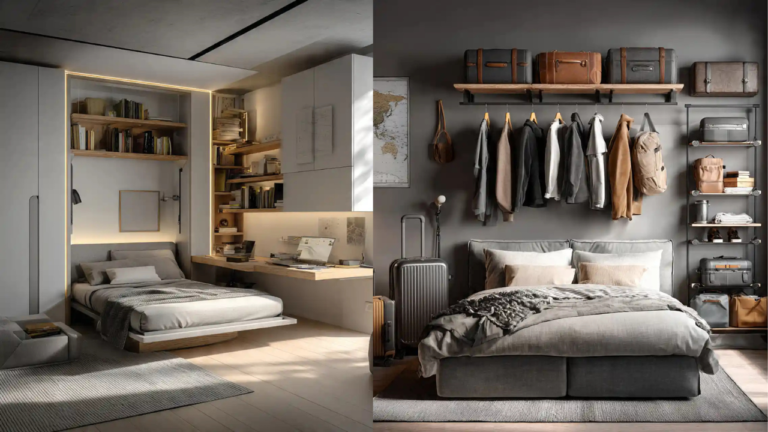
Creating a bedroom that feels harmonious requires careful attention to space, balance, and flow. A well-planned spatial framework ensures that each element from the bed to storage, lighting, and décor works together seamlessly. When proportion, alignment, and visual flow are considered, a bedroom becomes not only aesthetically pleasing but also deeply calming and functional.
Spatial harmony reduces visual chaos, encourages relaxation, and enhances daily living. In this blog, we explore 30 bedroom design ideas focused on Spatial Harmony by The Home Vista that optimize spatial harmony while delivering elegance, comfort, and timeless appeal.
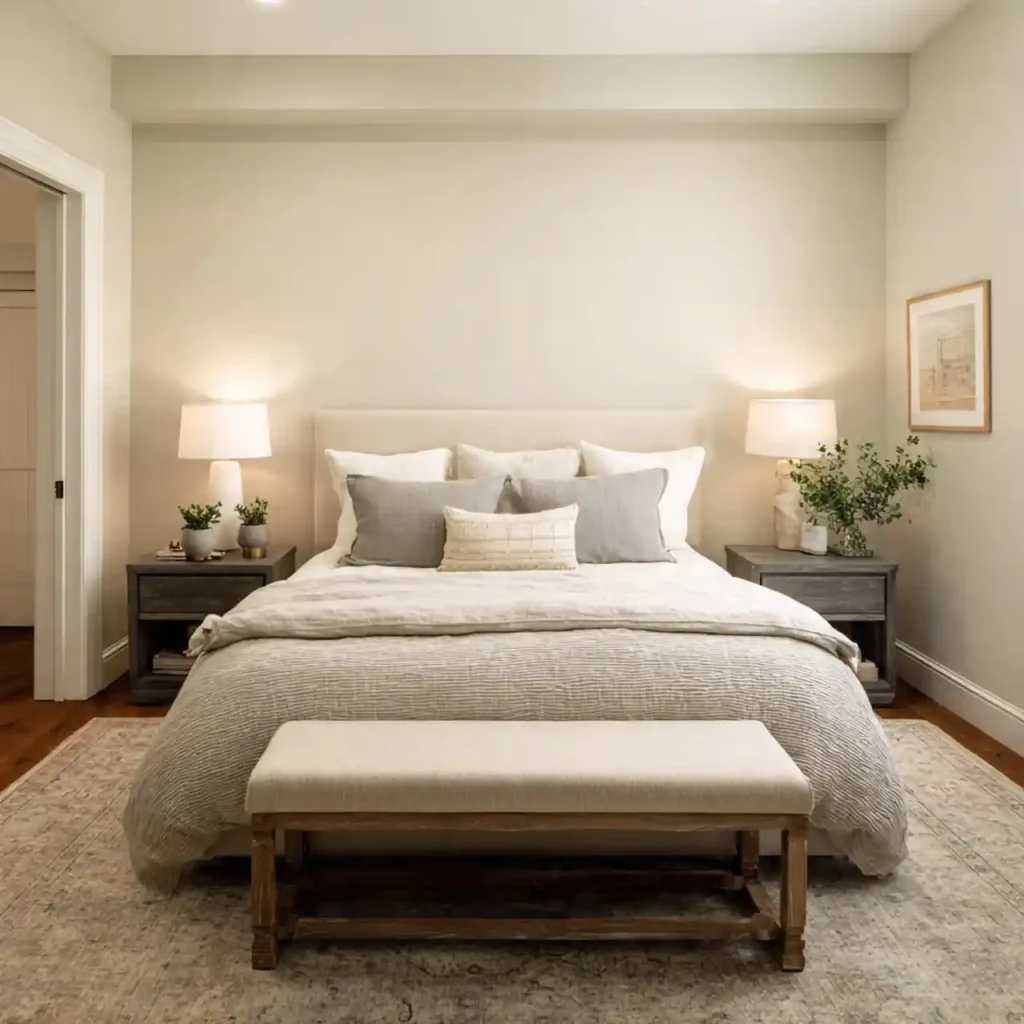
1. Centralized Bed Placement
Placing the bed centrally along the main wall immediately establishes a strong focal point. Symmetry can be achieved by flanking the bed with nightstands and matching lamps. This framework creates a natural flow around the room and emphasizes proportional balance. The central placement also encourages free movement on both sides of the bed. Overall, the space feels organized, visually balanced, and calm.
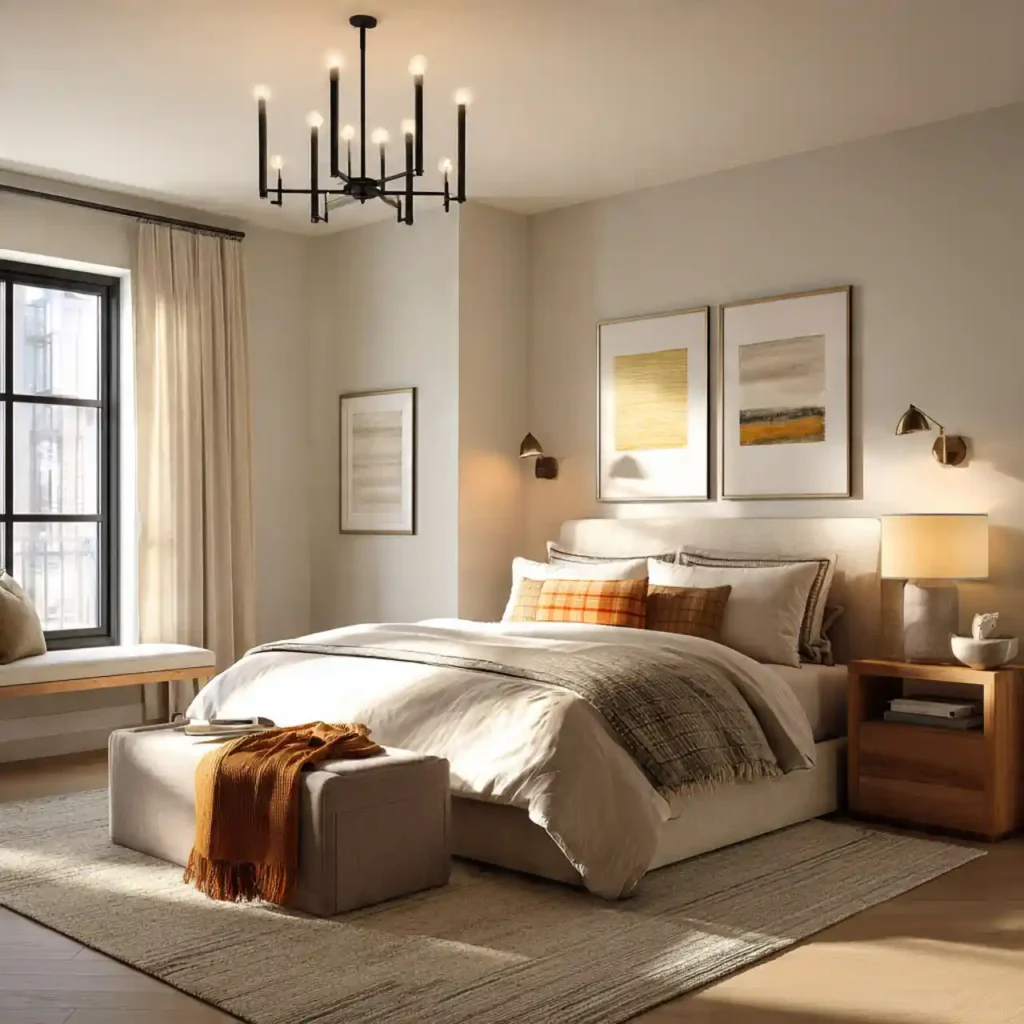
2. Layered Lighting Plan
Incorporating multiple layers of lighting from overhead chandeliers to bedside lamps and accent lights enhances spatial harmony. Each layer highlights specific areas and creates depth, avoiding flat and lifeless spaces. Warm, diffused light softens edges and contributes to an inviting atmosphere. Proper layering also improves functionality for reading, relaxing, or working. This thoughtful approach keeps the room cohesive while maintaining visual interest.
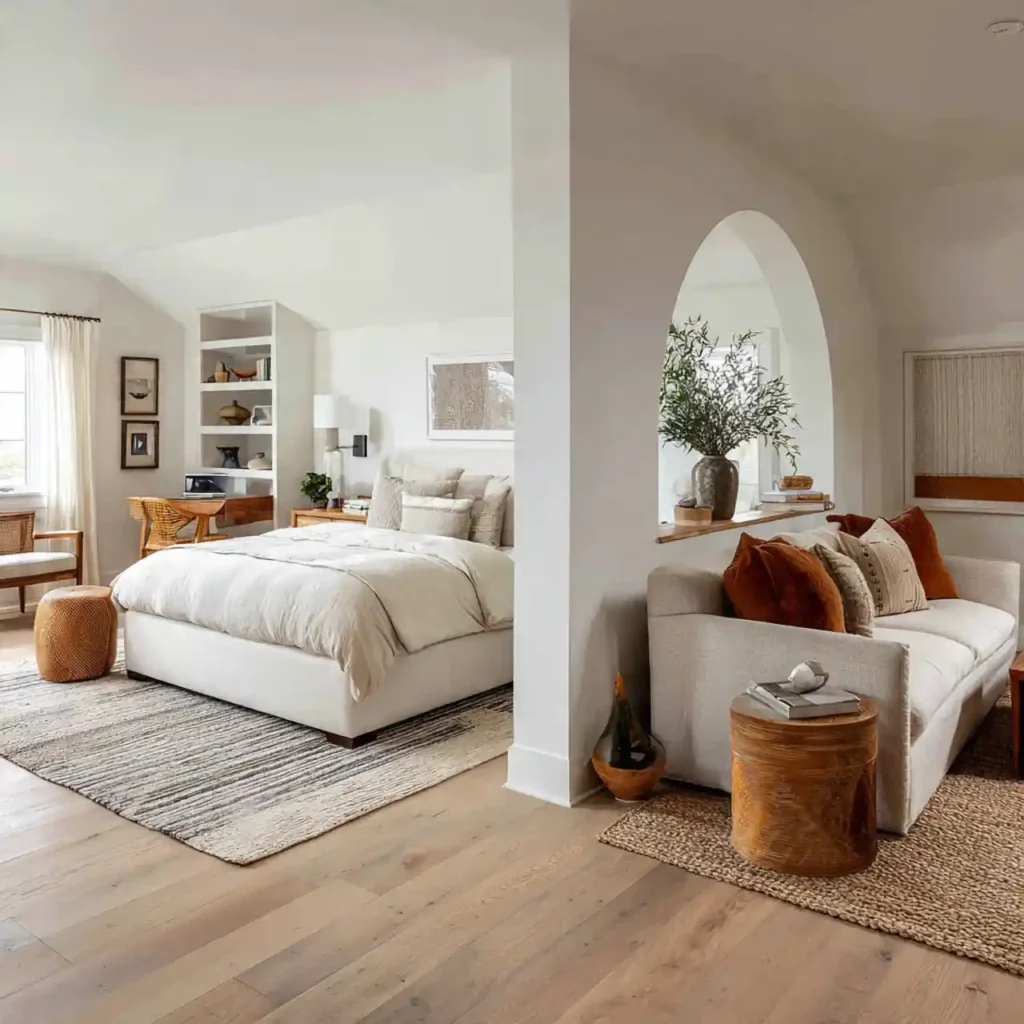
3. Defined Zones for Function
Separating sleeping, reading, and dressing areas within a bedroom ensures each activity has its space without crowding. Rugs, partitions, or furniture arrangements can subtly indicate these zones. Clear delineation prevents clutter from accumulating and enhances the feeling of calm. Functional zoning also supports natural movement throughout the room. This framework promotes a serene and purposeful spatial organization.
4. Balanced Furniture Proportions
Using furniture that is proportionate to the room size is key for spatial harmony. Oversized pieces can overwhelm, while undersized items may feel disconnected. Balanced proportions create a sense of visual stability and comfort. Maintaining consistent scale between seating, storage, and tables fosters unity. Each piece feels intentionally placed, contributing to overall room coherence.
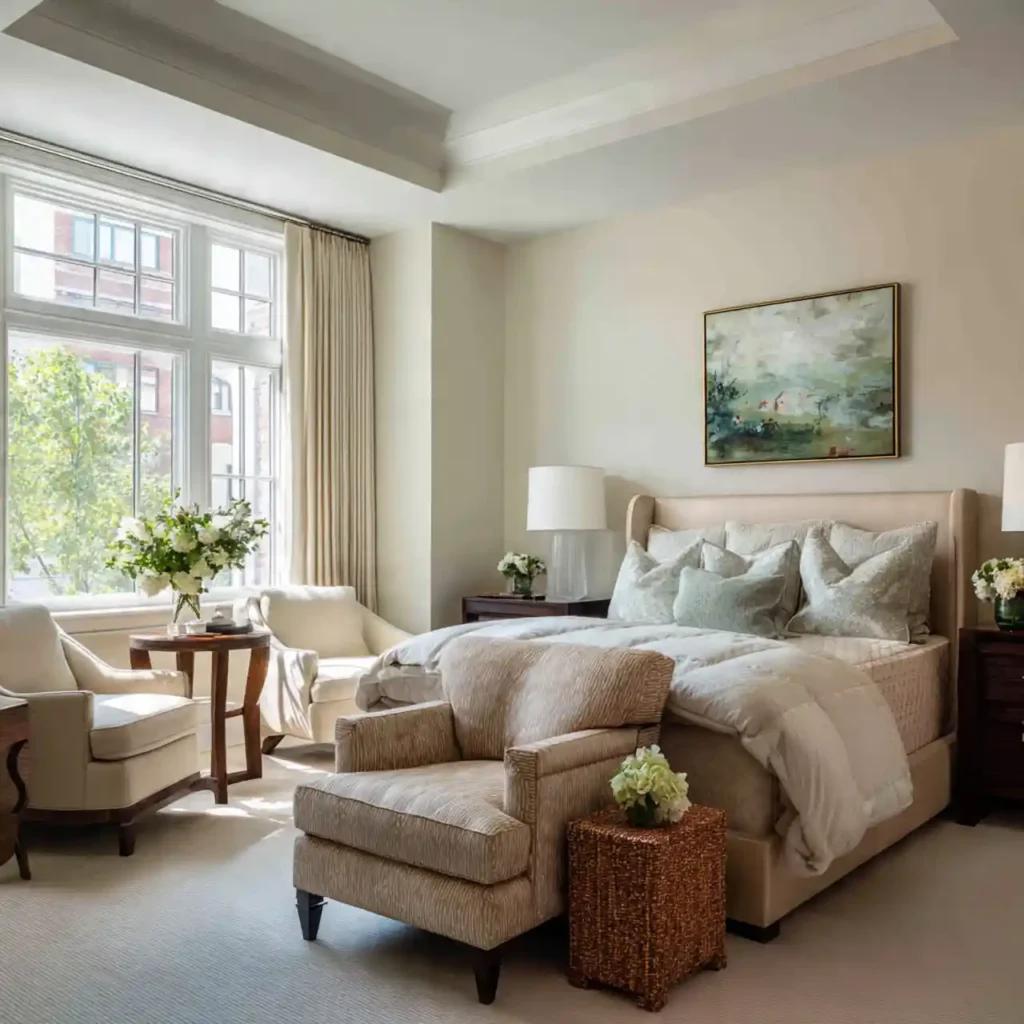
5. Flow-Oriented Walkways
Ensuring clear, unobstructed pathways enhances movement and spatial harmony. Walkways connecting the entrance, bed, and seating areas help the eye travel naturally across the room. This framework reduces visual tension and creates an effortless sense of order. Materials like rugs or floor patterns can subtly guide the path. Smooth circulation encourages both physical and psychological comfort.
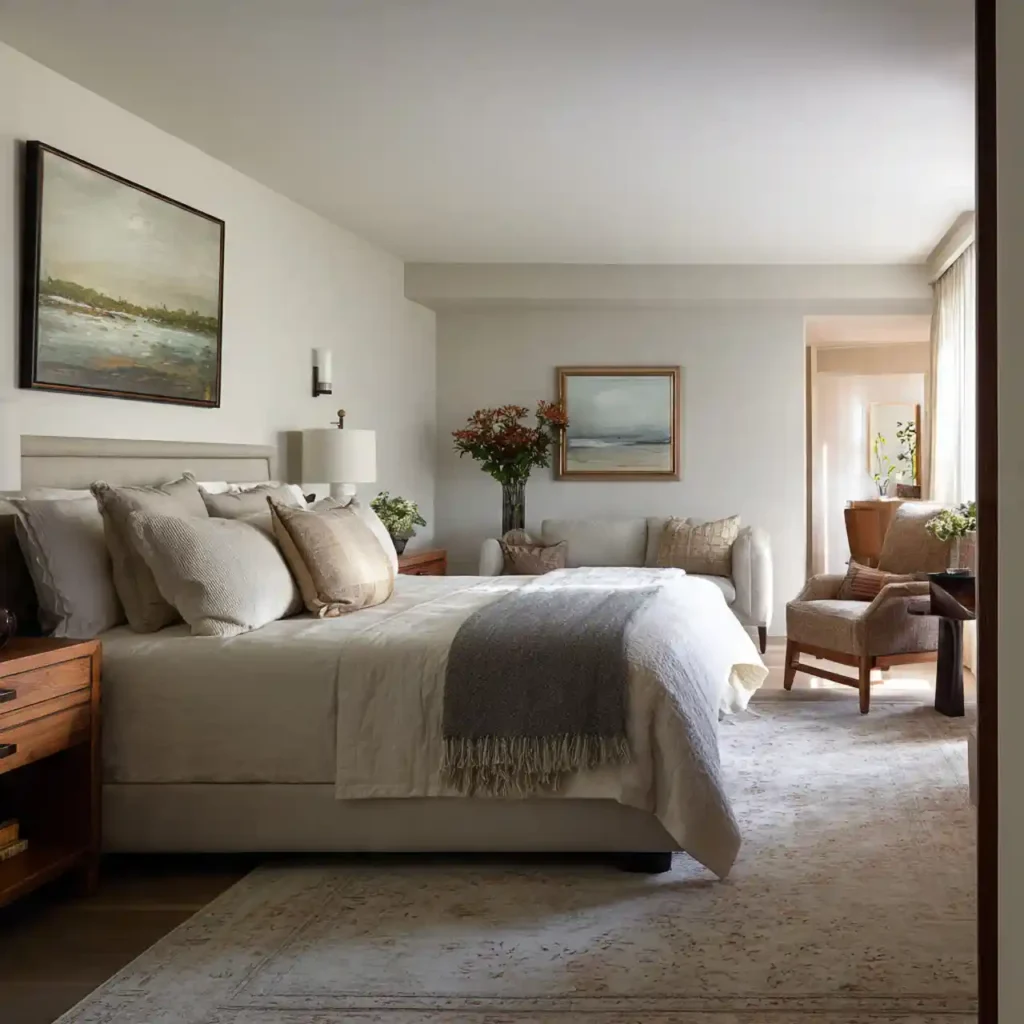
6. Symmetrical Decor Elements
Mirrors, artwork, and decorative items placed symmetrically reinforce balance in the bedroom. Symmetry immediately provides a sense of order, calming the eye and mind. It also supports the architecture of the space by visually framing the bed or windows. Careful repetition of shapes, colors, and textures strengthens cohesion. Symmetrical decor enhances harmony without feeling rigid.
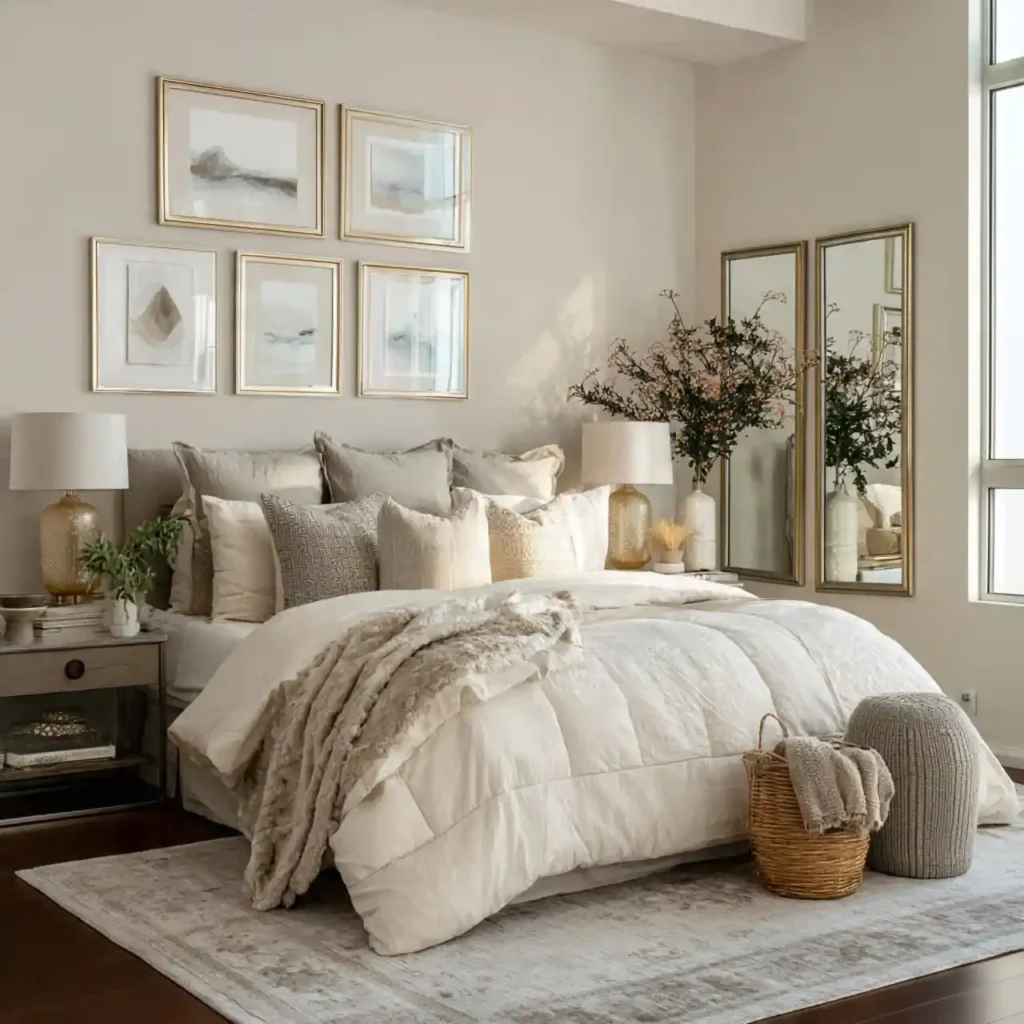
7. Strategic Window Treatments
Curtains and blinds should enhance natural light while maintaining privacy. Floor-to-ceiling treatments add vertical proportion and make the room feel taller. Layering sheer fabrics with heavier curtains creates depth and softness. Properly designed window treatments anchor the room’s visual composition. This thoughtful approach promotes both comfort and aesthetic balance.
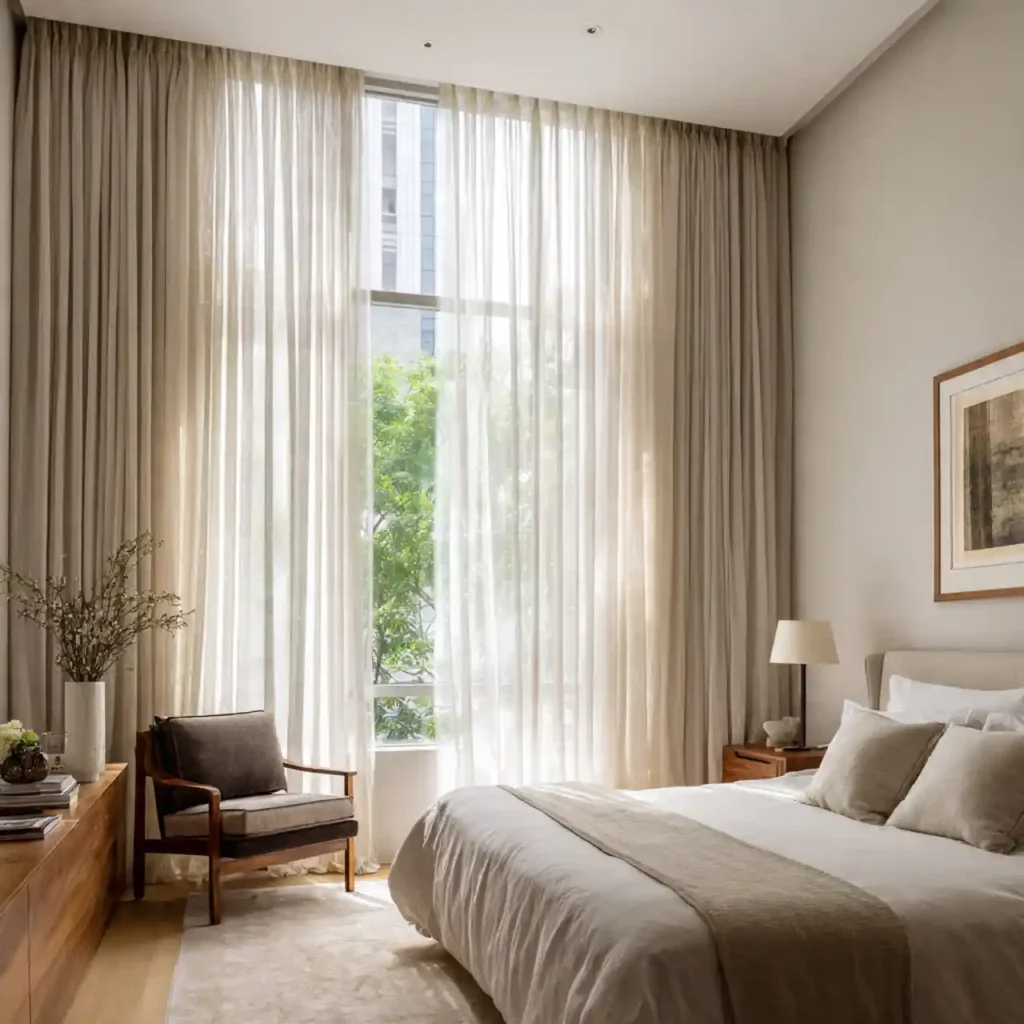
8. Textural Harmony
Mixing materials like wood, linen, cotton, and stone in a consistent tonal palette reinforces spatial unity. Textures can define zones without adding visual clutter. For example, a soft rug under the bed complements wooden floors and fabric upholstery. The tactile variety creates interest while maintaining calm. Harmonized textures ensure every surface contributes to the overall design cohesion.
9. Ceiling Height Consideration
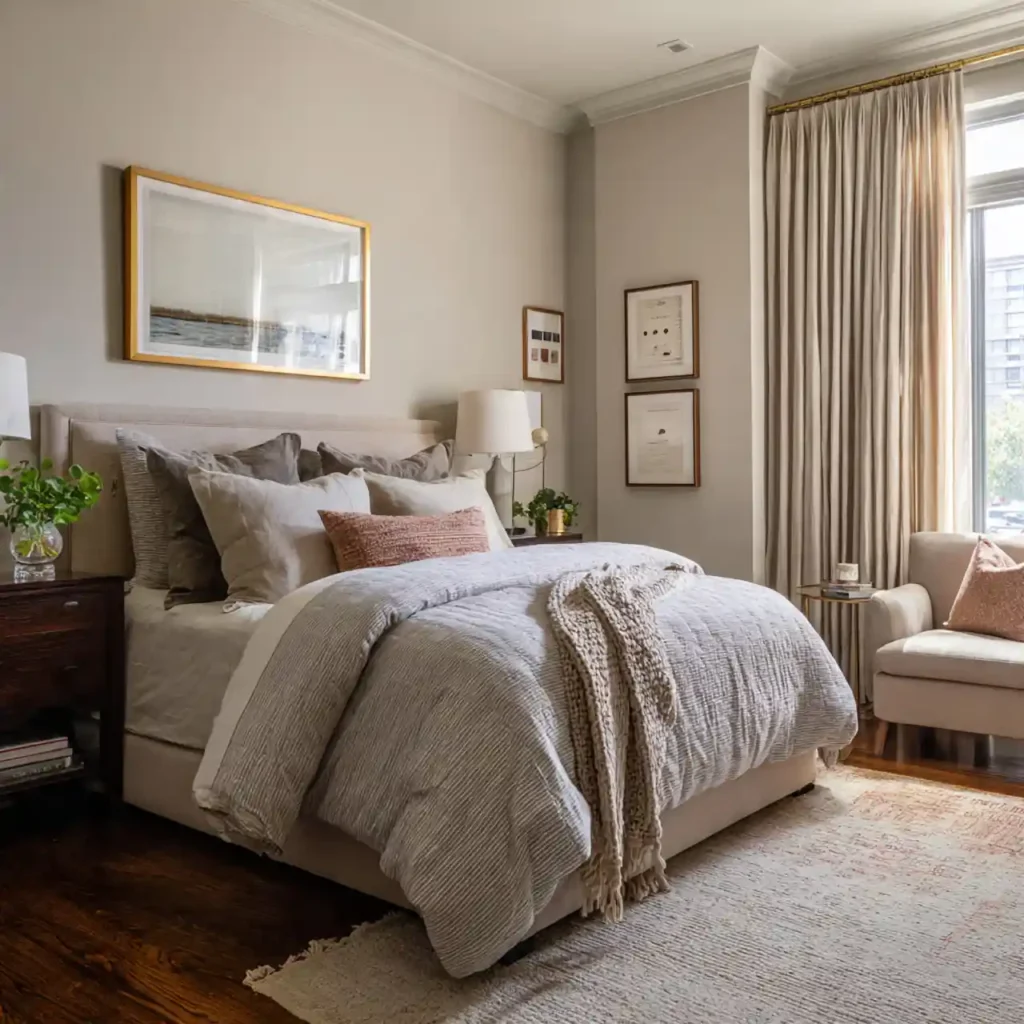
High or vaulted ceilings should be highlighted rather than ignored. Using beams, crown molding, or subtle color contrasts draws the eye upward. Proper treatment of ceiling space adds proportion to large rooms and prevents feeling too sparse. Hanging light fixtures or pendant lamps can balance vertical space. Thoughtful ceiling design integrates with the rest of the spatial framework to enhance harmony.
10. Functional Bedside Surfaces
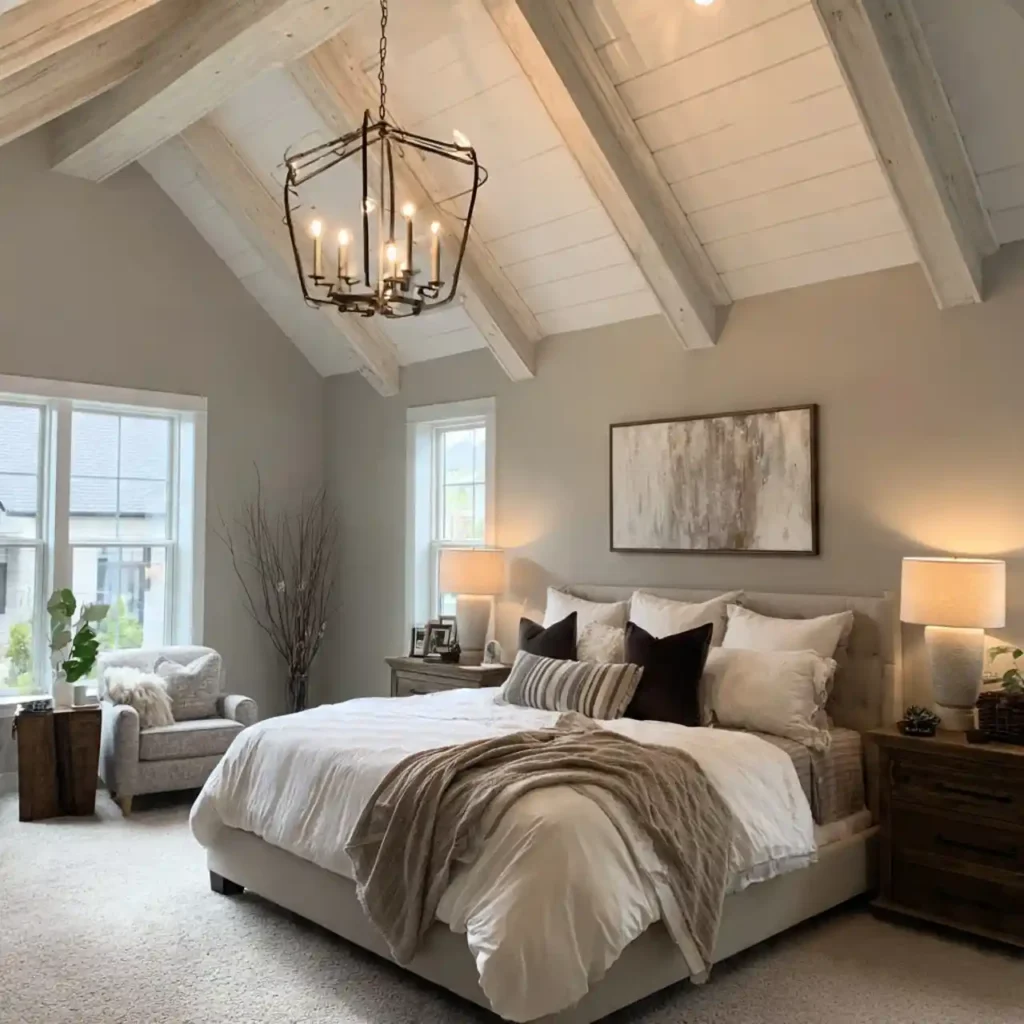
Nightstands should support essential items without overcrowding the area. Proportional design ensures that bedside surfaces are practical but visually aligned with the bed. Matching or complementary materials maintain a sense of unity. Clutter-free surfaces improve both visual balance and daily usability. This approach ensures that practical needs do not disrupt harmony.
11. Cohesive Color Palette
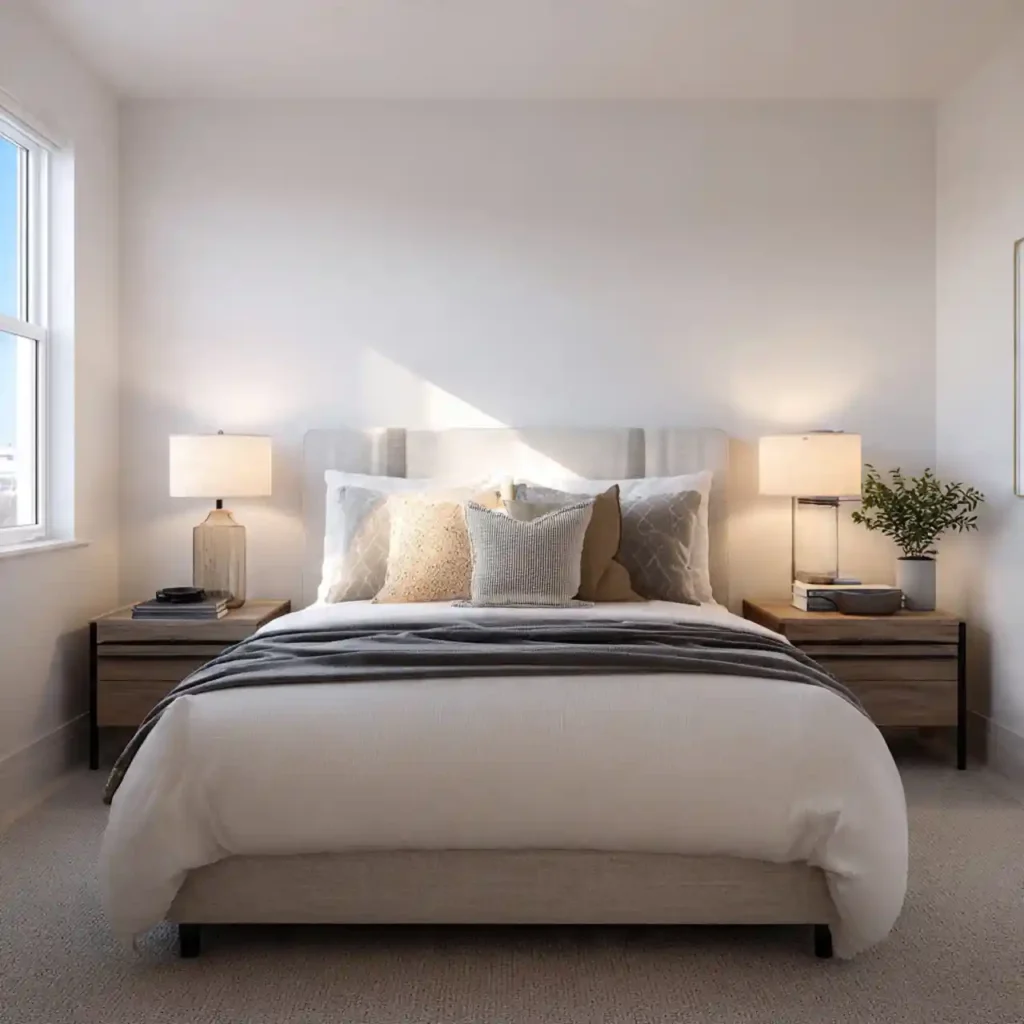
Choosing colors that flow naturally from walls to furniture and accents strengthens spatial coherence. Muted tones, complementary shades, or monochrome schemes prevent visual fragmentation. Consistent colors across textiles, décor, and artwork unify separate elements. Harmonious color distribution reduces visual noise and supports tranquility. A cohesive palette is fundamental to creating a serene bedroom framework.

12. Minimalist Furniture Arrangement
Prioritizing only essential furniture pieces preserves openness. Minimalist layouts prevent overcrowding and ensure each piece has a clear role. Strategic placement enhances natural light flow and visual breathing room. Clean, uncluttered spaces inherently feel more balanced. This framework reinforces calm through simplicity and thoughtful proportion.

13. Visual Anchoring with Rugs
Area rugs can anchor furniture groupings, defining spaces within larger bedrooms. Placement under the bed or seating zones creates a natural focal area. Patterned or textured rugs can subtly divide areas without harsh separation. Properly sized rugs ensure the composition feels intentional. Anchoring visually strengthens harmony and spatial clarity.

14. Harmonized Storage Solutions
Built-in cabinets or wardrobes should follow the room’s proportions. Flush designs prevent visual interruption and maintain balance. Storage that aligns with wall lines reduces clutter and supports clean spatial flow. Subtle handles or minimal hardware contribute to cohesive aesthetics. Well-integrated storage reinforces a calm and organized environment.

15. Art Placement with Intent
Artwork should complement scale, color, and proportion of furniture and walls. Centering pieces above the bed or seating areas guides visual flow. Framing, matting, and spacing must be deliberate to prevent visual imbalance. Grouped compositions can enhance symmetry or rhythm in the space. Thoughtful art placement strengthens spatial coherence.
16. Layered Bedding with Calm Tones
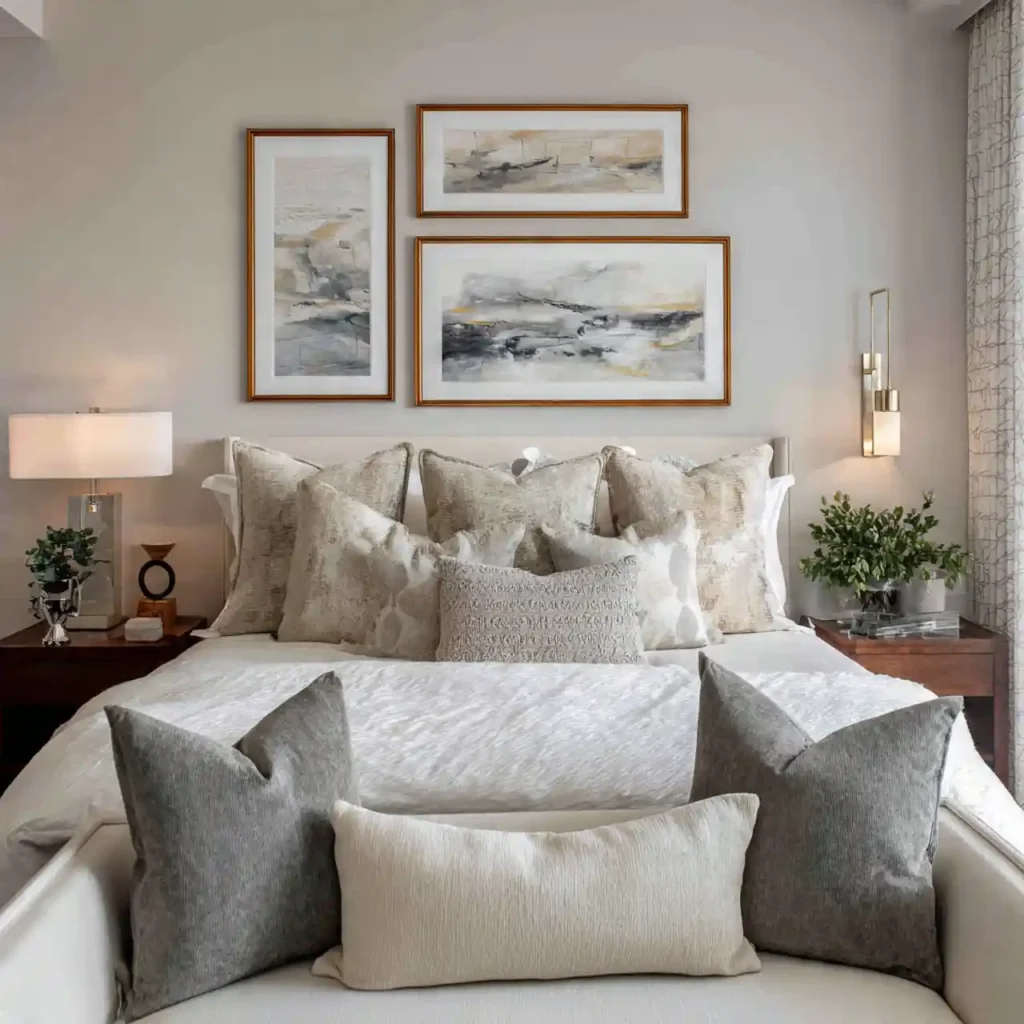
Bed linens, throws, and pillows should blend textures and tones without creating visual noise. Neutral and muted shades support a soothing atmosphere. Layering fabrics adds depth while maintaining simplicity. Proper alignment of cushions and throws enhances proportional balance. This technique reinforces spatial harmony and comfort.

17. Clear Sightlines
Furniture should be arranged to maintain unobstructed sightlines across the room. Visual flow from door to bed to windows contributes to a sense of openness. Sightline clarity prevents feelings of confinement or chaos. Using low-profile furniture supports unbroken lines. Smooth sightlines enhance spatial awareness and calm.

18. Accent Corners
Designated corners with chairs, plants, or lighting fixtures provide visual interest without cluttering central areas. Balanced placement ensures corners complement rather than dominate the room. These elements support symmetry and proportionality. Accent corners encourage cozy functionality while enhancing the overall composition. They subtly enrich the bedroom framework.

19. Consistent Repetition of Shapes
Repeating circular, rectangular, or geometric motifs creates rhythm and continuity. Shapes can be mirrored in furniture, mirrors, or decor accents. This repetition guides the eye naturally across the room. Consistency in forms enhances spatial coherence. Thoughtful design repetition strengthens calm and proportional integrity.
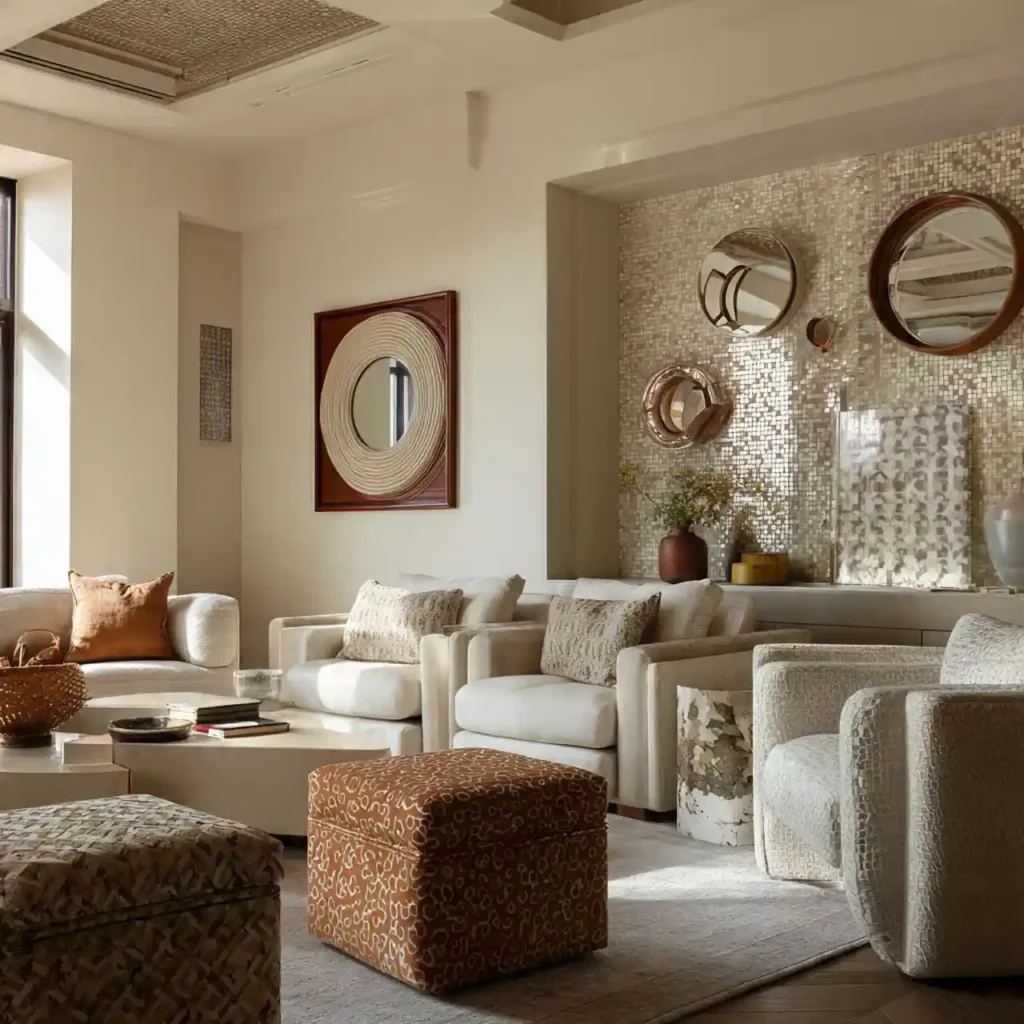
20. Balanced Vertical and Horizontal Elements
Mixing vertical lines (like floor-to-ceiling curtains) with horizontal lines (like low beds and benches) balances height and depth. This interplay prevents visual monotony. Maintaining proportional ratios ensures neither dominates. Properly scaled elements harmonize movement and rest areas. Balanced vertical-horizontal relationships contribute to a cohesive and serene room.
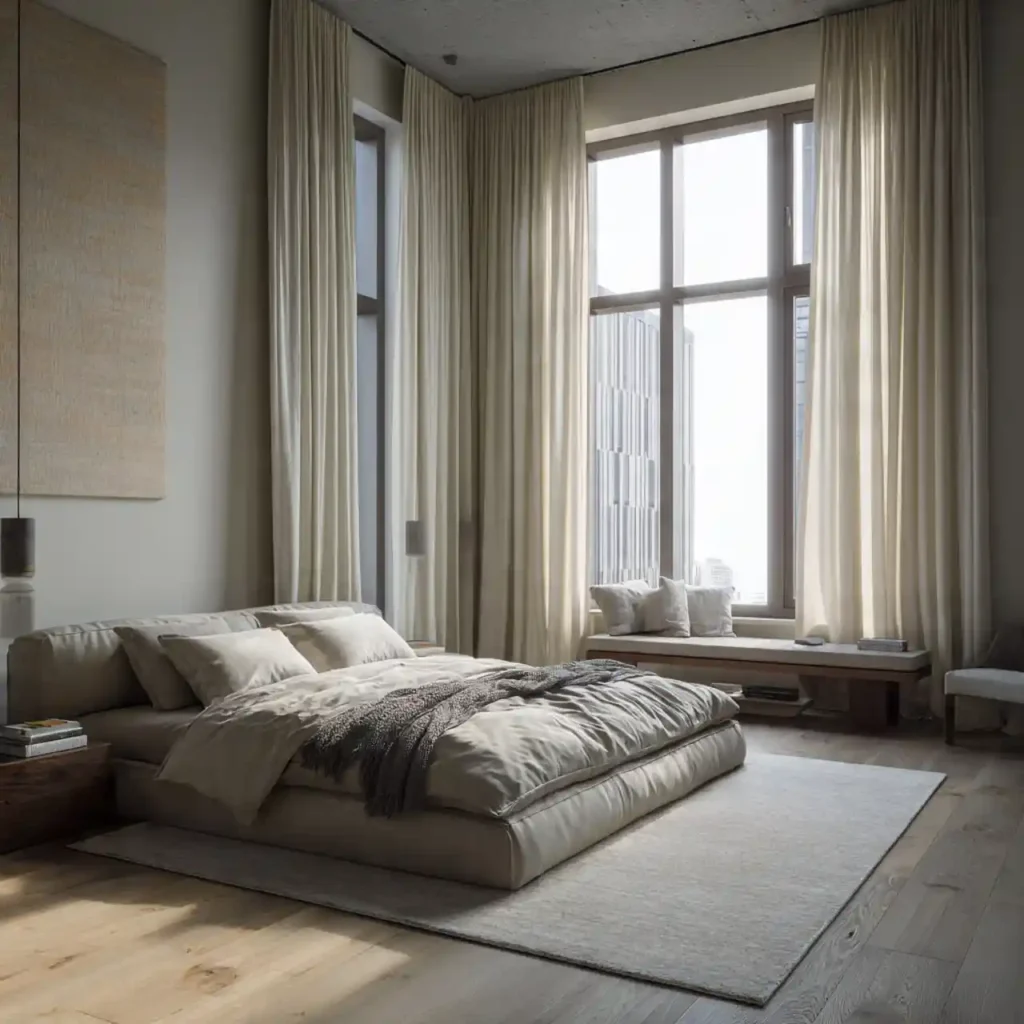
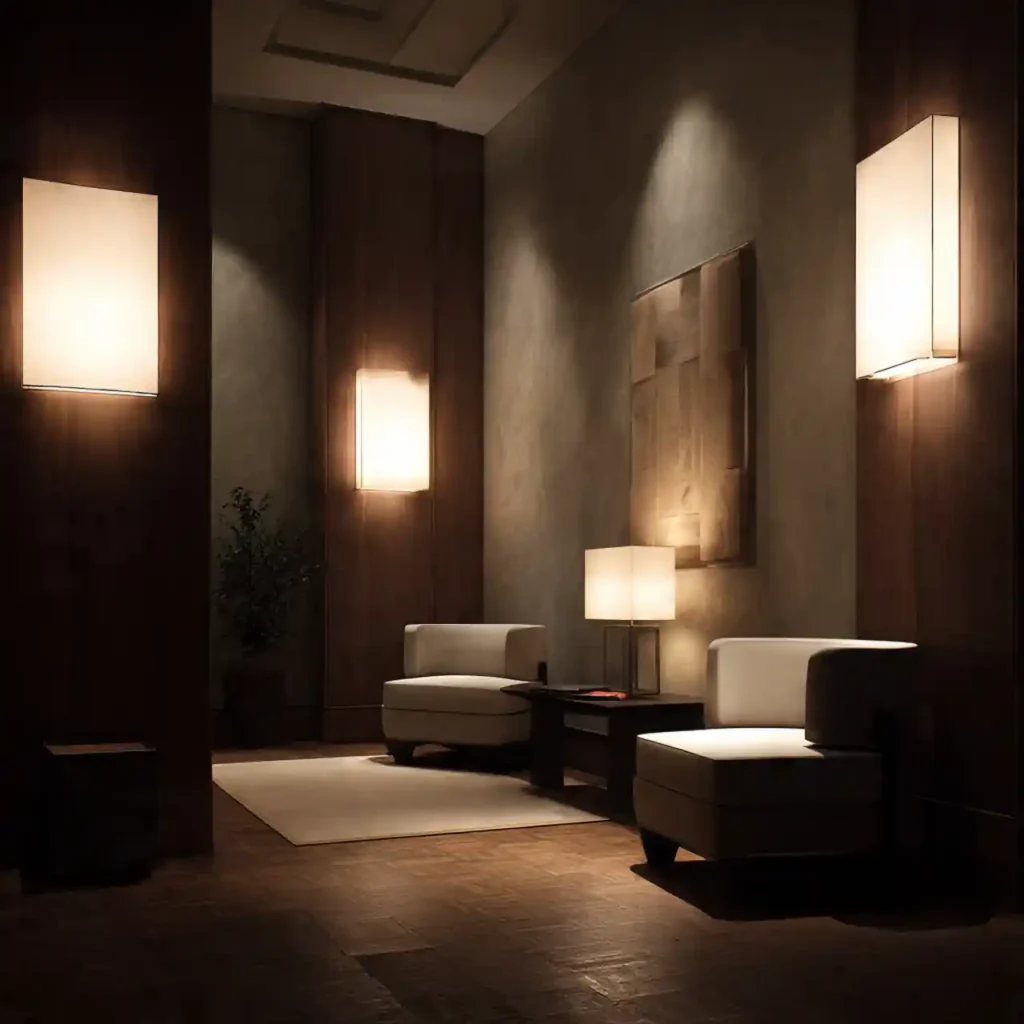
21. Thoughtful Corner Lighting
Placing lamps or sconces in corners adds warmth and depth without overpowering the composition. Corner lighting highlights architecture and textures. Proportionate fixtures prevent awkward visual weight. Balanced lighting encourages calm and harmony. Subtle illumination enhances the spatial framework effectively.
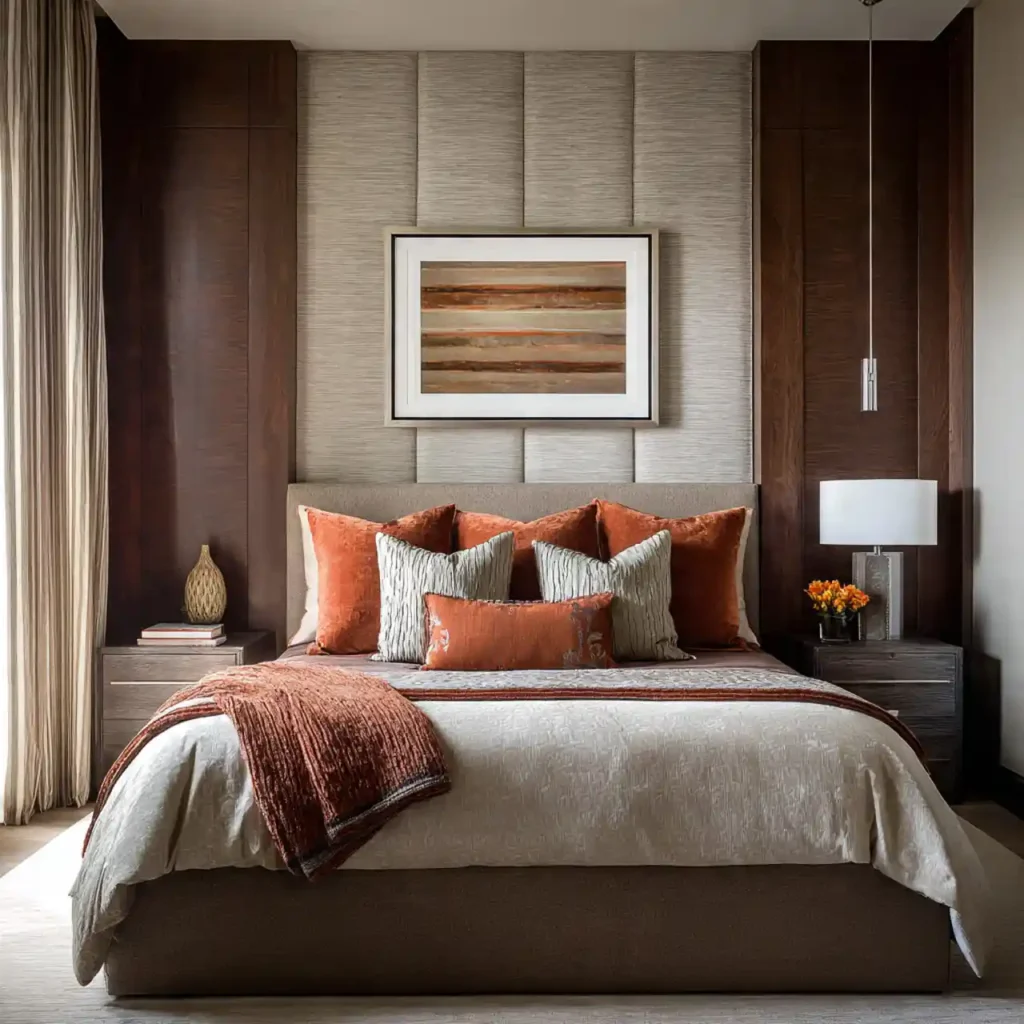
22. Integrated Headboard Designs
Headboards that align with wall treatments or extend proportionally to bed width unify the sleeping area. Materials and color should complement surrounding furniture. Integrated design reduces fragmentation in the visual plane. Proper sizing reinforces balance in scale and proportion. This creates a focal point while supporting overall harmony.
23. Multi-Functional Furniture Placement
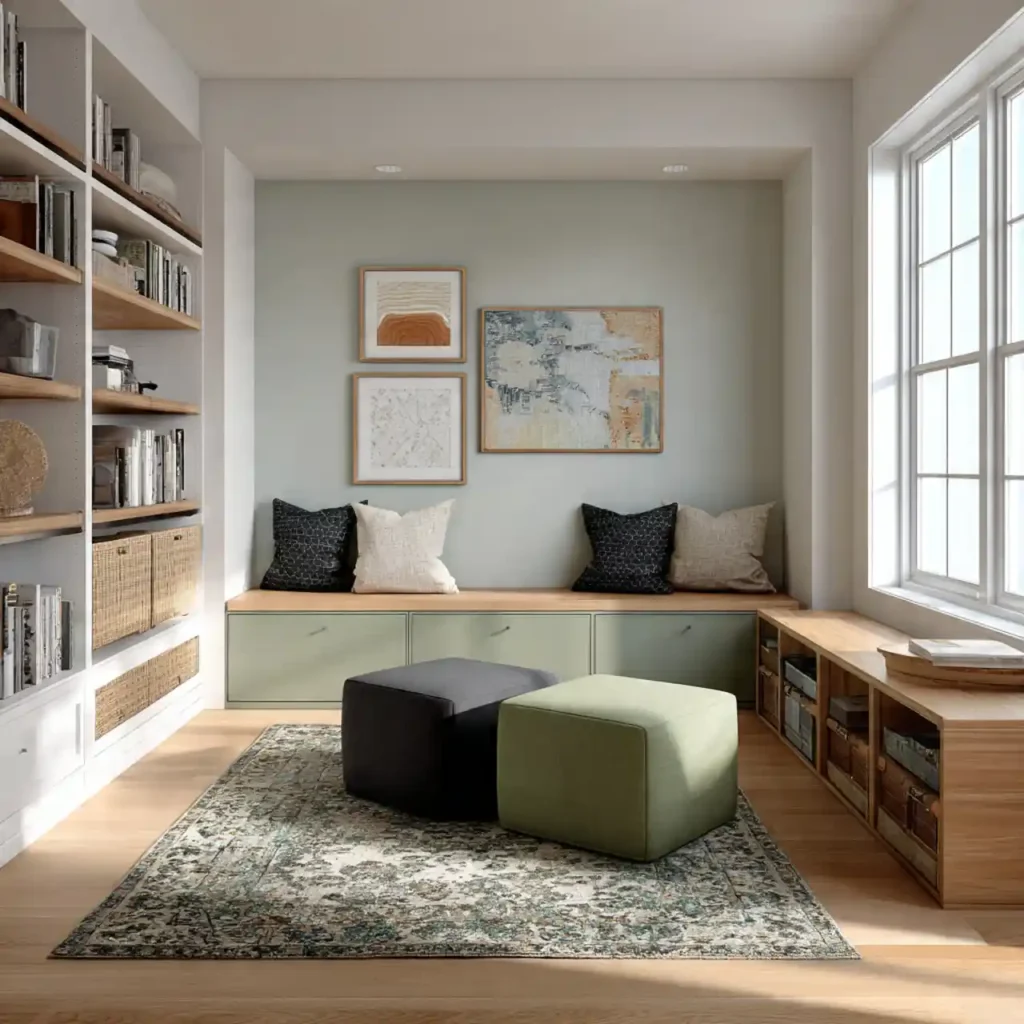
Using ottomans, benches, or storage that serve dual purposes reduces clutter. Placement should support visual balance while remaining practical. Proportional design ensures these pieces complement rather than compete. Multi-functional items maintain spatial flow and efficiency. Functional elegance reinforces a harmonious bedroom layout.
24. Layered Window Treatments
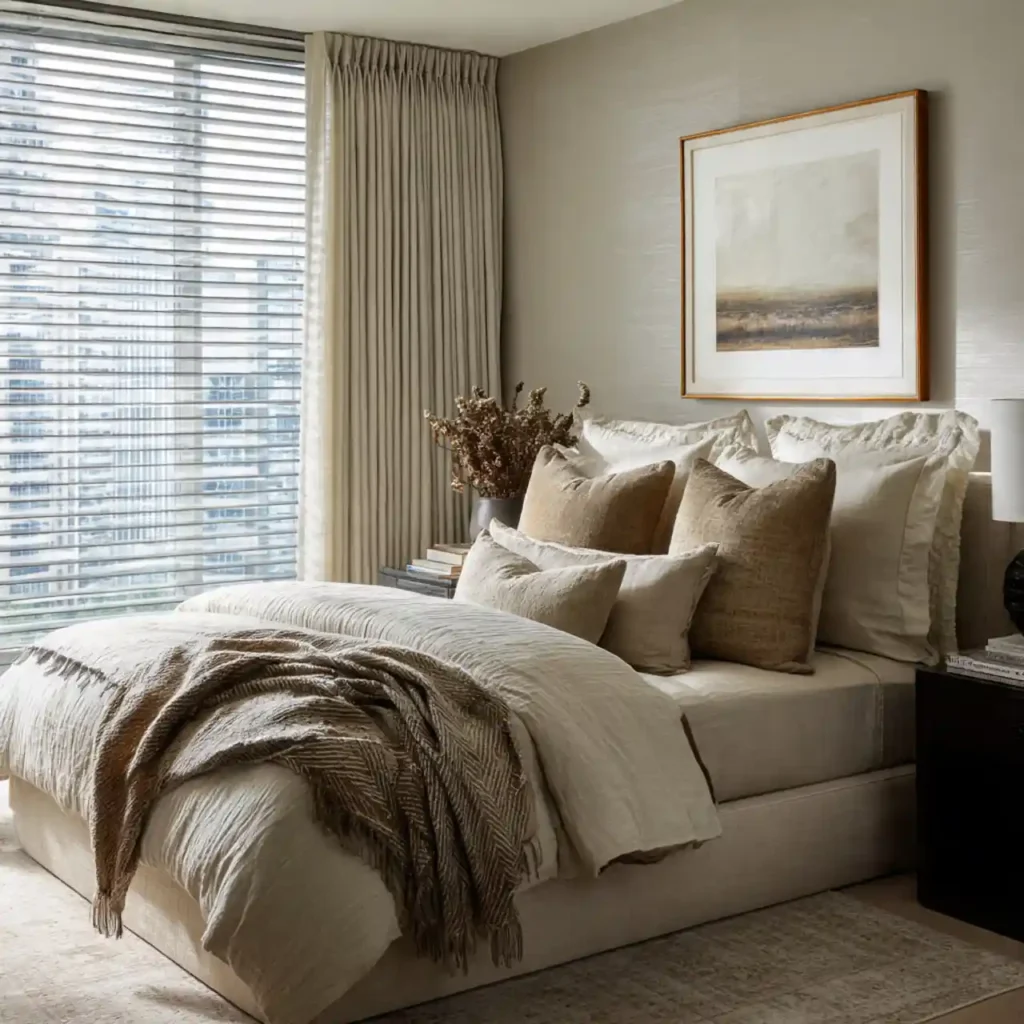
Blinds, curtains, and sheers arranged in layers create softness and proportional depth. Treatment should complement room scale and bed placement. Balanced layers control natural light while preserving openness. Materials and colors harmonize with furniture and flooring. Layered windows integrate aesthetics with spatial rhythm.
25. Ceiling and Wall Continuity
Colors, trim, or textures flowing from walls to ceilings unify vertical planes. This visual continuity prevents fragmentation and fosters calm. Subtle moldings or color changes enhance proportion without overwhelming. Seamless design creates an expansive, coherent feeling. Continuity encourages smooth spatial flow throughout the bedroom.

26. Neutral Accent Distribution
Accents like cushions, rugs, and decor items should be evenly spaced to avoid visual chaos. Placement should guide the eye while complementing room geometry. Balanced accent use supports proportionality and calm. Harmonious distribution enhances cohesion and reduces tension. Thoughtful accents contribute to spatial serenity.

27. Low-Profile Furniture Hierarchy
Beds, benches, and seating should remain low-profile to emphasize openness. Taller pieces placed strategically maintain proportion without blocking flow. Hierarchy of heights ensures visual comfort. Maintaining proportionality across elements promotes unity. Low-profile arrangement strengthens spatial coherence and calm.

28. Integrated Technology
TVs, speakers, or controls should blend into furniture or walls. Concealed technology reduces visual noise. Proper integration maintains symmetry and proportional balance. Clutter-free surfaces enhance open sightlines. Thoughtful tech integration preserves harmony while adding modern convenience.

29. Flooring Patterns That Complement Layout
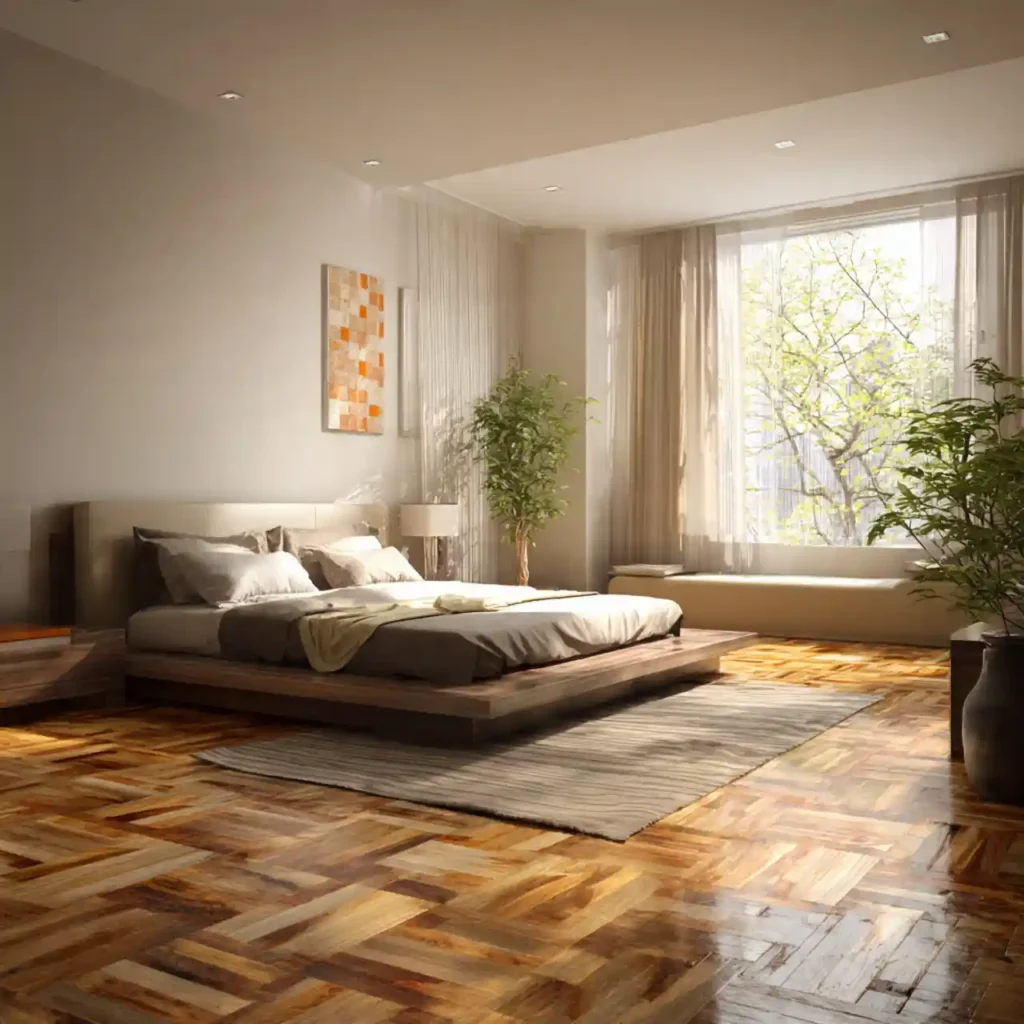
Flooring materials and patterns should align with furniture placement and room geometry. Subtle textures or directionality reinforce spatial flow. Consistency in material supports unity across zones. Properly scaled flooring prevents disproportion or visual imbalance. Flooring decisions strengthen spatial structure.
30. Overall Spatial Cohesion
When each framework is considered collectively, the bedroom feels balanced, calm, and harmonious. Proportion, alignment, and flow across furniture, lighting, and decor unite the design. Every detail contributes intentionally to the overall aesthetic. The result is a space that is functional, serene, and visually satisfying. Spatial harmony transforms the bedroom into a peaceful retreat that invites relaxation and focus.
Final Thoughts: Bedroom Design Ideas Focused on Spatial Harmony
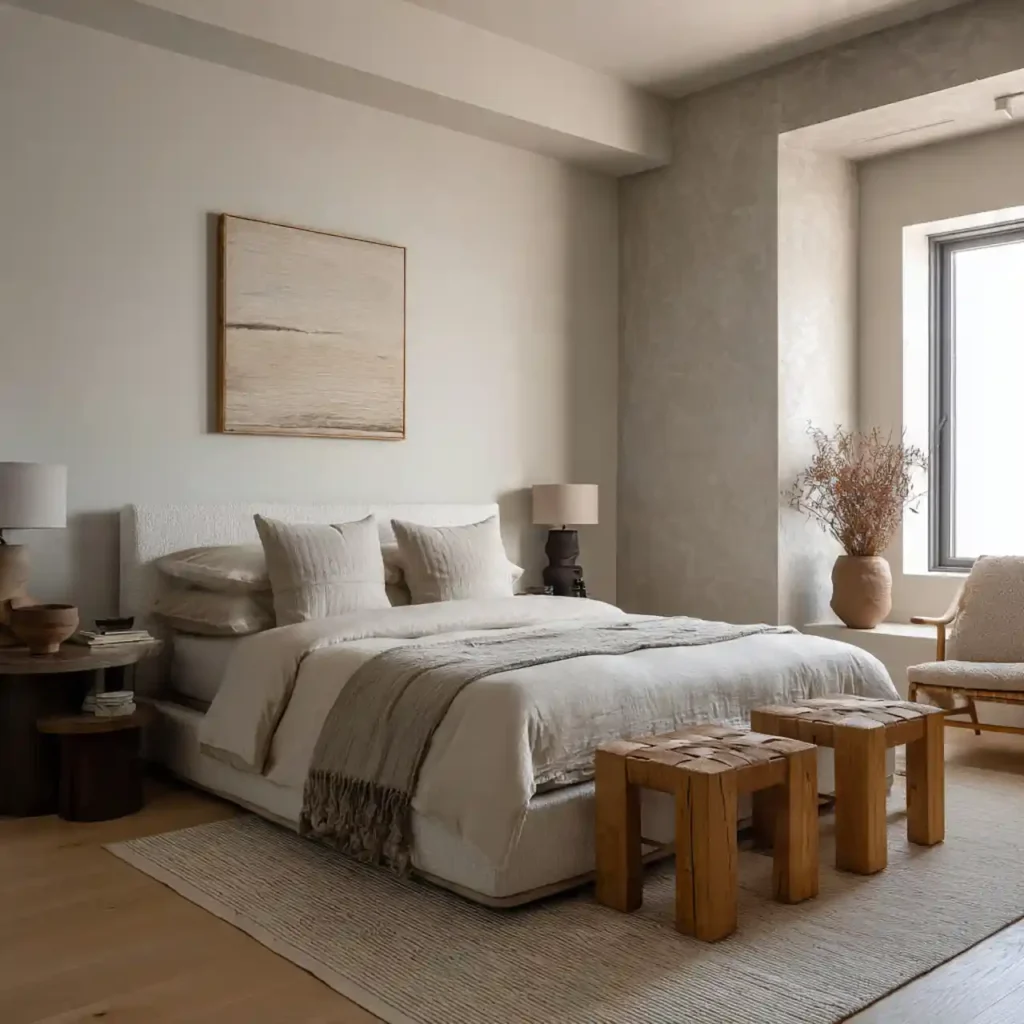
Designing a bedroom with spatial harmony transforms it into more than just a place to sleep it becomes a sanctuary that nurtures calm, comfort, and visual balance. By thoughtfully considering proportion, alignment, flow, and functional zoning, every element from the bed and furniture to lighting and décor works together seamlessly.
These Bedroom Design Ideas Focused on Spatial Harmony guide not only aesthetic choices but also daily movement and practical usability, creating a space that feels intentional and serene. Paying attention to details like layered textures, consistent colors, and balanced accents reinforces a sense of cohesion and peace.
Ultimately, a bedroom built around spatial harmony offers a timeless, calming, and restorative environment, perfectly tailored to both style and well-being.