30 Turkish Home Exterior Ideas Blending Ottoman Influence with Modern Geometry
Turkish residential design uniquely blends rich Ottoman architectural heritage with clean, modern geometric lines. The combination of arches, ornate detailing, and contemporary materials creates homes that feel both historic and fresh. These residences balance warmth and structure, integrating gardens, terraces, and courtyards to enhance natural light and outdoor living. In this blog, we explore 30 inspiring Turkish home exterior ideas by The Home Vista that combine elegance, functionality, and cultural character.
1. Ottoman Arches Framing Entrances
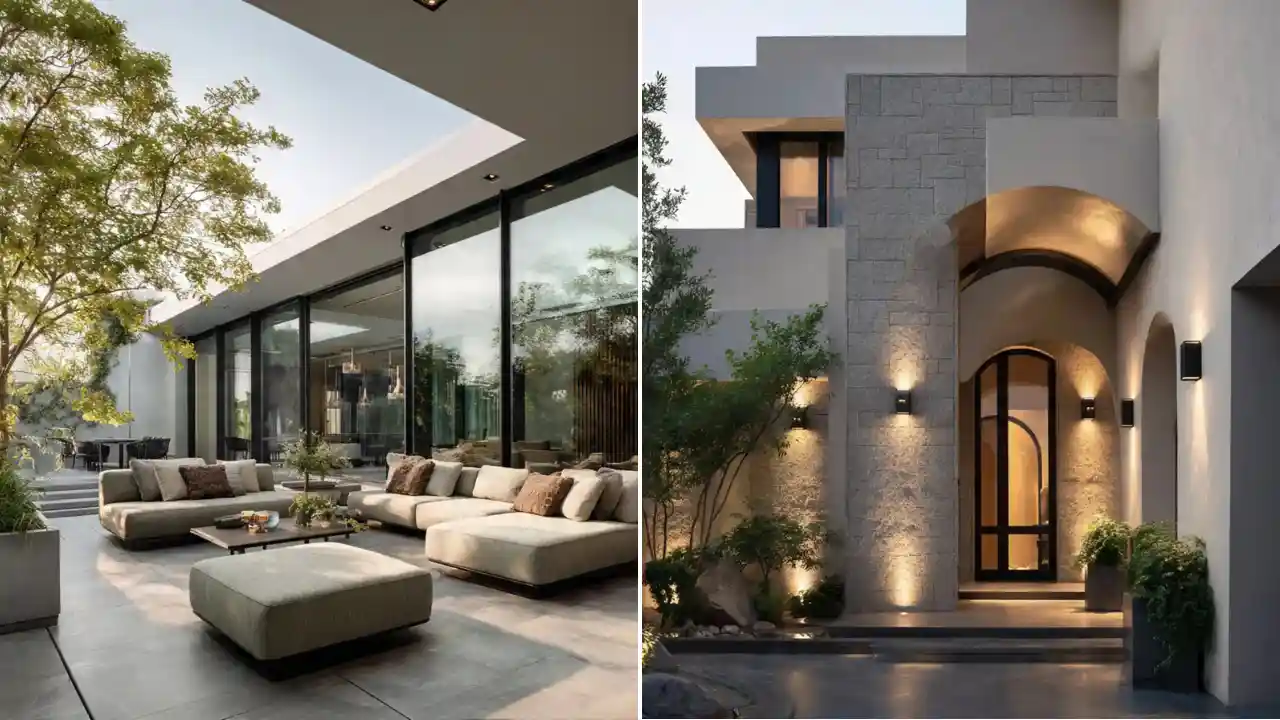
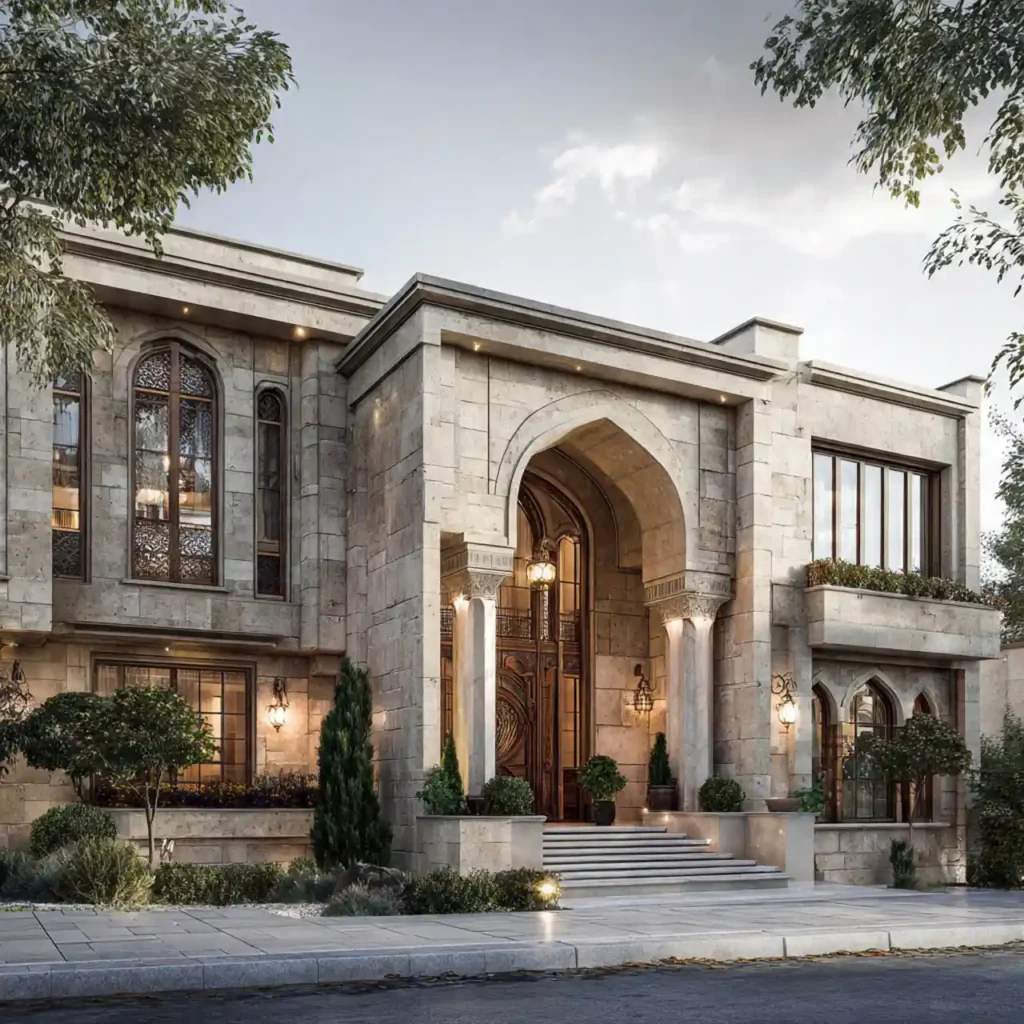
Grand entrances framed with Ottoman-inspired arches provide elegance and character. Modern clean lines of the facade complement the ornate arch shapes. Stone or brick detailing emphasizes the historic influence. Indoor spaces visible through large windows hint at contemporary interiors. The overall effect is regal yet approachable.
2. Geometric Facade Patterns with Traditional Motifs
Facades feature geometric arrangements that subtly integrate Ottoman motifs. Smooth plaster or stone surfaces highlight these designs. Symmetry and repetition create rhythm along walls. Large windows break up patterns and add transparency. The blend of modern geometry with historic ornamentation feels cohesive and refined.

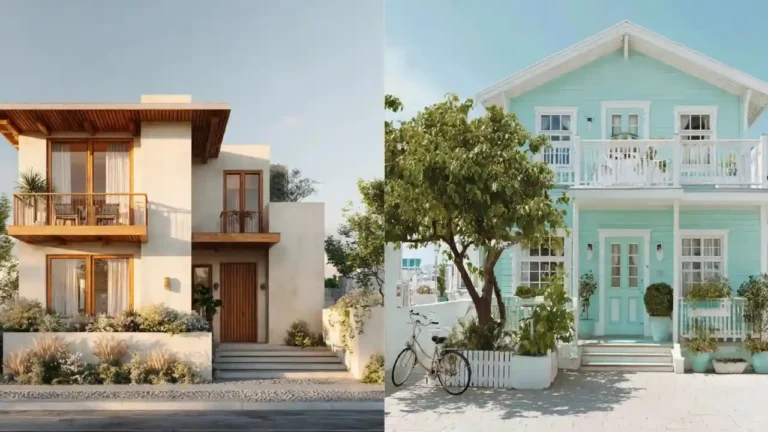
3. Layered Balconies with Lattice Details
Turkish homes often use layered balconies adorned with wooden or metal lattice screens. These screens provide shade and privacy while echoing traditional patterns. Balconies extend living space outdoors, allowing seating and plant arrangements. Large sliding doors connect interior rooms seamlessly. The layered approach adds depth and visual interest.

4. Courtyards as Central Focal Points
Central courtyards with fountains or seating areas anchor the home. Arched doorways and columns surround the open space, blending Ottoman charm with modern functionality. Greenery softens hard edges and introduces color. Large glass walls maintain visual connections between indoor and outdoor areas. The courtyard creates a calm and structured spatial flow.

5. Stone and Marble Cladding for Textural Elegance
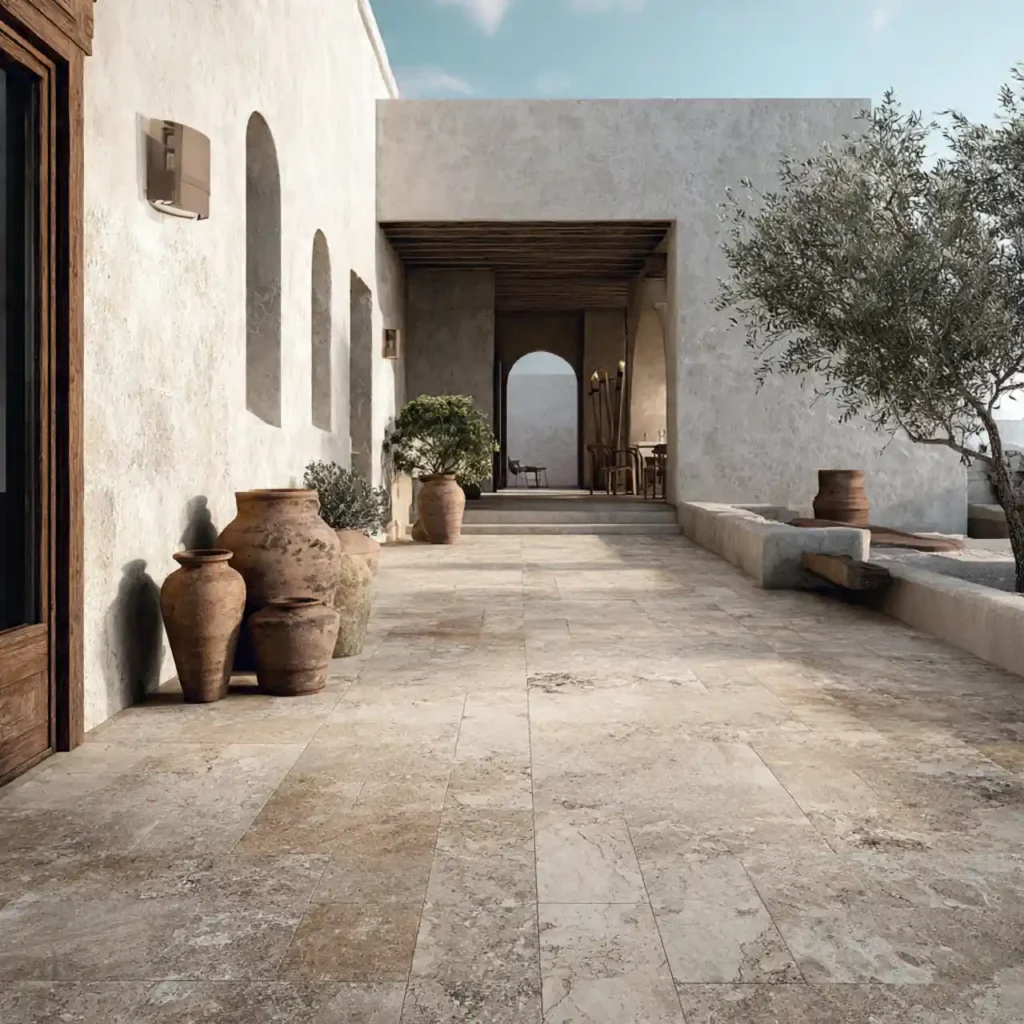
Natural stone or marble cladding emphasizes durability and luxury. Modern rectangular panels contrast with curved Ottoman features. Stone finishes on entrances, corners, or terraces highlight architectural elements. Subtle color variations enhance visual depth. The combination reinforces both historic richness and contemporary minimalism.
6. Wooden Pergolas with Intricate Detailing
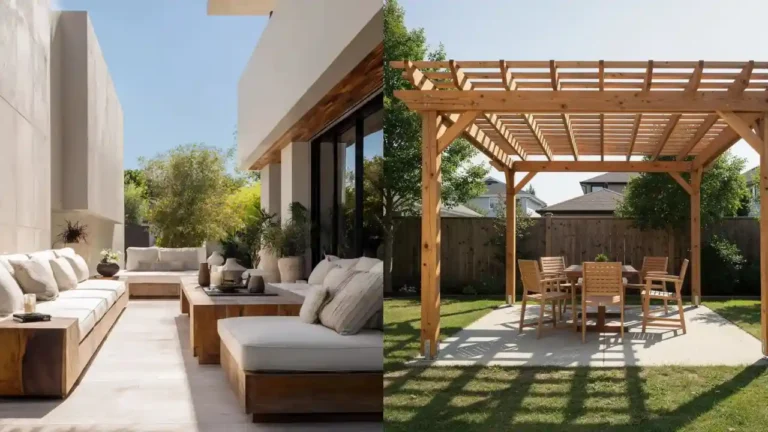
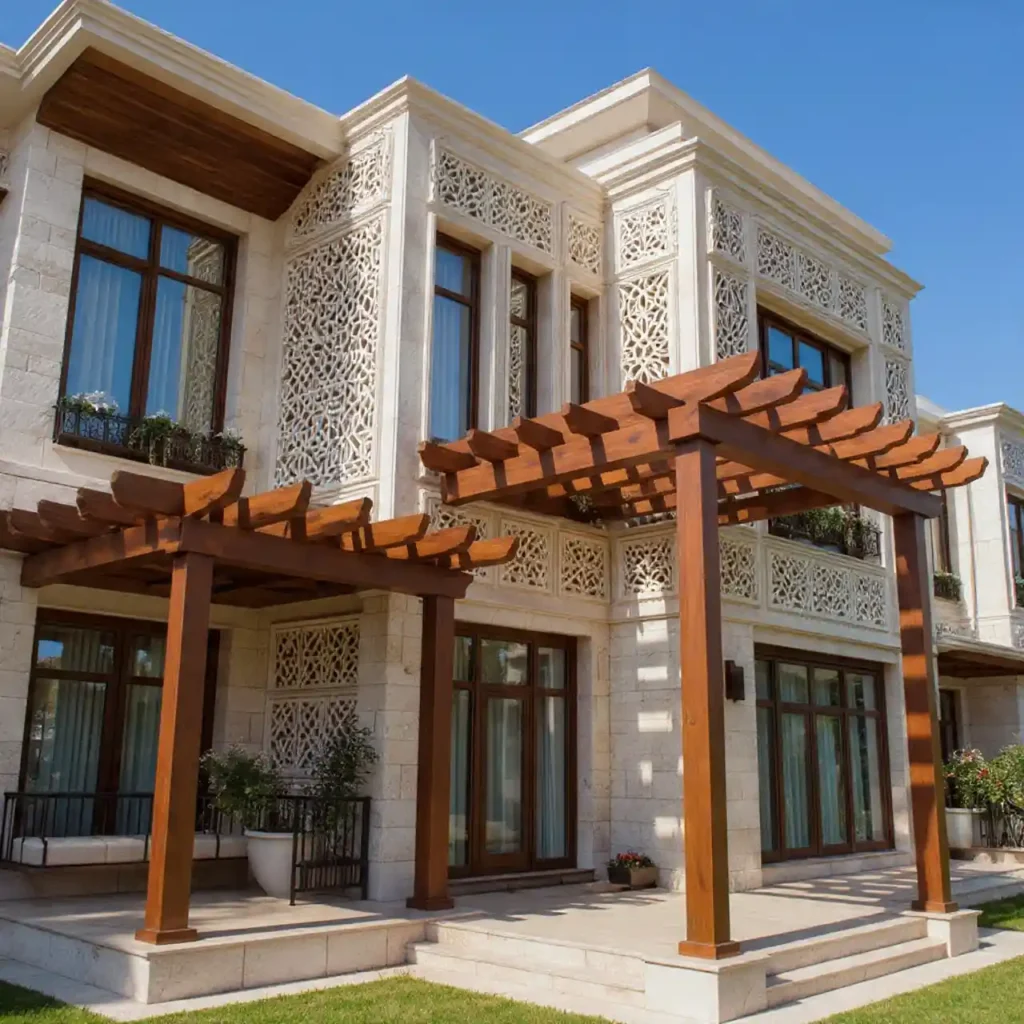
Pergolas crafted from warm wood provide shaded outdoor spaces. Delicate cutouts or latticework pay homage to Ottoman design. Integrated seating or planters makes terraces functional and inviting. Vertical supports align with windows or doorways for proportional harmony. Wood tones complement neutral stone or plaster surfaces.
7. Multi-Level Roofs Combining Domes and Slopes
Roofs incorporate low domes or curved tiles with modern flat or sloped planes. The layered roofline adds visual hierarchy and balances height differences. Tile textures and muted colors reflect traditional Turkish roofing. Overhangs provide shade for terraces and windows. Roof designs integrate heritage with contemporary geometric sensibilities.

8. Tall Windows With Subtle Arch Tops
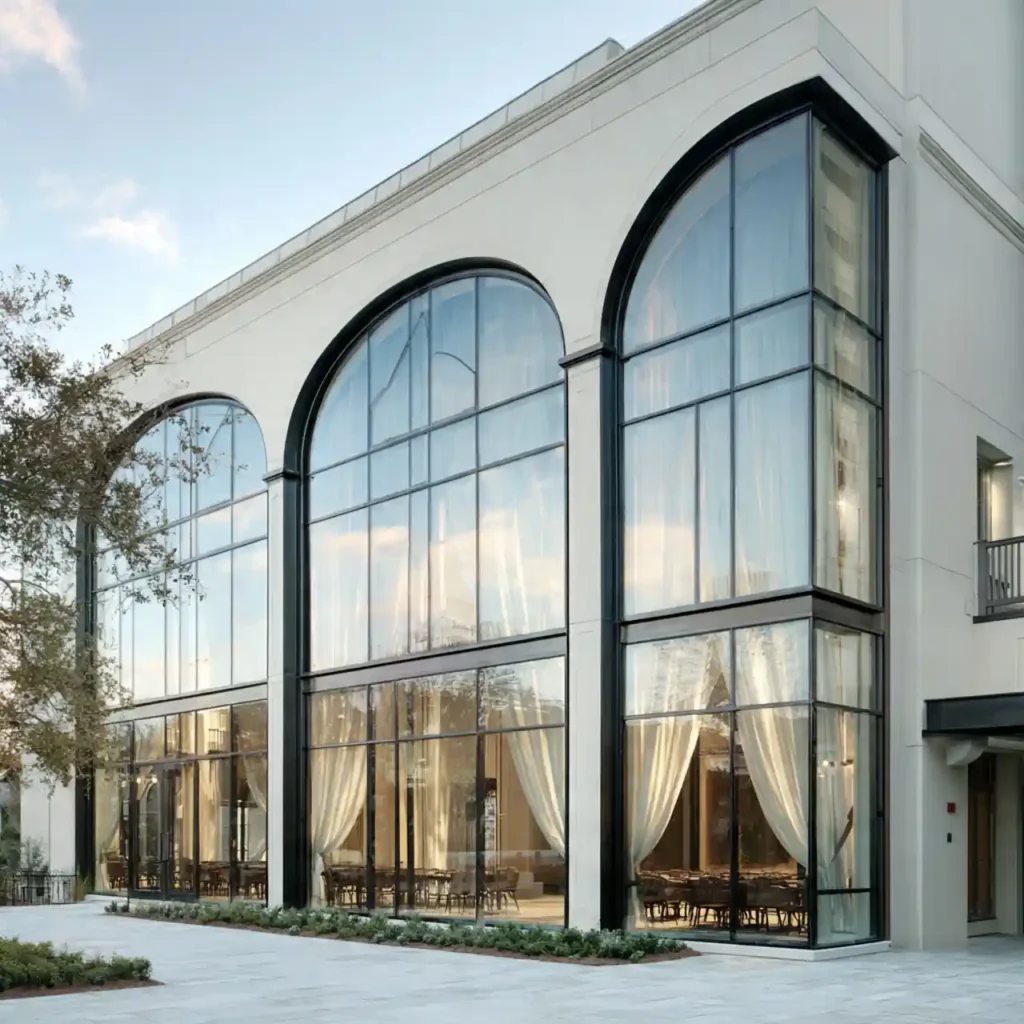
Floor-to-ceiling windows topped with gentle arches connect indoors to the courtyard. Modern glass frames enhance light while preserving Ottoman-inspired curvature. Window alignment maintains symmetry along facades. Sheer curtains add softness without obscuring architectural lines. These windows balance openness and historic character.
9. Sculptural Entry Columns
Columns at entrances combine classical Ottoman fluting with modern straight edges. Materials like stone or concrete provide durability. They visually anchor porticos and archways. Planters or lighting fixtures can be integrated at the base. This treatment creates a ceremonial yet contemporary threshold.
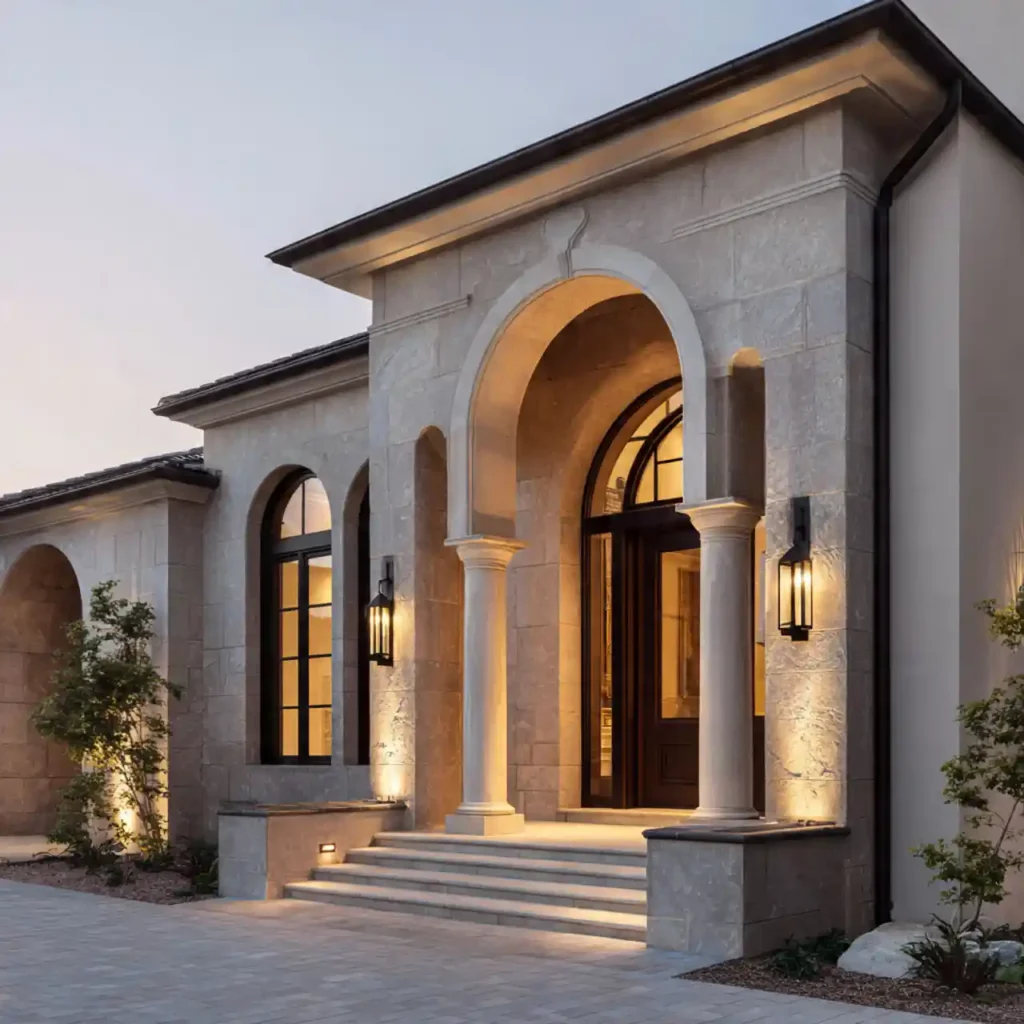
10. Layered Terraces With Plant Integration
Terraces are arranged in layers, blending geometric platforms with Ottoman-inspired screens. Potted plants, vines, or small trees introduce softness. Outdoor furniture invites relaxation and socializing. Connectivity to indoor living areas is maintained through sliding doors. Layered terraces create rhythm, depth, and spatial balance.
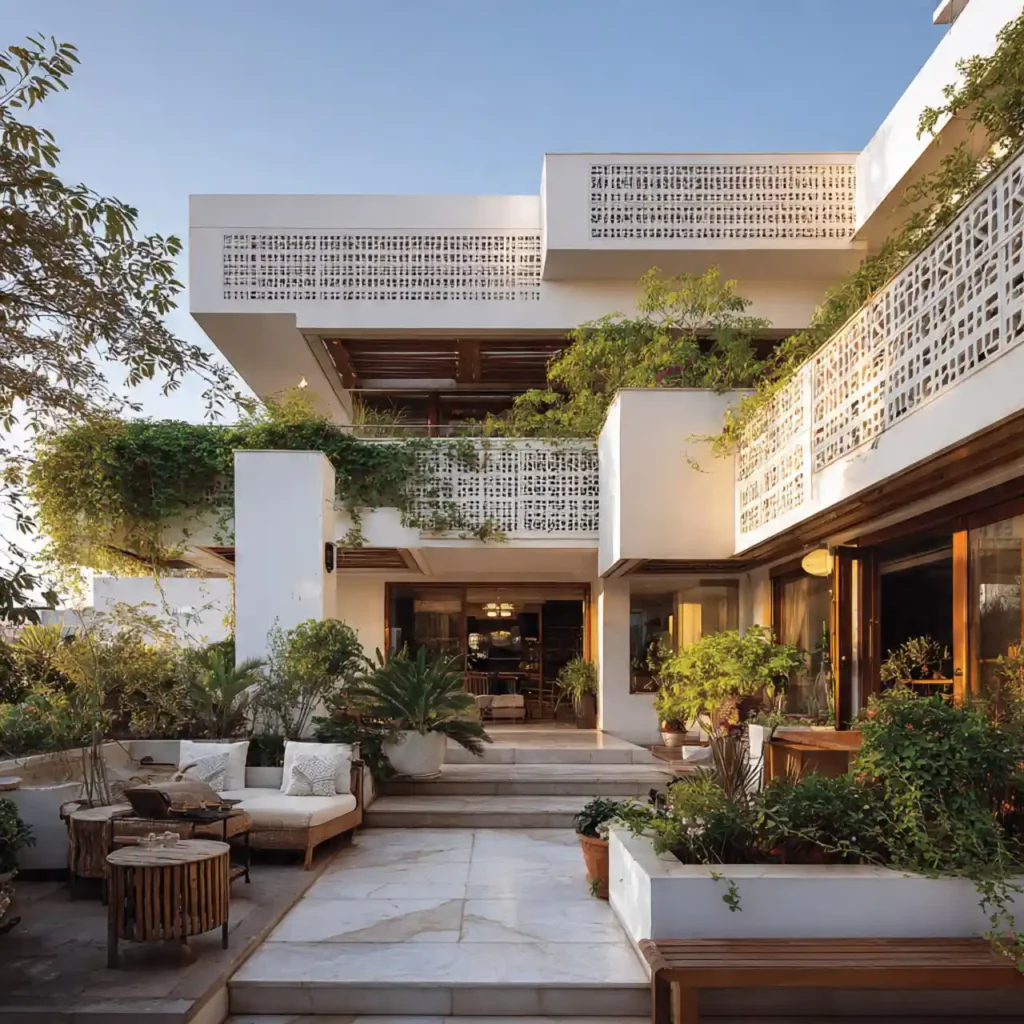
11. Integrated Fountains and Water Features
Small courtyards or entryways feature fountains reminiscent of Ottoman design. Clean geometric basins contrast ornate spouts or carved details. Water elements reflect light and enhance tranquility. Surrounding landscaping integrates greenery and stone paths. Water adds sensory richness to the exterior experience.
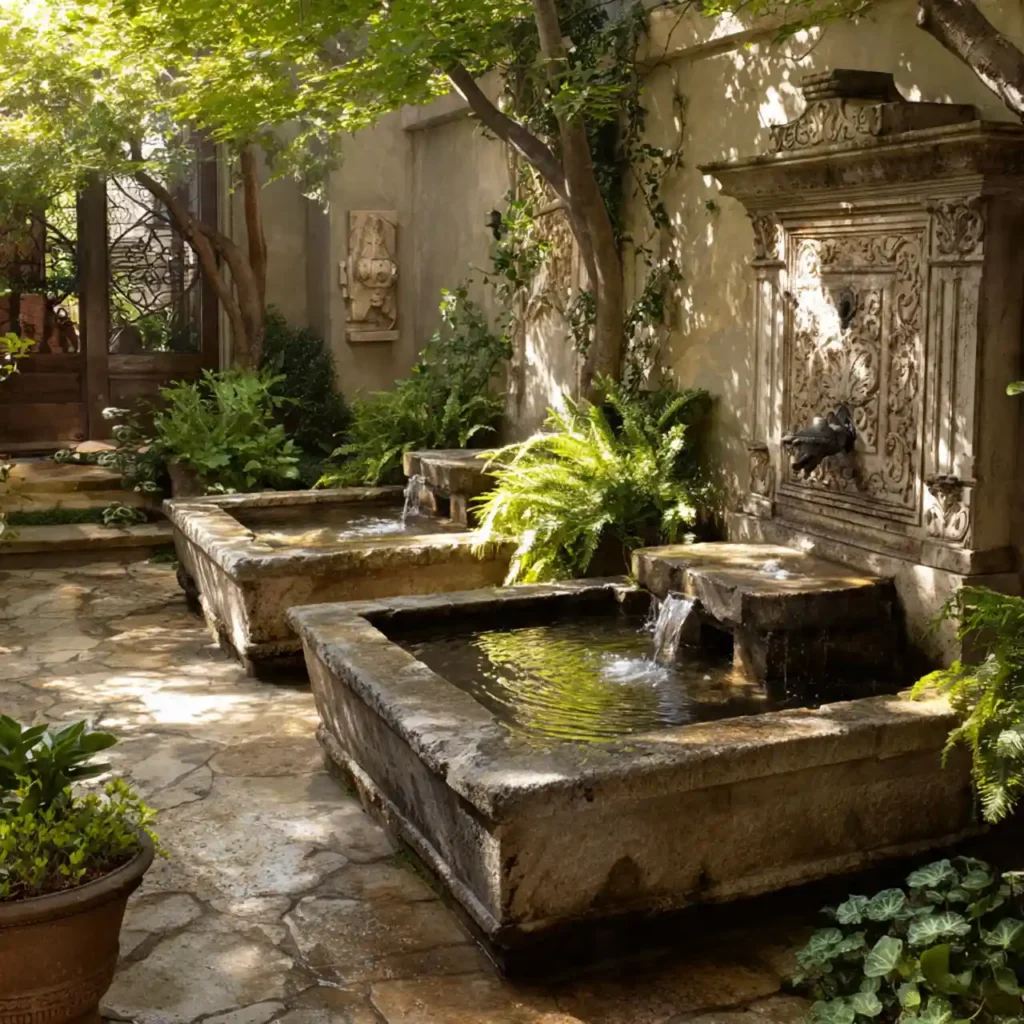
12. Harmonized Neutral Color Palette
Warm creams, soft beiges, and muted terracotta dominate Turkish exteriors. Accents of rich wood or metal highlight Ottoman details. Smooth and textured surfaces blend seamlessly. Neutral tones allow patterns, arches, and geometric shapes to stand out. The color scheme balances tradition with modern elegance.
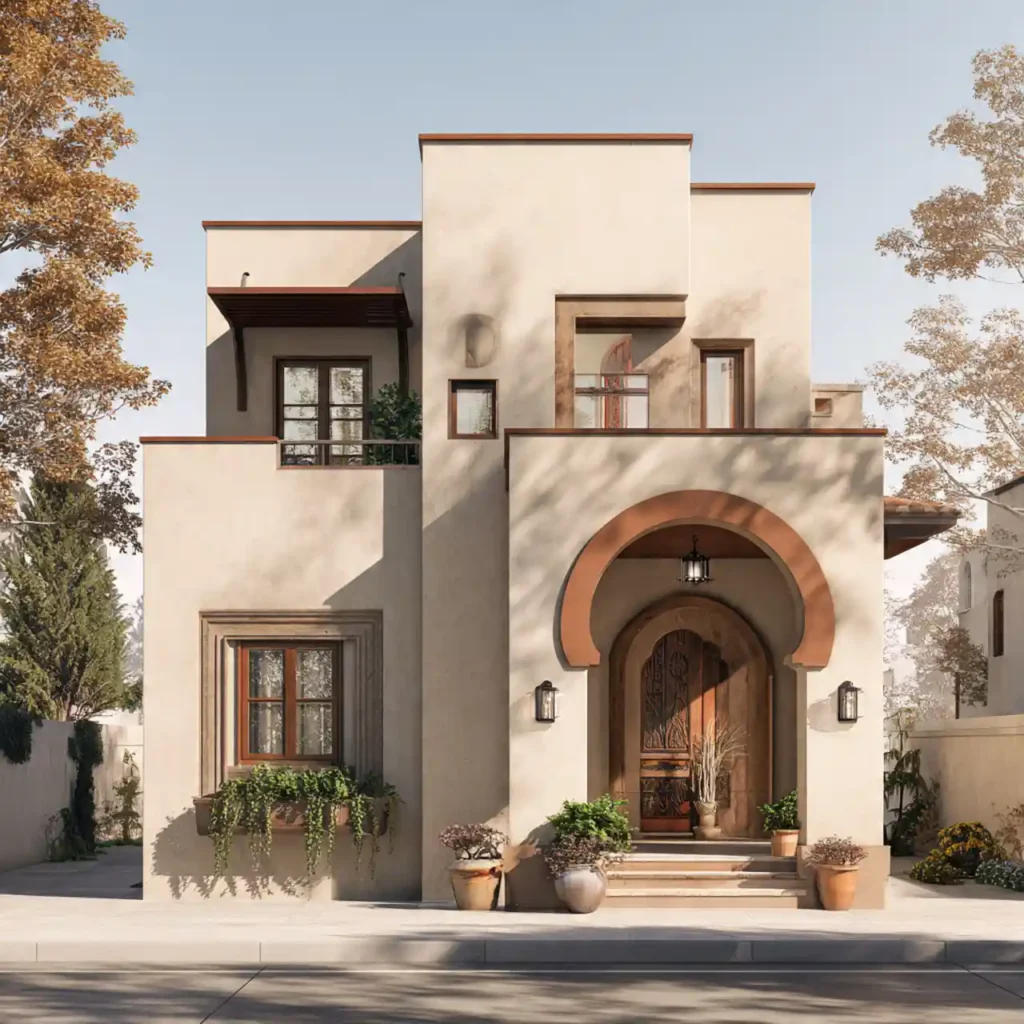
13. Outdoor Staircases With Decorative Railings
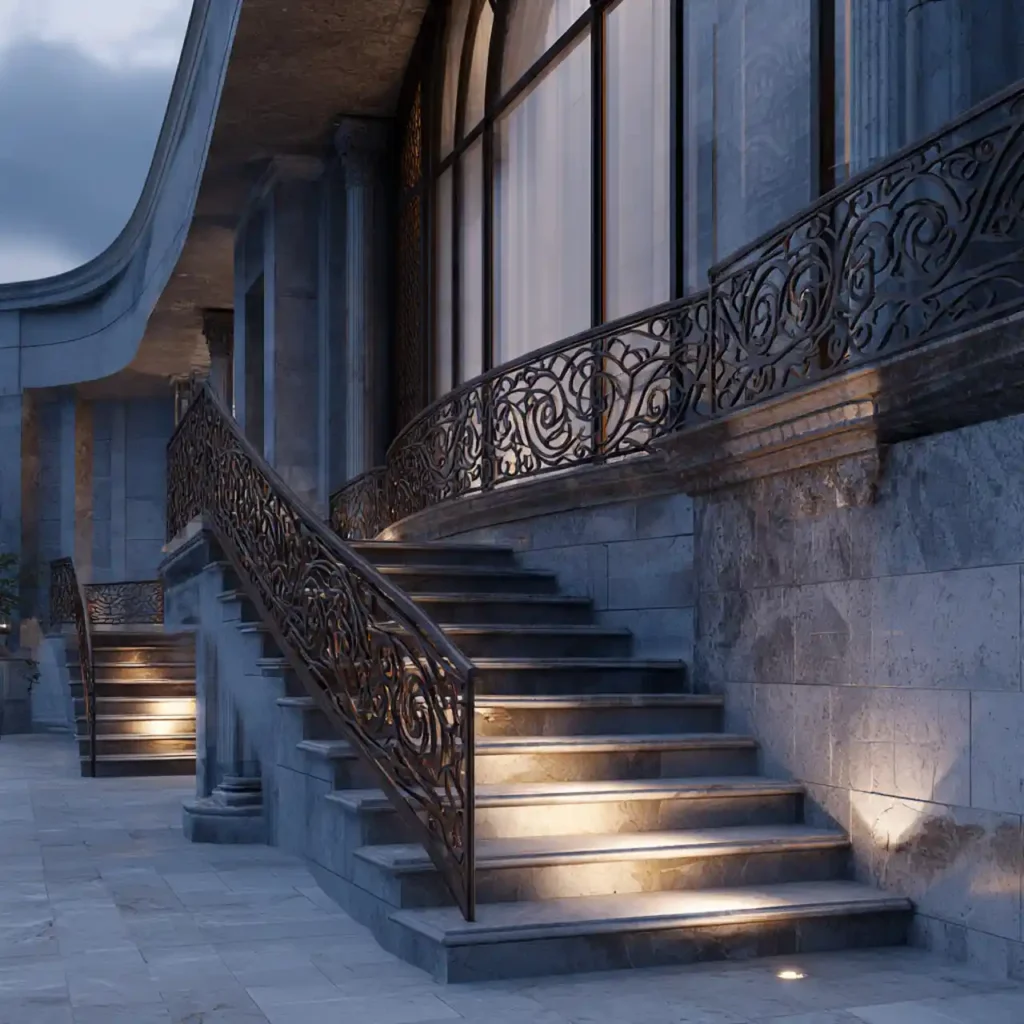
Staircases connecting terraces or entrances feature metal or wooden railings with Ottoman-inspired motifs. Steps in stone or tile reinforce durability. Integration with walls ensures visual flow. Functional lighting enhances safety and beauty. Outdoor stairs add vertical layering and architectural interest.
14. Modern Pergola Roof Extensions
Flat pergola extensions over patios and terraces provide shade while framing views. Wooden or metal slats reflect subtle patterns. The open design promotes airflow and light control. Furniture arrangements align with pergola edges for proportional balance. Extensions enhance indoor-outdoor connection with style.

15. Vertical Garden Elements
Green walls or climbing vines integrate greenery with architecture. Wooden or metal lattice supports plants, referencing Ottoman screens. Vertical gardens soften geometric facades. The living surfaces complement stone, plaster, and wood textures. Plants enhance both visual appeal and microclimate.

16. Decorative Metal Screens on Facades
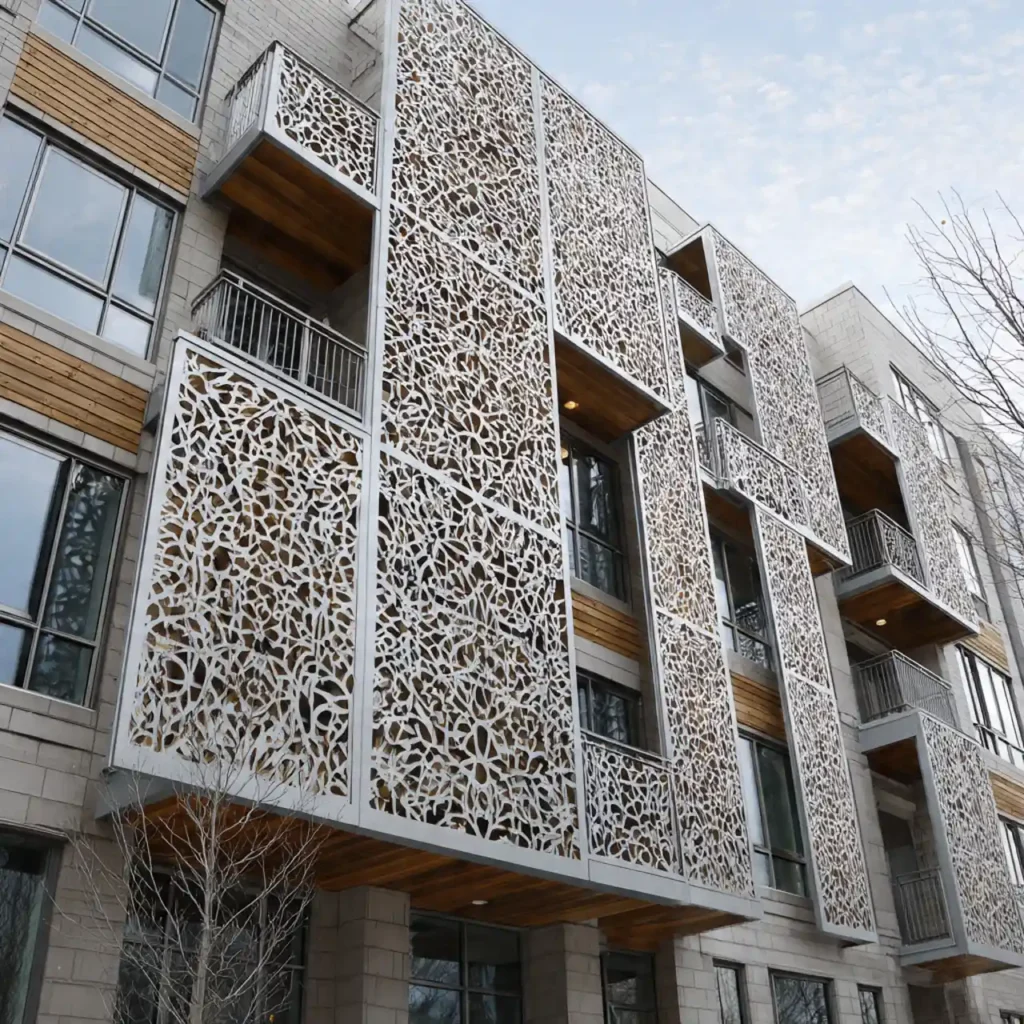
Laser-cut metal panels feature Ottoman-inspired patterns. Screens act as sunshades, privacy elements, or decorative accents. Contrasting materials highlight intricate details. Panels may frame windows, balconies, or entrances. They combine functional design with ornate beauty.
17. Layered Wall Planes for Depth
Facade walls are staggered to create layered visual planes. Smooth plaster, stone accents, and wooden panels emphasize depth. Arches or recessed niches enhance shadow play. Modern geometric proportions balance traditional motifs. Layered walls create rhythm and dynamic visual interest.
18. Courtyard-Connected Indoor Living Spaces
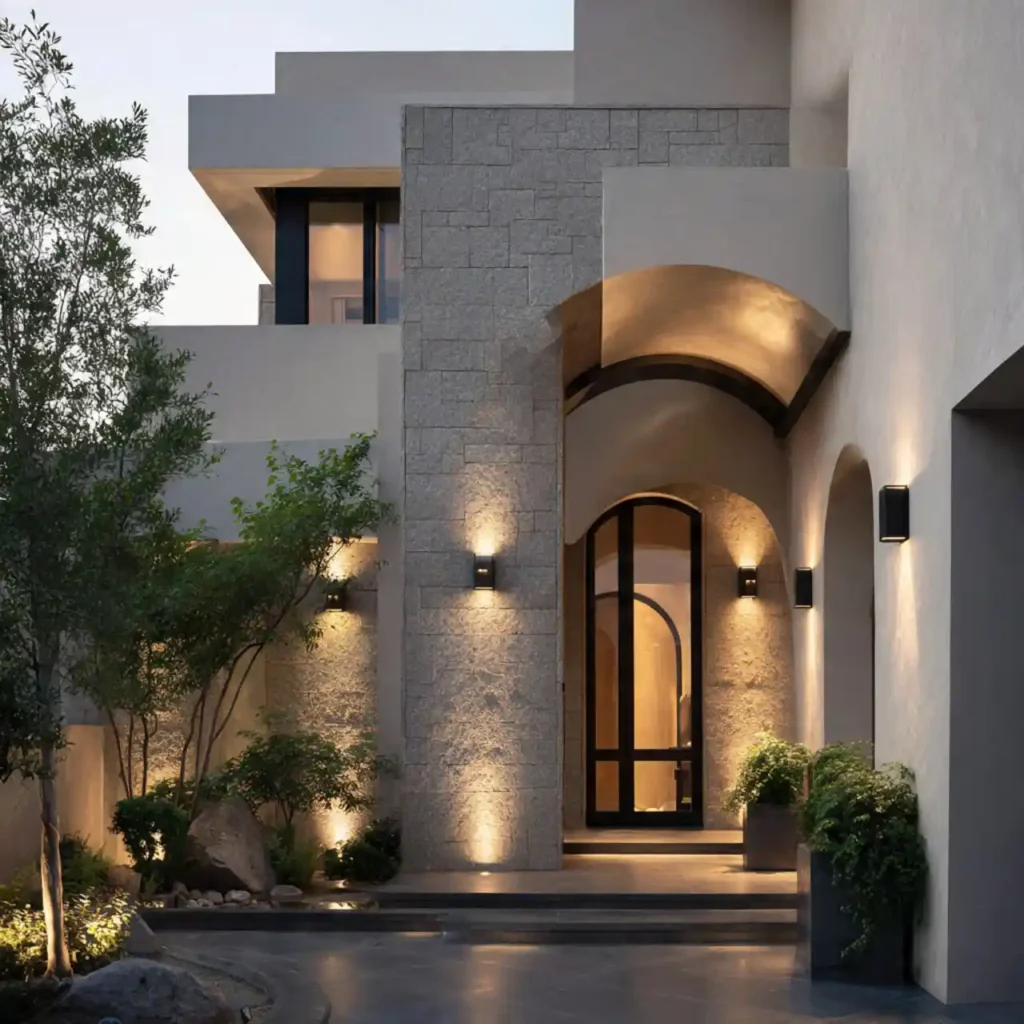
Living rooms, dining areas, or lounges open onto central courtyards. Large glass doors maintain continuity between interior and exterior. Ottoman arches frame outdoor views. Indoor furniture arranged to complement outdoor seating. Flow enhances the perception of space and harmony.
19. Accent Domes Above Key Rooms
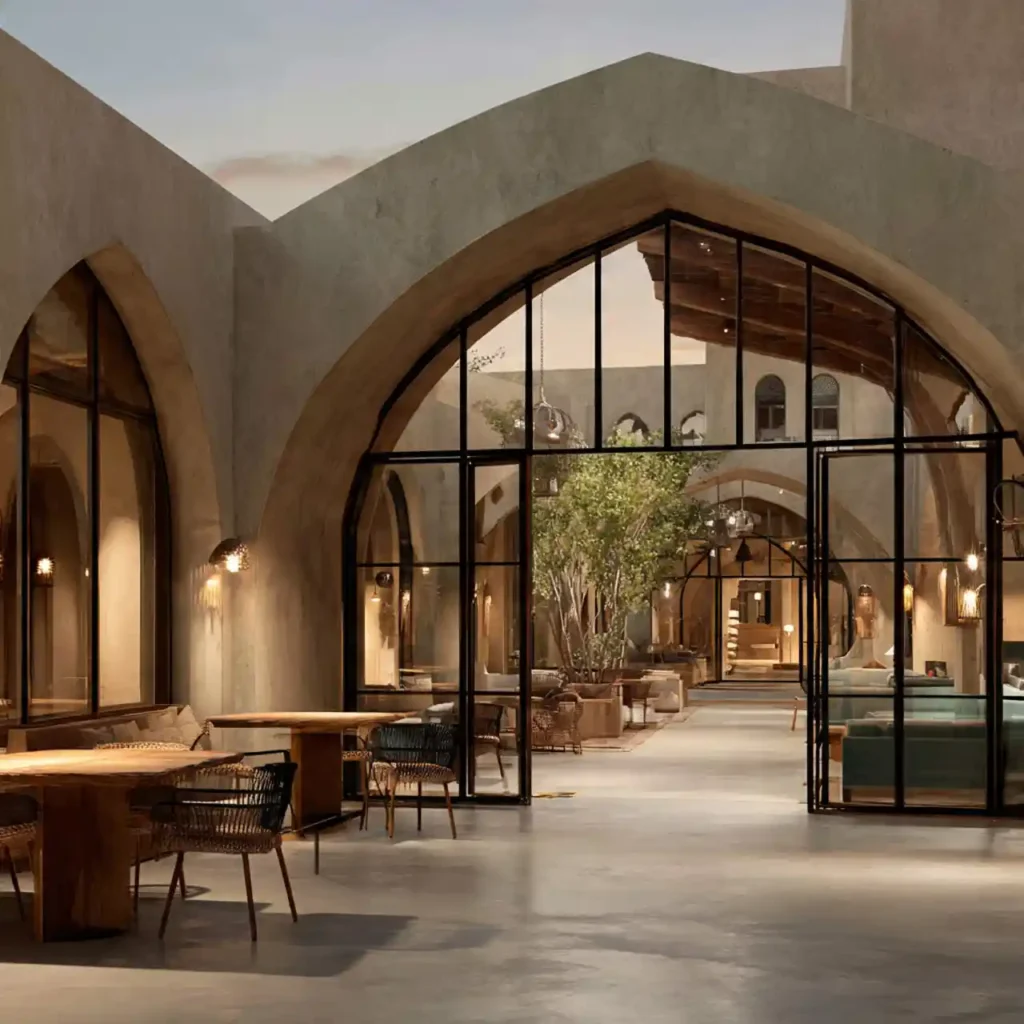
Select rooms feature small, subtle domes. Smooth plaster finishes contrast with modern flat roof planes. Domes emphasize the cultural influence while maintaining minimal modern lines. Placement over entrances or living rooms creates hierarchy. Domes add elegance without overpowering the design.
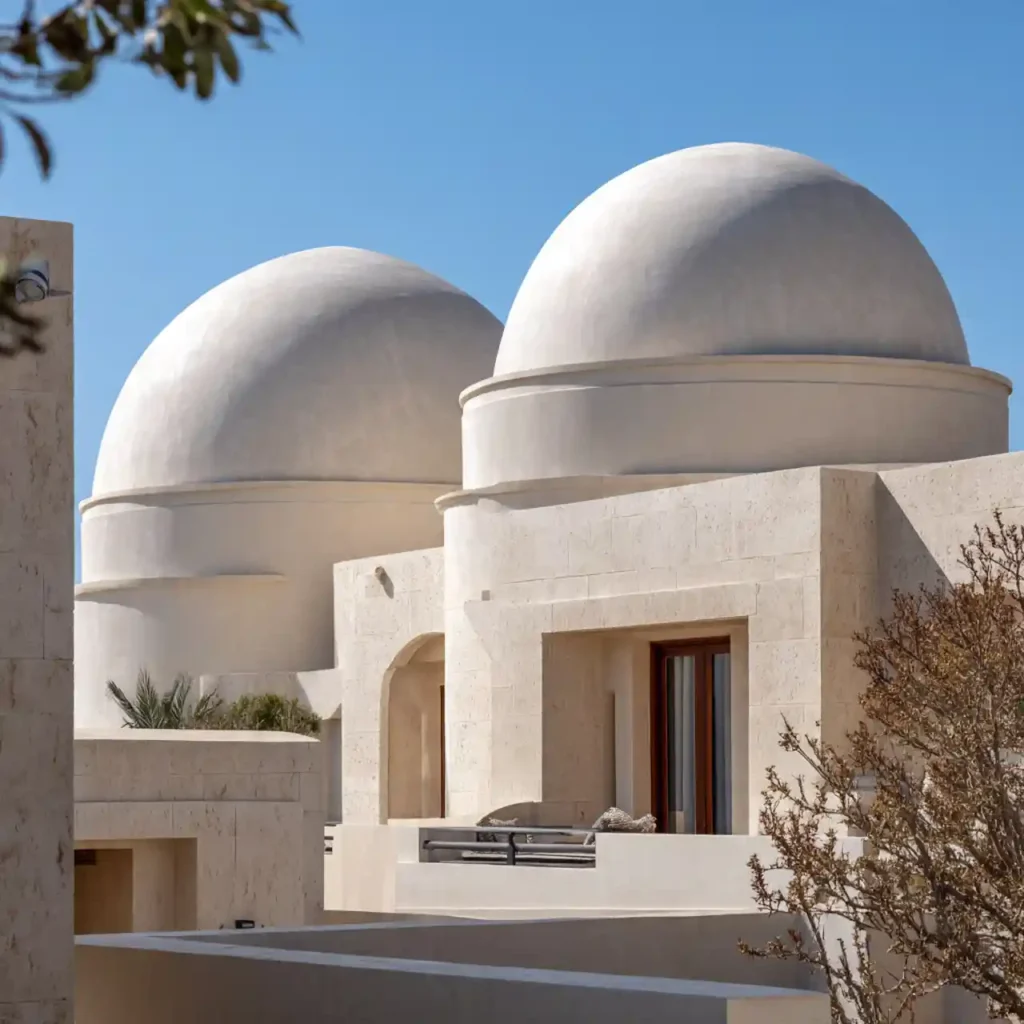
20. Arched Gateways and Driveways
Entry driveways pass under gentle arches blending Ottoman and contemporary geometry. Smooth stone paving complements facade materials. Landscaping flanks pathways for symmetry. Gates may incorporate metal lattice patterns. These gateways create ceremonial yet modern entry sequences.
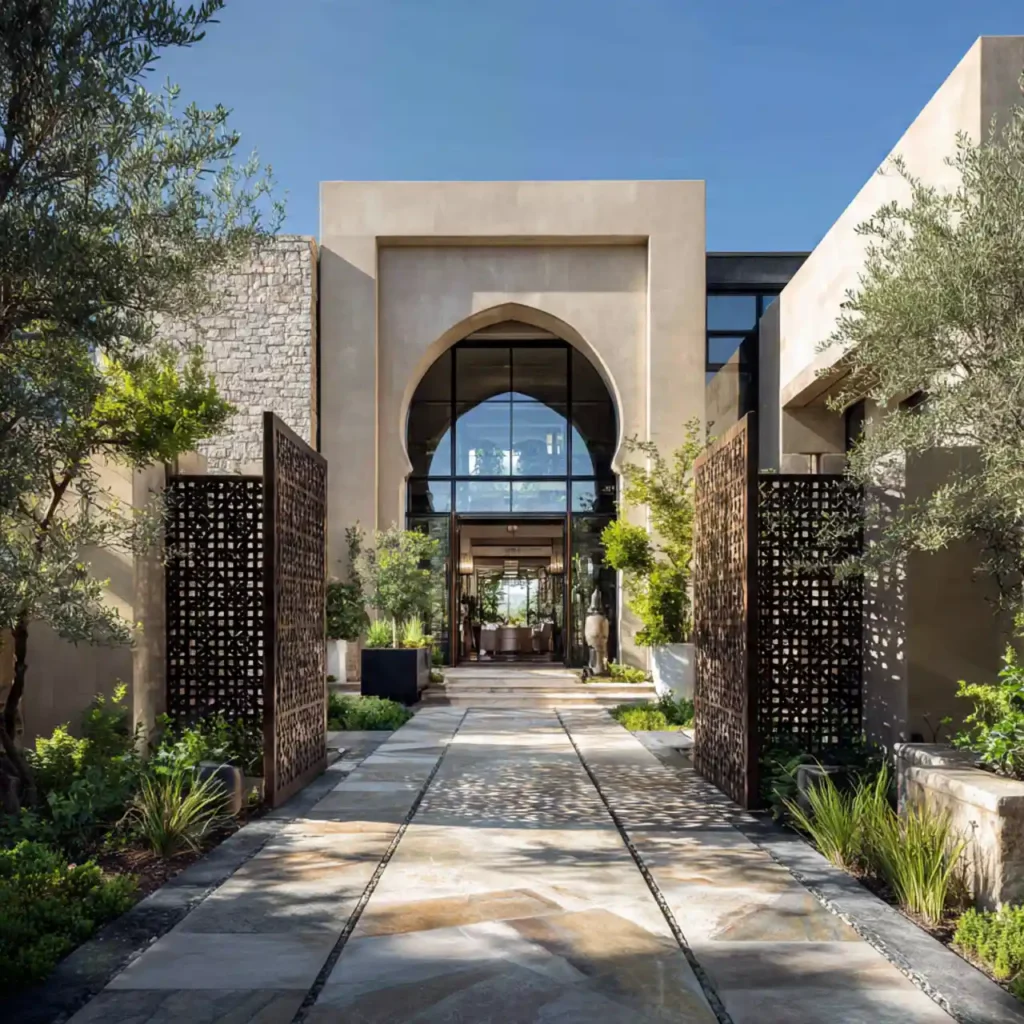
21. Layered Window Shutters
Wooden shutters echo Ottoman lattice patterns. Adjustable slats allow light control while maintaining privacy. Shutters match balcony or pergola materials. Placement follows window symmetry for visual balance. Functional decoration enhances facade character.
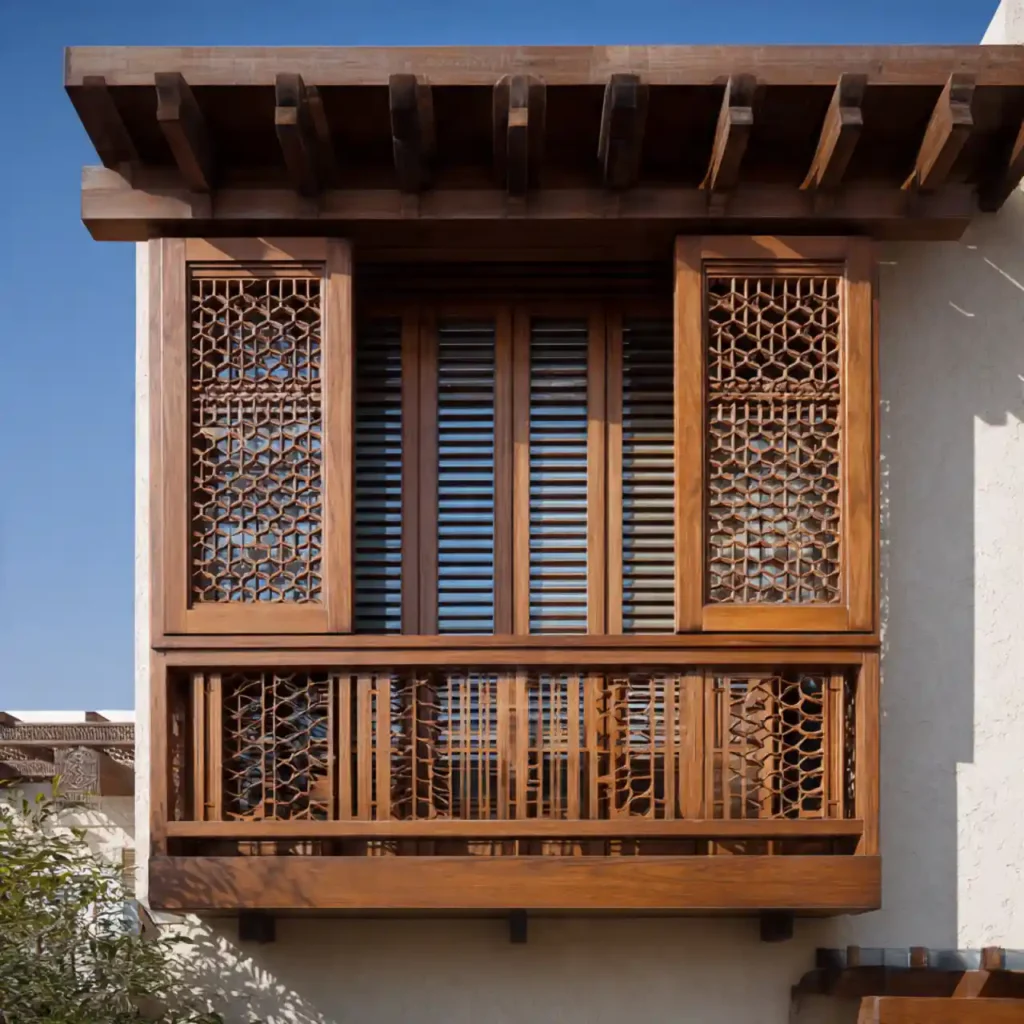
22. Integrated Outdoor Lighting
Discreet fixtures highlight arches, columns, and courtyard areas. Warm LED lights emphasize textures and patterns. Pathway lights guide movement while maintaining elegance. Lighting complements furniture and greenery. Integration ensures nighttime ambiance mirrors daytime aesthetic.
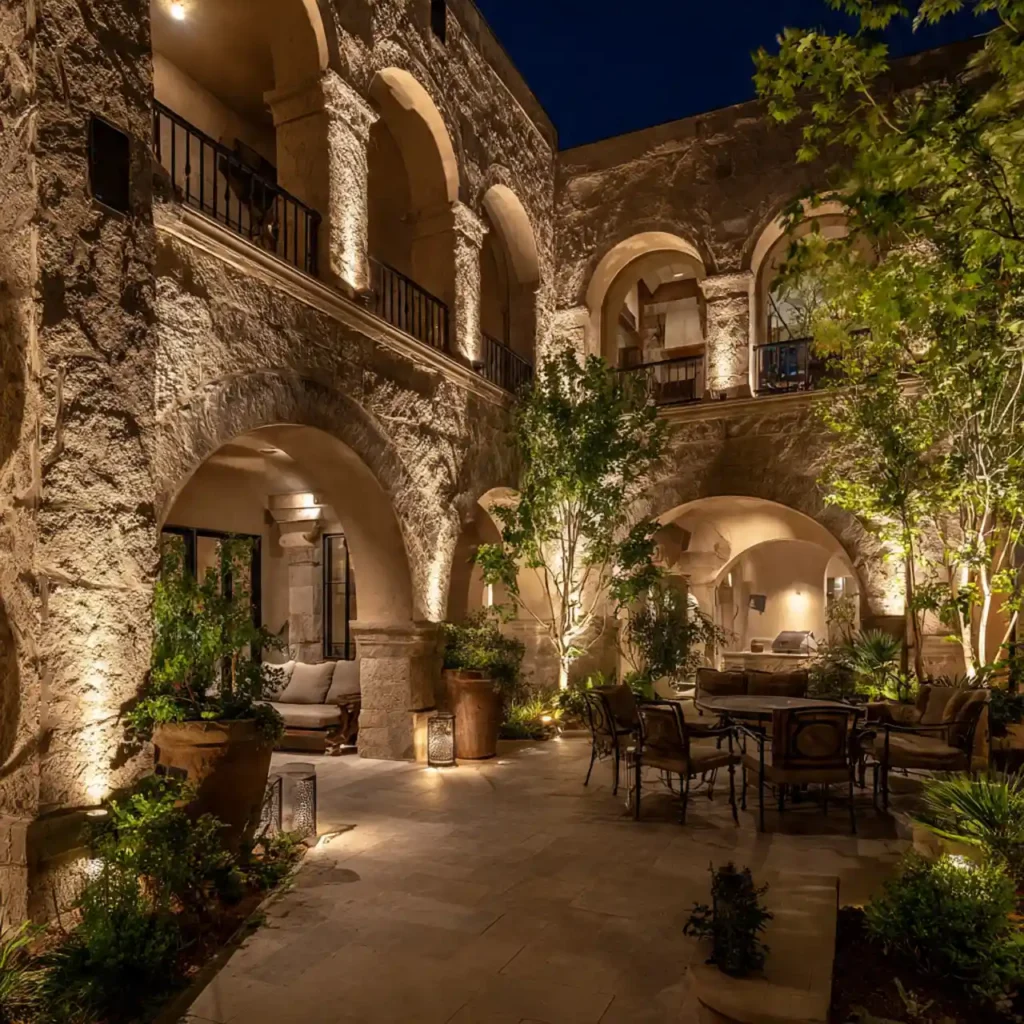
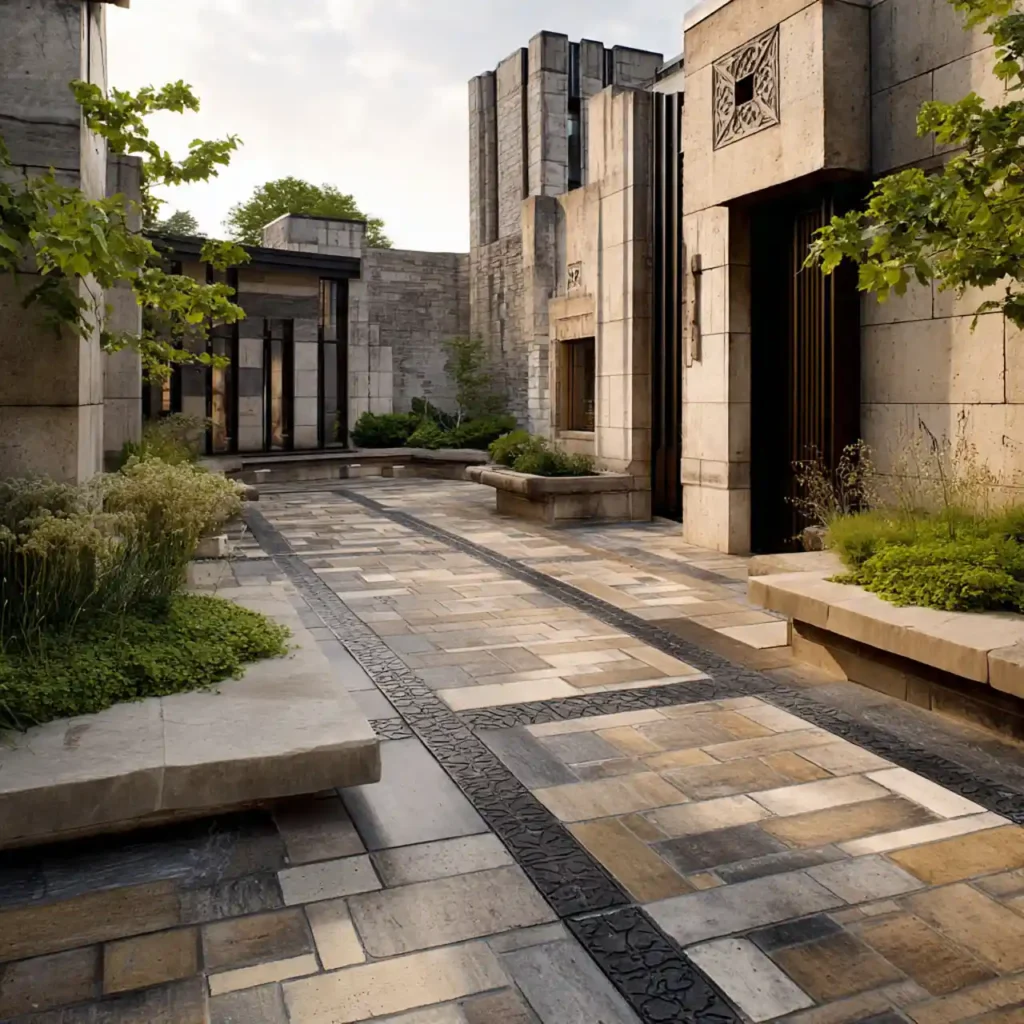
23. Stone Paved Outdoor Pathways
Natural stone walkways connect entrances, terraces, and courtyards. Patterns complement geometric facades. Edges framed with greenery or low walls. Smooth, flat surfaces promote accessibility. Pathways enhance spatial rhythm and guide visitors naturally.
24. Symmetrical Facade Elements
Balconies, windows, and arches are arranged symmetrically. Repetition reinforces Ottoman influence. Clean lines prevent excessive visual clutter. Symmetry promotes a sense of order and balance. Overall composition feels deliberate and harmonious.

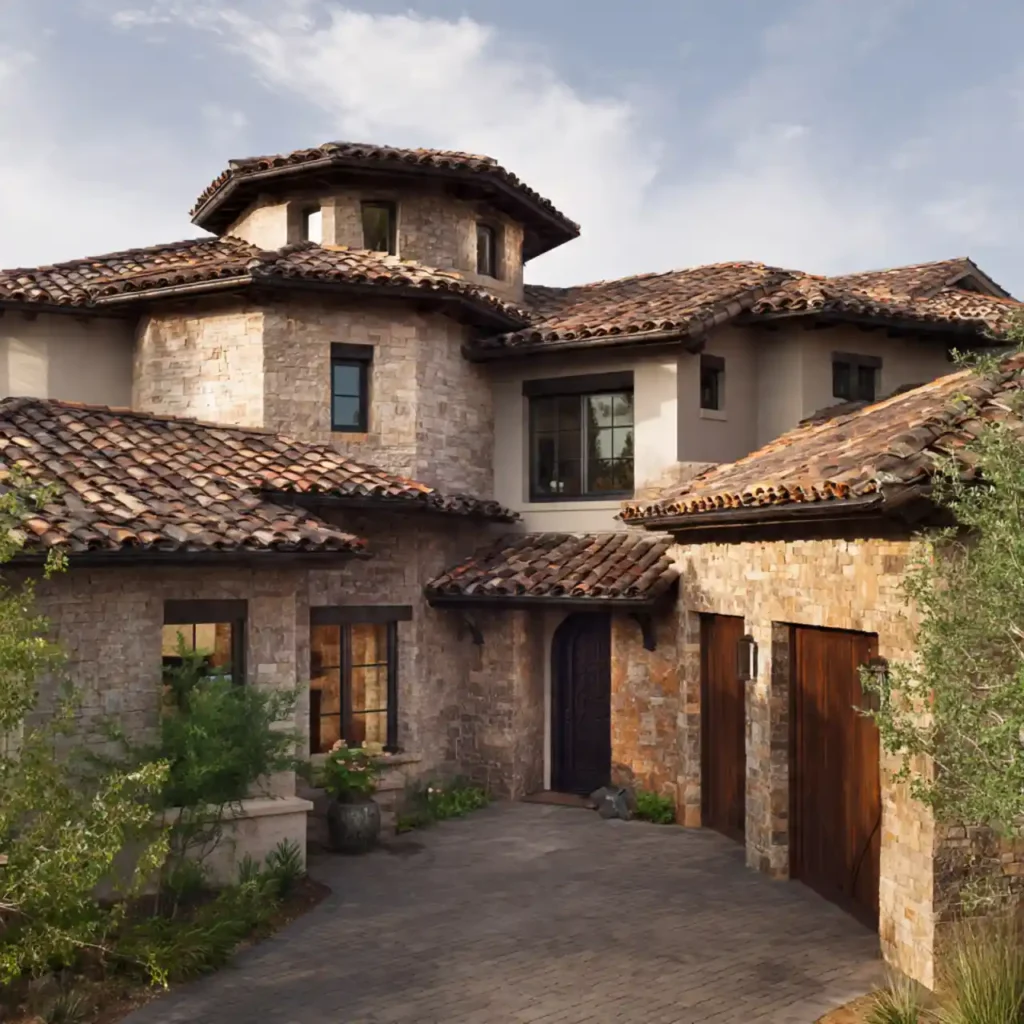
25. Layered Roof Textures
Roof tiles, domes, and flat sections blend traditional and modern finishes. Contrasting textures highlight structure and depth. Overhangs provide sun protection and shade. Roof layers reinforce vertical hierarchy. Combined effect enhances architectural elegance.
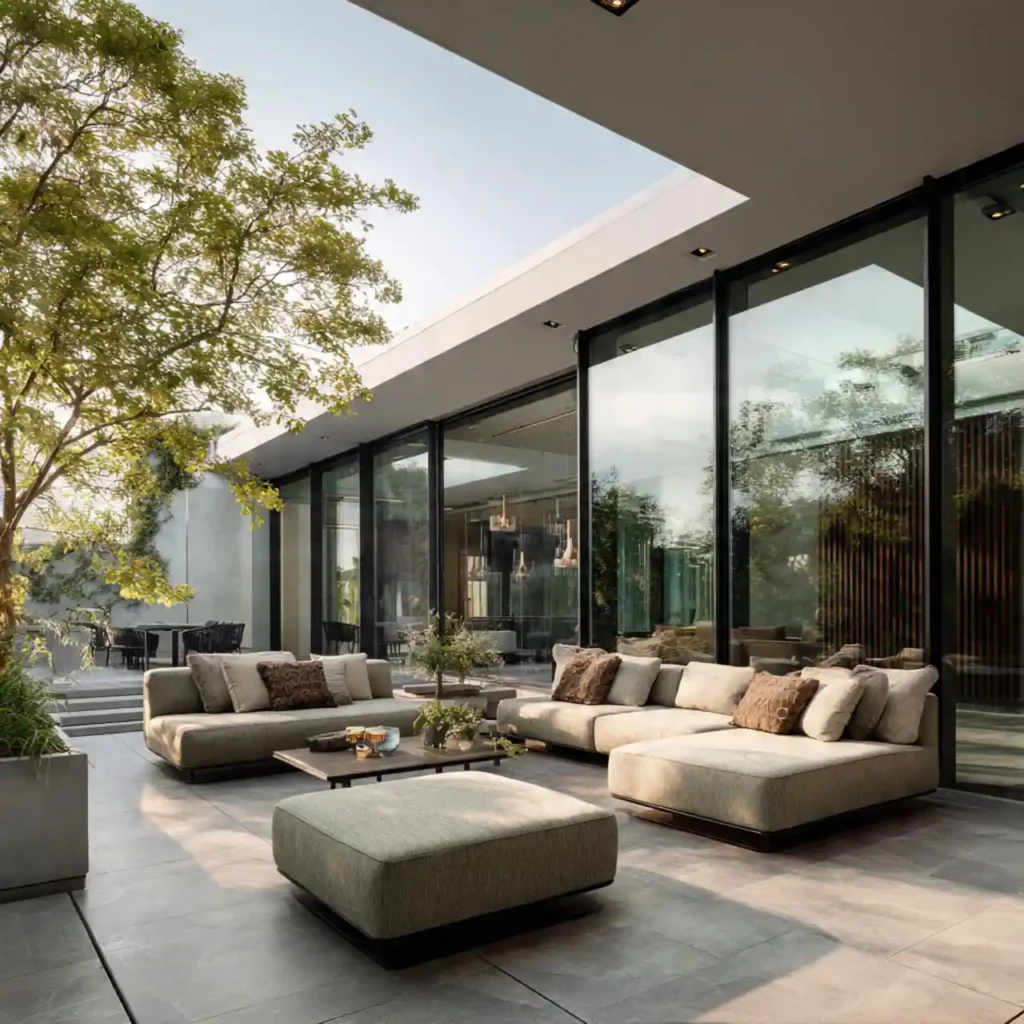
26. Indoor-Outdoor Seating Harmony
Outdoor lounge and patio furniture mirrors interior layouts. Glass walls open fully to create unified spaces. Ottoman-inspired cushions or textiles reference heritage. Functional furniture integrates seamlessly with pathways and terraces. Harmony encourages social interaction and visual continuity.
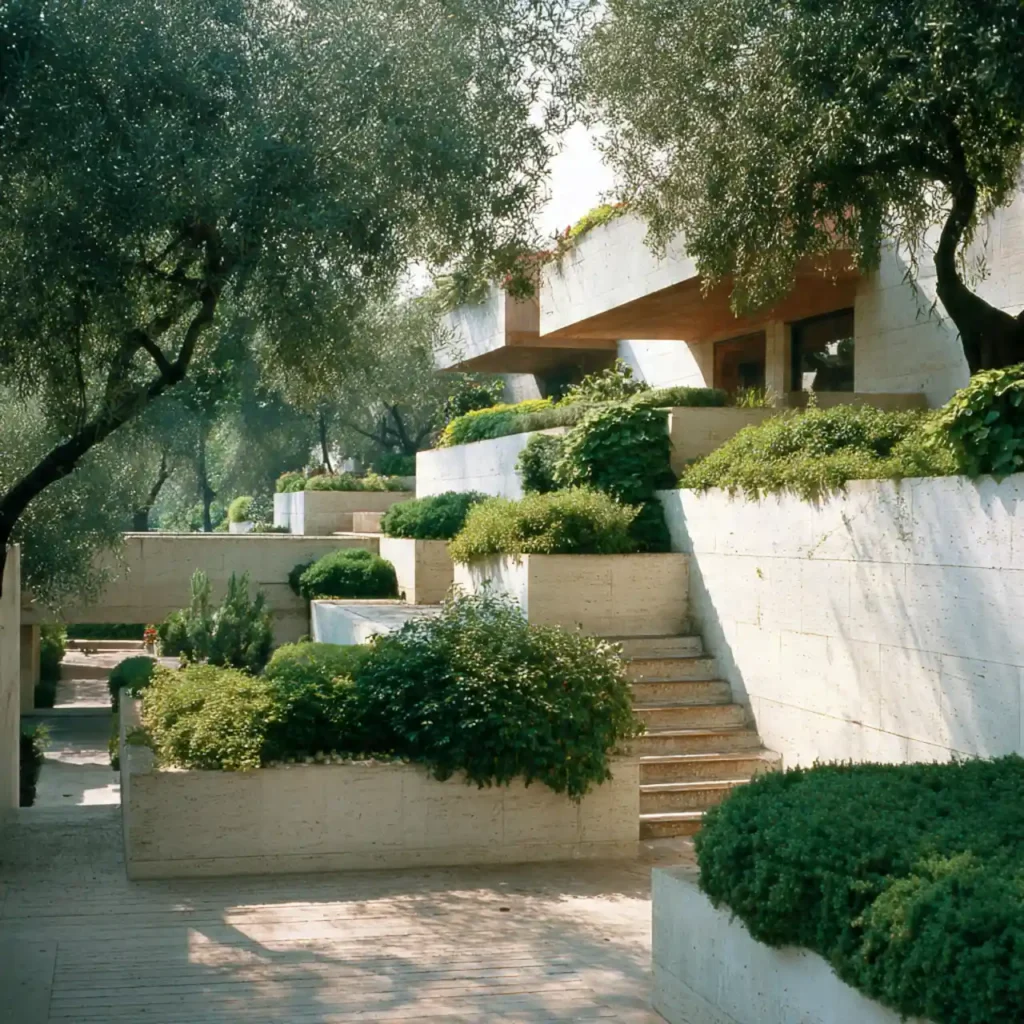
27. Terraced Landscaping
Plants, shrubs, and trees are arranged in terraced layers. Levels follow architecture’s horizontal planes. Terracing creates depth and visual separation between courtyard, entrance, and garden. Paths and steps connect terraces naturally. Green layers soften geometric forms.
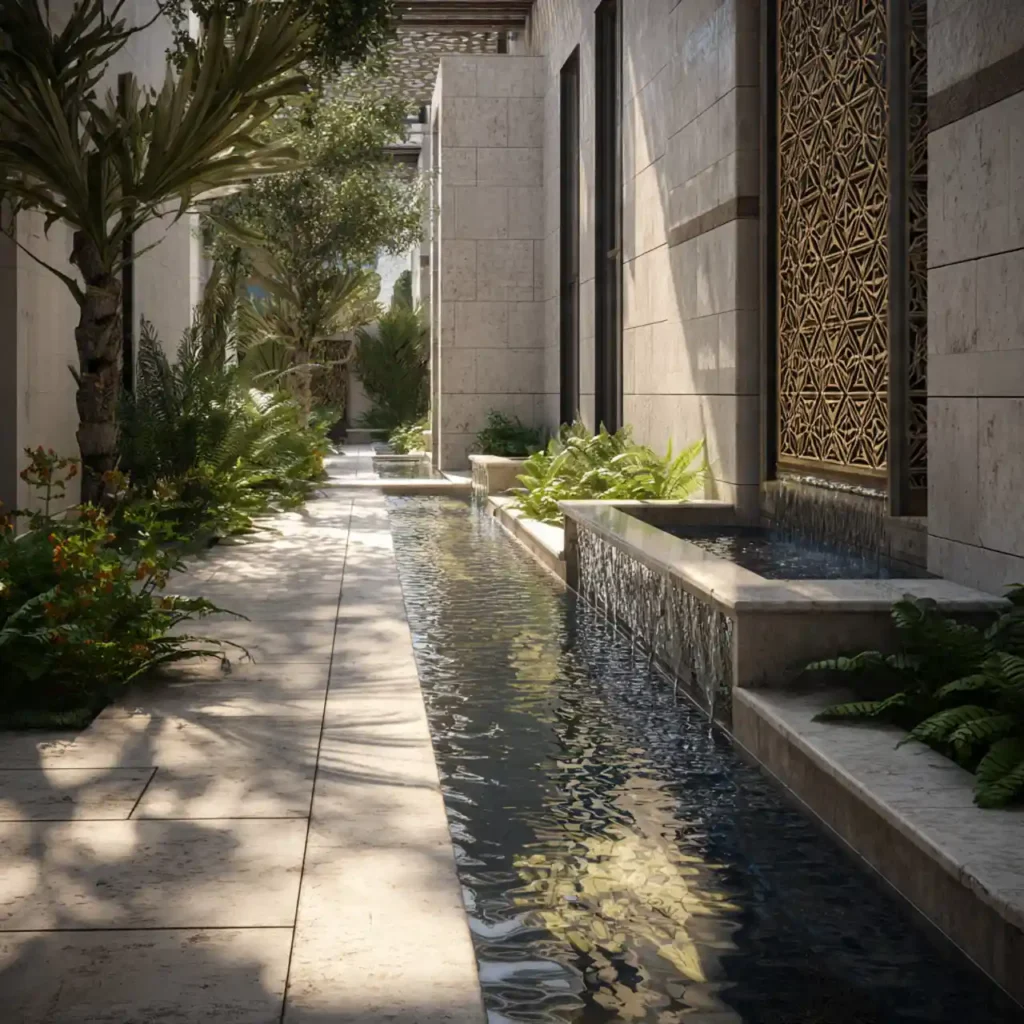
28. Integrated Water Channels
Linear water channels beside pathways or walls reflect modern and Ottoman design. Water enhances courtyard ambiance. Channels are flanked by stone or wood accents. Smooth flow guides attention through the exterior. Water complements greenery and architecture.
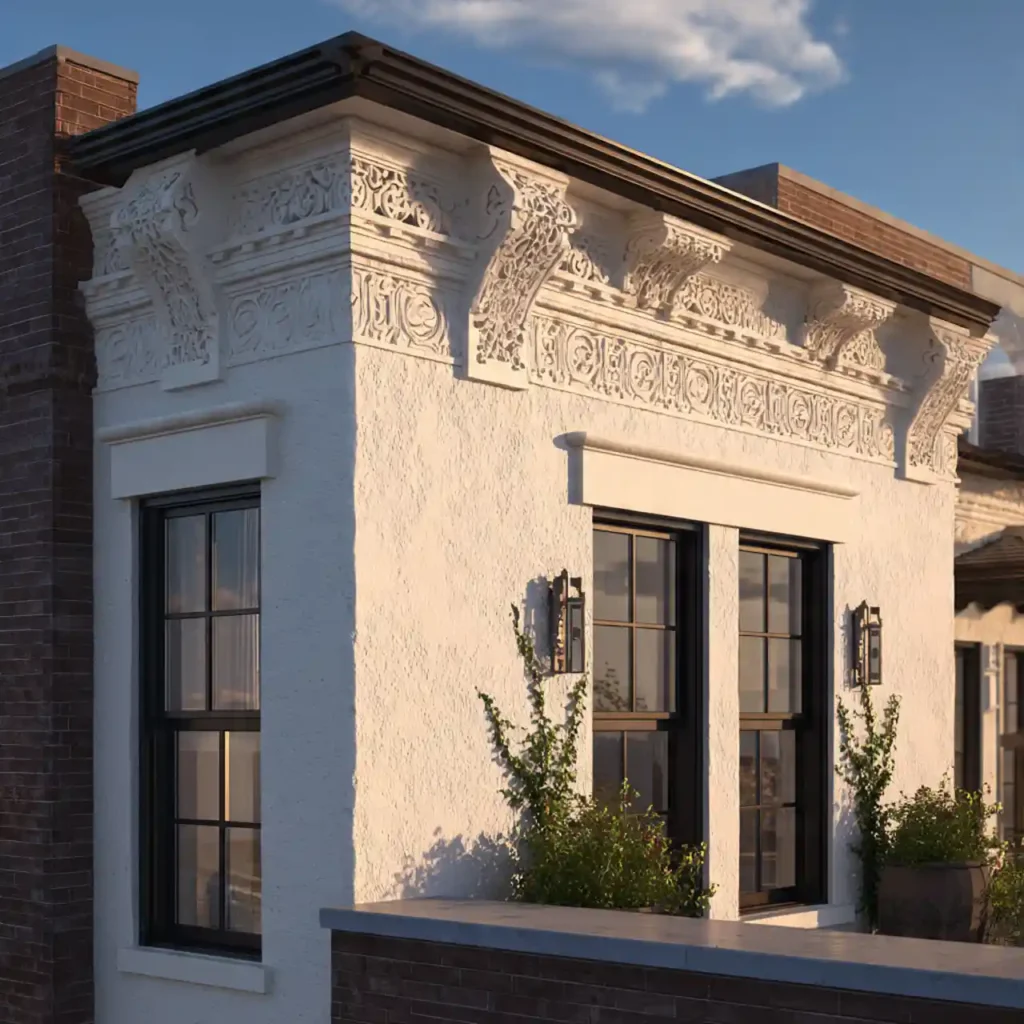
29. Decorative Cornice Details
Cornices along rooflines subtly reference Ottoman motifs. Smooth modern surfaces balance ornate detailing. Cornices integrate with windows, walls, and terraces. Shadow lines create texture and dimension. Details highlight craftsmanship without overwhelming design.
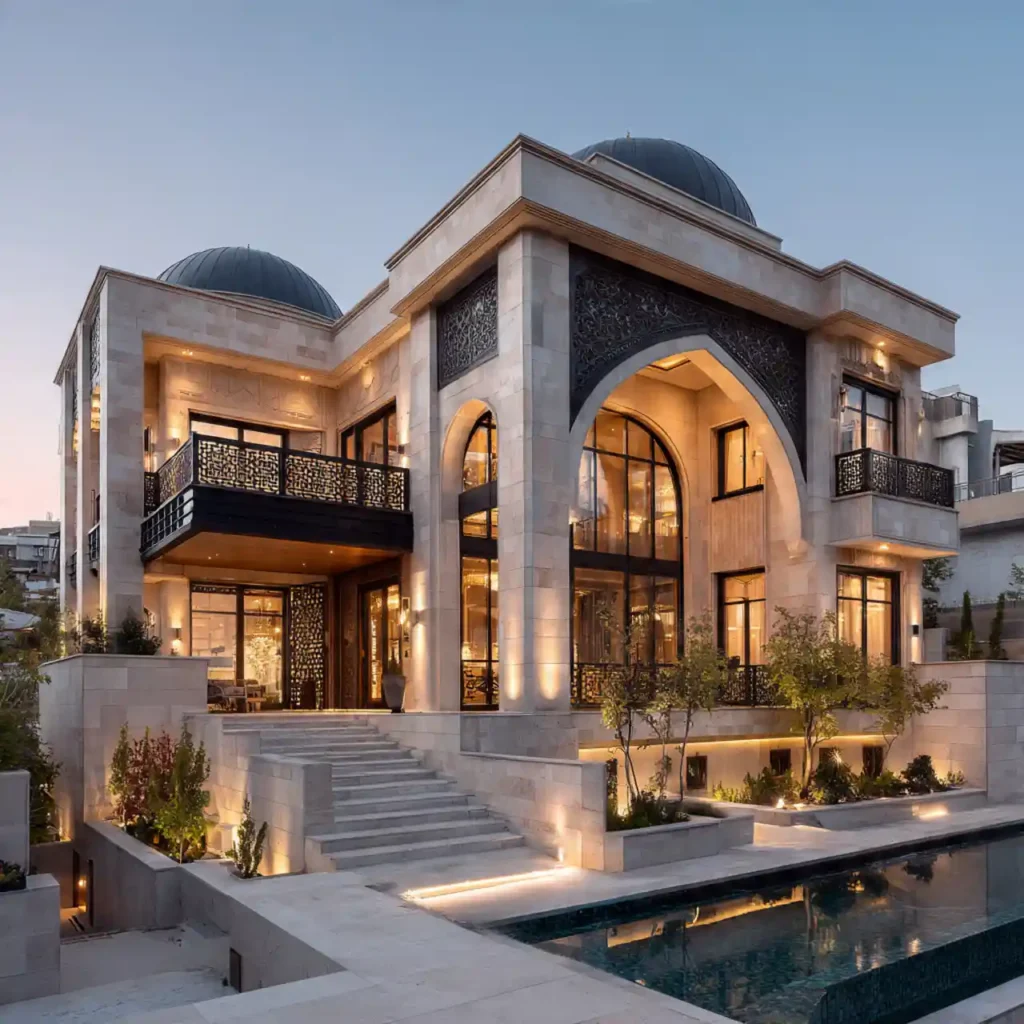
30. Overall Ottoman-Modern Cohesive Aesthetic
Every element from arches, domes, and lattice screens to modern terraces and glass walls works harmoniously. Proportion, symmetry, and material consistency unify the exterior. Greenery, water features, and lighting enhance cohesion. The home blends cultural richness with contemporary minimalism. The result is a polished, inviting, and timeless architectural composition.
Final Thoughts: Turkish Home Exterior Ideas
Blending Ottoman architectural elements with modern geometry creates homes that are visually striking, culturally rich, and functionally seamless. Thoughtful integration of arches, domes, terraces, and courtyards allows residents to enjoy harmony between indoor and outdoor spaces. Symmetry, proportion, and material consistency guide the design, ensuring balance and elegance at every turn.
Strategic use of water features, greenery, and lighting enhances sensory appeal while maintaining coherence. Overall, these Turkish Home Exterior Ideas showcase how tradition and modernity can coexist to craft timeless and inviting residential spaces.