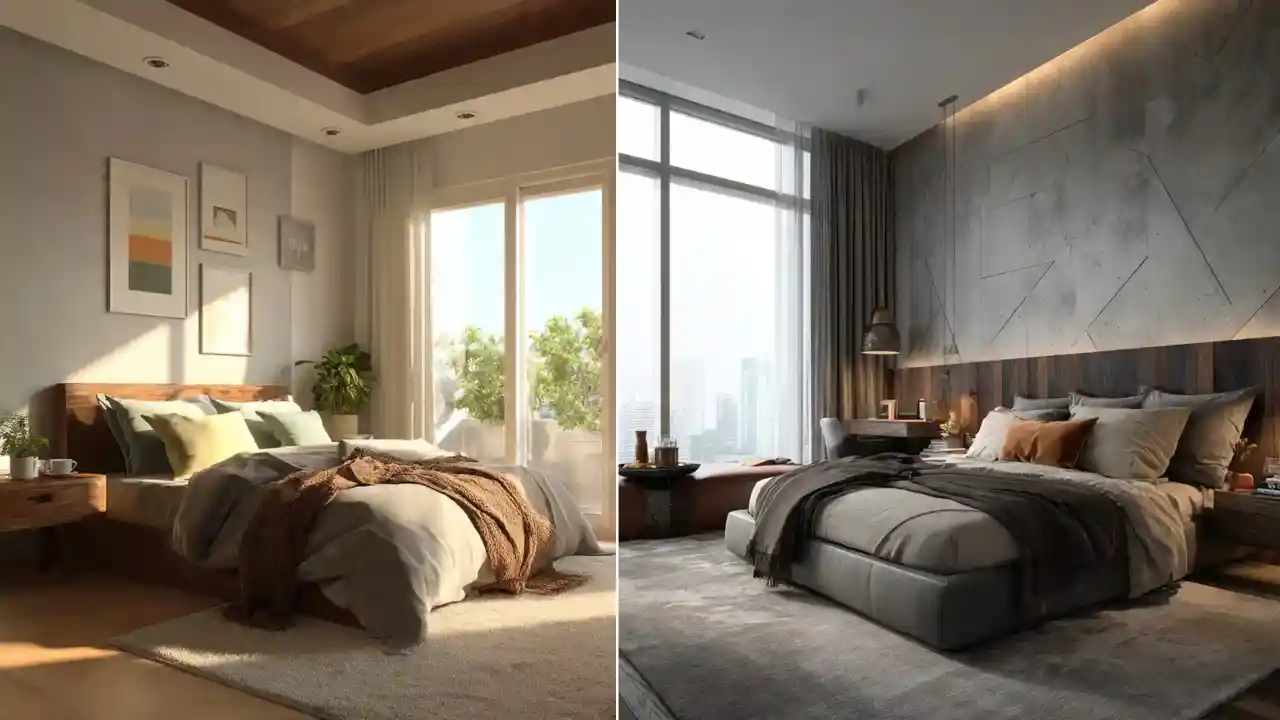
25 Bedroom Layout Concepts Rooted in Proportion and Calmness
A well-designed bedroom is not just about furniture placement, but about how space feels emotionally and visually. Proportion and calmness work together to create bedrooms that support rest, balance, and clarity. When layouts are thoughtfully composed, the room feels effortless rather than forced. Every element relates to another through spacing, scale, and alignment. These bedroom layout concepts by The Home Vista will focus on harmony, restraint, and timeless spatial logic.
1. Centered Bed With Equal Side Balance
The bed is positioned exactly at the visual center of the room. Equal space is maintained on both sides for nightstands and circulation. This layout creates immediate symmetry and calm. The eye feels settled and relaxed. Balance becomes the foundation of the entire bedroom.

2. Bed Aligned With Architectural Axis
The bed aligns with the room’s natural architectural lines. Windows, doors, or ceiling features guide placement. Nothing feels randomly positioned. This alignment strengthens spatial logic. Calmness emerges through intentional order.
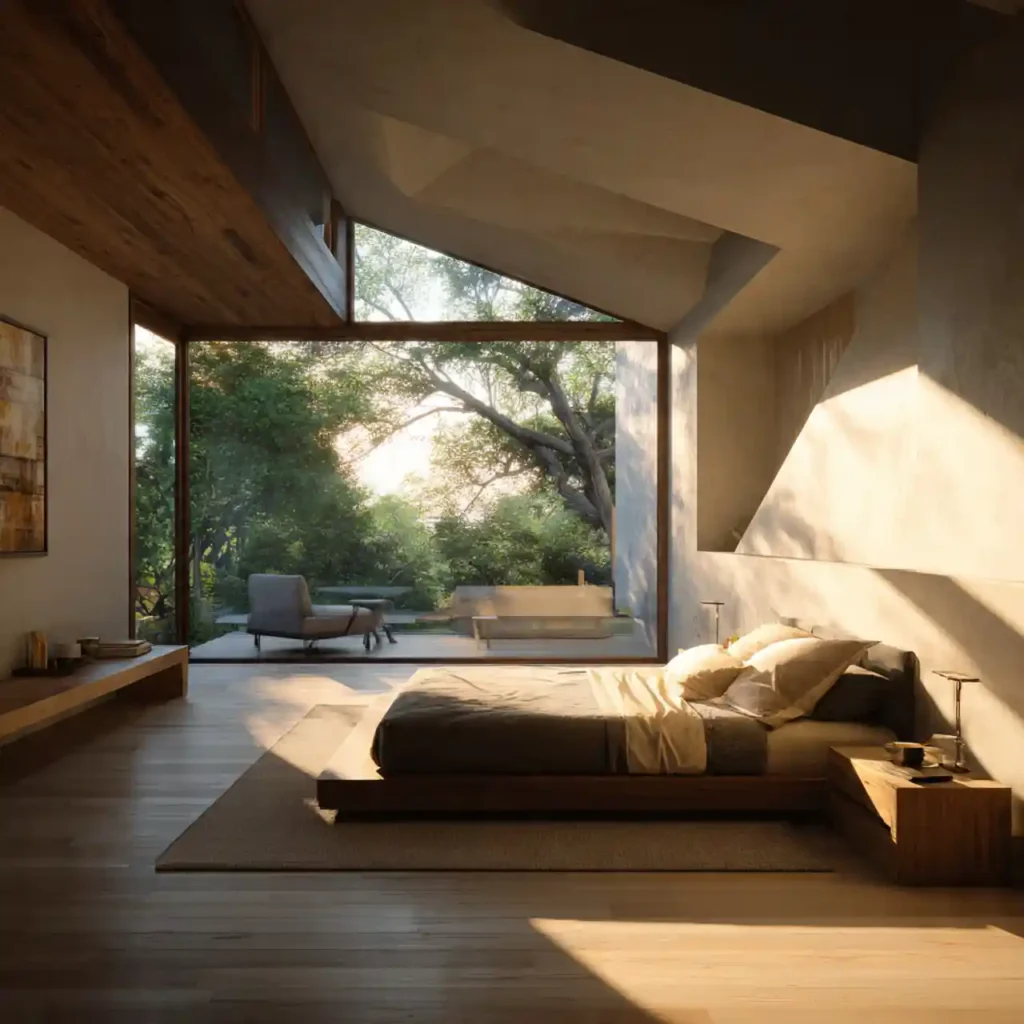
3. Clear Walking Zones Around the Bed
Adequate space surrounds the bed on all sides. Movement feels effortless and unblocked. The layout avoids tight or congested areas. Circulation becomes smooth and intuitive. Comfort is enhanced through spatial generosity.
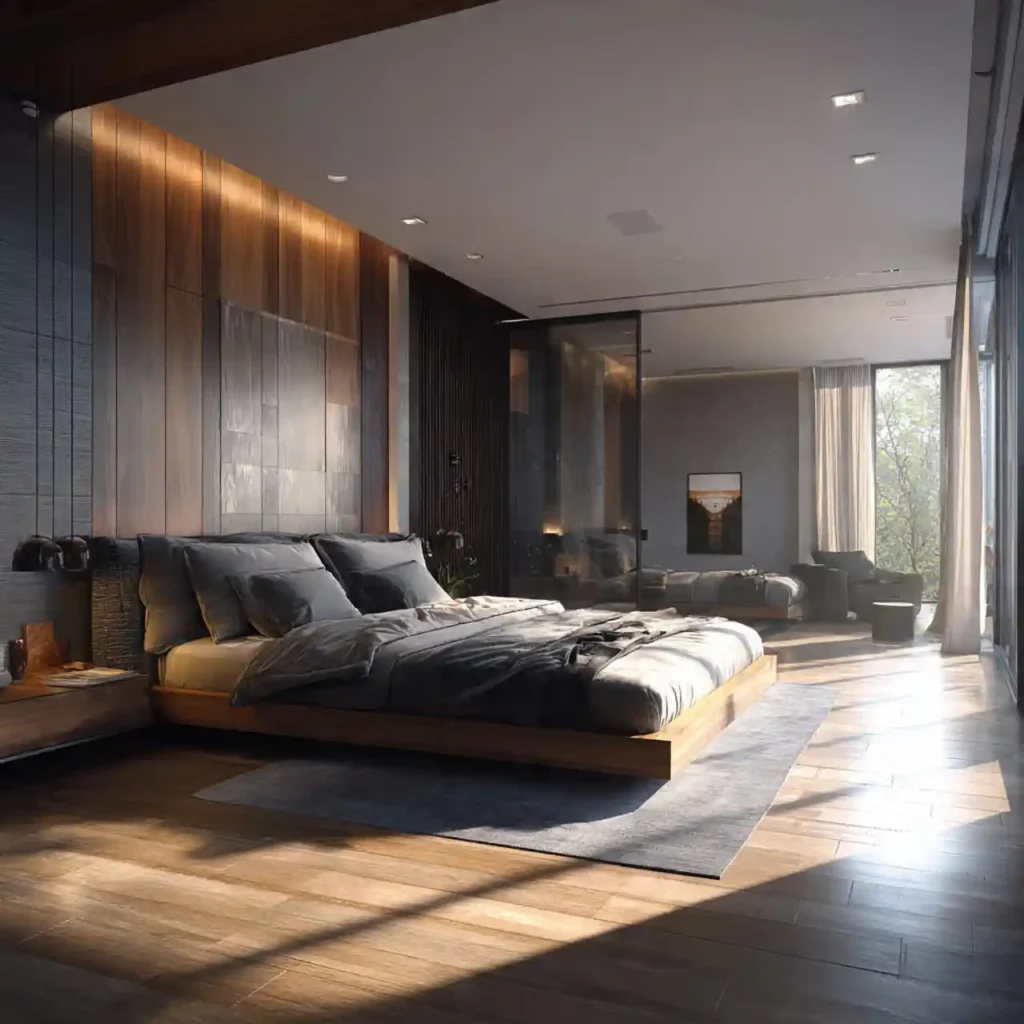
4. Low-Profile Bed for Visual Grounding
The bed sits lower to the floor, anchoring the room visually. Ceiling height feels more expansive. The layout feels stable and grounded. Vertical balance is improved naturally. Calmness is reinforced through proportion.
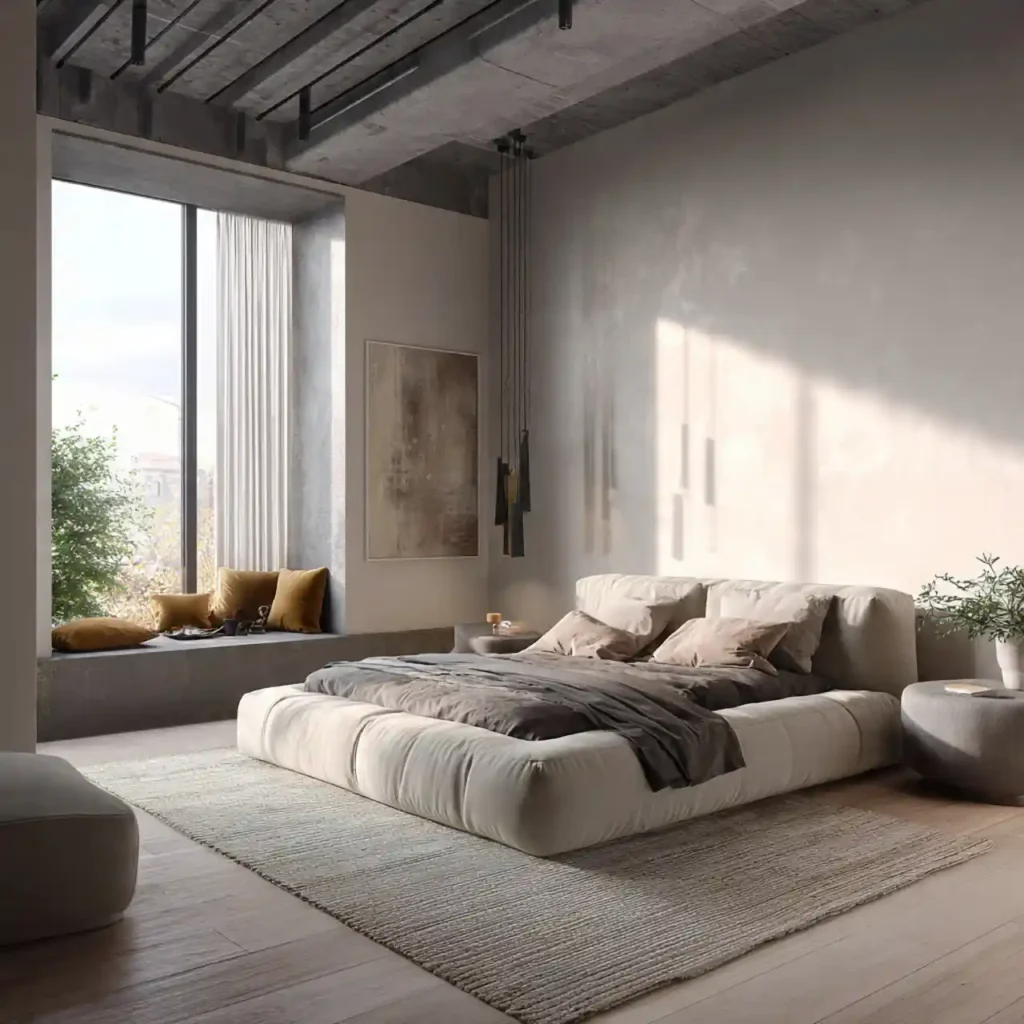
5. Symmetrical Nightstand Placement
Matching nightstands frame the bed evenly. Visual weight is distributed equally. This repetition creates rhythm and order. The layout feels intentional and composed. Symmetry supports mental relaxation.
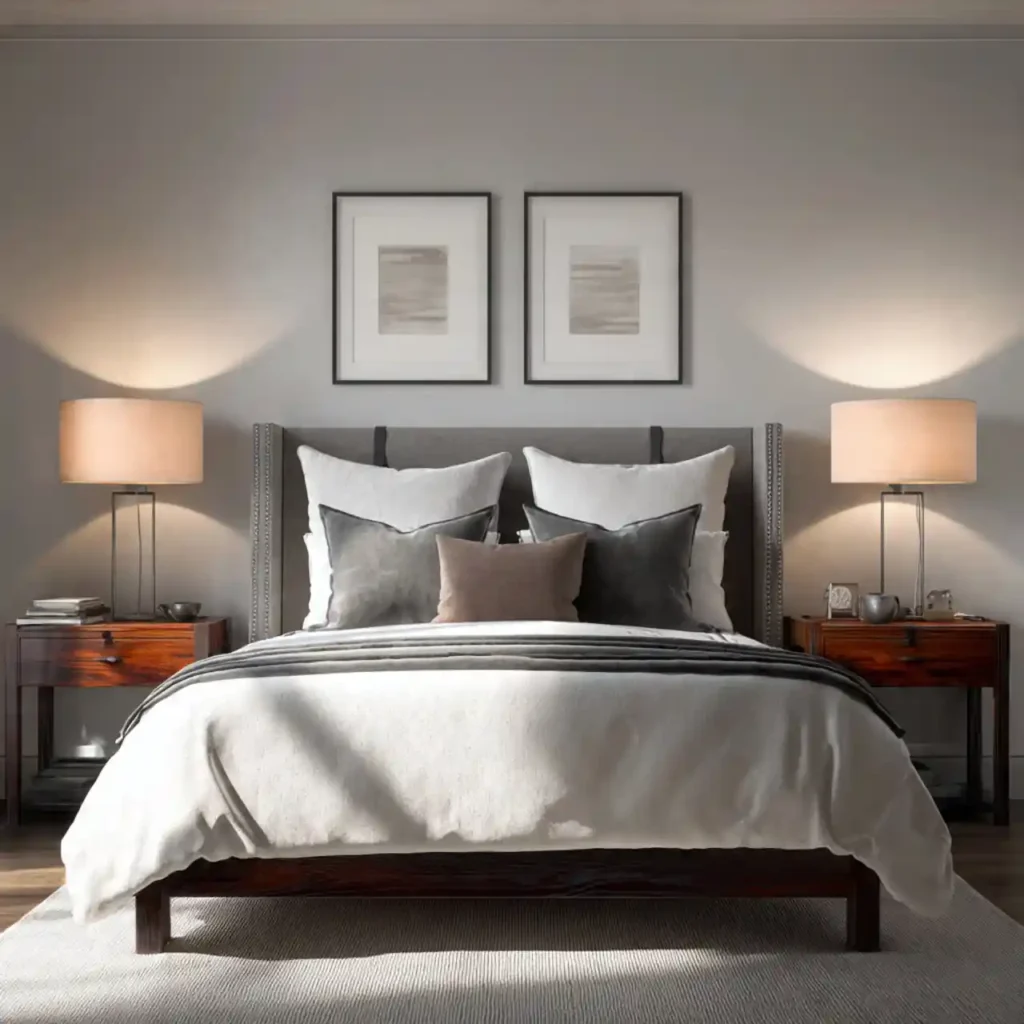
6. Furniture Sized Proportionally to Room Scale
All furniture matches the scale of the room. Oversized pieces are avoided completely. Nothing overwhelms the space visually. Proportion keeps the room breathable. Calm comes from correct sizing.
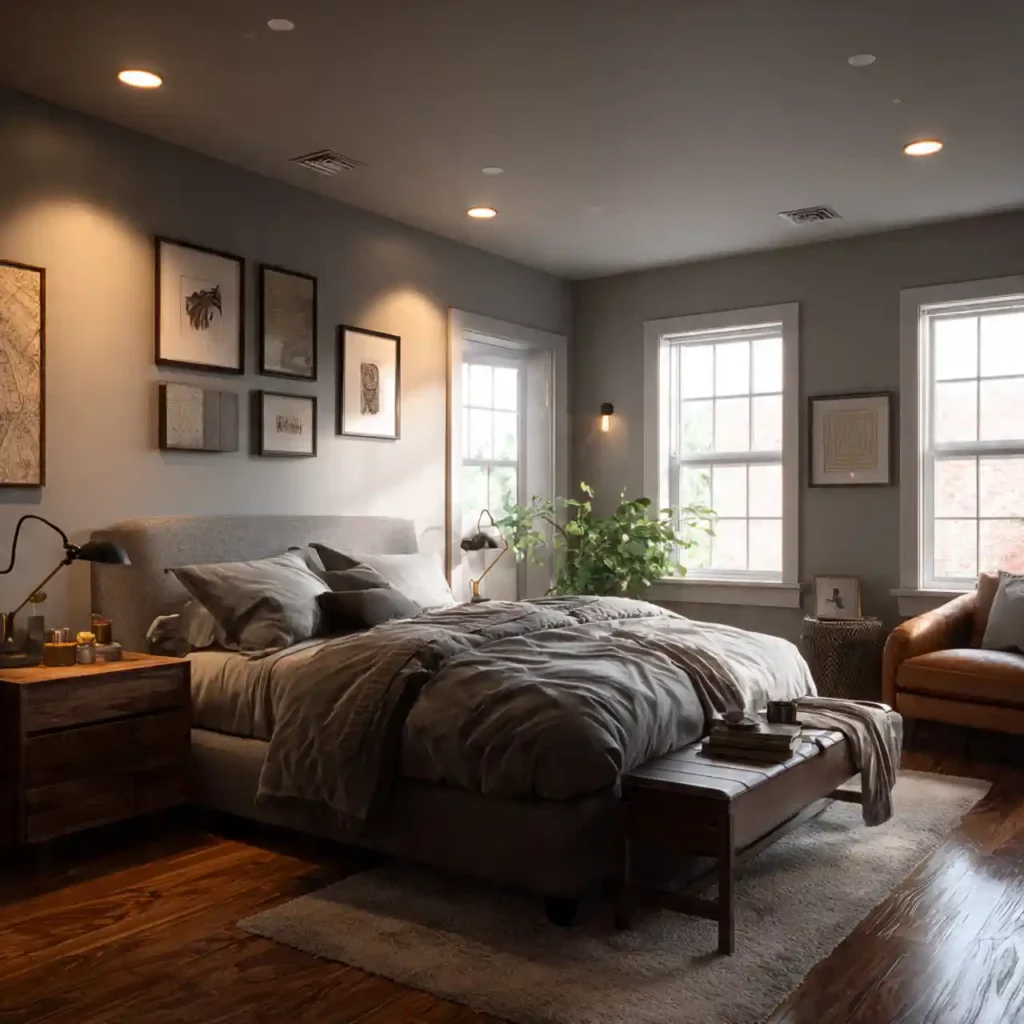
7. Clear Visual Path From Entry to Bed
The entrance offers a direct, unobstructed view toward the bed. Furniture never blocks the sightline. The layout feels welcoming and logical. Visual flow remains uninterrupted. The room feels open and calm.
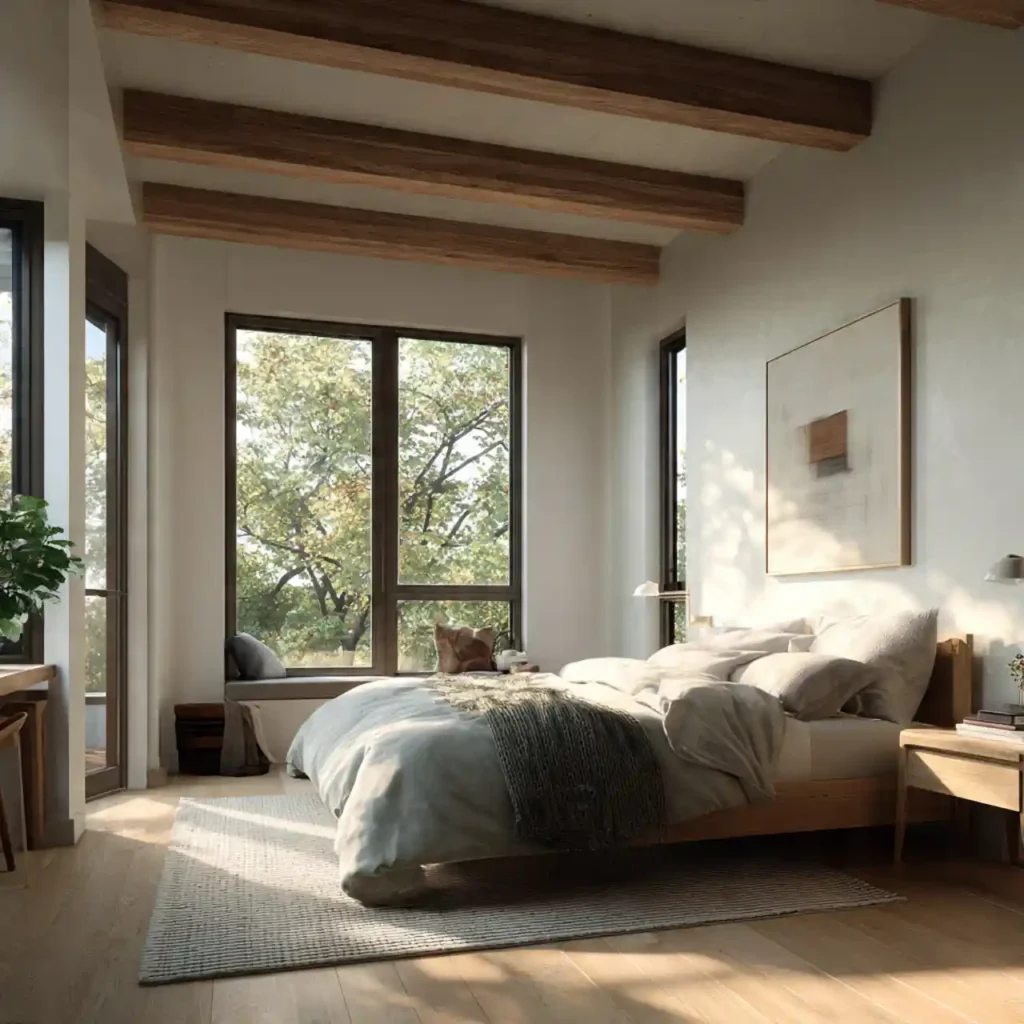
8. Balanced Wall Spacing Around Key Furniture
Furniture never touches walls unnecessarily. Equal spacing frames each piece clearly. Walls are allowed to breathe. This creates visual clarity. Calmness comes from restraint.
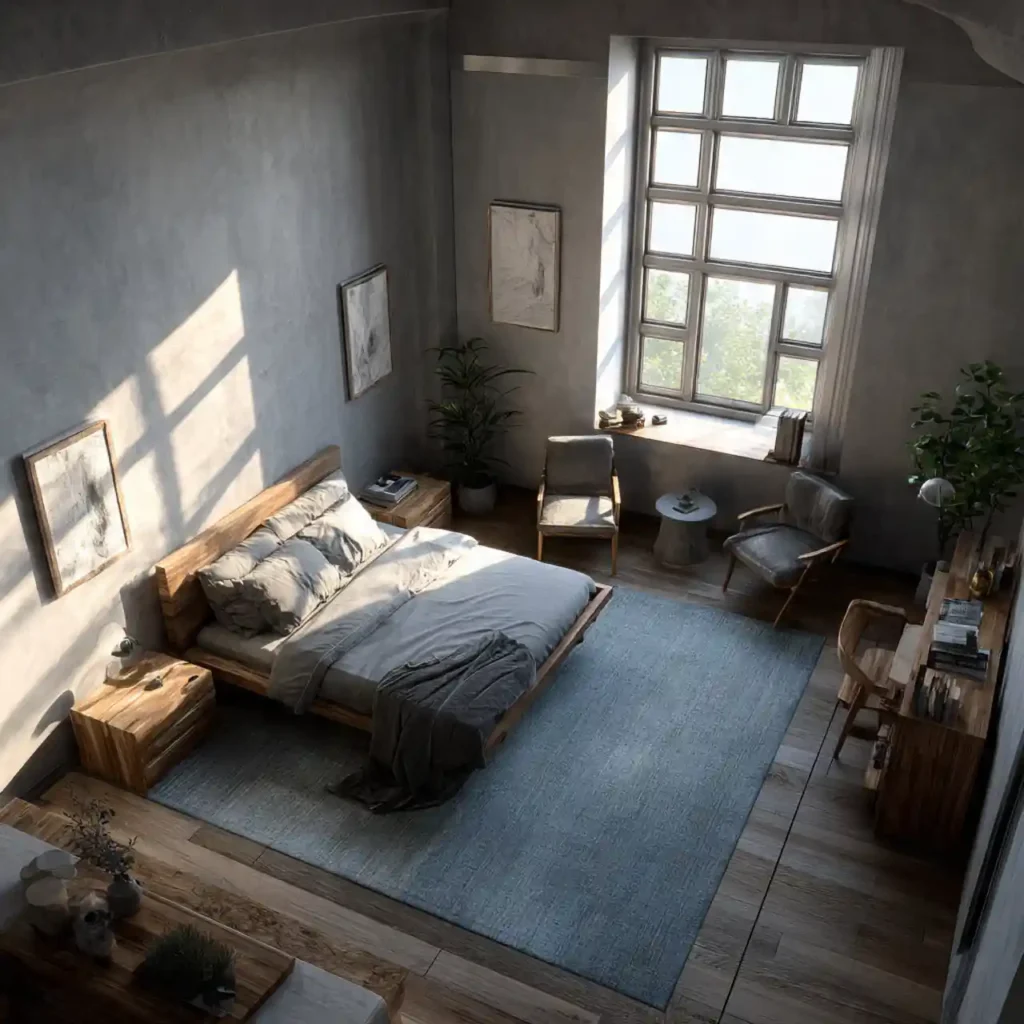
9. Minimal Furniture Count With Strong Placement
Only essential furniture pieces are included. Each item has a clear purpose and position. Nothing feels redundant. Space feels intentional, not empty. Calm is achieved through simplicity.
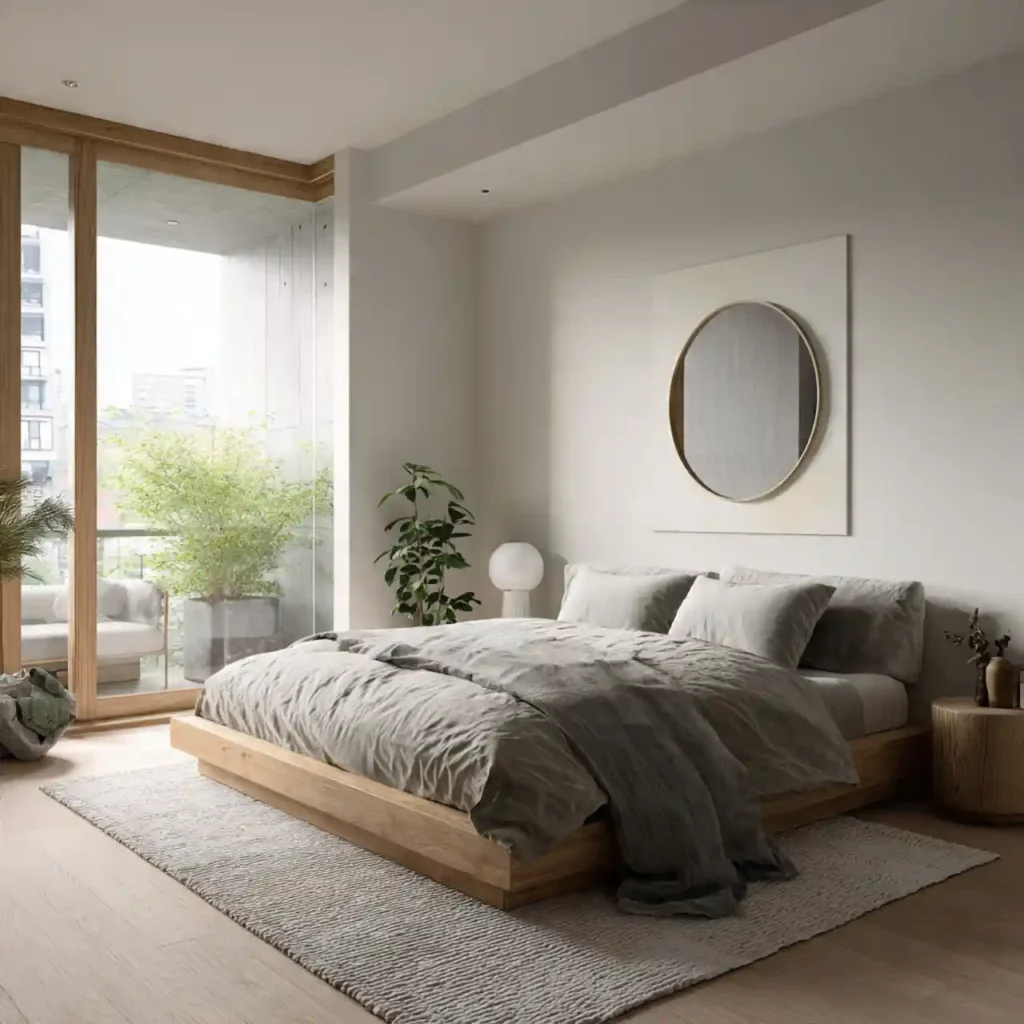
10. Bed Positioned Away From Direct Door Alignment
The bed is not directly aligned with the doorway. This increases privacy and emotional comfort. The layout feels protective and calm. Spatial tension is reduced. The room feels more restful.
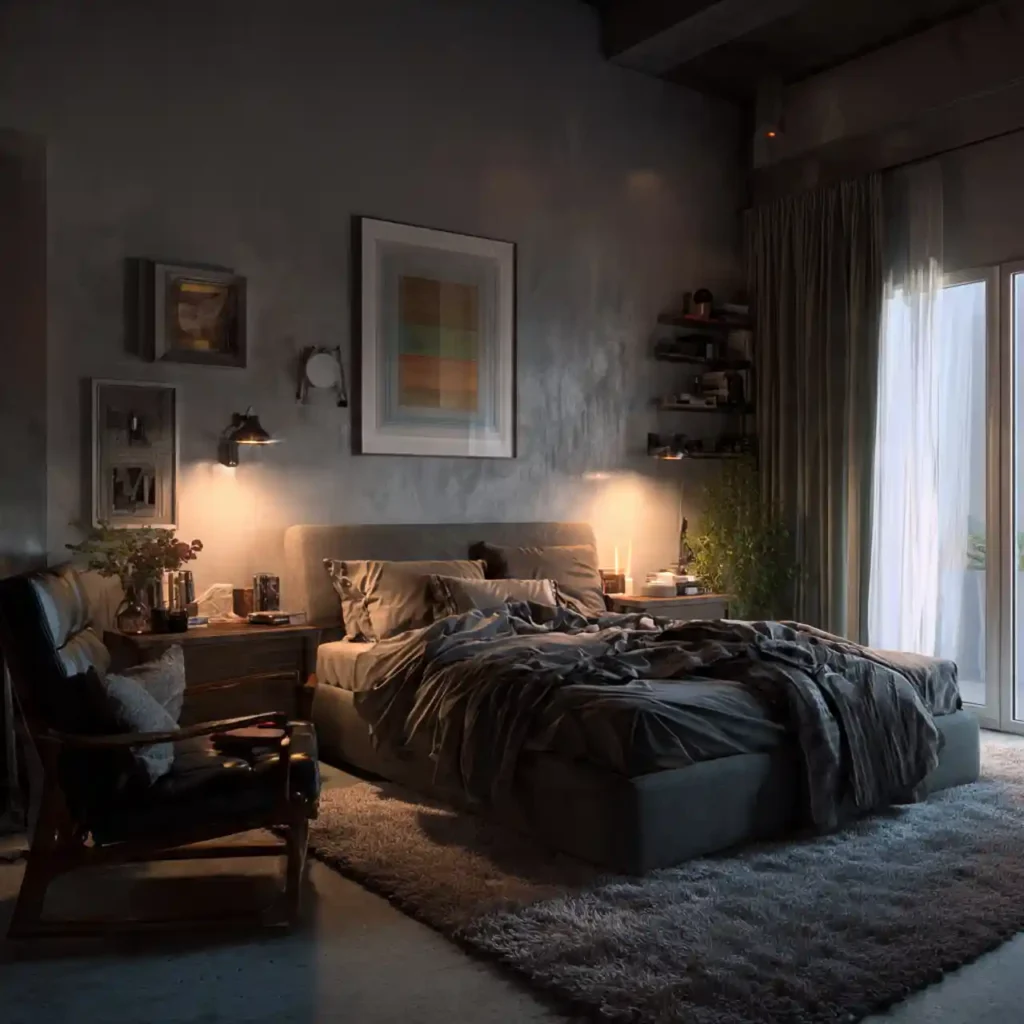
11. Natural Light Balanced Across the Layout
Furniture placement respects window positions. Light is allowed to spread evenly. No area feels dark or ignored. The room feels harmonious throughout the day. Calmness is supported by light balance.

12. Wardrobe Integrated Without Dominating Space
Storage remains visually secondary to the bed. Wardrobes align with walls or corners. Their scale feels controlled. Visual hierarchy stays intact. Calmness is preserved through subtle integration.

13. Open Floor Area at the Foot of the Bed
The space at the foot of the bed remains clear. This creates breathing room visually. The bed feels approachable, not crowded. Movement feels natural. Openness enhances calm.

14. Neutral Layout Without Sharp Angles
Furniture placement avoids aggressive angles. Lines remain soft and parallel. The layout feels gentle and composed. Visual stress is reduced. Calmness flows naturally.
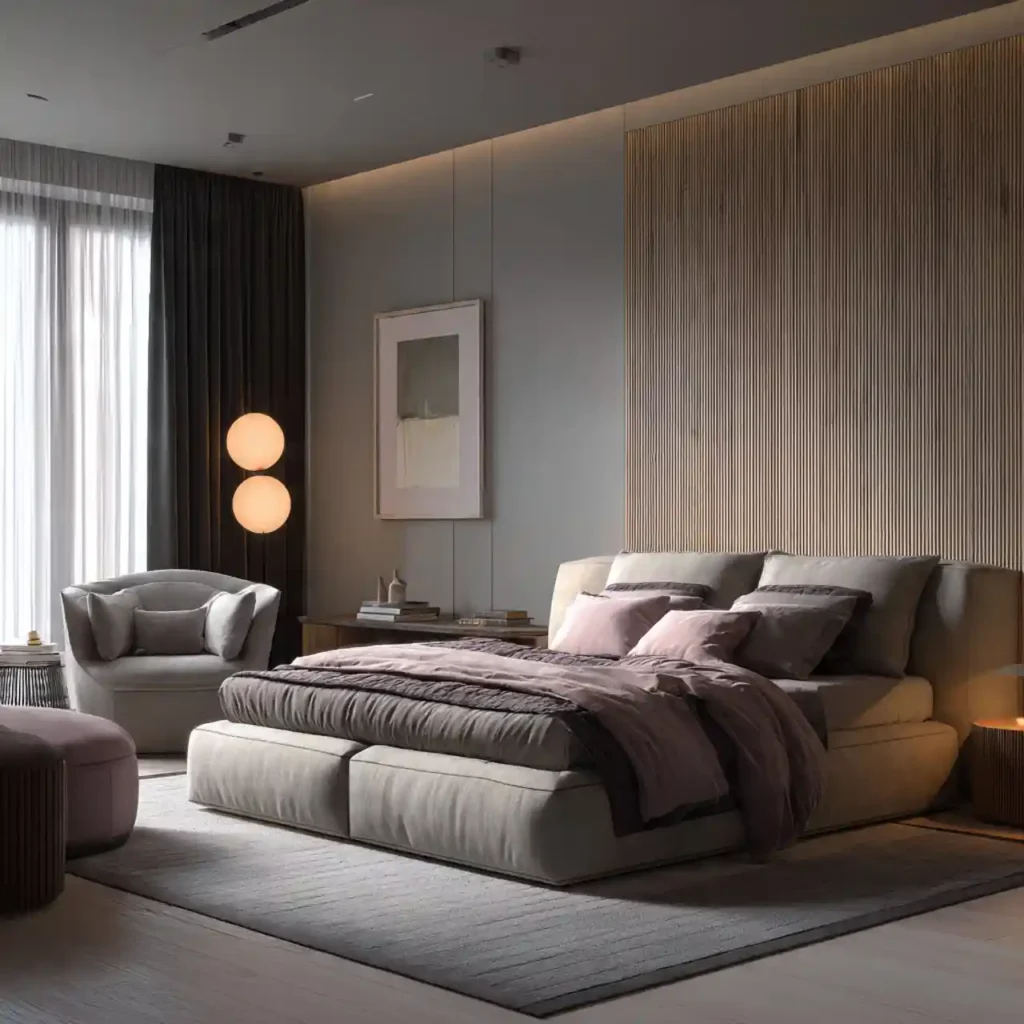
15. Balanced Ceiling-to-Floor Proportions
Furniture height relates well to ceiling height. Nothing feels too tall or too low. Vertical balance feels correct. The room feels proportionally complete. Calm is strengthened through harmony.
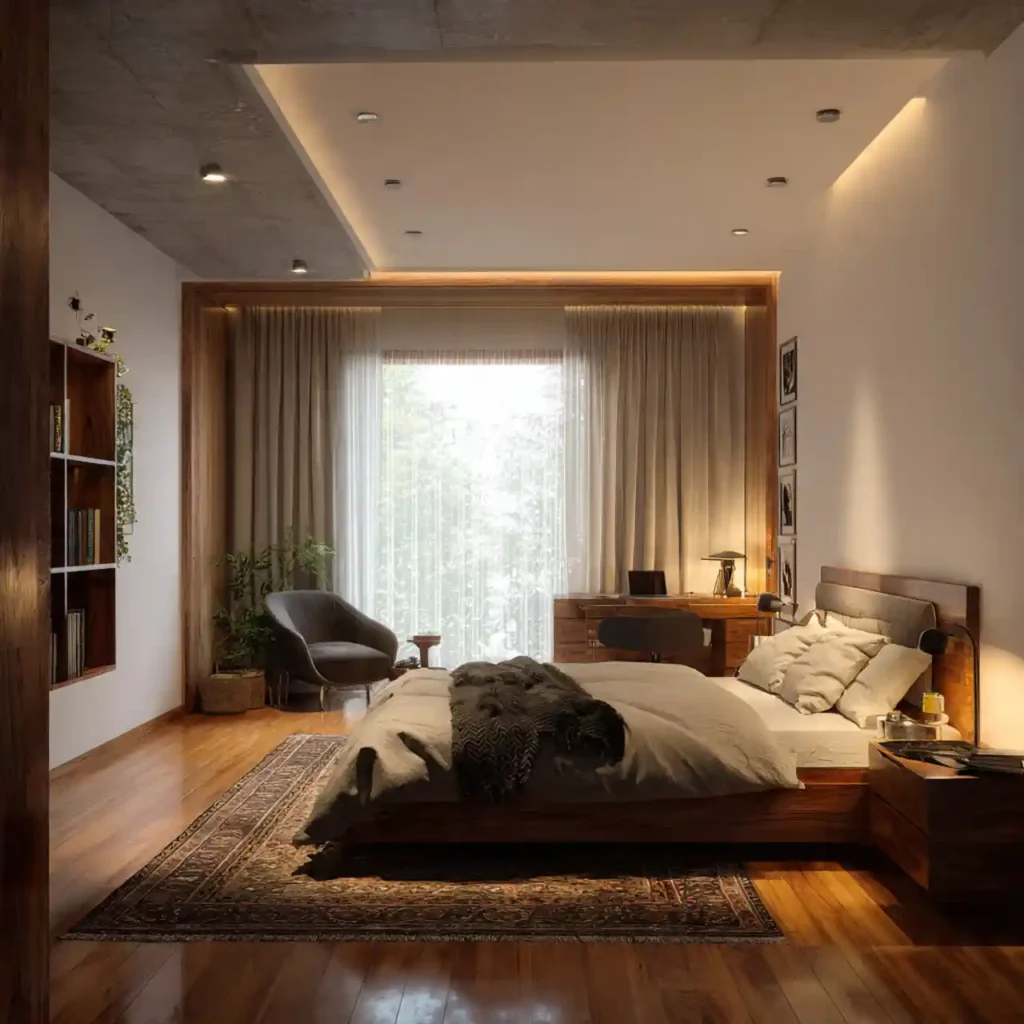
16. Seating Placed as Secondary Element
If seating exists, it never competes with the bed. Chairs or benches stay subtle in placement. The bed remains dominant. Visual hierarchy stays clear. Calm comes from clarity.
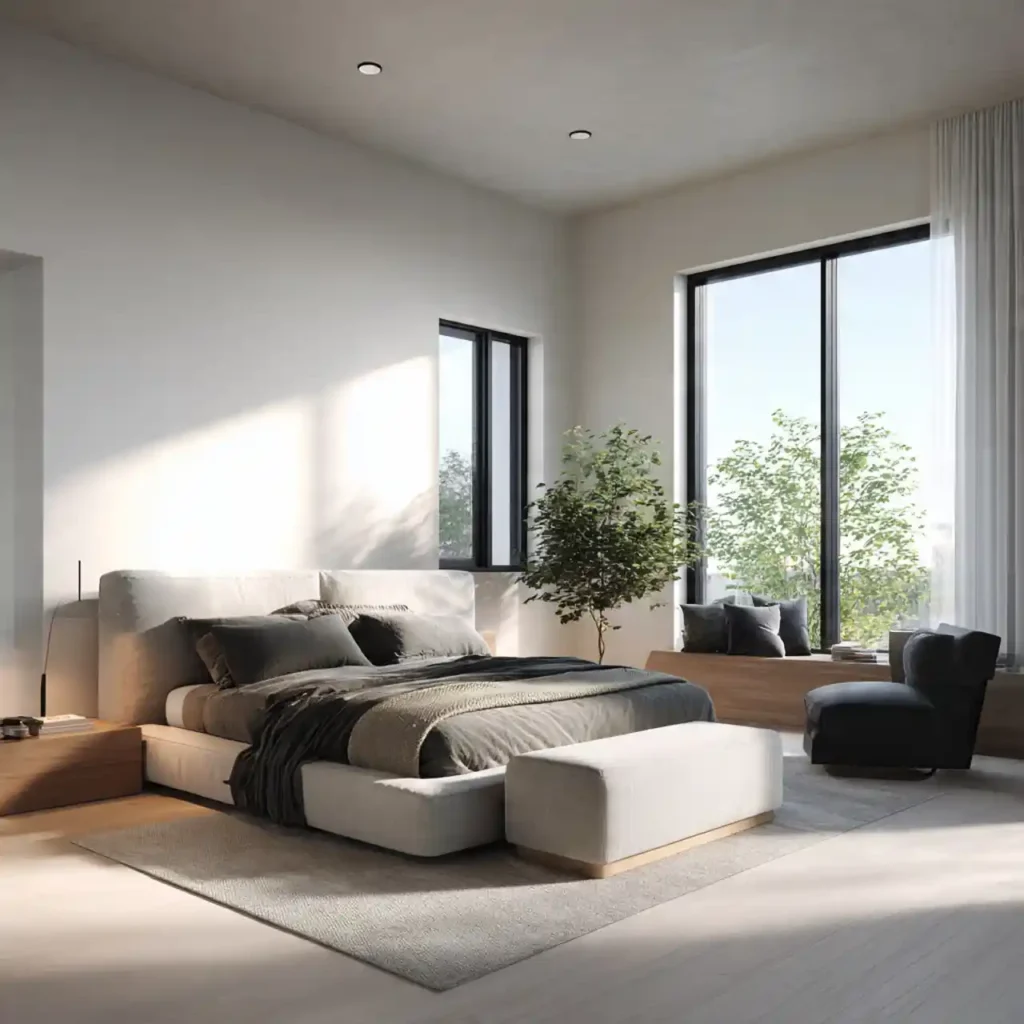
17. Window-Centered Layouts for Emotional Ease
The bed aligns with natural light sources where possible. Windows frame the layout gently. Daylight becomes part of the composition. The room feels soothing. Calmness feels natural.

18. Equal Negative Space on Both Sides
Empty space is treated intentionally. Both sides of the room feel equally open. Visual balance is maintained. Nothing feels crowded or empty. Calm lives in the space itself.

19. Furniture Grouped Into Clear Zones
Sleeping, storage, and seating zones are clearly defined. Each zone flows into the next naturally. Boundaries feel soft, not rigid. The room feels organized. Calmness follows structure.
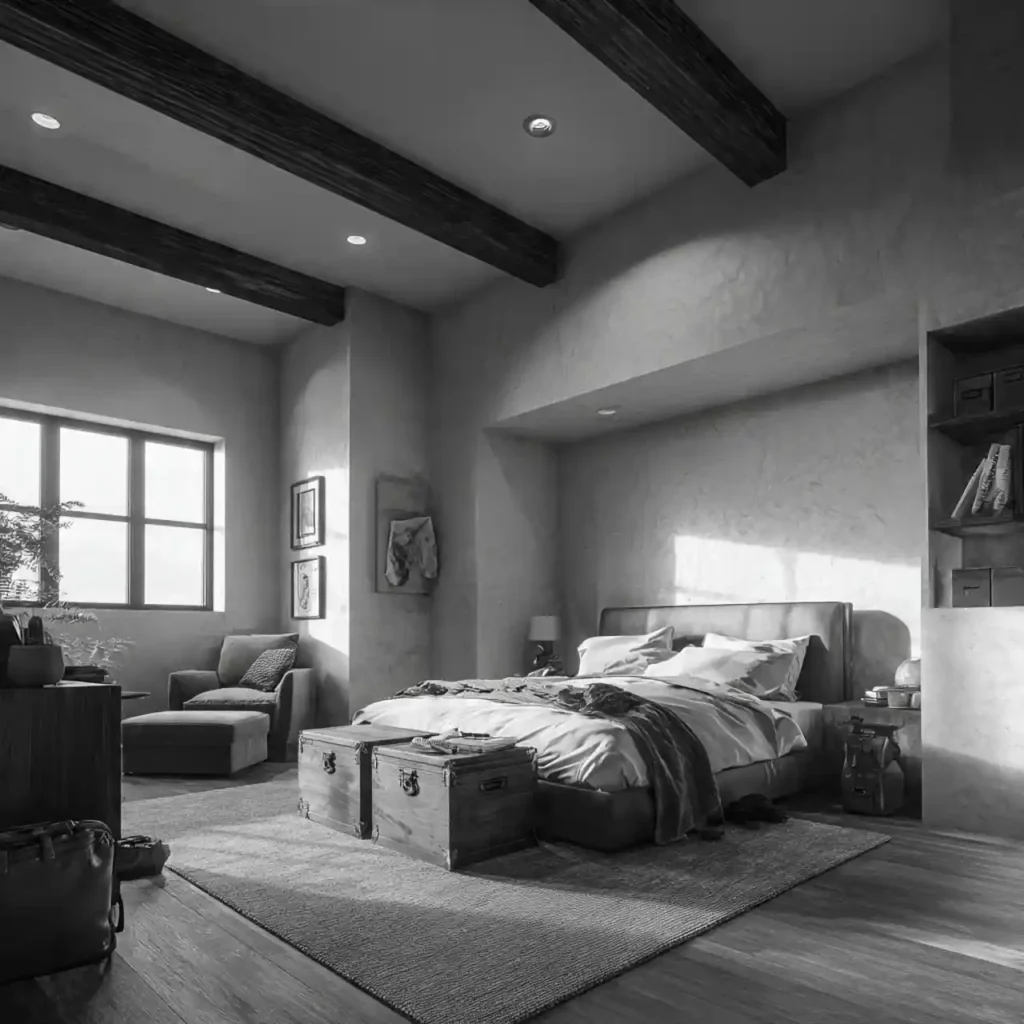
20. Headboard Wall as Visual Anchor
One wall clearly anchors the layout. The bed defines the room’s focus. Other elements support this anchor. Visual clarity is immediate. Calm is reinforced through hierarchy.
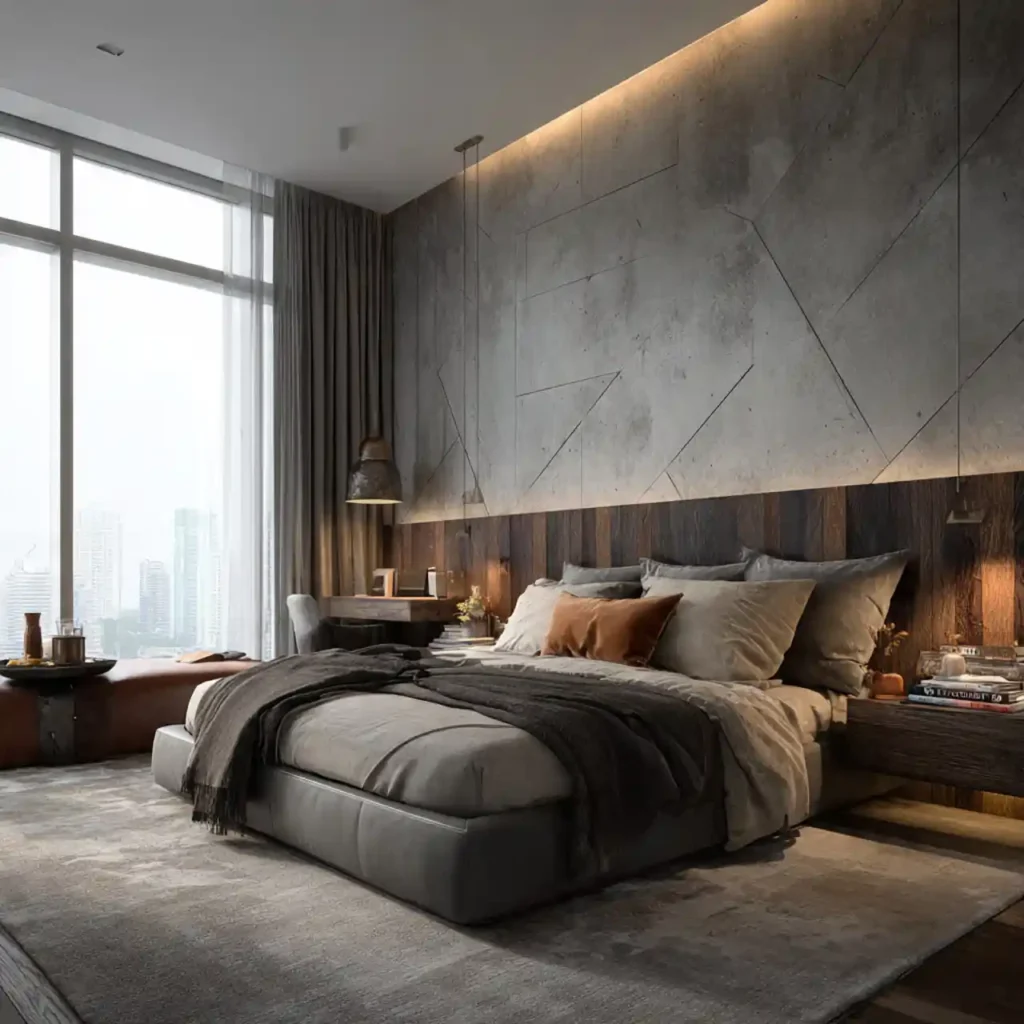
21. Consistent Alignment of All Furniture
Furniture edges align visually across the room. Nothing sits slightly off or awkward. Lines feel intentional. Visual order is strengthened. Calmness feels effortless.
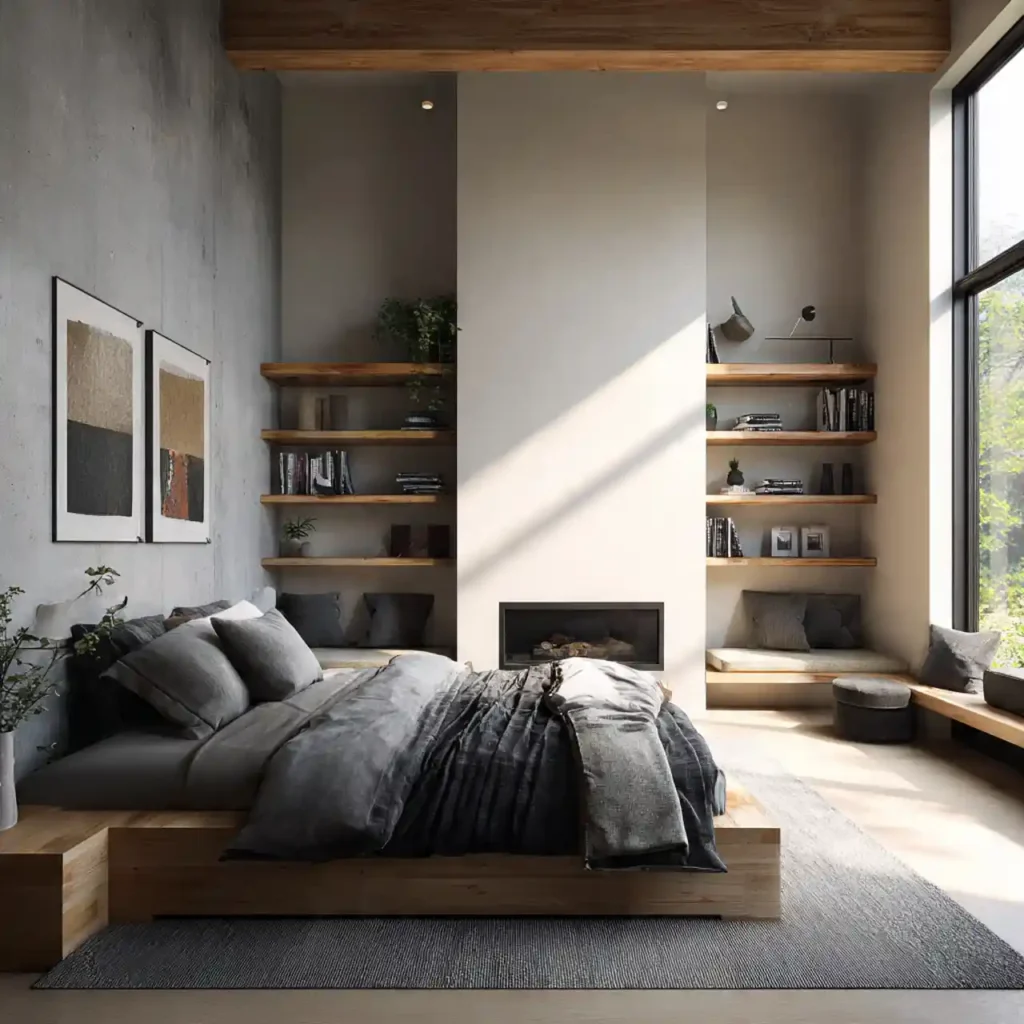
22. Space Between Furniture and Curtains
Curtains flow freely without obstruction. Furniture placement respects fabric movement. Windows feel soft and open. Visual tension is avoided. Calm is enhanced through flow.

23. Layout Designed for Quiet Movement
Paths are gentle and direct. No sharp turns or tight spaces exist. Movement feels slow and calm. The room supports rest naturally. Layout encourages ease.

24. Balanced Visual Weight Across the Room
No single area feels heavier than another. Furniture mass is distributed evenly. The room feels stable. Visual balance supports emotional calm. Nothing feels overwhelming.
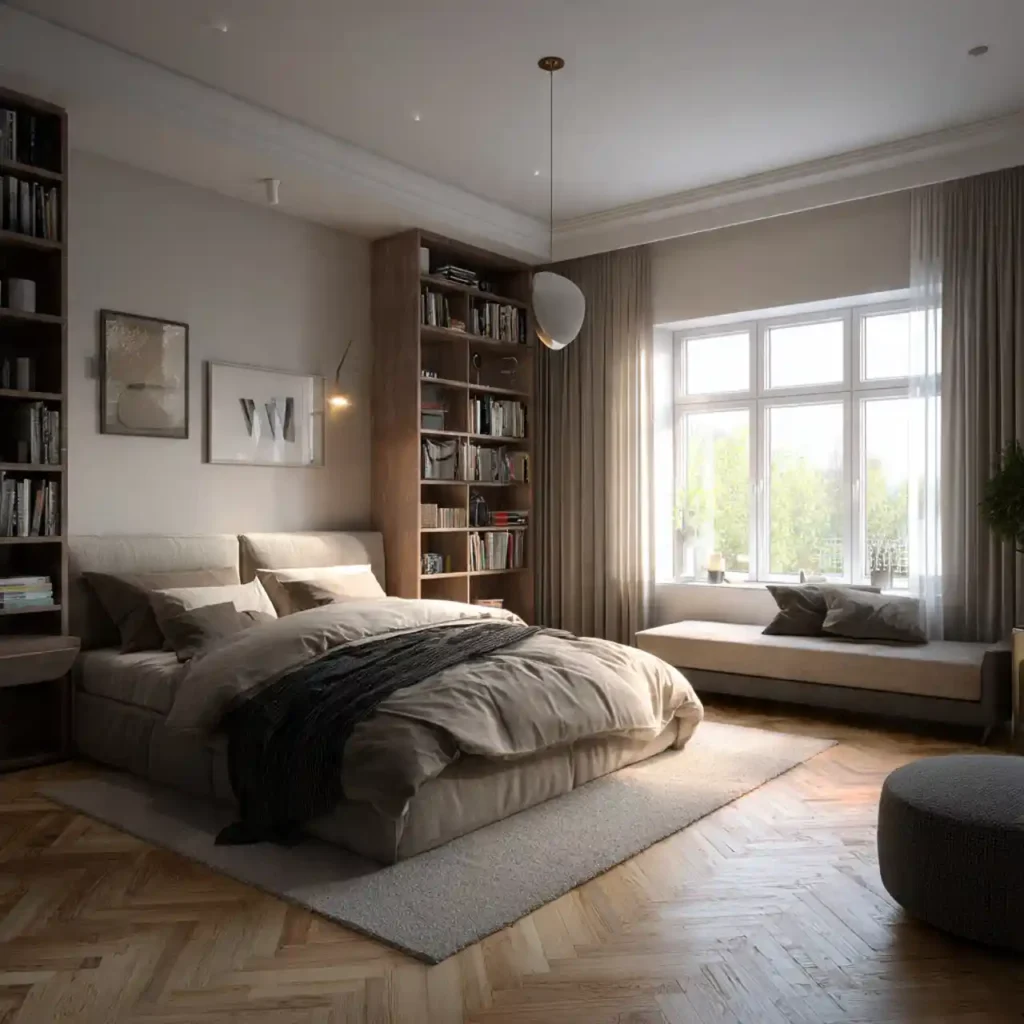
25. Layout That Feels Still and Intentional
Every element feels thoughtfully placed. Nothing appears accidental. Space feels settled and composed. The bedroom invites rest immediately. Proportion and calmness define the experience.

Final Thoughts: Bedroom Layout Concepts
Bedrooms designed with proportion and calmness feel effortless yet deeply intentional. When layouts respect balance, spacing, and visual hierarchy, the space supports rest naturally. Calm is not created by decoration, but by thoughtful composition. These bedroom layout concepts focus on how space feels, not how much it contains. A well-proportioned bedroom becomes a quiet retreat that never feels overwhelming.