
25 Contemporary Interior Design Ideas That Feel Architectural Yet Warm & Lived-In
Interior design is no longer just about furniture placement or color selection. It has evolved into a thoughtful process that balances functionality, comfort, and emotional well-being. A well-designed interior influences how we move, feel, and interact within a space. Modern interiors focus on flow, natural light, material harmony, and long-term usability rather than short-lived trends.
Today’s interior spaces are expected to feel calm, intentional, and timeless. From seamless surfaces to intelligent layouts, design decisions now prioritize clarity and purpose. These 25 Contemporary Interior Design Ideas by The Home Vista will definitely give you a new dimension to style your interior in a modern way.
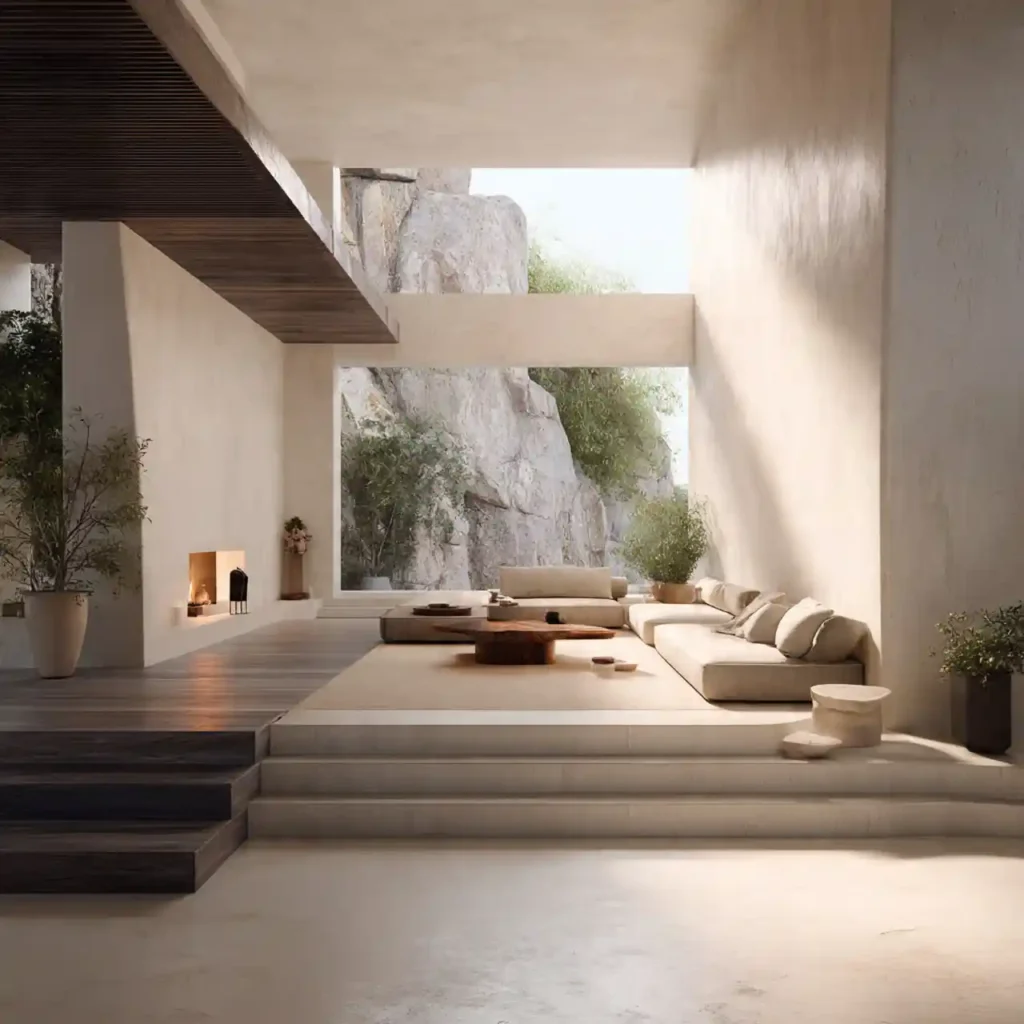
1. Interior Spaces Defined by Floor Level Changes
Instead of relying on walls or partitions, subtle floor level changes are used to define different interior zones. A slightly lowered lounge or raised sitting area naturally separates functions while maintaining openness. This approach enhances architectural interest and spatial hierarchy. It also creates intimacy without blocking light or airflow. The interior feels intentional, fluid, and visually dynamic. Floor level variation adds luxury through design intelligence rather than decoration.
2. Interior Walls Finished in Microcement
Microcement creates a seamless and contemporary wall surface with no visible joints or patterns. Its soft texture adds depth while maintaining minimalism. Light reflects gently across the surface, enhancing calmness. The finish feels modern yet timeless, making it ideal for long-term interiors. Microcement walls pair well with natural materials like wood and stone. The result is a refined, architectural interior with understated elegance.
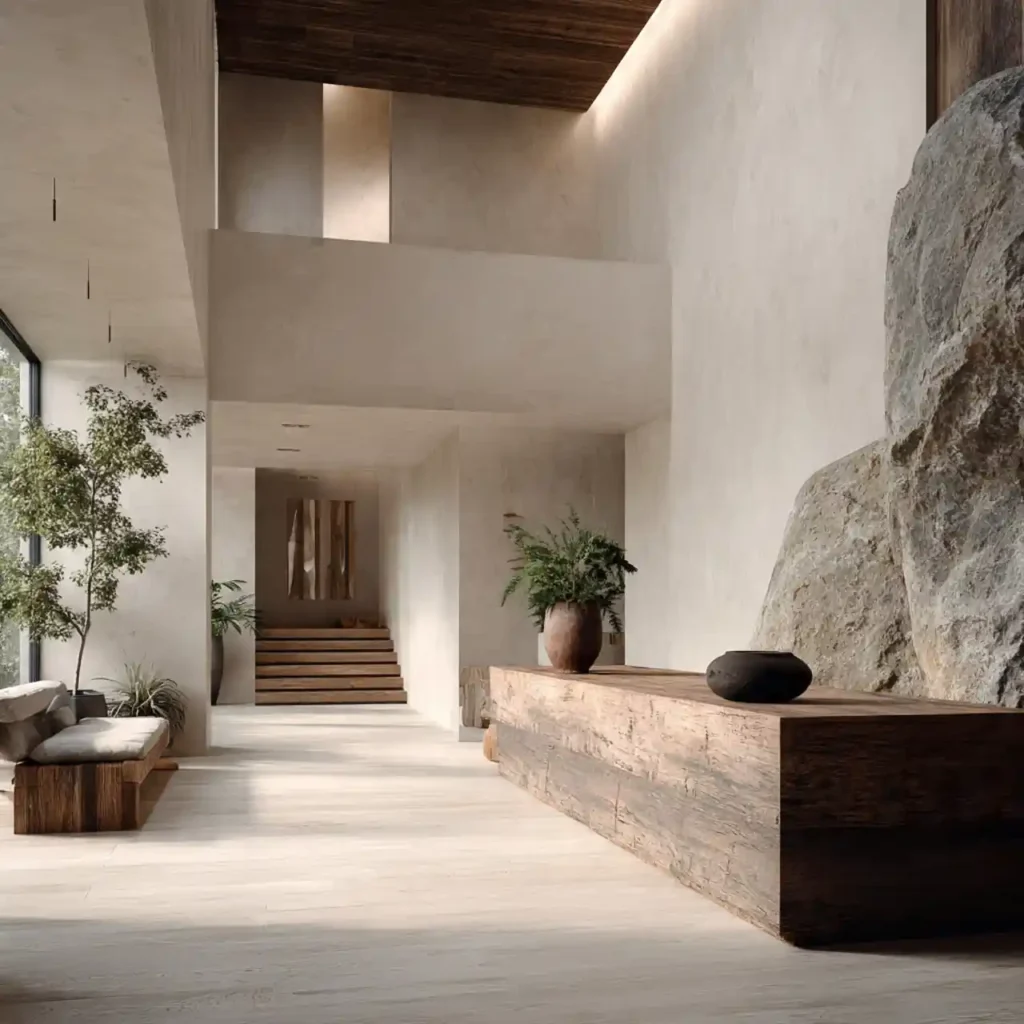
3. Continuous Ceiling Design Across Rooms
A continuous ceiling design visually connects multiple interior spaces. Linear lighting or subtle grooves remain consistent across rooms, eliminating visual breaks. This technique makes the interior feel larger and more cohesive. It enhances flow and architectural unity. The ceiling becomes a silent guide through the home. This design strategy is ideal for modern open-plan interiors.

4. Interior Layout Centered Around Natural Light Path
Furniture and circulation are planned according to how natural light moves throughout the day. Seating areas are positioned to receive daylight without glare. Windows remain unobstructed to allow light penetration. This creates a living interior that changes with time. Spaces feel brighter, healthier, and more connected to nature. Light becomes a key design element rather than an afterthought.

5. Architectural Interior Frames
Doorways and transitions are framed using plaster, wood, or stone to create architectural depth. These frames visually guide movement between spaces. Instead of decoration, structure defines beauty. Framed openings add rhythm and proportion. They elevate simple interiors into refined architectural compositions. The space feels curated and intentional.

6. Low-Visual-Noise Interior Styling
This approach focuses on reducing unnecessary visual elements. Furniture is limited to essentials only. Surfaces remain clear and uncluttered. The eye can rest without distraction. The interior feels calm, balanced, and mature. Luxury is expressed through restraint rather than excess.
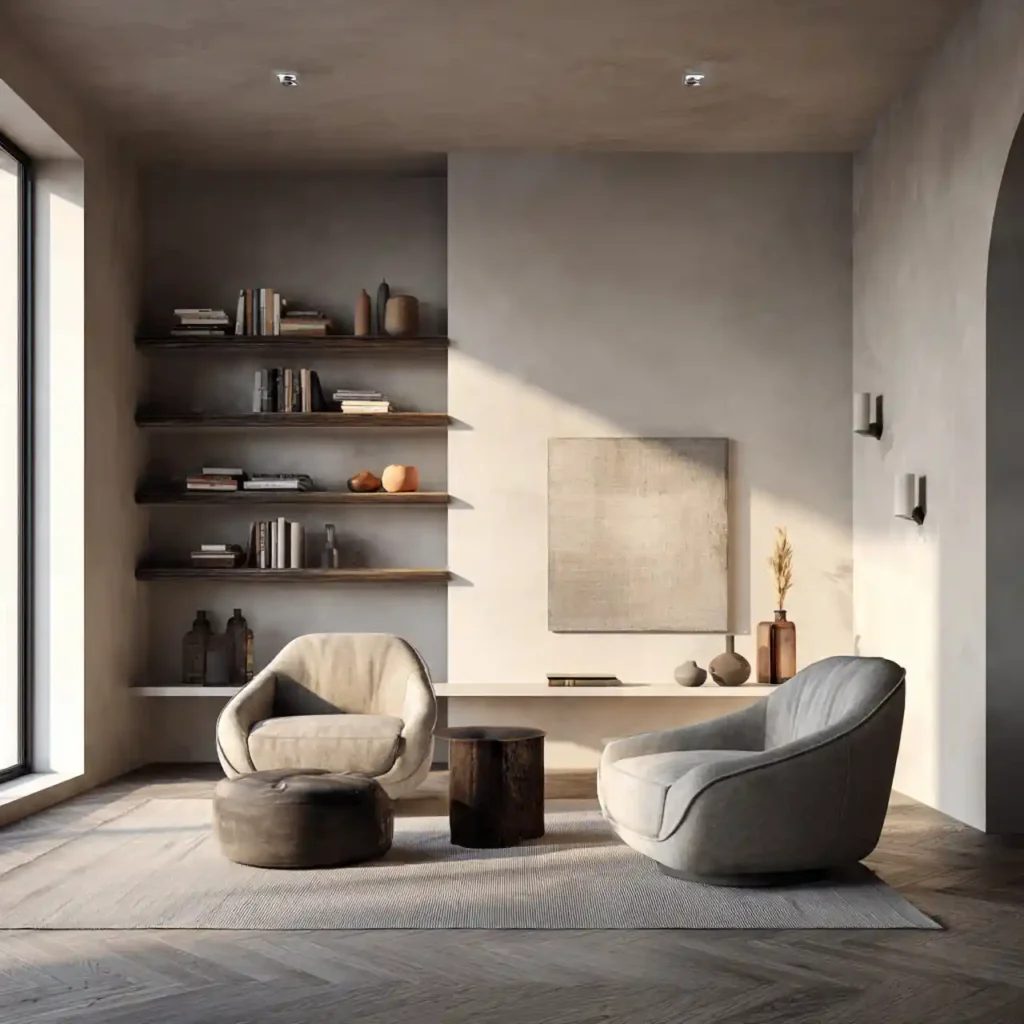
7. Interior Color Story Based on Warm Neutrals Only
Warm neutrals like sand, beige, and soft taupe dominate the interior palette. These colors feel inviting and emotionally comfortable. Cold whites and harsh greys are avoided. The space feels naturally warm and timeless. Warm neutrals also age gracefully and adapt easily to changing styles. The interior maintains long-term appeal.

8. Built-In Interior Furniture Walls
Furniture becomes part of the architecture rather than separate objects. Seating, storage, and shelving are integrated into wall structures. This reduces clutter and improves spatial efficiency. The interior feels custom-designed and premium. Built-in furniture enhances flow and cleanliness. The design looks seamless and intentional.

9. Interior Corners Softened with Curves
Sharp corners are replaced with rounded edges and curved transitions. This improves visual flow and emotional comfort. Movement feels natural and uninterrupted. Curves soften the overall interior experience. The space feels more human and welcoming. Curved architecture enhances modern luxury subtly.
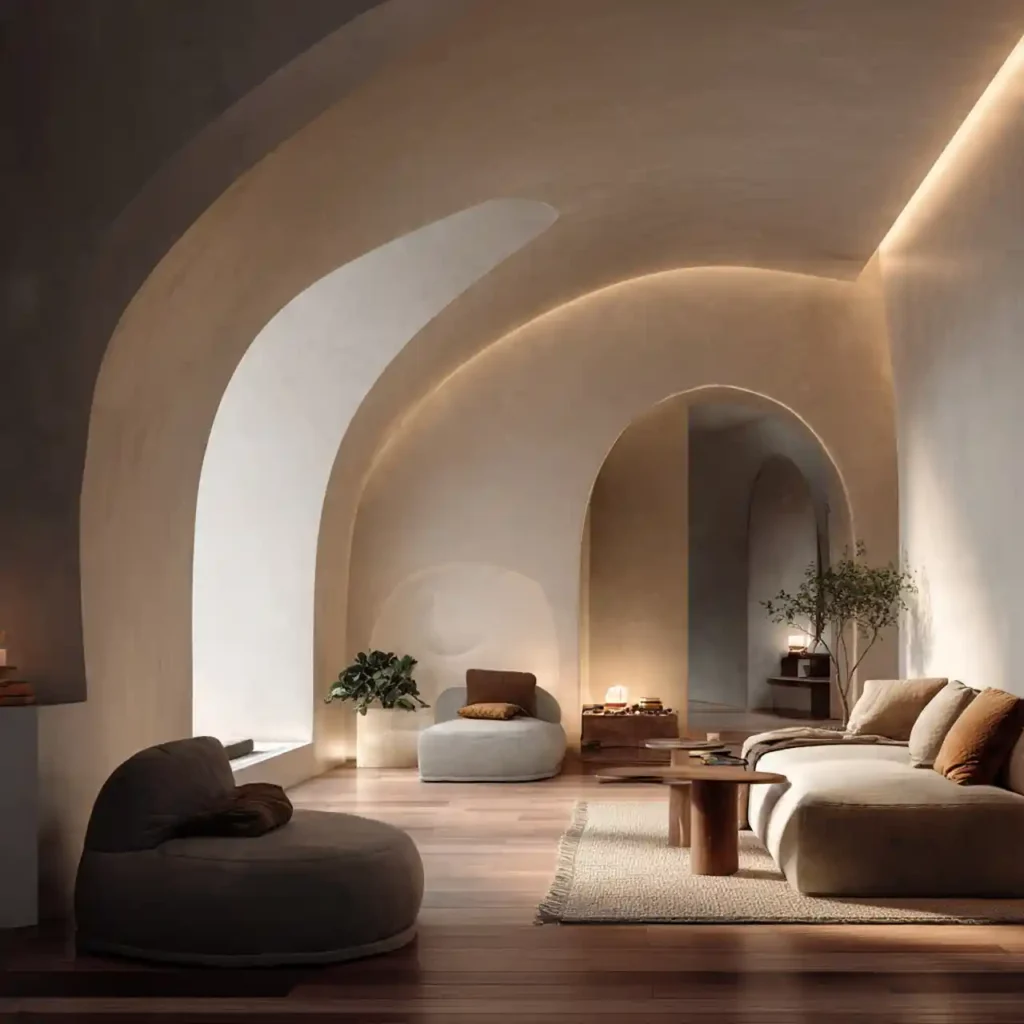
10. Interior Zones Defined by Ceiling Lighting Only
Different lighting treatments identify functional zones without physical barriers. Soft cove lighting for lounges and focused lighting for dining areas create distinction. The interior remains open and fluid. Lighting becomes a zoning tool. This approach maintains openness while adding clarity. The design feels intelligent and modern.
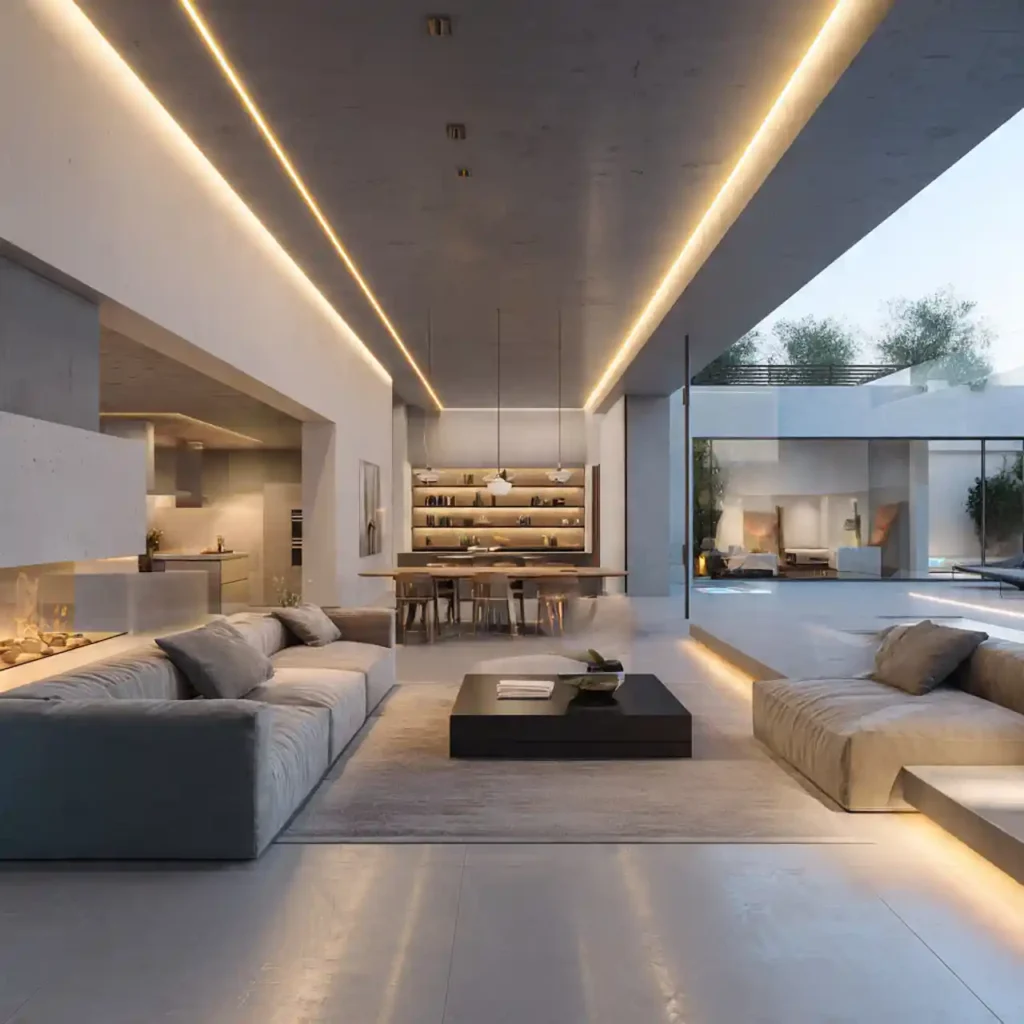
11. Natural Stone Used as Interior Inserts
Instead of full stone walls, stone is used in controlled sections. Thin panels, strips, or accents add texture and richness. This prevents visual heaviness. Stone brings natural character and timeless appeal. The interior feels grounded and refined. Material balance is carefully maintained.
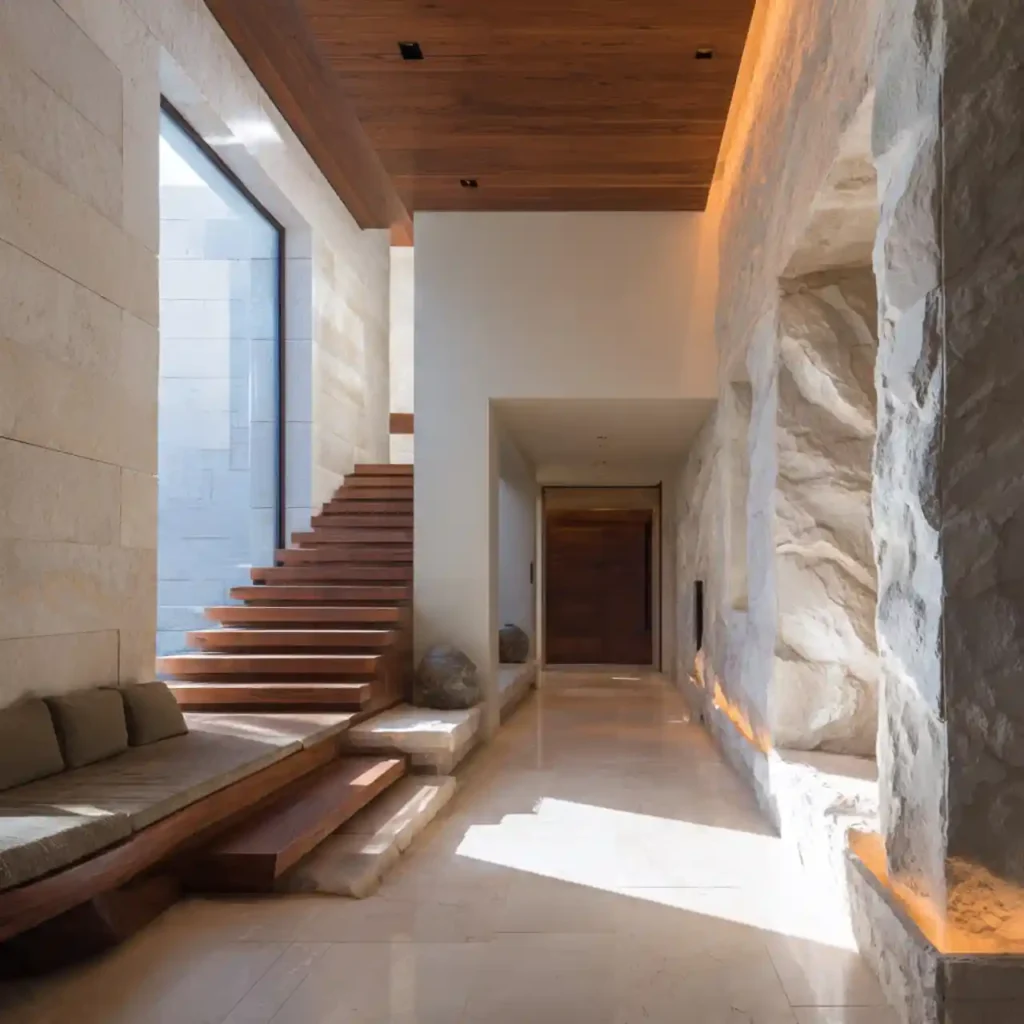
12. Interior Spaces Designed for Silence
Materials and layouts are chosen to absorb sound. Fabric panels, rugs, and soft finishes reduce echo. The space feels acoustically comfortable. Silence becomes part of luxury. This is ideal for living areas meant for relaxation. The interior supports mental calm, not just visual beauty.
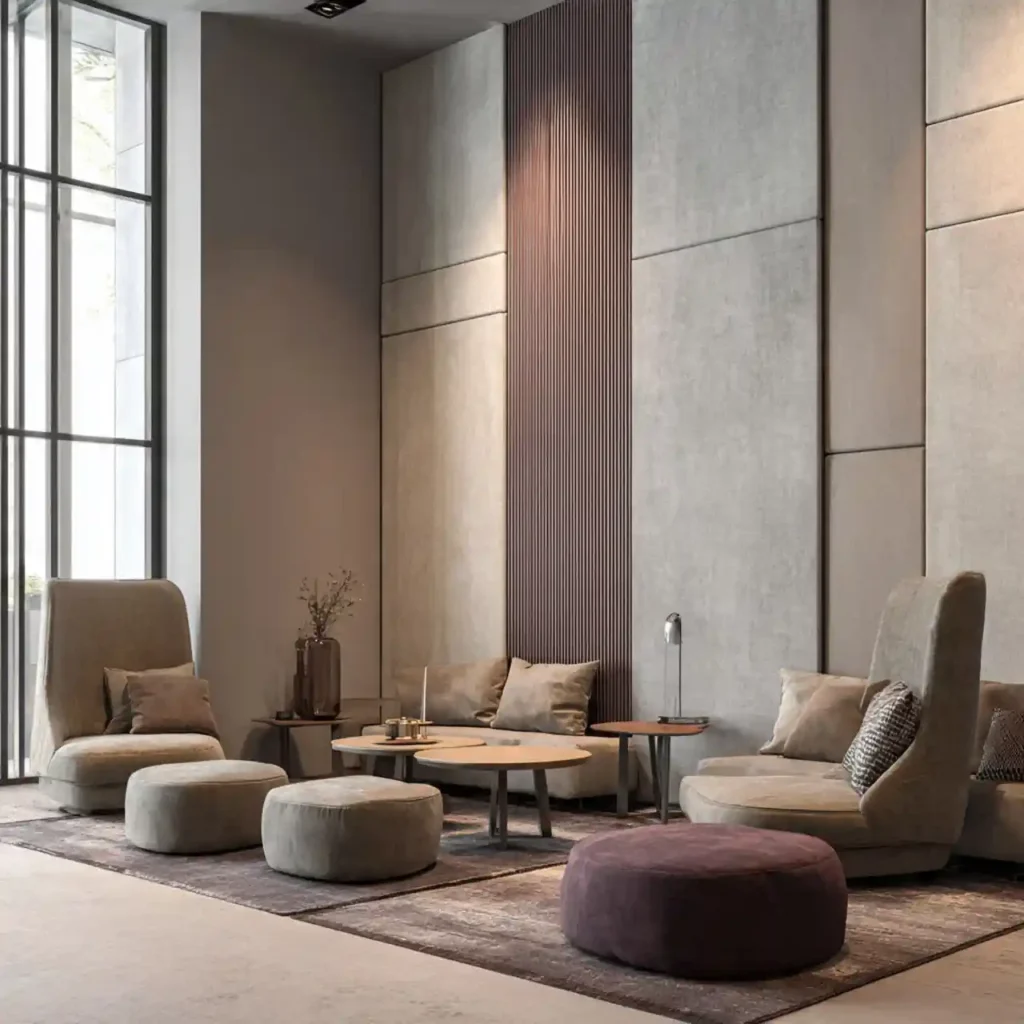
13. Interior Furniture with Hidden Functions
Furniture is designed to perform more than one role. Storage is concealed within seating and tables. The design remains visually minimal. Functionality increases without adding clutter. This approach supports modern living needs. Minimalism becomes practical and intelligent.
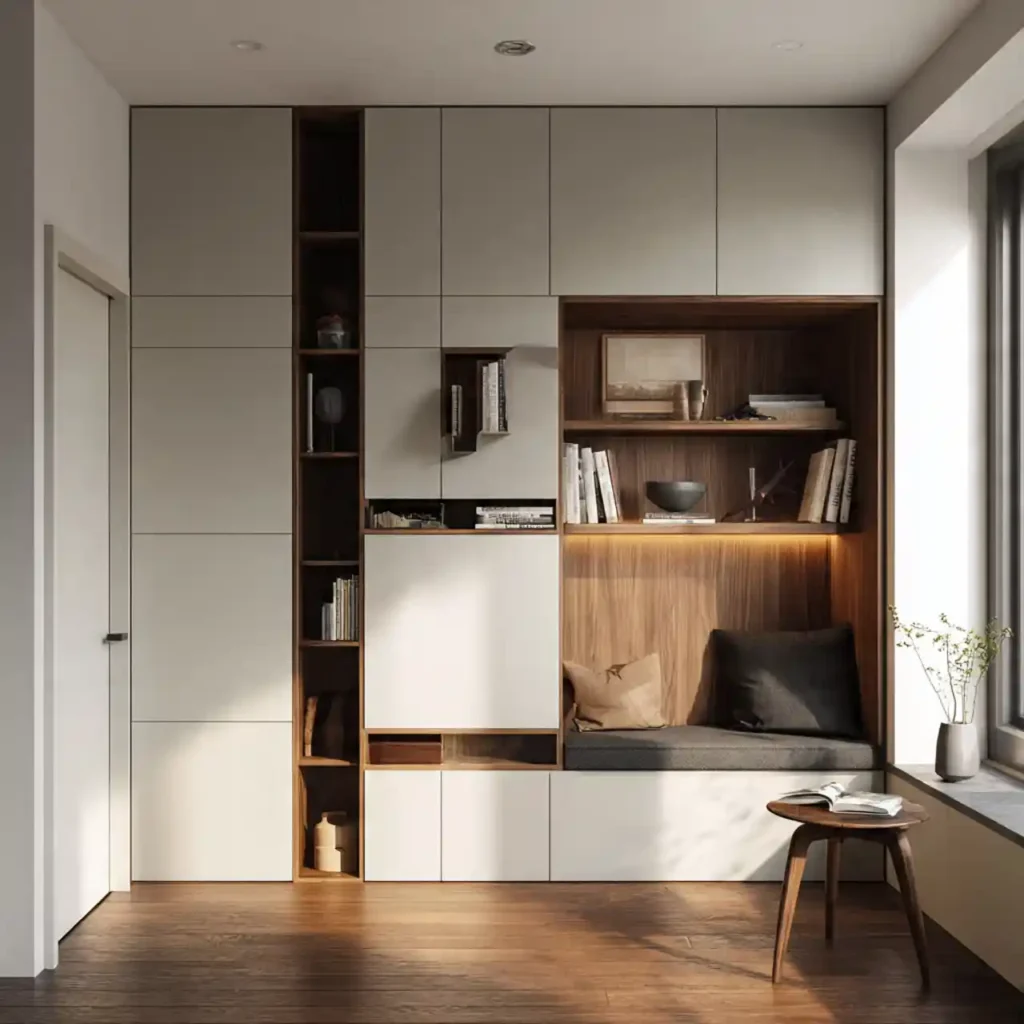
14. Vertical Interior Emphasis Through Proportion
Vertical elements like tall panels, shelving, or lighting enhance perceived height. The eye is drawn upward naturally. Rooms feel more spacious and elegant. Proportion replaces decoration. Vertical emphasis adds architectural sophistication. The interior feels airy and balanced.
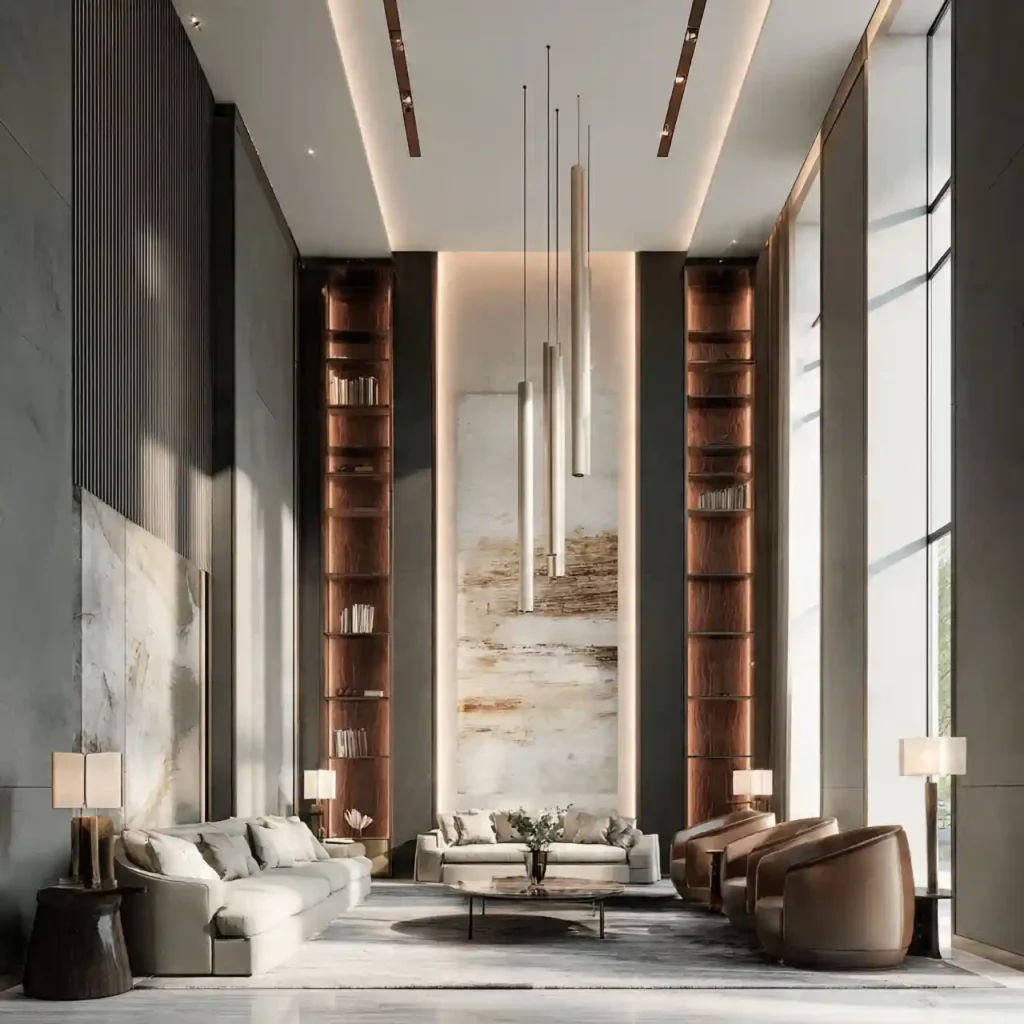
15. Interior Finishes That Avoid Gloss Completely
All finishes remain matte or soft-touch. Glossy reflections are eliminated. Light feels warmer and more controlled. Surfaces appear calm and premium. Visual noise is reduced significantly. This approach enhances timeless elegance.
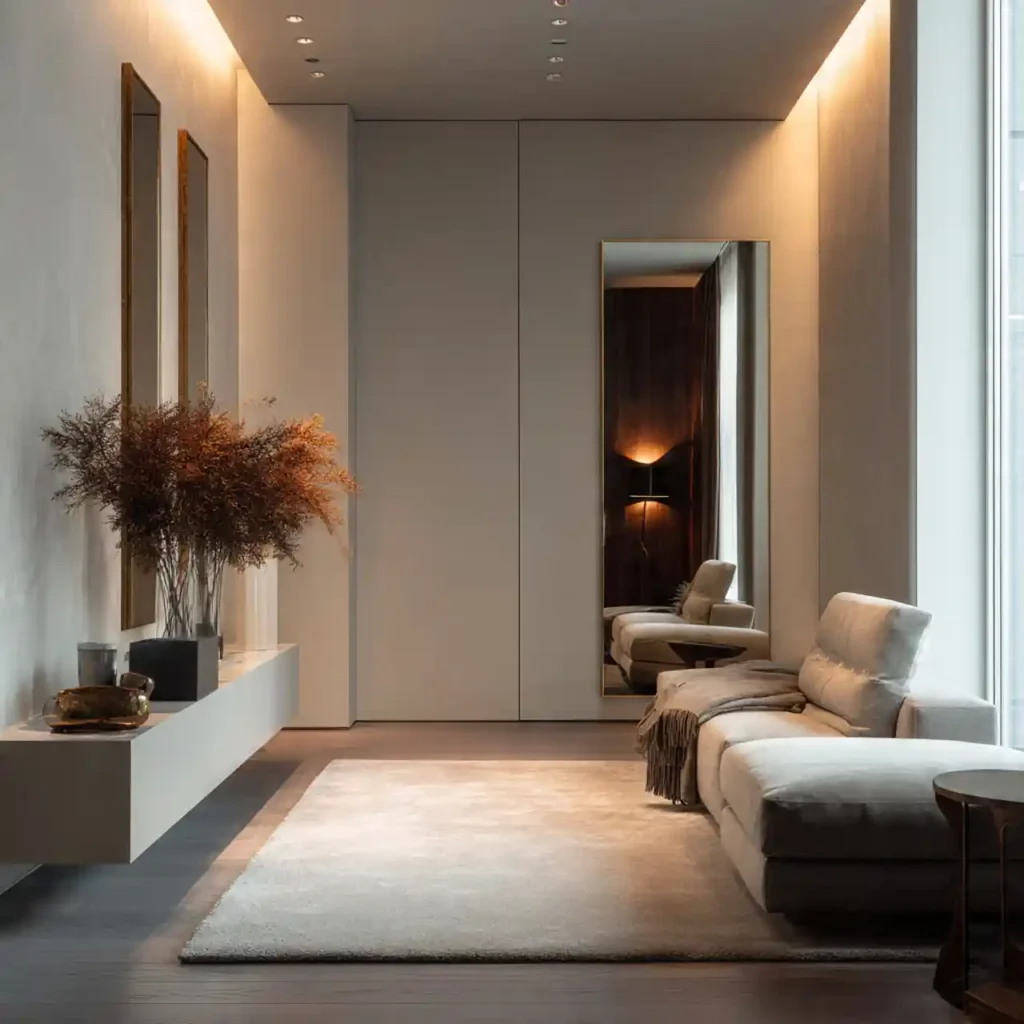
16. Interior Seating Arranged for Conversation
Furniture is placed to encourage interaction. Seating faces inward rather than outward. Distances feel comfortable and human. The interior supports social connection. Layout feels warm and welcoming. Design prioritizes how people use space.
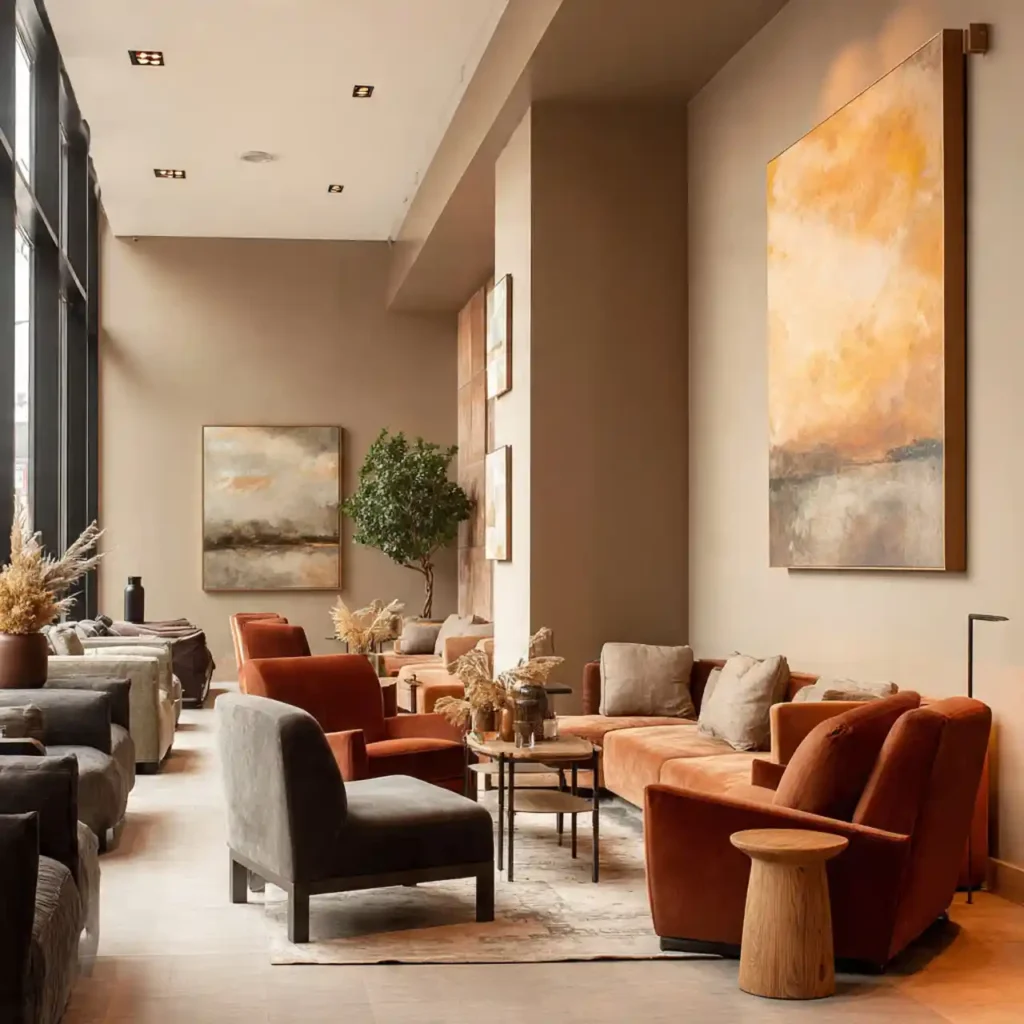
17. Interior Design That Uses Shadow as Texture
Directional lighting creates intentional shadows. Shadows add depth and dimension to walls. The interior feels layered and cinematic. Texture is revealed through light and darkness. This approach adds drama without decoration. The space feels artistic and refined.
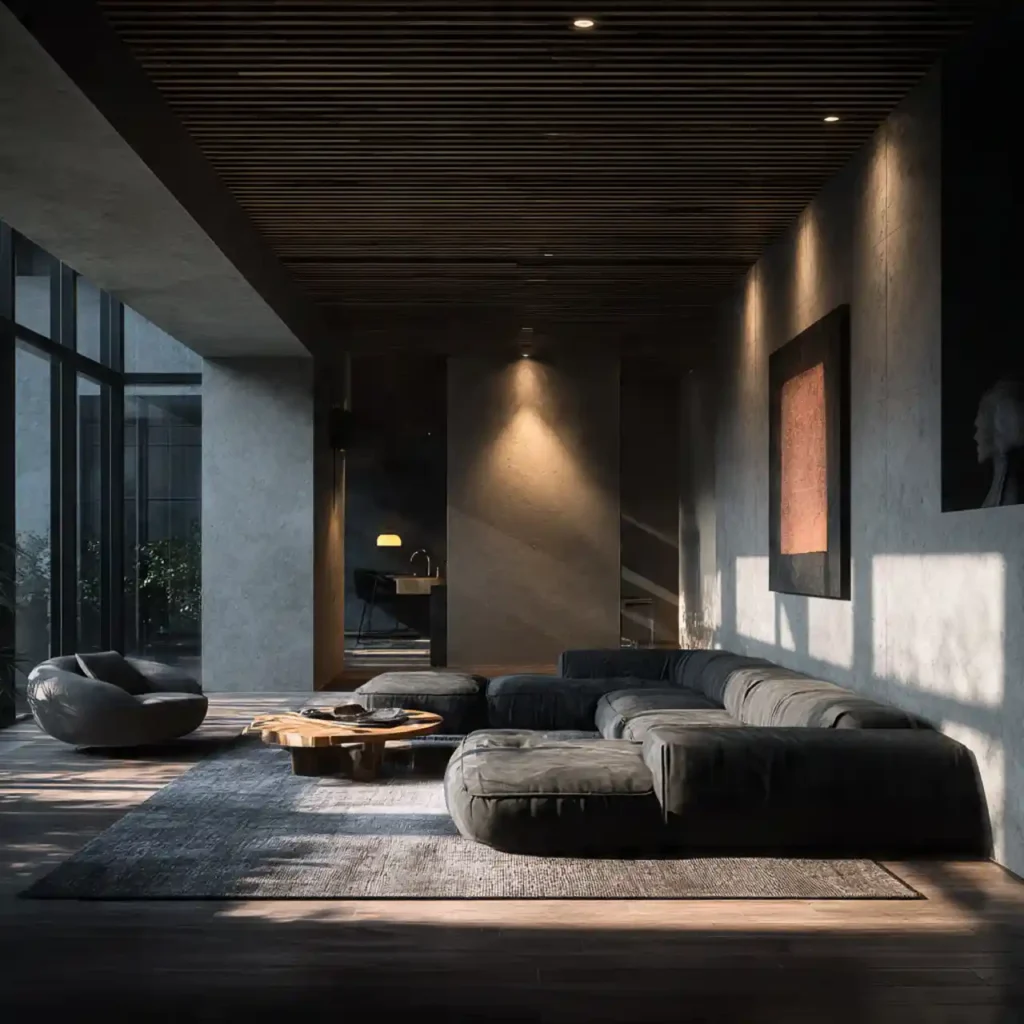
18. Interior Surfaces Left Visually Imperfect
Natural imperfections in materials are embraced. Plaster marks, stone variations, and wood grain remain visible. This creates authenticity. The interior feels real rather than staged. Character develops over time. Beauty comes from honesty.
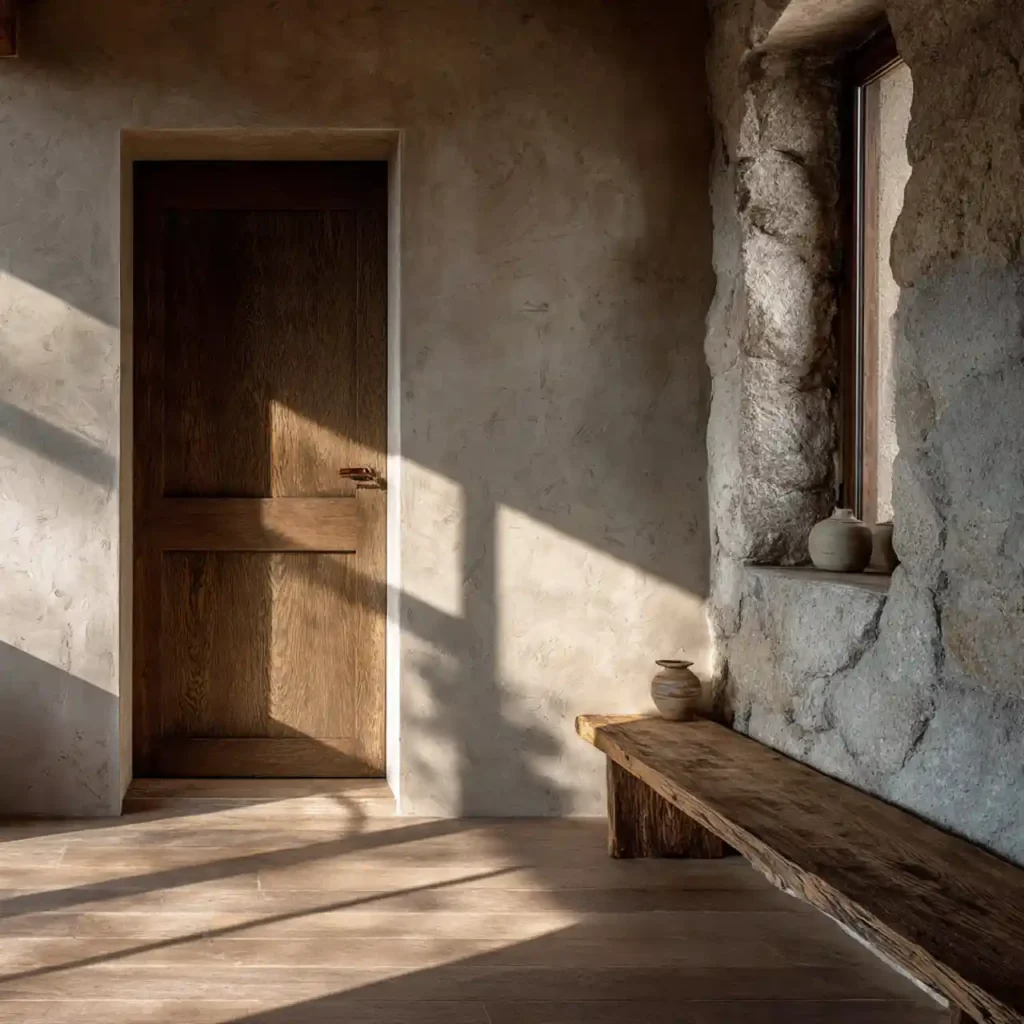
19. Interior Storage That Disappears When Closed
Cabinetry blends completely into wall surfaces. When closed, storage becomes invisible. This keeps interiors visually calm. Clutter is eliminated effortlessly. The design supports minimalism. Function exists without distraction.
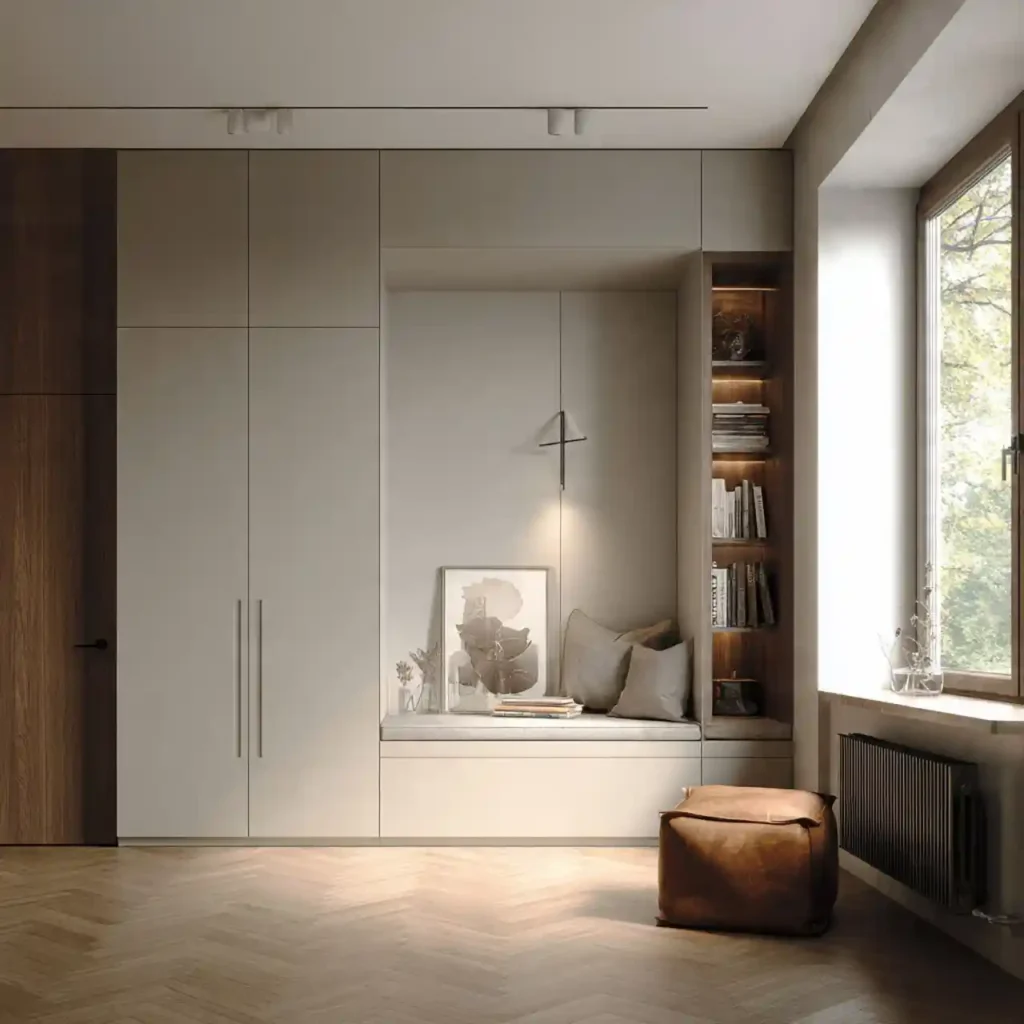
20. Interior Design Inspired by Gallery Spaces
Wide spacing and neutral backdrops define the interior. Furniture and objects feel curated. Nothing feels crowded. The space encourages appreciation of form and material. Calmness dominates. The interior feels artistic yet livable.
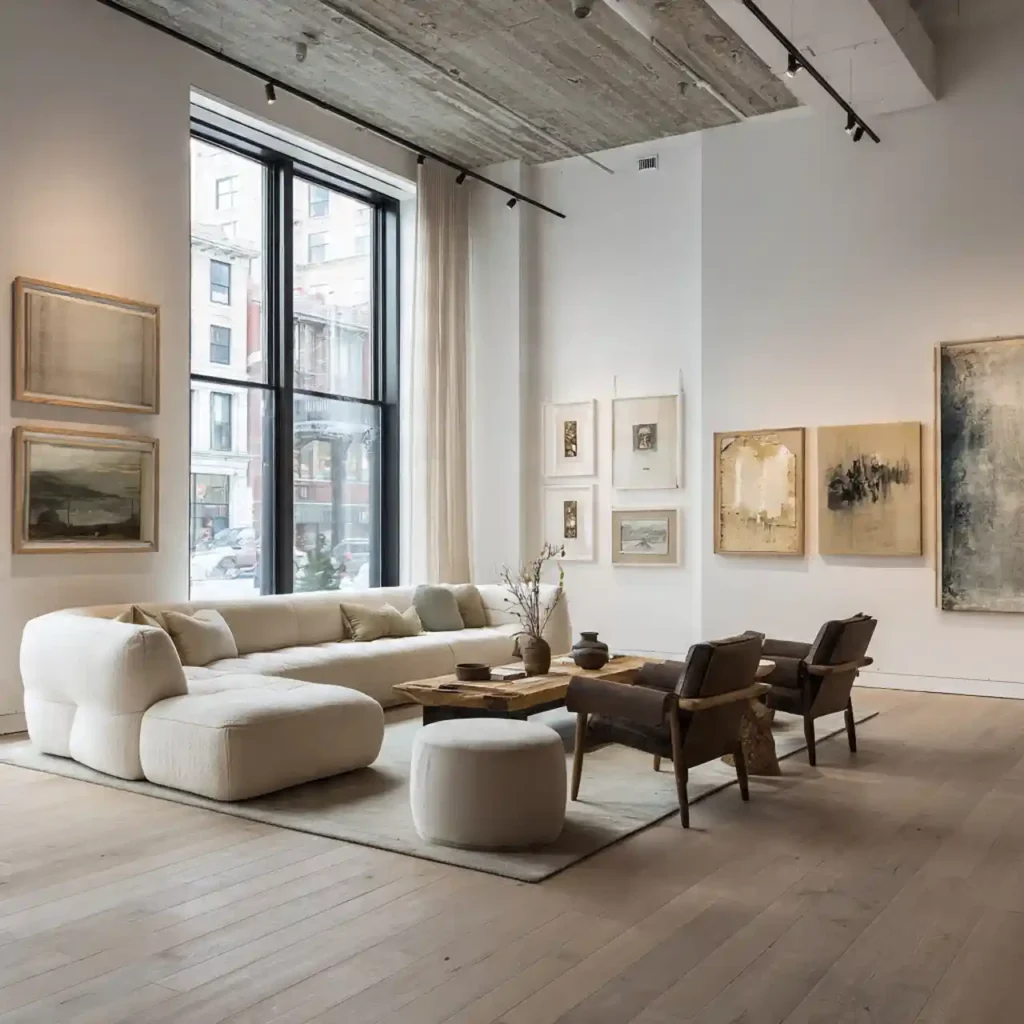
21. Interior Spaces Planned Around Movement Flow
Clear circulation paths guide movement naturally. Furniture placement never blocks walking areas. The interior feels effortless to navigate. Comfort increases through thoughtful planning. Flow improves daily living. The space feels intuitive.
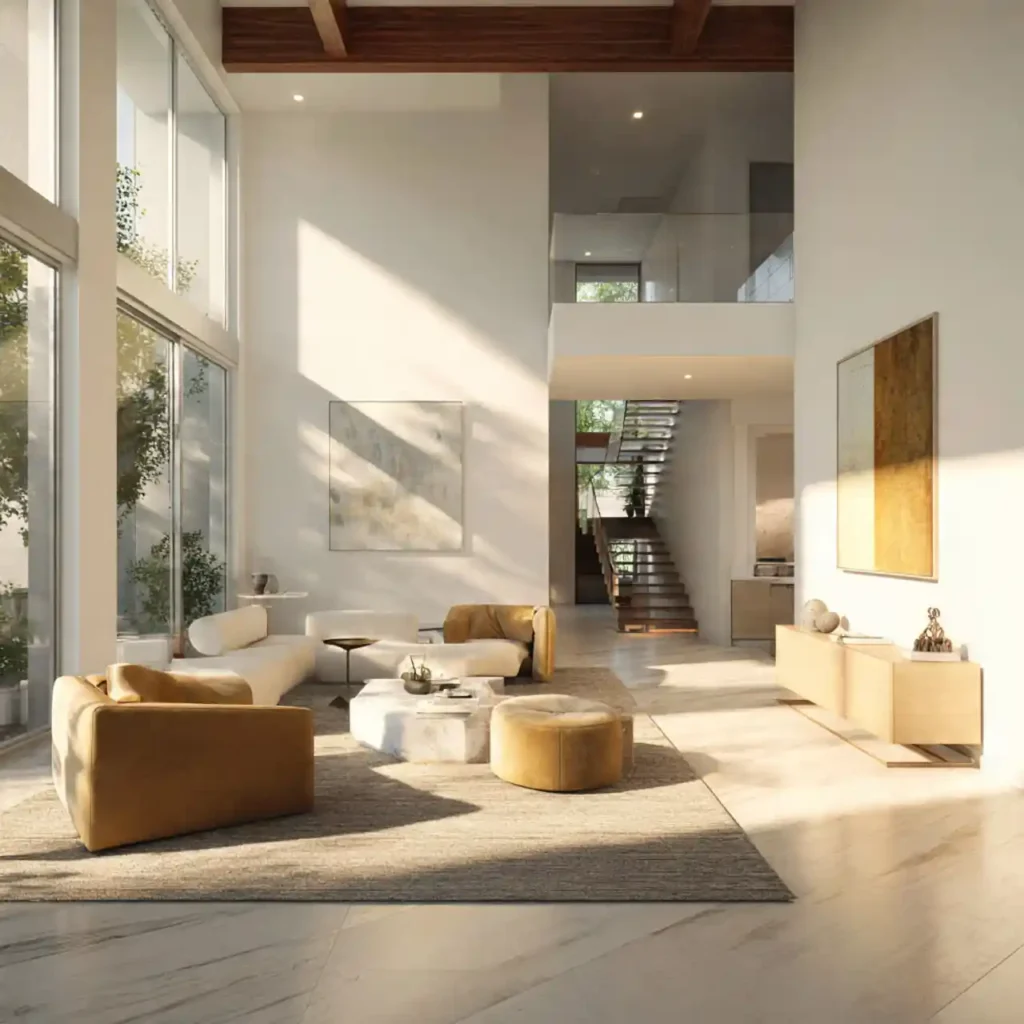
22. Interior Zones Without Visual Borders
No rugs, dividers, or partitions define zones. Layout intelligence does the work. Spaces flow naturally into one another. Visual continuity remains uninterrupted. The interior feels expansive. Design feels modern and confident.
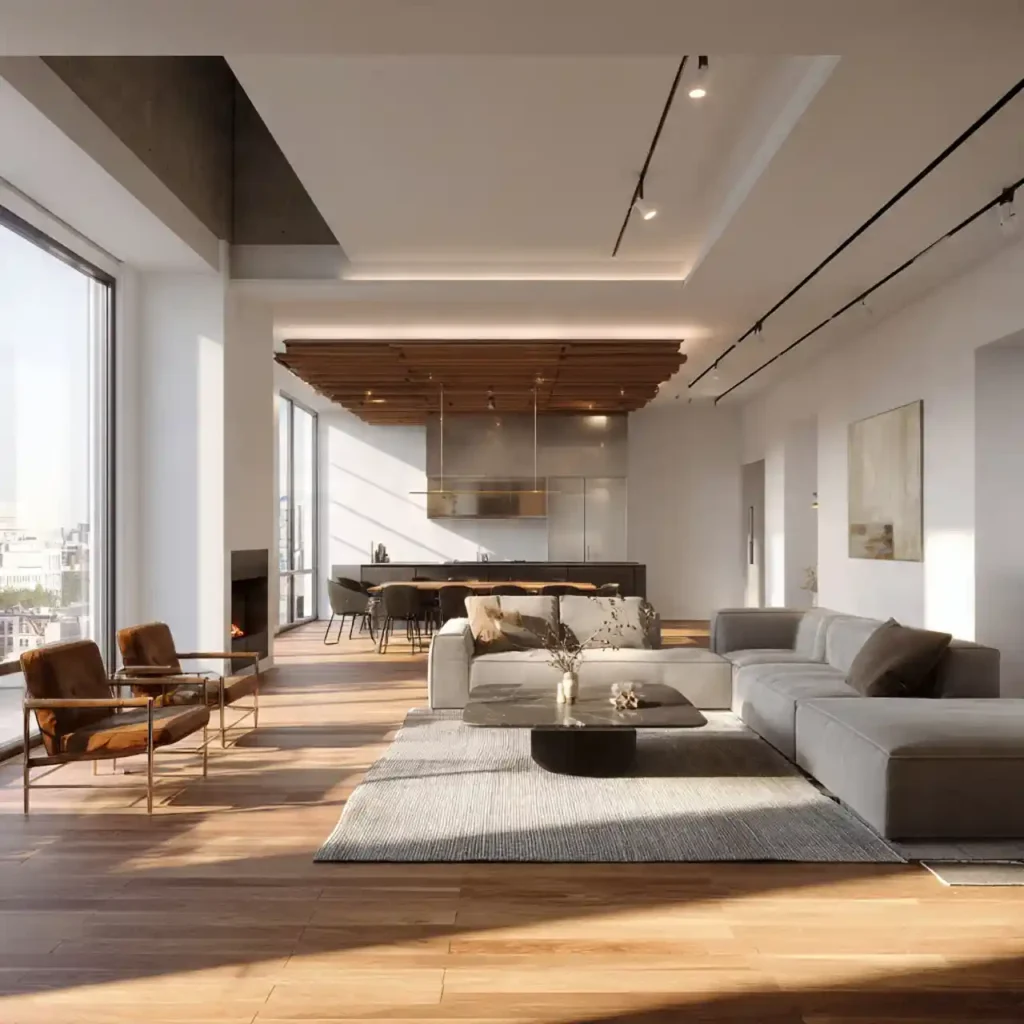
23. Interior Materials Repeated Subtly
The same material appears in small, controlled doses across spaces. This creates consistency without monotony. Visual harmony improves. The interior feels unified and intentional. Repetition strengthens design language. Cohesion becomes natural.
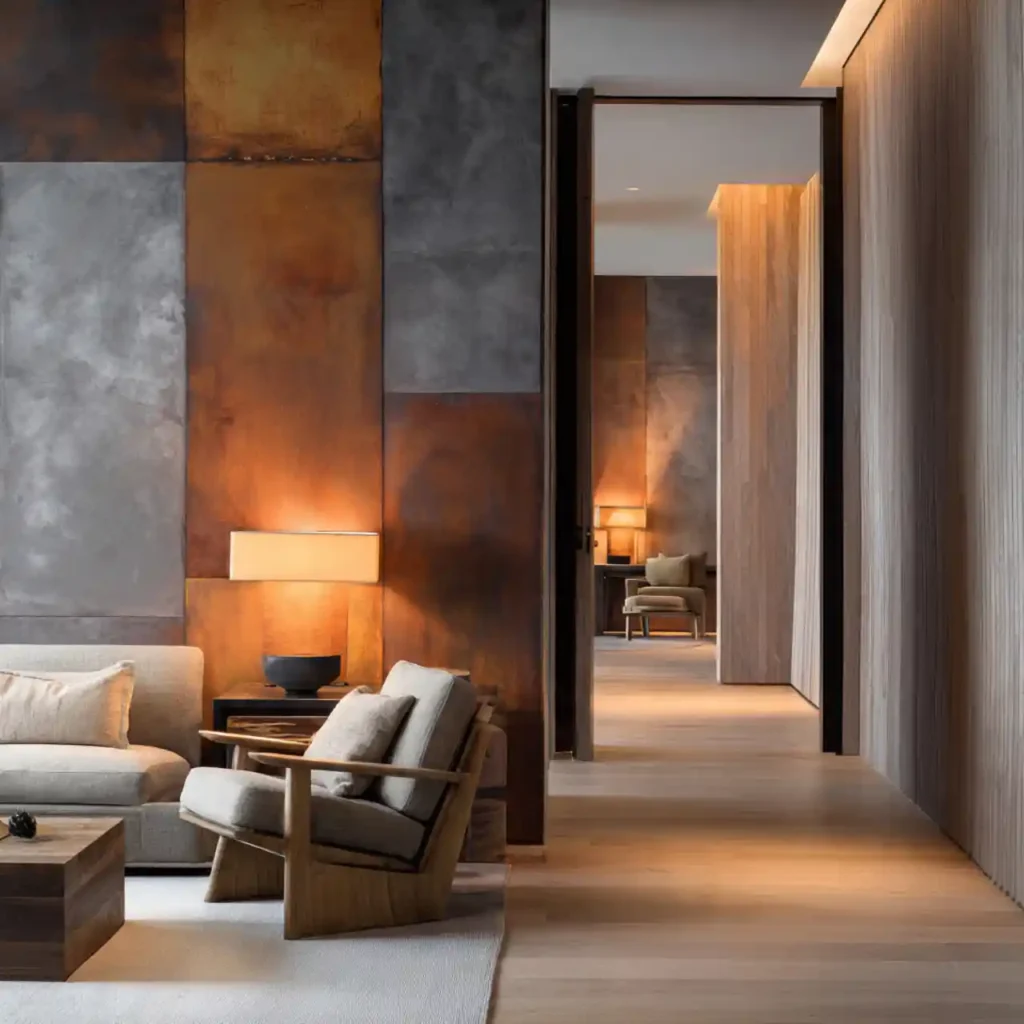
24. Interior Spaces Designed for Longevity
Trendy shapes and colors are avoided. Proportions remain classic. Materials are chosen for durability. The interior ages gracefully. Design remains relevant for years. Longevity defines true modern luxury.
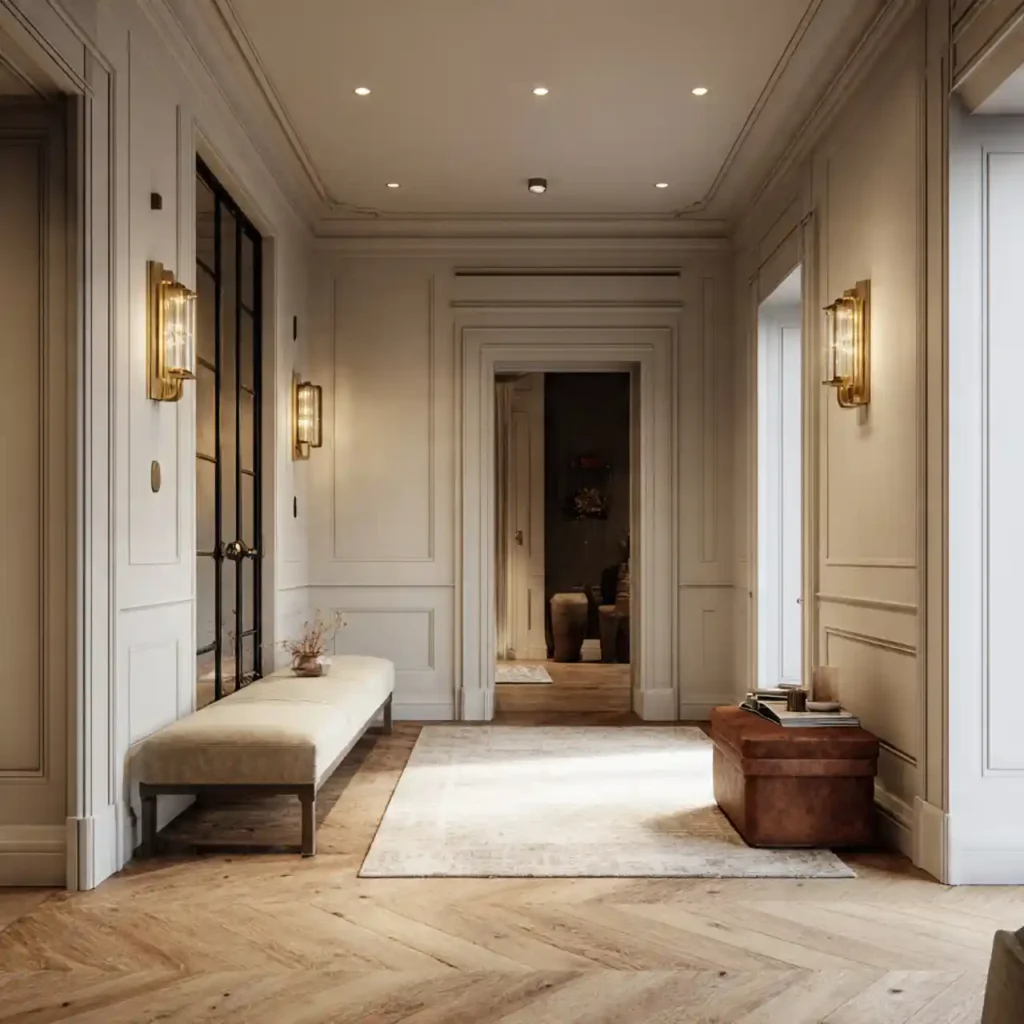
25. Interior Concept Built on Emotional Calm
Every design decision supports mental ease. Colors are soft, layouts are balanced, and lighting is gentle. Nothing overwhelms the senses. The interior feels safe and grounding. Emotional comfort becomes the main goal. This is the essence of refined modern interiors.
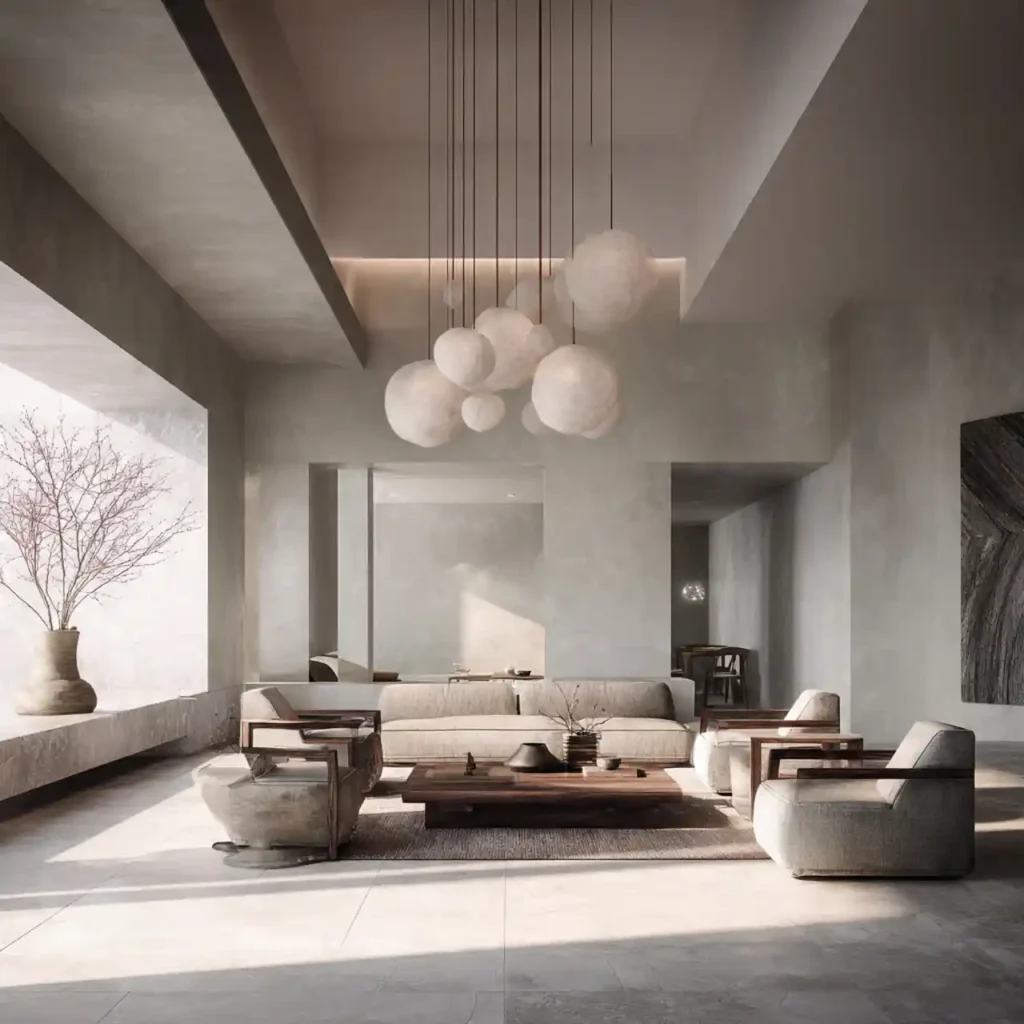
Final Thoughts: Contemporary Interior Design Ideas
Great interior design is not defined by luxury alone but by how effortlessly a space supports everyday living. The most successful interiors feel balanced, comfortable, and visually calm while remaining functional for years to come. When design choices are guided by proportion, light, material honesty, and human experience, interiors naturally become timeless.
These 25 Contemporary Interior Design Ideas highlight the importance of thoughtful planning over decorative excess. By focusing on flow, simplicity, and emotional comfort, homeowners can create spaces that remain relevant long after trends fade.